As an Amazon Associate, we earn from qualifying purchases. Some links on this site are affiliate links at no extra cost to you. Our recommendations are based on thorough research and editorial judgment.


The Lifespan of LED Lights: What 50,000 Hours Really Means

The lifespan of LED lights is typically rated at 50,000 hours, representing the moment when brightness declines to 70% of initial output. This equates to about 5.7 years of continuous use or 17.1 years at 8 hours daily. Effective heat management is vital to longevity, as even a 10°C increase can reduce lifespan considerably. It’s essential to employ high-quality drivers to stabilize operation. Explore how these factors impact overall performance and value for long-term investments.
Key Takeaways
- The 50,000-hour lifespan means LEDs can last about 17.1 years with 8 hours of daily use, unlike incandescent bulbs that last approximately 1,000 hours.
- LEDs experience gradual lumen depreciation, maintaining roughly 70% brightness even after extensive use, unlike the sudden failure of traditional bulbs.
- Effective heat management is crucial; a 10°C increase can halve an LED’s lifespan, making proper installation and ventilation significant for longevity.
- The quality of LED drivers impacts lifespan; reliable drivers ensure stable performance and can help LEDs exceed the 50,000-hour mark.
- Understanding Total Lighting Cost (TLC) reveals that LEDs offer substantial savings over time, factoring in initial cost, energy usage, and maintenance.
Understanding LED Lifespan
You may be interested
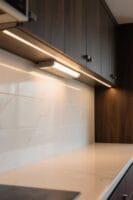
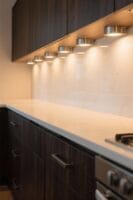
To understand the lifespan of LED lights, it is essential to recognize the significance of the L70 rating. This rating indicates when an LED has reached a lumen depreciation level where its brightness falls to 70% of the initial output. Generally, the quoted LED lifespan is often around 50,000 hours. However, various factors can influence this duration, including the quality of components and manufacturing standards. Effective heat management is vital; excessive heat can drastically reduce lifespan. Even a 10°C increase in temperature can halve an LED’s operational capacity. Daily usage, regular maintenance, and ensuring proper ventilation are essential behaviors to prolong LED lifespan. As a result, understanding these elements can greatly enhance performance and durability. High-quality LED cabinet lights like the CNSUNWAY light fixtures demonstrate this impressive longevity while delivering substantial energy savings of up to 70% compared to traditional lighting.
What Does 50,000 Hours Mean?
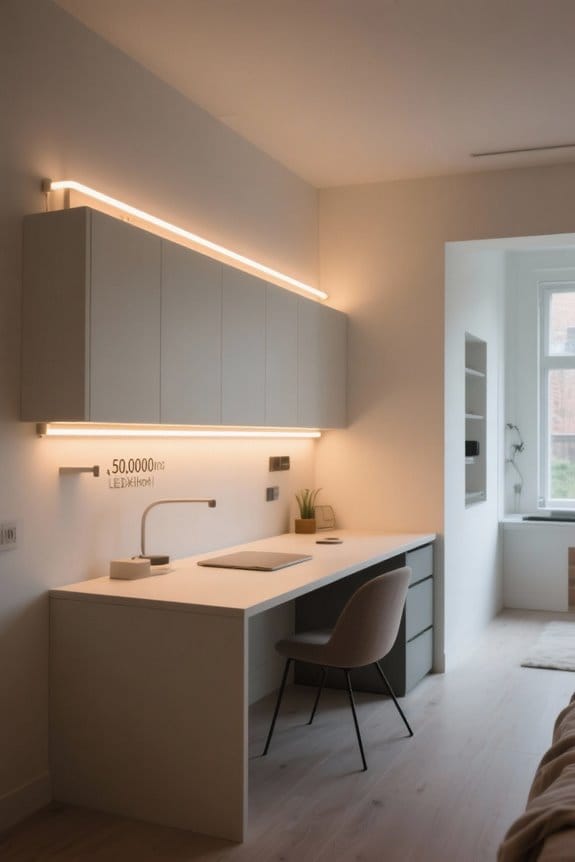
The concept of a 50,000-hour lifespan for LED lights signifies a remarkable achievement in lighting technology. This measurement indicates the period until an LED’s brightness diminishes to 70% of its original output, a standard known as L70. Under continuous use, this lifespan equates to approximately 5.7 years, or about 17.1 years when utilized for 8 hours a day. Unlike traditional bulbs that fail abruptly, LEDs demonstrate gradual lumen depreciation, enhancing their longevity. However, actual performance may differ due to environmental factors and usage conditions. Implementing proper heat management can greatly extend lifespan, potentially surpassing the 50,000-hour estimate. Understanding these nuances can help consumers make informed lighting choices for diverse applications. Modern LED options like the CT CAPETRONIX light bars deliver impressive brightness levels of up to 1700 lumens while maintaining this extensive operational lifespan.
Comparing LED Lifespan With Traditional Bulbs
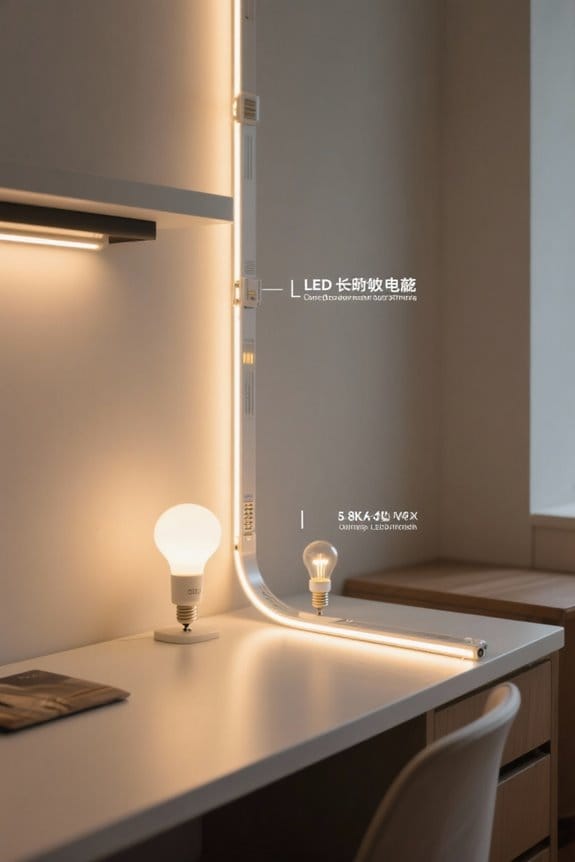
When comparing the lifespan of LED lights to traditional bulbs, one quickly recognizes the notable advantages that LEDs offer. LED lights typically last around 50,000 hours, considerably outperforming traditional incandescent light bulbs, which average only 1,000 hours. This long lifespan equates to approximately 5.7 years of continuous use at 24 hours a day. In stark contrast, incandescent bulbs exhibit rapid deterioration in light output, losing brightness much sooner. Additionally, LEDs maintain about 70% of their brightness even after extensive use. Their superior energy efficiency not only reduces energy consumption but also decreases replacement frequency, making LED lights a more economical and environmentally friendly choice. Modern LED strips like the Dalattin LED lights operate at a safe 24V with minimal heat emission, further enhancing their longevity. To conclude, choosing LEDs guarantees reliable performance and long-term savings.
Recommended Products

SWANK COLLECTION – Part of the Swank Collection, this pendant pairs a polished chrome finish with quality aluminum + steel + acrylic construction for a refined, design-forward statement that elevates any room.

SUPER BRIGHT & ENERGY SAVING: ADUB 12 Pack 400W LED high bay shop lights adopt efficient SMD3030 LED chips, high light efficiency of 150 LM/W, providing 60,000 LM of brightness at 5000K Daylight. Energy saving up to 85%
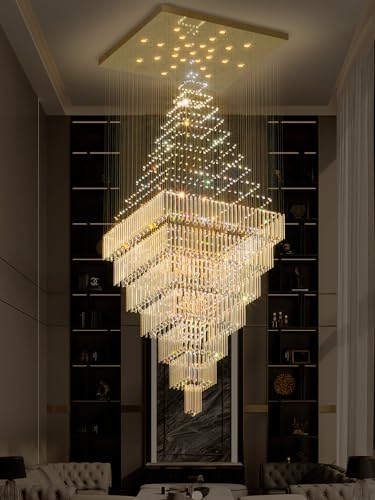
【Modern Large Villa Crystal Chandelier】Specification:Ceiling plate diamater is 59".Total length of wire is 120".The height cannot be adjusted.Applicable to sloping ceilings
The Role of Heat Management
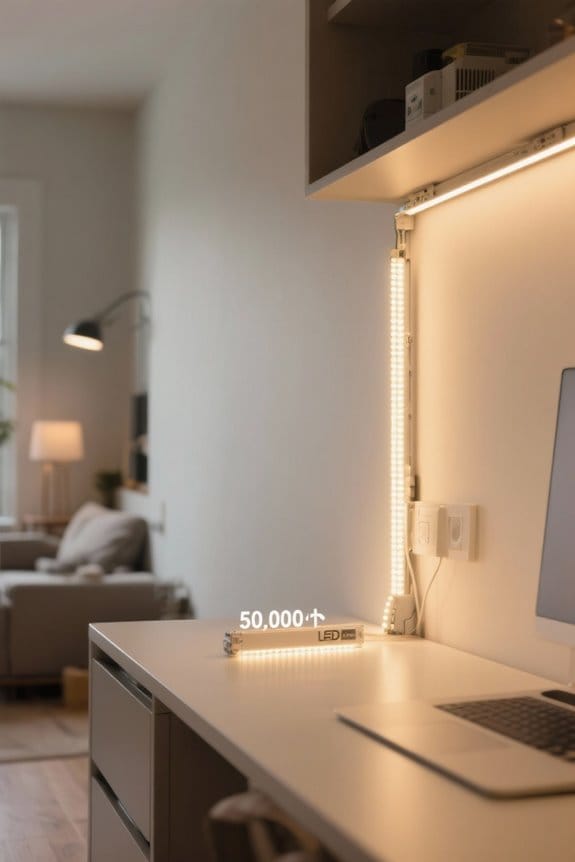
Effective heat management is essential for maximizing the lifespan of LED lights, as excessive heat greatly impacts their performance. LEDs last so much longer when operating at optimal temperatures. A mere 10°C increase in temperature can cut longevity by half. Proper heat dissipation mechanisms, like heat sinks and adequate ventilation, play significant roles. These guarantee internal components remain cool and functional. In confined spaces, where airflow is limited, it’s critical to monitor environmental conditions to prevent overheating. Maintaining low junction temperatures is necessary to avoid color shifting and achieve consistent light output. Prioritizing thermal management strategies prevents premature failure and enhances durability, leading to better performance and a longer life for LED technology. Automatic shut-off features in modern LED transformers provide an additional safety layer against overheating issues.
Importance of LED Driver Quality
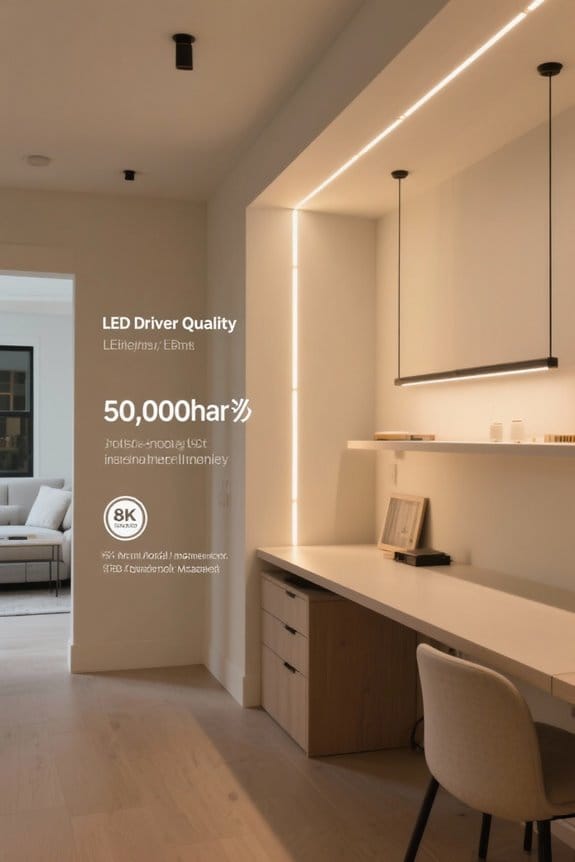
Quality LED drivers serve as the backbone of LED lighting systems, fundamentally impacting their performance and lifespan. These devices convert AC to DC power while regulating voltage and current. Approximately 80% of LED luminaires operate on DC power, making driver quality essential. A high-quality LED driver guarantees stable operation, reducing flickering and erratic performance. In addition, effective thermal management and surge protection from durable drivers prevent excessive heat, a primary cause of premature LED failure. Selecting reliable drivers can greatly extend the lifespan of an LED light, potentially surpassing 50,000 hours. Consequently, when choosing an LED driver, prioritize quality by evaluating brand reliability and compliance with industry standards. Investing in superior drivers safeguards your lighting investment for years to come. Modern LED drivers include multi-protection systems that significantly enhance their durability and safety performance.
Recommended Products

Commercial Grade: With aluminum housing and integrated driver, this 2x4 led flat panel light provide you with long-term and trustworthy performance. Its dustproof design can stand for harsh environments which is perfect for office, warehouse, garage, hospital, classroom and other commercial use

Bundle includes: Wet Sounds REV 12 HD 12" Horn Loaded Compression Driver Tower Speakers, 400 Watts RMS, White, Pair, Wet Sounds REV 12 HD XZ-W GRILLE 12" XZ Style Grilles for REV 12 HD Tower Speakers, White, Wet Sounds TC3 Swivel Clamps for REV and ICON Series Speakers (Pair), Wet Sounds TC3-S 6 pin LED lighting connectors for swivel clamps (pair)

【Double Sink Bathroom Vanity】This bathroom vanity is equipped with two sinks, suitable for two people to use simultaneously, avoiding waiting during morning and evening rush hours and enhancing the convenience of daily life.
Material and Manufacturing Quality
Numerous factors contribute to the overall lifespan of LED lights, with material and manufacturing quality being among the most critical. The material quality used in LED components, such as diodes and phosphor layers, is essential for achieving maximum performance. Employ high-quality soldering techniques to guarantee reliable connections within LED fixtures, as these diminish the likelihood of early failure. It is important that components comply with industry standards and certifications to assure durability. Beware of poor manufacturing practices, including weak thermal contacts, which can lead to significant degradation in performance, manifesting as brightness loss or flickering. Products offering extended warranties typically reflect a manufacturer’s confidence in their superior material and manufacturing quality, correlating with longer lifespans. High-quality LED lights can achieve 85% energy savings compared to traditional incandescent bulbs while maintaining their performance standards.
Environmental Conditions Affecting Lifespan
The lifespan of LED lights can be significantly influenced by environmental conditions. Temperature plays an important role, as a mere 10°C increase can halve an LED’s lifespan. It is essential to operate LEDs within specified temperature limits to guarantee longevity. Outdoor LEDs must be constructed to endure moisture, wind, and temperature changes that can accelerate degradation. Additionally, areas with high dust and debris require regular maintenance to prevent airflow obstruction, which can trap heat and negatively impact performance. In confined spaces, incorporating adequate ventilation and heat sinks is critical for proper heat dissipation. High humidity can also lead to electronic component failures, adversely affecting LED drivers and, consequently, the overall lifespan of the lighting solution. Modern IP65 waterproof rating ensures protection against moisture damage in outdoor and high-humidity environments, helping maintain optimal LED performance.
Installation and Maintenance Best Practices
To guarantee maximum longevity and performance of LED lights, proper installation and maintenance practices must be followed meticulously. Begin by confirming correct wiring during installation, as improper connections can cause electrical fluctuations that diminish LED performance. Utilize high-quality LED drivers to regulate current and voltage, enhancing the overall lifespan. Securely mount LED fixtures for ideal heat dissipation; this prevents excessive heat build-up, which can drastically reduce lifespan. Regular maintenance is essential, so clean dust and debris from the fixtures to maintain consistent light output. Also, verify adequate ventilation around the LEDs, as insufficient airflow may lead to overheating. Following these best practices guarantees lasting performance and ideal efficiency for your LED lights. Consider installing motion sensor features to maximize energy efficiency while maintaining convenience, as these sensors can detect movement within 10-12 feet and automatically activate lighting only when needed.
Recommended Products
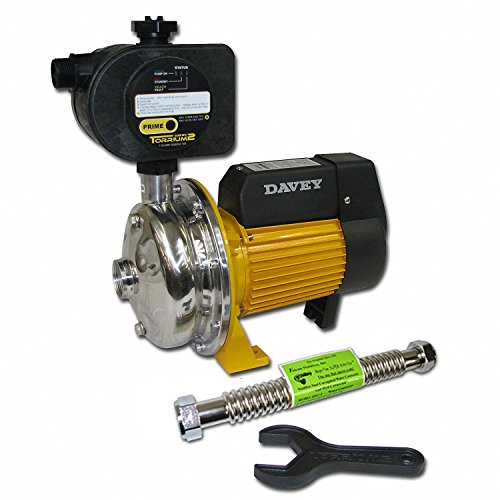
Pressure Boost = 50 psi (30 psi at 30 gpm)

Pressure Boost = 50 psi (30 psi at 20 gpm)

4x independent pixel outputs each with 8A supply capability. 1x DMX512 IN/OUT port
Lumen Depreciation Explained
Lumen depreciation is a critical concept in understanding the longevity and performance of LED lights. This phenomenon describes the gradual loss of brightness over time rather than a sudden failure. An LED’s L70 rating indicates that after 50,000 hours of operation—about 5.7 years of continuous use—the light will retain at least 70% of its initial brightness. In contrast, traditional bulbs typically experience a much faster rate of lumen depreciation, leading to decreased brightness considerably sooner. This slower loss in brightness over time is why LEDs last so much longer and are more efficient. When considering lighting for the long run, evaluate the environmental factors that may influence performance, such as temperature and voltage stability, to guarantee best results. Modern Color Rendering Index capabilities in LED fixtures ensure optimal light quality even as brightness gradually diminishes over their extensive lifespan.
Real-World Lifespan Expectations
A lifespan of 50,000 hours is often quoted for LED lights, but real-world performance can vary considerably. This figure represents the L70 rating, indicating when LEDs maintain 70% of their original brightness. Actual lifespan is influenced by environmental conditions, such as temperature and humidity. LEDs last so much longer than traditional bulbs, but heat management plays a critical role. Improper installation or inadequate heat dissipation can shorten their lifespan. Users have reported LEDs exceeding 50,000 hours, particularly in ideal conditions. However, those in harsher environments may face reduced longevity. Ultimately, proper installation and regular maintenance, including cleaning, are essential for maximizing lifespan and ensuring reliable performance in diverse settings. Modern LED fixtures like the Binet LED Light demonstrate impressive efficiency by consuming only 50mA while maintaining bright, consistent illumination throughout their lifespan.
Tips for Maximizing LED Lifespan
Properly managing the lifespan of LED lights requires attention to several important factors. Effective heat dissipation is essential; guarantee proper installation and wiring to facilitate airflow and reduce overheating. Regularly clean LED fixtures to eliminate dust and debris that block ventilation. Investing in high-quality LED products is fundamental, as inferior options often have reduced durability due to poor materials. Utilize compatible dimmers to regulate power and prevent stress. Additionally, avoid excessive on-off switching, which can negatively impact component lifespan. Monitoring environmental conditions is critical, particularly for outdoor LEDs, to shield them from harsh weather and temperature fluctuations. Each of these strategies contributes greatly to enhancing the longevity and performance of LED lighting systems.
The Total Lighting Cost (TLC) Consideration
Understanding the Total Lighting Cost (TLC) is essential when evaluating the financial implications of LED lighting. The TLC involves more than just the bulb’s initial price; it encompasses energy consumption and maintenance over time. For example, an LED priced at $100 might incur over $500 in energy costs over ten years, making the bulb cost only 17% of the total TLC. Since LEDs last a long time, often up to 50,000 hours, their cost-effectiveness is significant compared to traditional bulbs, which require frequent replacement. Additionally, labor costs for swapping out traditional bulbs can accumulate, underscoring the importance of TLC. Property owners should consider these factors to appreciate the true value of LED lighting investments.
Recommended Products

LED freezer tubes makes you eligible for various utility rebates and reward schemes. Contact your utility company for details on existing rebate policies. Contractors and Distributors can take advantage of our special pricing on bulk orders.

Art Deco Grand Tiered Design for Statement Spaces: Features a striking multi-layered silhouette crafted from premium smoked clear textured glass panels and a luxurious gold metal frame—true to Art Deco style, it becomes a bold, eye-catching centerpiece that infuses large dining rooms, great rooms, foyers, or staircases with vintage-glam elegance and dramatic visual appeal

SPACIOUS SIZE: Measuring 47 inches in diameter and 51 inches in height, this oversized fixture is nice for high ceilings and expansive open areas. Its impressive scale creates a dramatic and inviting atmosphere, elevating your home’s interior style effortlessly
Frequently Asked Questions
Do LEDS Really Last 50,000 Hours?
LEDs can last approximately 50,000 hours, but actual longevity varies based on performance factors like heat management and usage conditions. Light degradation occurs gradually, and energy efficiency improves with higher-quality components compared to cheaper alternatives.
What Is 50000 Hours LED Light?
A 50,000-hour LED light signifies a long-lasting energy-efficient option, offering cost savings and reduced environmental impact. Its superior light quality makes it suitable for various applications, effectively outperforming traditional lighting solutions in lifespan and performance.
What Is the Average Lifespan of LED Lights?
The average lifespan of LED lights ranges around 50,000 hours, showcasing exceptional LED durability. This longevity contributes to energy efficiency, superior light quality, reduced environmental impact, enhanced cost savings, and suitability for various home applications.
How Long Does a 25,000-Hour Light Last?
The lifespan of a 25,000-hour LED bulb usage could extend 2.85 years with continuous operation, or approximately 5.7 years at 12 hours daily. Effective light output, energy savings, and maintenance tips greatly influence this lifespan comparison amid environmental consideration.