As an Amazon Associate, we earn from qualifying purchases. Some links on this site are affiliate links at no extra cost to you. Our recommendations are based on thorough research and editorial judgment.


What Makes LED Strips Dimmable or Non-Dimmable

LED strips are classified as dimmable or non-dimmable based on their circuitry and compatibility with dimming systems. Dimmable strips feature advanced circuitry enabling brightness adjustment through methods like TRIAC dimming or PWM. Non-dimmable strips maintain fixed brightness levels, lacking this flexibility. Dimmable strips require compatible LED drivers for peak performance, while non-dimmable strips can flicker with dimmers. Understanding these distinctions helps in selecting appropriate lighting solutions. Continue to explore additional applications and benefits associated with dimmable LED strips.
Key Takeaways
- Dimmable LED strips have advanced circuitry that allows for adjustable brightness, while non-dimmable strips maintain a fixed brightness level.
- Compatibility with suitable dimming systems, like TRIAC or PWM dimmers, is essential for dimmable LED strips.
- Non-dimmable strips often flicker when used with dimmer switches, indicating incompatibility.
- Dimmable strips require proper dimmable power supplies for effective voltage conversion and performance.
- Quality LED drivers are crucial; improper selection for dimmable strips can lead to flickering or reduced lifespan.
Understanding Dimmability in LED Strips
You may be interested

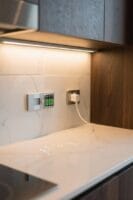
When considering LED strips for lighting solutions, understanding the concept of dimmability is important. Dimmable LED lights adjust brightness levels through various methods. Key dimming systems include TRIAC wall dimmers and PWM dimming. Compatibility between the LED strips and these dimmers is essential; using an incompatible dimmer may hinder performance. Dimmable LED strips require a suitable dimmable power supply that efficiently converts AC to DC voltage, typically at 12V or 24V, ensuring that dimming signals are interpreted correctly. This compatibility is crucial to prevent flickering or voltage drop issues affecting light intensity. Therefore, an informed choice regarding dimmable power supplies directly influences the functionality of the lighting setup, enhancing overall control over desired brightness levels. Most aluminum LED channels provide effective heat dissipation that helps maintain consistent dimming performance over time.
Key Differences Between Dimmable and Non-Dimmable LED Strips
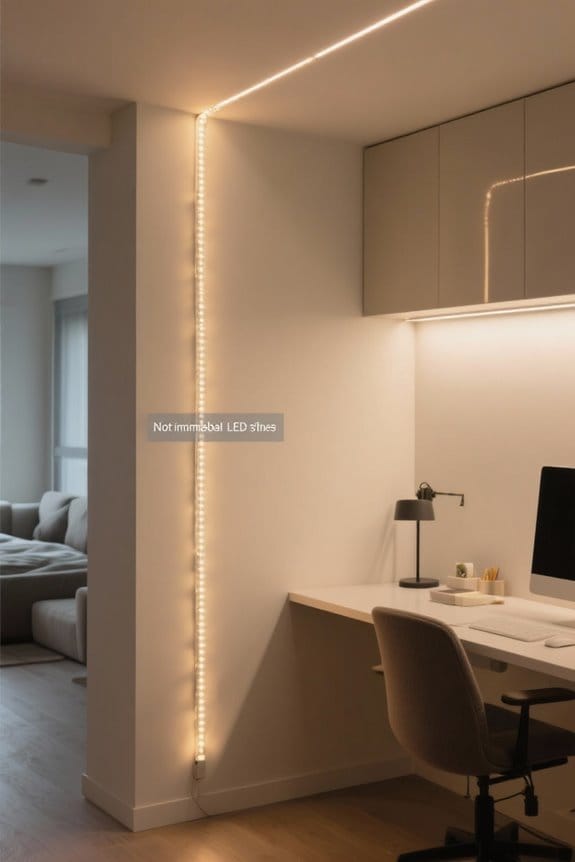
Dimmable and non-dimmable LED strips serve distinct purposes in lighting applications, each offering unique advantages tailored to specific needs. Dimmable LED strips feature advanced circuitry and require compatible dimmable drivers to enable adjustable brightness through a PWM dimmer. This versatility allows users to set mood lighting and enhance energy savings, especially at lower intensities. In contrast, non-dimmable LED strips maintain a fixed brightness level, making them suitable for environments requiring consistent illumination, such as warehouses. However, using a non-dimmable strip with a dimmer switch can result in unwanted flickering. Non-dimmable options may also lead to higher operational costs due to continued energy consumption, lacking the benefits of brightness adjustment inherent in their dimmable counterparts. Modern smart app controls provide advanced dimming capabilities with customizable brightness levels and timing functions for enhanced user convenience.
Recommended Products

Rugged, Reliable, Ready to Perform: This durable LED strip kit with rugged magnetic strips and a 50,000-hr lifespan delivers powerful, consistent lighting for shop, office, school, kitchen, garage, restaurant, retail, and commercial ceiling fixtures
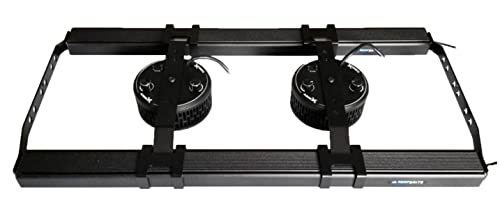
The Reef Brite 60" X Series Dual Strip LED Hybrid Kit maximizes the results from your LED fixture, with more even coverage and enhanced coloration. The X Series add-ons are designed to easily mount your favorite LED lights, such as Ecotech Radion, Kessil, and Aqua Illumination, and surround your primary fixture with a continuous strip of supplementary light along the length of your aquarium.

Complete Floor Heating Installation Kit: Includes a wifi led touch programmable thermostat electric floor heat thermostat, cable fixing strips for flexible installation, a 864 ft. premium dual-conductor floor warmer heating cable, two floor sensors, and a circuit tester
Dimming Methods for LED Strips
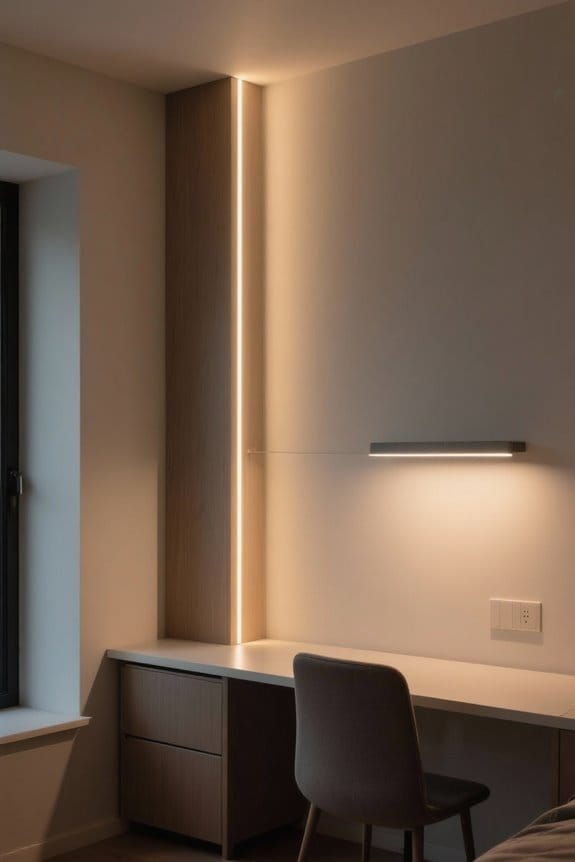
Understanding the various dimming methods for LED strips is essential for achieving ideal lighting control in any setting. Three primary dimming options include traditional TRIAC dimmers, which modify the AC signal but need careful compatibility with LED strips. Alternatively, DC PWM dimmers use Pulse Width Modulation technology, providing smooth and flicker-free brightness control, making them suitable for low-voltage scenarios. Effective dimming relies on the compatibility of the dimmer type, the LED strips, and the power supply utilized. TRIAC dimmable power supplies effectively convert standard 120V AC to 12/24V DC, facilitating seamless dimming with wall-mounted dimmers for consistent light output. Using a PWM dimmer simplifies installation by connecting directly to the power supply without extensive modifications. Popular dimmers like the Lutron Skylark LED+ offer over 150 adjustable lighting levels to create the perfect ambiance without flickering issues.
Recommended Products

【GROW TENT COMPLETE SYSTEM INCLUDES】FC1500 EVO Samsung LM301H EVO LED Grow Light, 32"x32"x63" grow tent, 4inch 205 CFM inline fan, Smart controller 43(No power adapter, powered directly by the Inline fan), carbon filter,25ft Ducting,6inch clip fan, grow room glasses,elastic trellis netting, 2pcs vent covers,3pcs stainless clamps,4pcs grow bags, pruning shear,2pcs corner shelf,2pcs rope hangers.

Attain the exact brightness control you want, ranging from 0% to 100% by utilizing compatible LED light dimmer switches and controllers (available separately)

Bright & Uniform Backlighting – No Hot Spots: Engineered with 320 high-density LEDs, each 19.7" × 9.8" led light sheet delivers 3600 lumens of smooth, consistent light. With a CRI of 90+, the natural veins and colors of your onyx, marble, or quartz countertops glow vibrantly without pixelation or hotspots.
Importance of Compatible LED Drivers
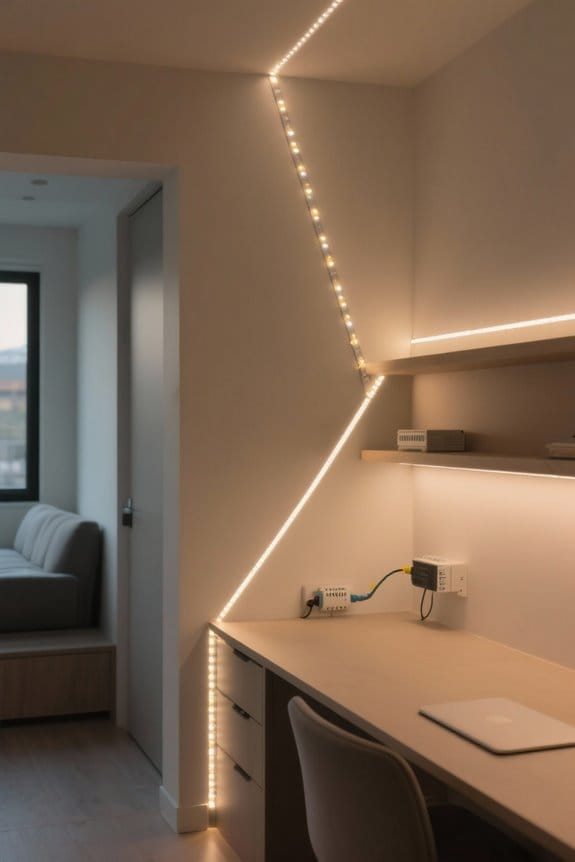
Selecting the correct LED driver is essential for peak performance and reliability of dimmable LED strips. Compatible LED drivers guarantee proper voltage regulation and shift from AC to DC, vital for ideal functionality. Dimmable LED drivers, such as magnetic or electronic types, enable smooth brightness adjustments via a compatible dimmer switch. Improper driver selection can lead to flickering, overheating, or reduced lifespan, hampering electrical circuitry performance. Quality dimmable drivers typically last around 50,000 hours and enhance energy efficiency by allowing reduced voltage for lower brightness. For performance enhancement, confirm the driver matches the dimming technology utilized. Adhering to these guidelines extends the lifespan of LED strips and minimizes potential safety hazards, making driver compatibility imperative for any installation. Modern LED strips offer stepless dimming capability from 10% to 100% brightness when paired with appropriate drivers.
Recommended Products

Sonneman Stix Contemporary Chandelier: Elevate your decor with the Sonneman Modern Lighting Stix 6-Arm LED Hanging Chandelier, featuring a contemporary design that adds a touch of sophistication to your kitchen island, dining room, or living room.

【Superior Illumination & Energy Savings】 Long-life LEDs with high-efficiency drivers deliver superior illumination with a high efficacy of 150 lm/w, reaching 7500 lumens and lasting over 50,000 hours. No bulb replacement is required. Plus, it can save up to 85% of electricity.
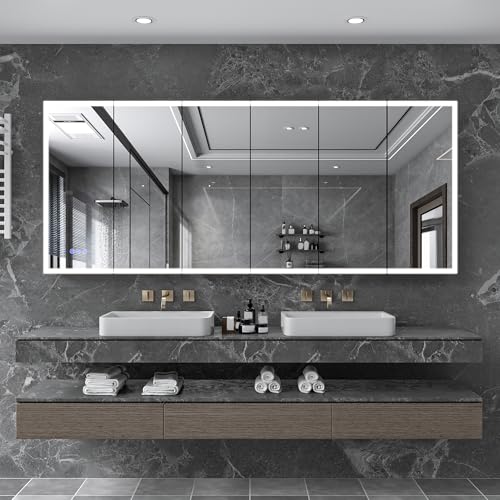
【LED Medicine Cabinet with Lights】The bathroom cabinet has a built-in sockets with USB ports, compatible with various appliances, including hair dryers. Features a 15A socket with 14AWG wire, complies with U.S. standards, waterproof, ensuring worry-free operation
Common Applications for Dimmable LED Strips
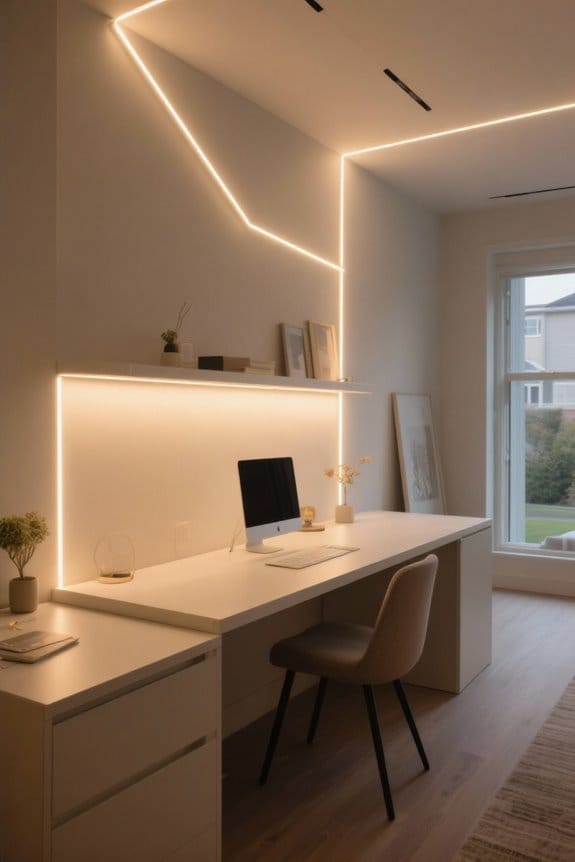
LED strips feature notable versatility in various settings, making them an ideal choice for many applications. Dimmable LED strips are commonly implemented in home theater setups, allowing users to fine-tune brightness for peak viewing experiences. In retail environments, adjustable lighting effectively highlights products, enhancing visual merchandising considerably. Hospitality settings also benefit greatly; custom lighting solutions create inviting atmospheres in restaurants, hotels, and bars. Additionally, these strips are perfect for accent lighting, expertly illuminating art displays or architectural features with flexibility. Outdoor applications harness variable illumination not only for security but also for aesthetic enhancement, ensuring safety while complementing contemporary landscapes. By understanding these common applications, users can harness the full potential of dimmable LED strips effectively. Modern LED solutions can achieve 700 lumens brightness for optimal task lighting in kitchen and workspace environments.
Recommended Products

LSF8 SERIES of ASD LED STRIPLIGHT FIXTURE WITH EMERGENCY BATTERY BACK-UP is the upgraded version of LSF7 LED Striplight by ASD. The light has a narrow, low-profile design. Durable commercial grade housing resistant to rust and impact along with an anti-glare PMMA lens provide many years of use. The fixture is designed to operate on 120-277V circuits with a 0-10V dimmable driver.

Gemini LED tape light output is 3W per foot with easy-to-setup seamless and scalable run lengths up to 24 feet.

ACHIEVE "LIQUID LIGHT" UNIFORMITY (No Dark Spots): Designed for the high-end stone fabrication. Our high-density matrix allows the led sheet to sit directly behind translucent Onyx, Quartz, or stained glass, creating a seamless, museum-quality 6000K cool white glow without the "dot effect" of traditional strips.
Frequently Asked Questions
Are All LED Strip Lights Dimmable?
Not all LED strip lighting is dimmable; it depends on dimmer compatibility and electronic drivers. For varying brightness levels, proper installation tips and circuit configurations are vital for energy efficiency and home automation integrations.
Is There a Difference Between Dimmable and Non-Dimmable LEDS?
Dimmable and non-dimmable LEDs differ greatly in compatibility factors and circuit requirements. Dimmable options enhance lighting flexibility through voltage variation and brightness control, catering to user preferences, while non-dimmable lights are limited to fixed brightness in specific application scenarios.
What Happens if You Use a Non-Dimmable LED With a Dimmer?
Using a non-dimmable LED with a dimmer causes LED performance issues such as flickering lights, voltage fluctuations, and overheating risks, leading to lifespan reduction, potential circuit overloads, installation concerns, and possible warranty voiding due to compatibility problems.
How Do I Tell if My LEDS Are Dimmable?
To discern if LED light features allow dimming, one must explore brightness levels, voltage requirements, and compatibility issues, while considering driver types and installation guidelines, ensuring ideal energy efficiency and appropriate color temperatures for desired lighting purposes.