As an Amazon Associate, we earn from qualifying purchases. Some links on this site are affiliate links at no extra cost to you. Our recommendations are based on thorough research and editorial judgment.

The Science Behind LED Light Efficiency

LED lights exemplify efficiency through their electroluminescent technology and semiconductor materials. Operating on low energy, they consume up to 90% less electricity than incandescent bulbs, converting up to 90% of electric energy into visible light. With lifespans reaching up to 50,000 hours, they outperform conventional options considerably. The specific semiconductor compositions, such as gallium nitride, dictate light color and quality. This information reveals the science driving LED efficiency, inviting further exploration into their advantages.
Key Takeaways
- LEDs convert up to 90% of electrical energy into visible light, drastically minimizing energy waste compared to incandescent bulbs.
- The use of semiconductors like gallium nitride enables efficient light emission through the recombination of electrons and holes.
- LEDs operate on electroluminescence, allowing solid-state design that enhances durability and longevity up to 50,000 hours.
- Energy bandgap in semiconductors determines the emitted wavelength, affecting color and efficiency of light production.
- Lower electricity consumption by LEDs can contribute to significant global energy savings, with projections exceeding 569 terawatt-hours by 2035.
Understanding the Basics of LED Lights
You may be interested

When exploring the fundamentals of LED lights, it is essential to understand their unique properties and functions. LEDs, or light-emitting diodes, operate based on electroluminescence, where electrical current flows through semiconductor materials. This process enables electrons to recombine with holes in the semiconductor, releasing energy as photons—light particles. LEDs boast remarkable energy efficiency, using up to 90% less energy than incandescent bulbs. Their lifespan extends up to 50,000 hours, dwarfing the mere 1,000 hours typical of incandescent counterparts. Moreover, LEDs emit minimal heat, enhancing safety and energy conservation compared to incandescent bulbs, which waste approximately 90% of energy as heat. Such efficiency and longevity make LEDs a superior choice for diverse lighting applications. Modern LED lights provide impressive brightness outputs of 500 to 1700 lumens while maintaining their exceptional energy efficiency ratings.
The Physics of Light Emitting Diodes
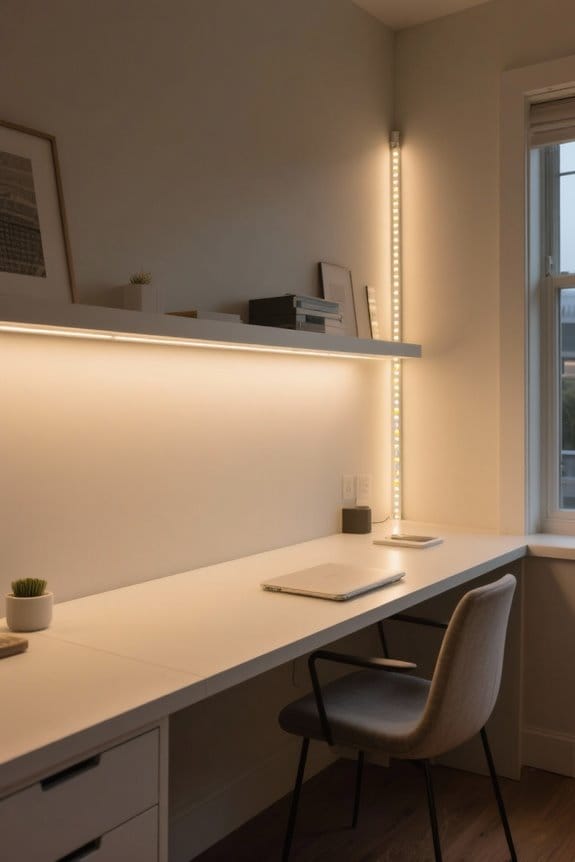
LEDs function based on electroluminescent principles, harnessing the properties of semiconductor materials to efficiently generate light. Light emitting diodes utilize a combination of p-type and n-type semiconductors that allow energized electrons to flow and recombine with holes. This recombination releases photons, creating visible light. Importantly, LED technology transforms up to 90% of electrical energy into light, greatly outperforming incandescent bulbs, which waste around 90% of energy as heat. The color of emitted light is determined by the energy bandgap of the semiconductor, enabling variations such as red, green, blue, and white. White LEDs are particularly versatile, formed by coating blue LEDs with phosphors, converting blue light into a balanced, energy-efficient lighting solution that is ideal for general illumination. The use of anodized aluminum channels helps protect LED strips while effectively diffusing light and minimizing glare in various lighting applications.
The Role of Semiconductors in LED Lights
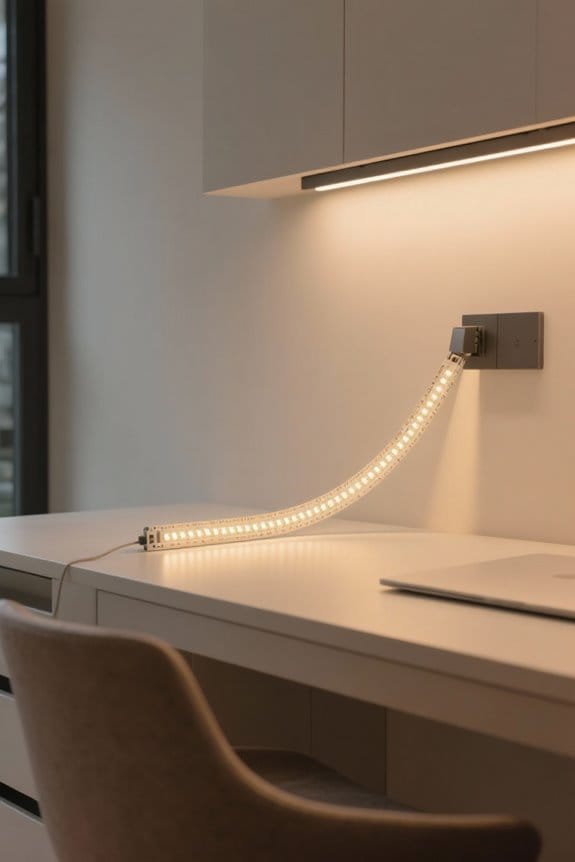
Semiconductors are the heart of LED lights, enabling efficient light production through precise electrical control. Made from materials such as gallium nitride (GaN) or aluminium gallium arsenide (AlGaAs), these semiconductors allow electrical current to flow in one direction, facilitating light emission through electroluminescence. In light-emitting diodes (LEDs), the p-type semiconductor contains positive holes, while the n-type semiconductor consists of negative electrons. When these charged particles recombine, they generate photons, producing visible light. Importantly, the energy bandgap of the semiconductor material dictates the emitted light’s wavelength and color. This technology maximizes energy efficiency, with modern LEDs achieving efficiencies of up to 90%, transforming electrical energy into visible light rather than heat, unlike traditional incandescent bulbs. This remarkable efficiency translates to 70% energy savings compared to traditional fluorescent lighting options in practical applications.
Recommended Products

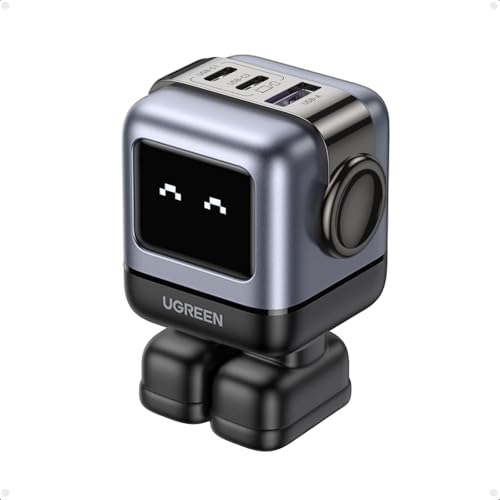
UGREEN Uno charger: UGREEN creative series charger, robot shape, LED screen, showing different interesting expressions according to different charging status. Its feet are magnetic and can be stuck on the refrigerator or computer without getting lost( Note: The expression will only appear when the power is on)

【HD Pixel-Art Screen】 Show limitless personality on the 128*128 LED display. Draw animated art in the DIVOOM app or apply millions of community creations—retro game icons, pets, holiday graphics. Screen lights only when the charger is plugged in
Energy Consumption of LED Lights
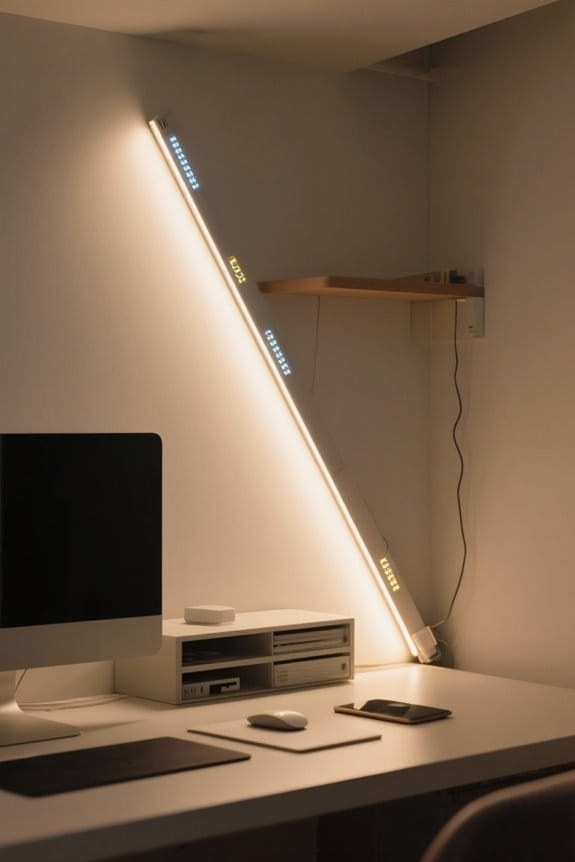
The remarkable efficiency of LED lighting directly impacts energy consumption, making it a superior choice for modern lighting needs. LEDs consume up to 80% less electricity compared to traditional incandescent bulbs, enhancing energy savings considerably. By efficiently converting up to 90% of electrical energy into light, they minimize energy wastage through effective thermal management. As of now, over 50% of the global market opts for LED lighting solutions, reflecting a strong trend towards energy-efficient technology. Anticipated annual energy savings from widespread LED use could surpass 569 terawatt-hours by 2035, equivalent to over 92 large power plants. This shift not only lowers electricity consumption but also contributes to a reduced carbon footprint, making them an ideal choice for environmentally-conscious consumers. The Color Rendering Index ratings above 80 ensure optimal visual comfort while maintaining their superior energy efficiency.
Recommended Products
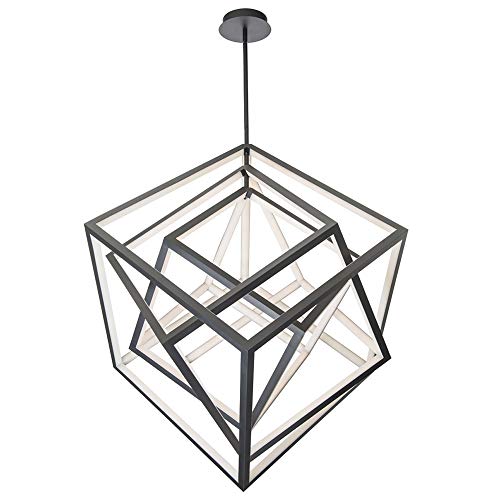
Cubes rotate independently for creative display options. Stack all three cubes in the same direction for a stunning 3D cubed effect, or adjust independently for your own creative design.

SPACIOUS SIZE: Measuring 47 inches in diameter and 51 inches in height, this oversized fixture is nice for high ceilings and expansive open areas. Its impressive scale creates a dramatic and inviting atmosphere, elevating your home’s interior style effortlessly

3000K/3500K/4000K/5000K/6500K Adjustable Before Installation - No worry about ordering incorrect color temperature, each of our 2x4 LED light drop ceilings has a color switch on the driver box that you can adjust 5 CCT before installing.
Lifespan and Durability of LED Lights
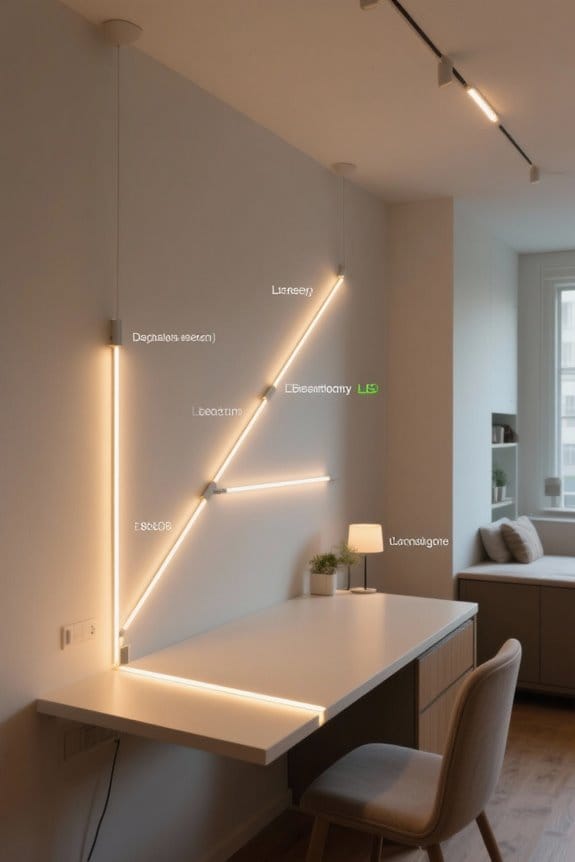
Lighting solutions have evolved considerably with the introduction of modern LED technology, which offers an impressive lifespan of up to 50,000 hours. This is markedly longer than traditional bulbs that last around 1,000 hours. The durability of LED lights stems from their solid-state design, making them resistant to shocks and temperature fluctuations. Consider how this durability results in fewer bulb replacements, which lowers waste and promotes environmental sustainability. Additionally, LEDs experience lumen depreciation; they gradually lose brightness over time instead of burning out suddenly. This guarantees that they maintain a useful light output for extended periods. Moreover, their ability to withstand harsh conditions makes LEDs ideal for diverse applications where traditional bulbs would likely fail. The IP65 waterproof rating of many LED options ensures reliable performance even in challenging outdoor environments and severe weather conditions.
Recommended Products
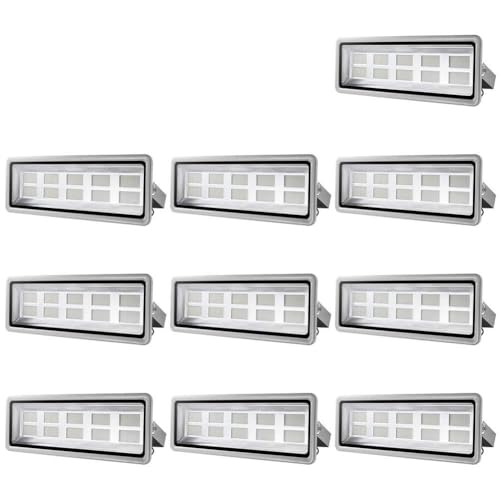
【Super Bright】: High quality outdoor security work lights,110V,1000W 800000 lumens output,120°wide beam angle.Comparing with traditional lights,the LED flood lights energy saving up to 70%,save your money and replacement time!

Super Long Service Time: With an astonishing life rating between 30,000 to 50,000 hours, no maintenance required - just install it and enjoy bright, consistent light for many years.

✅[ 400W Commercial Grade LED Flood Light ] - This is a 400W LED LED shoebox parking lot Light with an input voltage of 277-480V. It's 400W, super bright 5000K daylight, Equivalent 1500W, 60000 lumens, CRI > 85, TYPEⅢ beam angle. IP65 rated waterproof, suitable for outdoor using during rain, sandstorm, snowstorm, harsh weather conditions.
Practical Applications of LED Lights
While exploring practical applications, it becomes evident that LED lights are transforming the landscape of both residential and commercial environments. These energy-efficient lighting solutions excel in general illumination, accent lighting, and task lighting, greatly enhancing functionality. In public spaces, LEDs provide robust applications, particularly in streetlights and park lighting, yielding considerable energy savings. The durability of LEDs makes them suitable for outdoor and industrial environments, withstanding harsh conditions without sacrificing performance. Additionally, LEDs are increasingly integrated into smart lighting systems within residential sectors, allowing customizable settings that enhance user comfort. In the medical field, focused LED lights improve visibility during procedures, ensuring both safety and efficiency. Collectively, these applications reflect LEDs’ versatility and sustainable benefits across diverse environments. Modern LED fixtures demonstrate remarkable longevity with 50,000 hour lifespan, making them an exceptionally reliable choice for long-term lighting solutions.
Recommended Products

The 1 Horse Power Amherst Fountain adds beauty to your water feature while contributing to a healthy aquatic environment through oxygen transfer and water circulation. This Amherst Fountain comes with a 10 gauge submersible electric power cord with 100ft length. 115-volt model (11.5 amps,1,094 watts, 60 Hz, single phase).

Submersible Pump Controller

The DA-20 Display Aerator Is the Work Horse of the Scott Aerator Product Line, Forcefully Moving 600 Gallons of Water per Minute in a Cascading, Funnel Shaped Pattern. Flow Rates Like the Ones the DA-20 Produces Clears Most Surface Debris From a Pond While Maintaining Clean and Clear Water. All While Adding a Large Amount of Oxygen to the Pond. The DA-20 Lines Are Fantastic Lake Aerators.
The Environmental Impact of LED Lights
Understanding the environmental impact of LED lights reveals their significant advantages over traditional lighting options. LED lighting solutions offer up to 80% energy efficiency compared to traditional incandescent bulbs, dramatically reducing electricity consumption. This reduction leads to a lower carbon footprint, substantially decreasing greenhouse gas emissions during electricity generation. The impressive lifespan of LEDs, reaching up to 25,000 hours, encourages waste reduction by minimizing the frequency of bulb replacements. Additionally, because LED technology operates at cooler temperatures, it lowers cooling costs in buildings, further enhancing energy efficiency. The potential for annual energy savings may exceed 569 TWh by 2035, representing the output of over 92 1,000 MW power plants. These factors collectively highlight the profound environmental impact of adopting LED lights. With an average lifespan of 50,000 hours, LED strip lights demonstrate remarkable durability while maintaining their energy-efficient performance throughout their extended lifetime.
Waste Management and Recycling of LED Lights
Appropriate handling of LED lights at the end of their life is critical for minimizing environmental impact. Unlike traditional bulbs, LEDs pose unique disposal challenges due to their complex composition, which includes rare earth metals and semiconductors. Effective waste management practices include encouraging recycling initiatives that focus on material recovery, thereby supporting a circular economy. Engaging in responsible recycling mitigates environmental risks linked to improper disposal, reducing landfill waste while decreasing greenhouse gas emissions. This proactive approach can lead to significant energy savings, reinforcing the environmental advantages of using LED technology. Individuals and manufacturers alike must prioritize end-of-life options for LED lights to fully capture these benefits and fulfill their responsibility towards sustainable practices. Modern LED lighting technology delivers over 80 lumens per watt, making proper disposal even more crucial for preserving these energy-efficient components.
Recommended Products

The most beautiful composter in the world. Produces solid and liquid compost.

EFFICIENT WASTE REDUCTION: Converts food waste into nutrient-rich soil amendment in just hours, perfect for eco-conscious households.
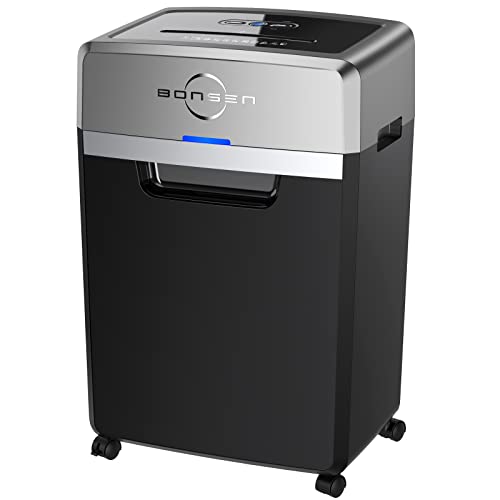
24-Sheet Shredding Capacity: BONSEN heavy duty paper shredder for office shreds up to 24 sheets of paper (letter size, 20 pound) at a time; Also shreds CDs, staples, clips, credit cards, junk mail to protect your sensitive information
Frequently Asked Questions
What Makes LED Lights so Efficient?
LED lights shine brightly due to their exceptional energy conversion and diode technology. By minimizing heat dissipation and optimizing material composition, they achieve remarkable luminous efficacy, reduced power consumption, and improved color rendering, ensuring lasting environmental benefits and longevity factors.
How Many LEDS Equal a 60 Watt Bulb?
Typically, eight to ten LED bulbs can equal a 60-watt incandescent bulb in brightness output, providing significant cost savings, reduced energy consumption, and longer bulb lifespan while being compatible with various fixtures and minimizing environmental impact.
What Is the Science Behind LED Lights?
The science behind LED lights involves photonic emissions through diode construction, effective energy conversion, and careful thermal management. Variations in light spectrum and wavelength effects influence color rendering, while luminaire design addresses voltage requirements and power factor.
Do LEDS Really Last 50,000 Hours?
Like a candle flickering softly in the night, LEDs can indeed last up to 50,000 hours. Their longevity factors include heat dissipation, yet real-world performance depends on usage patterns, affecting brightness degradation and aligning with manufacturer claims and warranty agreements.