As an Amazon Associate, we earn from qualifying purchases. Some links on this site are affiliate links at no extra cost to you. Our recommendations are based on thorough research and editorial judgment.


How Smart LED Controls Work in Modern Kitchens

Smart LED controls in modern kitchens provide enhanced lighting solutions. Users can adjust brightness and color temperature remotely, optimizing illumination for different tasks. Integration with voice assistants allows for hands-free operation. Energy-efficient smart LEDs consume up to 80% less energy than traditional bulbs. Features like scheduling and motion sensors guarantee lights activate when needed, conserving energy. With customizable scenes, ambient lighting transforms from bright white for cooking to warm tones for dining. Discover further insights into these advanced lighting systems.
Key Takeaways
- Smart LED controls utilize mobile apps and voice commands for easy adjustment of brightness and color temperature in the kitchen.
- Automation features, including motion sensors, activate lighting automatically for convenience while conserving energy.
- Users can create customized lighting scenes to enhance functionality for cooking, dining, or relaxation activities.
- Scheduling options allow users to set lights to turn on and off at specific times, optimizing energy usage throughout the day.
- With up to 50,000 hours of lifespan, smart LED fixtures reduce maintenance needs while providing long-term efficiency and savings.
The Rise of Smart Technology in Kitchen Lighting
You may be interested


In modern kitchen design, smart technology has become an essential element in enhancing lighting control. Smart lighting systems utilize smart LED fixtures, enabling users to adjust illumination via mobile apps or voice commands. These features increase convenience and accessibility, making kitchen tasks more efficient. With energy efficiency in mind, smart LED lighting can reduce energy consumption by up to 80% compared to traditional options. Users can create ambient lighting suitable for various activities through customizable color temperatures, ranging from warm tones for dining to cooler shades for cooking. Additionally, real-time monitoring of energy usage offers insights for optimizing kitchen lighting, promoting sustainability and cost savings. Implementing smart technology in kitchen lighting is a powerful strategy for modern homeowners. Popular options like the GE Cync fixtures can be linked with up to 10 units for synchronized operation throughout the kitchen space.
Key Features of Smart LED Controls

While considering the essential features of smart LED controls, homeowners should recognize how these systems elevate kitchen functionality. Smart lights allow users to adjust the brightness and color temperature remotely, creating tailored lighting experiences. The integration of voice assistants, such as Amazon Alexa, enhances convenience, enabling hands-free operation while cooking. Users can also benefit from customizable scenes, which can be designed for specific activities like entertaining or dining. Additionally, these smart features promote energy efficiency by permitting homeowners to schedule their lighting, reducing unnecessary usage. With energy usage data available, individuals can monitor consumption patterns, ultimately leading to savings on energy bills. Many of these LED fixtures provide up to 50,000 hours of continuous operation before requiring replacement. Embrace these advancements to transform your kitchen into a modern, efficient space.
Recommended Products

MAXIMIZE STORAGE & ORGANIZATION – 72 cu. ft. of flexible space with 9 adjustable shelves let you easily organize, store, and access high-volume ingredients. Interior lighting shows contents clearly and features a separate light switch.

CASUAL COASTAL / MODERN FARMHOUSE: Boasting a sleek, pewter finish - the Prominence Home Reston ceiling fan elevates your adds a flair that is both inspired and current. Having a blade span of 42 inches, this modern ceiling fan is perfect for medium sized rooms such as bedrooms, dining rooms, dens, and much, much more!

Automation and Scheduling for Optimal Lighting

Ideal lighting in a modern kitchen greatly benefits from effective automation and scheduling. Smart LED controls allow users to establish lighting schedules that correspond with daily routines, enhancing kitchen functionality. For instance, lights can be programmed to illuminate at 6 PM for meal preparation, conserving energy when not in use. Automation features, such as motion sensors, guarantee lights activate as soon as someone enters the kitchen, optimizing energy usage and markedly reducing costs. Additionally, these systems may integrate with mobile apps, offering remote access. This enables users to adjust their lighting from anywhere, providing total control over the kitchen environment. Smart lighting solutions empower homeowners to maintain an energy-efficient, welcoming space tailored to their unique schedules and needs. Modern LED systems with energy efficient design can reduce power consumption by up to 80% compared to traditional lighting options.
Recommended Products
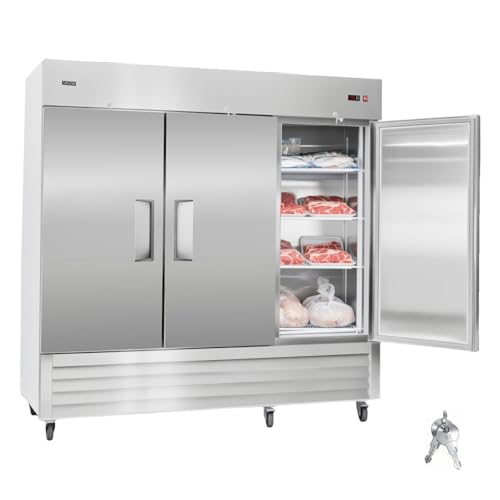
Rapid Freshness Lock: This commercial freezer combines efficient freezing with a digital temperature display, ensuring food stays fresh while saving energy. Fast freezing at -11℉ to 14℉ (-22℃ to -10℃) with smart digital controls for versatile storage

【Perfect companion for wine】Ca'Lefort Wine Fridge 15.12 cu.ft capacity holds at least 155 bottles of wine (standard 750ml). The minimum temperature is 40°F, with the smart digital panel, you can adjust the temperature accurately by 1°F. The hardness, eco-friendly and durable removable shelves (made of sapele wood) make it easy to access the red wines, and by adjusting the shelves, you can place different sizes of red wines. You can choose the amber/blue/white LED according to different moods.

【Perfect companion for wine】15.12 cu.ft capacity holds at least 185 Can(standard 12oz/330ml)+77 Bottle(standard 750ml) . The minimum temperature is 40°F, with the smart digital panel, you can adjust the temperature accurately by 1°F. The hardness, eco-friendly and durable removable shelves (made of sapele wood) make it easy to access the red wines, and by adjusting the shelves, you can place different sizes of red wines. You can choose the amber/blue/white LED according to different moods.
Customizing Lighting Scenes for Various Activities

Customizing lighting scenes in a kitchen not only enhances the aesthetic but also greatly improves functionality. Smart kitchens increasingly utilize customizable scenes tailored for specific activities. For instance, bright white light is ideal for task lighting during food preparation, typically set between 3000K to 5000K. Conversely, warm light creates a cozy atmosphere for dining, often around 2700K. Users can program smart lighting systems to seamlessly adjust brightness based on preset scenes, enhancing usability. Voice assistants simplify operation, enabling users to activate these scenes hands-free while multitasking. Schedule features can automate shifts between lighting settings, synchronizing with other smart devices, which is essential for events like dinner parties or family breakfasts. This optimization promotes a cohesive kitchen experience. Modern LED fixtures offer stepless dimming capabilities from 10% to 100% brightness, allowing precise control over task and ambient lighting needs.
Recommended Products

SURFACE-MOUNT & CORNER PROTECTION; This AIKVSXER 1x4 LED flat panel light adopts surface-mount installation, no need for drywall cutting like flush mount recessed lights. Reinforced corners avoid damage during transport, ultra-thin design supports 120-277V wide voltage.

Smart App & Wireless Control:The LED Flat Panel Light offer flexible lighting control via the app and 2.4G wall switch. Easily adjust brightness, color temperature, and night light modes at any time. The built-in memory function automatically saves your preferred settings for added convenience

High Brightness & Energy Saving: This 50W 2x2 LED flat panel light delivers 5500 lumens while saving up to 80% on energy. With 110 lm/W efficiency and 120–277V compatibility, it delivers consistent, flicker-free light for both residential and commercial applications
Energy Efficiency and Cost Savings With Smart Lighting

Smart lighting systems offer significant energy efficiency and cost savings, making them a valuable addition to any modern kitchen. Utilizing smart LED lighting can reduce energy consumption by up to 80% compared to traditional incandescent bulbs, which markedly lowers monthly energy bills. Implement automatic scheduling features to turn off lights when not in use, optimizing energy usage and enhancing cost savings. With a lifespan of up to 50,000 hours, smart LED bulbs require fewer replacements, minimizing waste. Integrated sensors can detect movement to adjust lighting only when needed, further improving energy efficiency. Additionally, the capability to adjust brightness and color temperature allows users to tailor lighting for different activities, fostering additional savings and efficiency in everyday kitchen tasks. Motion sensor options can detect movement within a 120-degree angle up to 16 feet away, ensuring lights activate only when someone enters the kitchen space.
Integration With Smart Home Systems
Modern kitchens greatly benefit from the integration of smart lighting controls with advanced home automation systems. These systems, such as Amazon Alexa, Google Assistant, and Apple HomeKit, facilitate voice-activated lighting commands for instant adjustments. With Wi-Fi or Zigbee connectivity, users can employ remote control via smartphones for lighting management, even when away from home. Programmable settings allow for lights to turn on or off at specific times, enhancing convenience and energy efficiency. Users can easily create customized lighting scenes for activities like cooking or dining, enhancing the overall kitchen experience. In addition, integration with home security can activate lights to mimic occupancy, effectively deterring intruders. This tech-savvy approach markedly elevates kitchen functionality and safety. Many smart LED systems offer color temperature control ranging from warm 2700K to cool 6500K, allowing users to match lighting to different times of day.
Choosing the Right Smart LED Products for Your Kitchen
When selecting LED products for kitchen lighting, it is essential to contemplate several factors to ascertain ideal functionality and ambiance. First, confirm compatibility with existing smart home systems like Amazon Alexa or Google Assistant for seamless control. Choose energy-efficient smart LED fixtures that can reduce energy consumption by up to 80% compared to traditional bulbs, thereby lowering utility bills. Opt for products with customizable color temperature options, ranging from 2,500K (warm light) to 6,500K (cool daylight), suitable for various kitchen activities. Additionally, select smart LED solutions with a high Color Rendering Index (CRI) above 90 for superior color accuracy. Finally, prioritize options with adjustable brightness to accommodate focused cooking or relaxed dining atmospheres for a truly modern kitchen experience. Consider installing fixtures with motion detection features that can automatically illuminate countertops when movement is detected within 10 feet, enhancing both convenience and energy savings.
Recommended Products

Powerful Cooling Performance: Built with dual 25 HP Panasonic compressors, this air cooled water chiller delivers a 60,480 Kcal/h cooling capacity with easy maintenance and long service life. Note: Designed for water cooling, not air conditioning

EASY ENTRY SECURITY: Low entry threshold, a built-in safe-reach grab bar, and slip-resistant flooring help reduce slips while stepping in and out. ADA-compliant seating supports a secure, upright position so users maintain stability with confidence.

GORGEOUS DISPLAY REFRIGERATOR – This beautiful 3-door merchandiser refrigerator will bring the Kool to your store, perfect for displaying drinks, prepared foods, salads, groceries, and fresh flowers
Installation Tips for Smart LED Controls
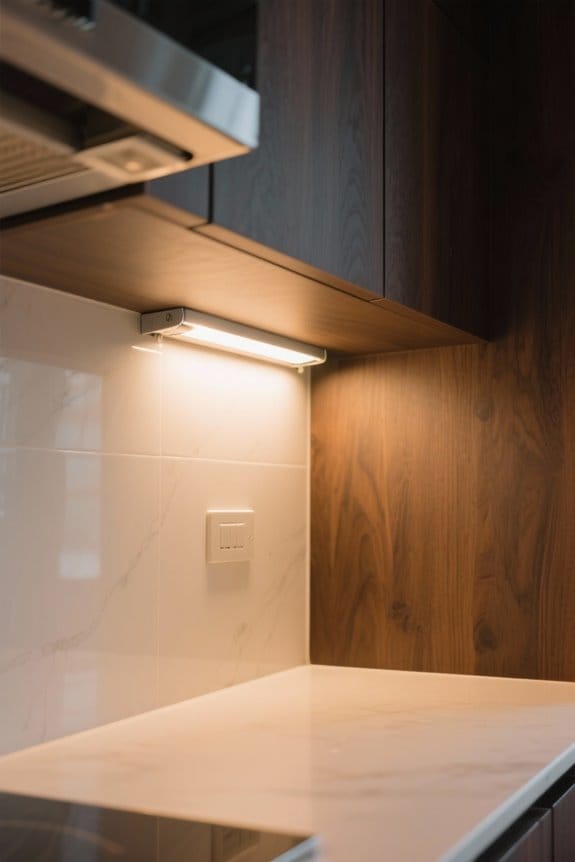
Successful installation of smart LED controls requires careful planning and the right tools to guarantee functionality and safety. First, gather necessary tools such as screwdrivers, mounting brackets, and wires. Following the manufacturer’s instructions is essential for correct wiring and configuration of smart LED controls. This adherence minimizes potential malfunctions. Additionally, verify compatibility between these smart devices and your existing home automation system, which is critical for seamless integration and ideal functionality. Consider incorporating under-cabinet lights for enhanced kitchen lighting. After installation, test the system thoroughly, confirming all features—including app and voice command functions—operate correctly. For complex installations, consulting with lighting experts can provide valuable insights for achieving ideal results in both aesthetics and functionality. Popular options like COB LED strips offer adjustable color temperatures from 2700K to 6500K for versatile lighting applications.
Recommended Products
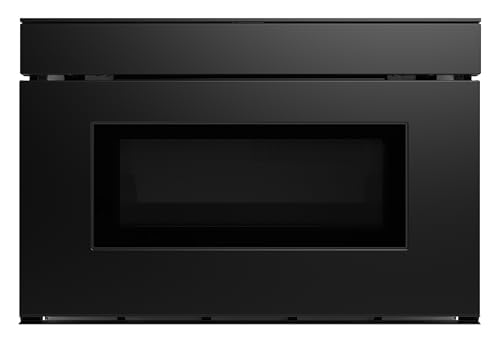
SMART FEATURES: Works with Alexa for hands-free operation using 35+ voice commands through the Amazon Alexa app or Echo devices, plus Sharp Kitchen mobile app connectivity

Extreme Airflow Performance: Six 72" aluminum airfoils deliver 12,705 CFM of cooling—perfect for large patios, decks, and outdoor kitchens that need powerful, even air circulation
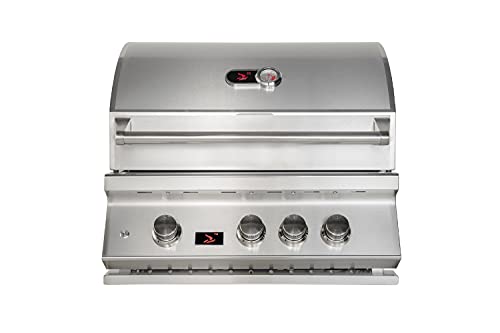
Stainless steel removable drip pan for easy cleaning
Maintenance and Troubleshooting of Smart Lighting Systems
Smart LED controls require ongoing maintenance and troubleshooting to guarantee peak performance over time. Regularly check for software updates to implement necessary performance enhancements and bug fixes. If a smart lighting system, such as a bulb or strip, isn’t responding, verify the network connection and confirm the Wi-Fi signal is strong in that area. For best brightness, dust and clean fixtures periodically, as debris might hinder light output. Should issues arise, reset the device following the manufacturer’s instructions, typically involving multiple power cycles. Finally, document configurations during installation to allow for swift restoration if problems occur during maintenance or updates. These steps will guarantee a reliable smart lighting experience in any modern kitchen. Dimmable LED features can help extend system lifespan while providing customized lighting levels for different tasks and moods.
The Future of Smart LED Lighting in Kitchens
As technology continues to advance, the future of LED lighting in kitchens promises to revolutionize how spaces are illuminated. Smart LED systems will incorporate AI and machine learning for personalized lighting, adapting to individual habits over time. Versatile features will combine energy efficiency with automation, allowing lights to control temperature and detect room occupancy for peak energy usage. Imagine controlling your kitchen lighting using a single app or voice command—interoperability among devices will make this a reality. With expanding IoT technology, smart LEDs will synchronize with kitchen appliances, enhancing meal prep efficiency. These innovations will guarantee that smart LEDs consume less power while providing high luminosity, promoting eco-friendly practices and significant savings on energy bills. Modern solutions like music sync features enable dynamic lighting that responds to audio in real-time, creating immersive kitchen environments perfect for entertaining.
Frequently Asked Questions
What Are the Disadvantages of Smart LED Lighting?
Smart LED lighting presents cost concerns, installation issues, compatibility problems, connectivity hurdles, and security risks. Users may face performance inconsistencies and increased energy consumption, which can deter potential adopters from fully embracing this modern technology.
How Do Smart LED Lights Work?
Smart lighting technology operates via wireless communication, enabling voice activation and automation features. With adjustable color temperatures, it promotes energy efficiency, while its installation process offers cost savings through reduced energy consumption and longer lifespans.
What Is the Best LED Setting for a Kitchen?
The best LED setting for a kitchen balances color temperature between 3,000 K and 4,000 K, provides effective task lighting, incorporates dimming options, and enhances energy efficiency while supporting desired design aesthetics and kitchen ambiance.
How Do LED Remote Controls Work?
How do LED remote controls enhance lighting experiences? Leveraging LED technology basics, they utilize wireless communication protocols to offer features like color customization, energy efficiency benefits, and intuitive user interface design, while steering through potential compatibility issues seamlessly.