As an Amazon Associate, we earn from qualifying purchases. Some links on this site are affiliate links at no extra cost to you. Our recommendations are based on thorough research and editorial judgment.


Why LED Lights Stay On When Switched Off

LED lights may remain glowing after being switched off due to residual electrical current, typically ranging from 5% to 10% of their full brightness. This afterglow occurs because capacitors within LED drivers store energy, which slowly dissipates. Additionally, improper wiring and sensitive dimmer switches can facilitate leakage currents, enabling this phenomenon. Understanding the role of wiring and driver quality can help address this issue effectively. More insights on troubleshooting and solutions are available for those interested.
Key Takeaways
- LED afterglow occurs due to residual electrical currents, causing lights to faintly glow even when switched off.
- Leakage currents can maintain up to 10% of an LED bulb’s brightness after power is cut.
- Poorly designed dimmer switches contribute to afterglow by allowing unintended electrical flow.
- Capacitors in LED drivers store energy; when power is turned off, this energy can still emit light.
- Inadequate wiring or the lack of dedicated neutral wires prevents effective power cut-off, leading to ghosting effects.
Understanding LED Lighting Technology
You may be interested



Understanding LED lighting technology begins with the fundamental principles of how LEDs operate. LEDs utilize semiconducting materials, which can emit light even when minimal residual electrical current passes through them. This phenomenon contributes to the afterglow effect observed in certain circumstances. Capacitors within LED drivers store energy, allowing for continued light emission after the switch is turned off. Furthermore, ghosting phenomena arise from incidental capacitive coupling and leakage currents, often from nearby wiring. Optical design elements, such as luminescent layers, facilitate the storage and slow release of energy. It is essential to choose higher-quality LED drivers, as they effectively manage the discharge rate of stored energy, greatly reducing instances of unwanted light when the bulb is not actively powered. Triac dimming technology provides smooth light adjustments while minimizing residual current issues that can cause LED afterglow.
Common Reasons for LED Afterglow
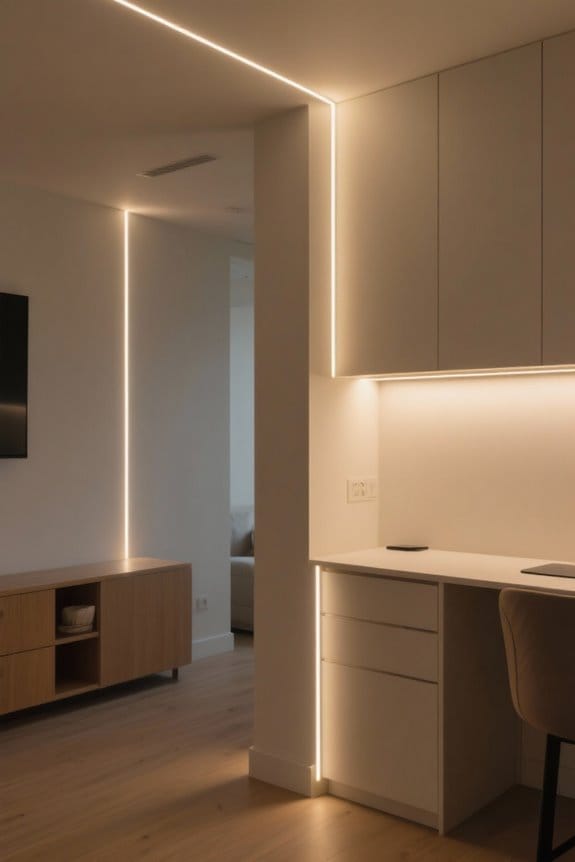
LED afterglow can often perplex those who expect complete darkness when a light is switched off. This phenomenon arises primarily due to residual electrical current. Poorly designed dimmer switches and improper wiring can enable leakage currents, resulting in a faint glow from the LEDs. Additionally, inductive coupling from adjacent wires allows minimal voltage to inadvertently move between circuits, further contributing to the afterglow. Low-quality LED drivers frequently fail to fully eliminate power, allowing lingering energy to keep the lights partially illuminated. Importantly, LED lights exhibit a higher sensitivity to residual current compared to traditional incandescent bulbs, making the afterglow phenomenon more noticeable. Understanding these causes can help in addressing unwanted LED afterglow effectively. Modern smart app control options can help minimize afterglow issues by providing more precise power management capabilities.
Residual Current in Electrical Circuits

Residual current in electrical circuits plays a pivotal role in understanding why certain LED lights may glow faintly after being switched off. This residual current, often a byproduct of poor wiring, allows low currents to persist in the circuit. Older systems may fail to achieve a complete power cut-off, resulting in illuminated LED lights. Additionally, electronic switches, such as dimmers, can create minor leakage currents, which contribute to this phenomenon. These weak currents are enough to produce afterglow effects in sensitive LED technology. To mitigate these issues, guarantee proper installation and quality components are used in your electrical circuits. Evaluating your wiring and switch types can considerably eliminate unwanted glowing LEDs, enhancing energy efficiency and safety. Modern LED lighting solutions can achieve up to 70% energy savings compared to traditional fluorescent lights when properly installed.
Recommended Products

High brightness lighting:professional level experienc;The stadium floodlights use a 600 watt high-power LED light source to ensure uniform and bright lighting in every corner of the stadium, meeting the lighting needs of professional sports events and daily training

This bulb has an easy slide lever to hide, reveal and dim light making it permissible to use on Shabbat. This LED light bulb produces a Warm White illumination like the classic bulb

EZDim Product - First LED Driver + In-Wall Dimmer Switch in one unit, Simplifies LED installation by eliminating compatibility issues between driver and dimmer; Fits in a standard recessed electrical box
Role of Capacitors in LED Bulbs
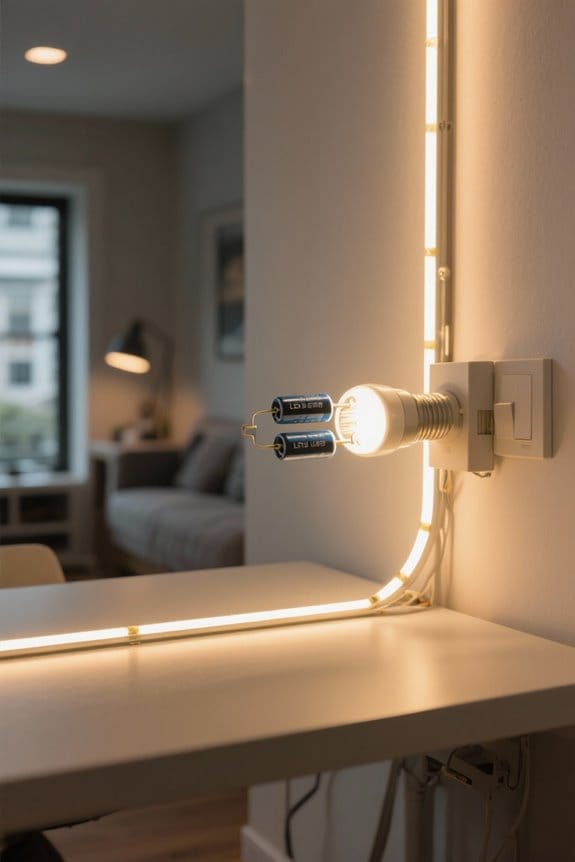
Capacitors play a significant role in the performance of LED bulbs, particularly concerning energy retention and light emission. These components store residual electrical energy that can lead to a faint afterglow when the bulb is switched off. This afterglow can last from a few seconds to several minutes, depending on the charge stored. Dimming switches often utilize pulse-width modulation, which may increase capacitor energy retention, thereby exacerbating unwanted afterglow. Poorly designed LED drivers may fail to effectively discharge this energy, prolonging light emission. To mitigate this issue, proper installation of high-quality components, such as bypass capacitors, is essential. These components can dissipate excess voltage, reducing unwanted afterglow and ensuring efficient performance of LED bulbs. Modern Energy Star LED lights demonstrate superior energy efficiency by consuming 75% less power than traditional bulbs while maintaining optimal capacitor performance.
Recommended Products

Low Energy High Brightness: Outstanding 145 LM/W provides 43500 lumen output. The LED module is a perfect replacement for 1300W traditional light, brighter and more than 90% energy saving.80+ CRI 5000K daylight for outdoor large area lighting

【Efficiency & Brightness】The parking light retrofit kit efficiency is up to 140lm/w which means 240W can output 33,600LM, greater area coverage for outdoor area lighting needs. 5000K color temperature of lighting is a nice choice for street light illumination. LED area light CRI is over 80

Low Energy High Brightness: Outstanding 145 LM/W provides 34800 lumen output. The 480V LED module is a perfect replacement for 1000W traditional light, brighter and more than 90% energy saving.80+ CRI 5000K daylight for outdoor large area lighting
Issues With LED Drivers

How does the quality of an LED driver affect the performance of lighting systems? The issues with LED drivers directly impact lighting efficiency. Poor-quality drivers often fail to manage the electrical current adequately, leading to unwanted afterglow phenomena. This occurs due to insufficient drainage of residual energy, causing low voltage conditions that contribute to LED Ghosting. If drivers are not designed specifically for LEDs, they struggle to handle these unique specifications, exacerbating residual lighting issues. Upgrading to certified LED drivers enhances system performance by guaranteeing effective energy drainage, minimizing flicker, and eliminating afterglow. Choosing high-quality drivers assures excellent operation and reliability. Regularly evaluate driver quality to verify consistent lighting performance and avoid disruptions in illumination. Modern LED lighting systems can reduce energy consumption by up to 90% compared to traditional bulbs while maintaining optimal illumination levels.
Importance of Wiring and Grounding
Proper wiring and grounding play an essential role in the performance and reliability of LED lighting systems. Proper wiring guarantees that the electrical circuit is correctly connected, effectively cutting off power to prevent LED afterglow. Grounding is critical for directing stray voltages safely away, reducing ghosting effects caused by induced currents. Inadequate or outdated wiring can create unintended pathways for electricity, allowing small currents to flow when switches are off. The absence of a dedicated neutral wire often leads to inefficient power management and increases the risk of residual current. It is fundamental to confirm that wiring adheres to safety codes and is maintained properly, enhancing both safety and overall functionality of electrical systems. For optimal performance and safety, periodic wiring checks should be conducted as part of regular maintenance routines, just as with kitchen island lighting installations.
Induction and Ghost Voltage
Electromagnetic induction can greatly impact LED lighting systems, leading to the phenomenon known as ghost voltage. This occurs when nearby electrical wires create small electromagnetic fields, inducing unintended voltage. When bundled tightly, these electrical wires generate residual currents, which can induce faint illumination in LED lights.
LED bulbs, being highly sensitive, can respond to even minimal levels of electrical energy, illuminating slightly despite being switched off. This ghost voltage commonly manifests as a soft glow, often noticeable in energy-efficient LEDs. Understanding the role of electromagnetic interference through induction is important for diagnosing this issue. Maintaining appropriate distance between electrical wires is essential to minimize induction effects, thereby mitigating ghost voltage in lighting systems. Modern 12 volt LED lights provide significant energy savings while being particularly susceptible to ghost voltage effects.
Practical Solutions to Stop LED Glowing
Residual glowing in LED lights can be a frustrating issue for homeowners and commercial property managers alike. One effective solution involves replacing dimmer switches with LED-compatible models, which can considerably reduce or eliminate residual current. Additionally, installing a bypass capacitor across each LED bulb dissipates excess voltage and helps prevent afterglow. Ensuring dedicated neutral wires in your wiring system can cut off all electrical flow, thereby reducing ghosting effects. Using high-quality LED drivers specifically designed to drain residual power is essential for addressing persistent afterglow issues. Regular electrical maintenance checks are vital; they can identify and rectify faulty wiring or improper installations to prevent future occurrences of LED lights glowing when turned off. Modern dimmable LED options provide superior control over brightness levels while minimizing residual current issues compared to older lighting technologies.
Recommended Products
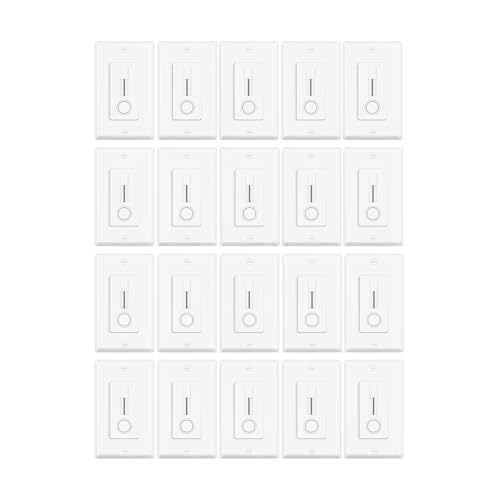
✅【2 in 1 LED Driver and Dimmer Switch】:By integrating the LED driver and dimmer into a single unit,streamline installation and ensure perfect compatibility. 120v to 24v transformer dimmer switch.This innovative 24v dimmable led driver design connects directly to LED strips for worry-free dimming and fits conveniently within a standard electrical box
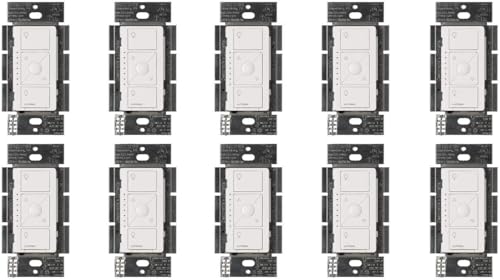
EASY INSTALL: Easily replaces your existing switch in as little as 15 minutes; NEUTRAL WIRE REQUIRED

MOST CONNECTED: Caseta connects with more leading smart home devices - including Alexa, Apple Home, Google Assistant, Sonos, Ring, Serena shades and more - than any other smart dimmer light switch brand (Lutron Smart Hub, L-BDG2-WH, required)
Upgrading Electrical Components
When homeowners decide to upgrade electrical components, they open the door to improved safety and efficiency in their lighting systems. Upgrading to LED-compatible switches and dimmer switches is crucial to minimize leakage current, which can cause unwanted LED glow. Installing high-quality LED drivers effectively drains residual power, preventing afterglow. Proper wiring techniques, such as using dedicated neutral wires, help mitigate the paths through which ghost currents travel, thereby reducing this issue. Replacing outdated dimmer switches can enhance compatibility with LED bulbs, guaranteeing effective power cut-off. Additionally, conducting regular maintenance checks can reveal wiring issues that may contribute to LEDs staying illuminated when switched off. Taking these steps guarantees a reliable and energy-efficient lighting environment for any home.
User Experiences and Solutions
Although many homeowners appreciate the energy efficiency of LED lights, they often encounter the frustrating issue of faint glowing after the switch is turned off. This dim glow, noted by users to be around 10% of the bulb’s brightness, typically stems from residual current. To combat this afterglow, consider installing LED-compatible dimmer switches, which greatly reduce the likelihood of ghosting by minimizing leakage current. Additionally, turning off night light features can effectively eliminate LED lights glowing when switched off. User experiences suggest that incorporating shunt resistors or bypass capacitors can effectively absorb small amounts of electrical energy, thereby preventing afterglow. Explore these solutions to achieve a fully off state for your LED fixtures, ensuring ideal performance and user satisfaction. Modern cool white LEDs operating at 6000K color temperature provide excellent task lighting while minimizing residual glow issues when properly installed.
Impact of LED Afterglow in Sensitive Environments
The impact of LED afterglow in sensitive environments can be significant and, in some cases, detrimental. In plant grow rooms, this afterglow can disrupt growth cycles by emitting light during critical dark periods for photoperiod-reliant plants. In bedrooms, LED afterglow may interfere with natural sleep rhythms, adversely affecting overall health and sleep quality. Museums require controlled lighting; any afterglow can compromise display integrity and alter visitor experience. Additionally, in conference rooms and studios, LED afterglow can serve as distractions, reducing effectiveness during presentations. To combat these issues, understanding LED afterglow’s effects is crucial. Implementing strategies to mitigate unwanted light can promote ideal performance of LED lighting systems in these sensitive environments. Modern solutions like the ESHine LED Kit offer adjustable brightness from 0 to 750 lumens to help minimize afterglow effects in various settings.
Final Thoughts on LED Lighting and Glow Issues
Understanding the implications of LED lighting and its afterglow is significant for optimizing its use in various settings. LED lights often exhibit glow issues due to residual current in their wiring, which may allow leakage currents to keep them faintly lit. This phenomenon, known as LED Ghosting, can result from energy stored in bypass capacitors within the LED drivers. Poorly designed drivers exacerbate afterglow by failing to cut off power effectively. To mitigate these electrical problems, upgrade to LED-compatible dimmer switches and assess your wiring configuration for potential issues. Proper maintenance and installation guarantee that any glow issues are addressed, enhancing the performance and efficiency of your LED lighting.
Frequently Asked Questions
Why Do My LED Lights Stay on Even When the Switch Is Off?
LED light behavior can be affected by switch types, power leakage, and electrical interference. Incompatible dimmer switches, poor wiring issues, and subpar bulb quality contribute to unexpected glow; circuit design plays a vital role in home wiring.
How to Stop LED Lights From Glowing When Off?
To stop LED light issues, individuals can upgrade to compatible switch types, address electrical leakage through proper circuit design, and implement troubleshooting steps like adding capacitive coupling components, ensuring fixture compatibility, and managing voltage fluctuations for energy savings.
Why Is the LED Still on After Switching Off?
The persistent LED illumination often results from electrical leakage and capacitive coupling in circuit designs. Voltage fluctuations and incompatible switch types can exacerbate the issue, necessitating frequent testing of home wiring and bulb compatibility for energy efficiency.
Is LED Ghosting a Fire Hazard?
LED ghosting is not considered a fire hazard, despite potential LED wiring issues and voltage leakage. Dimmer compatibility and capacitor discharge may contribute to this phenomenon, but proper circuit design guarantees fire safety and energy savings.