As an Amazon Associate, we earn from qualifying purchases. Some links on this site are affiliate links at no extra cost to you. Our recommendations are based on thorough research and editorial judgment.


How Touch Sensors Work With Under-Cabinet LEDS

Touch sensors used with under-cabinet LED lights operate by detecting changes in capacitance. These sensors respond to light touches or gestures, providing intuitive control over lighting functions. Users can easily adjust brightness levels from 10% to 100%, ensuring ideal illumination. Installation is simplified with self-adhesive backing. Position sensors near metal components for accurate performance. With features like energy efficiency, capacitive touch sensors enhance convenience. Understand how each component contributes to seamless user interaction for modern spaces that demand functionality.
Key Takeaways
- Capacitive touch sensors detect finger approach, activating LED lights without needing physical contact.
- They allow for customizable brightness and color adjustments to enhance under-cabinet lighting.
- Touch sensors ensure hands-free operation, making user interaction seamless and convenient.
- Installation is easy with self-adhesive backing, eliminating the need for drilling or complex setups.
- These sensors integrate with smart home systems for advanced automation and energy-efficient operation.
Understanding Touch Sensor Technology
You may be interested

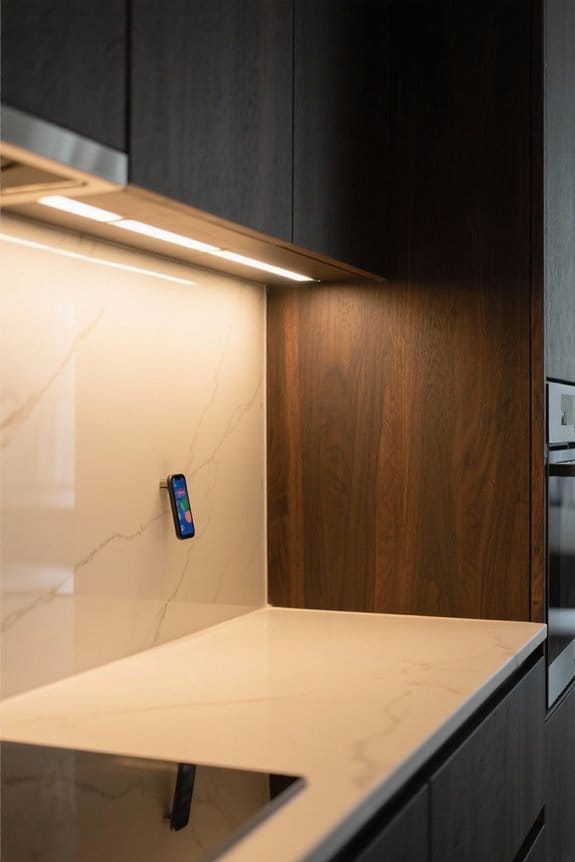
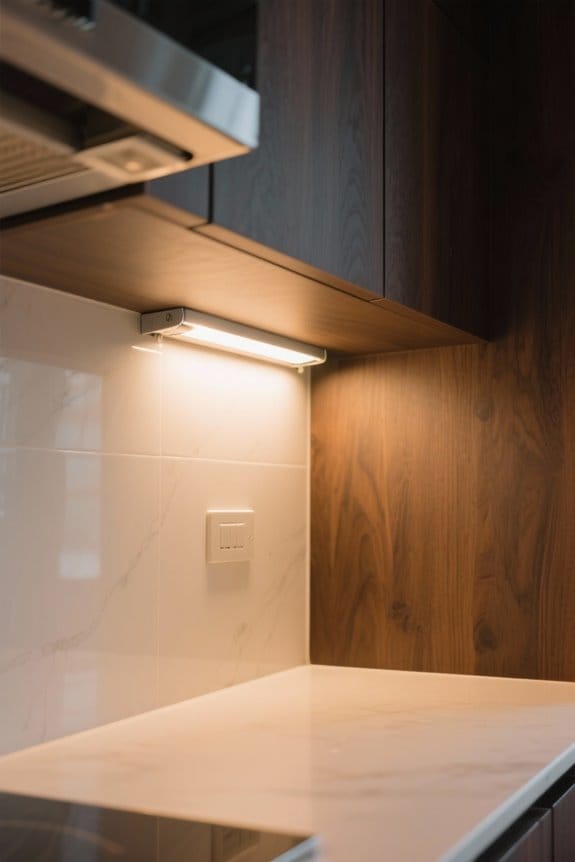
When exploring touch sensor technology, it is essential to understand its foundational principles. Touch sensors, particularly capacitive sensors, detect changes in capacitance through conductive materials like human skin. This sensitivity allows for precise LED output adjustments in response to user interactions. In under-cabinet lighting systems, these sensors provide interactive control, eliminating the need for mechanical switches. Typically, low-power oscillators enable these capacitive sensors to manage features such as dimming and color changes, enhancing usability. This modern solution offers both aesthetic appeal and functional lighting control, considerably improving the user experience in kitchens and workspaces. By integrating seamlessly into designs, touch sensors represent a refined approach to lighting technology, providing efficient and effortless engagement with lighting systems. Modern touch-controlled LED systems can adjust between color temperatures options ranging from warm 2700K to daylight 5000K for optimal ambiance control.
Types of Touch Sensors and Their Applications
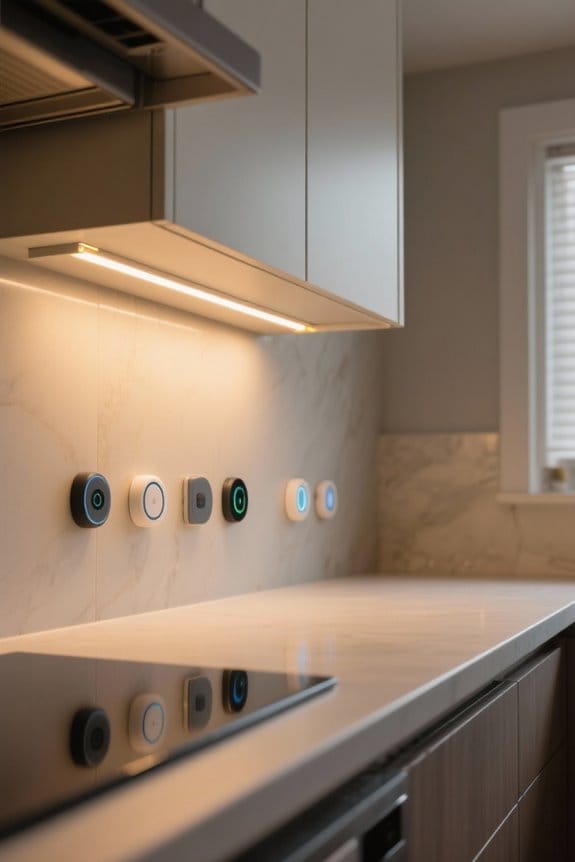
Understanding the various types of touch sensors is essential for selecting the appropriate technology for specific applications. Touch sensor switches can be categorized into two main types: capacitive and mechanical. Capacitive sensors, commonly employed in under-cabinet LED lights, utilize electrical capacitance changes for seamless integration and respond to light touches. They excel in providing user convenience and facilitating intuitive control. In contrast, mechanical touch sensors rely on physical pressure, often designed as recessed buttons or hidden switches, offering a discreet interface for lighting control. However, it is crucial to note that mechanical sensors typically require metal components for reliable functioning. Choosing the right touch sensor is imperative for achieving efficient operation and enhancing user experience in modern lighting solutions. Some models feature adjustable brightness levels that can be controlled through touch sensors, allowing users to customize illumination for different tasks and moods.
Recommended Products
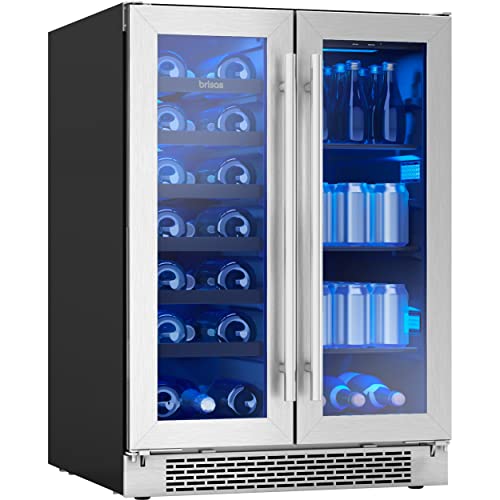
Serve up drinks for every member of the family — and guests — with this stylish dual zone cooler featuring two separate temperature regions for wines and other beverages.

Side-Emitting Design, Glare-Free Lighting: Unlike traditional cabinet lights, the TORCHSTAR under cabinet lighting features a side-emitting structure that delivers smooth, glare-free illumination. Perfect for food prep, reading recipes, or any close-up task, without harsh shadows or bright spots

【HANDS-FREE VOICE & APP CONTROL】 Compatible with Alexa and Google Assistant for effortless voice control—perfect when your hands are full in the kitchen. Set custom schedules to automate your daily lighting routine via the app.
Benefits of Using Touch Sensors for Under-Cabinet Lighting
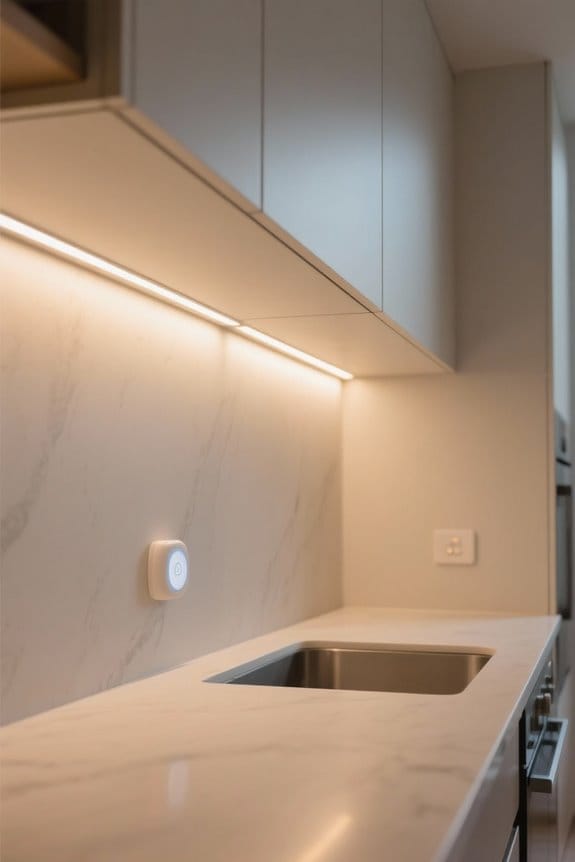
Touch sensors offer remarkable advantages for under-cabinet lighting that extend beyond mere convenience. These touch sensors enable hands-free operation, making it easier to activate LED lights with a simple touch or gesture, which is particularly beneficial while cooking. Many systems provide customizable settings, allowing users to adjust brightness levels or colors, thereby enhancing the ambiance and improving visibility for various tasks. Additionally, touch sensors seamlessly integrate with smart home systems, offering users enhanced automation and scheduling capabilities. Energy efficiency is also a key benefit; specific models feature motion-activated technology that turns off lights after a predetermined period of inactivity, reducing unnecessary energy consumption. Overall, touch sensors elevate the functionality and efficiency of under-cabinet lighting solutions. Modern touch-enabled lights like the Maylit Smart RGB can sync with music to create dynamic lighting effects that respond to audio in real-time.
Installation and Setup of Touch Sensor LED Lights
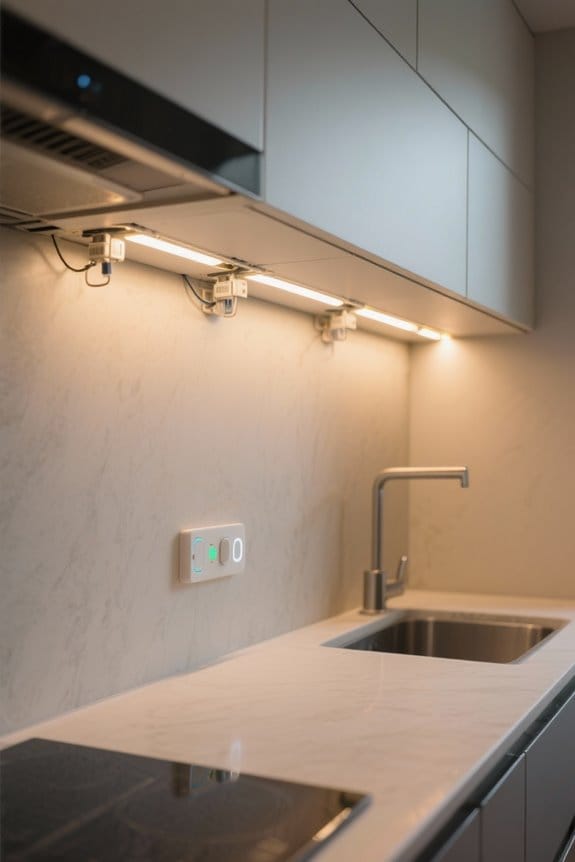
Installing touch sensor LED lights can greatly enhance the functionality of various spaces, especially under cabinets where lighting is often required. For DIY cabinet projects, these lights feature self-adhesive backing, allowing for simple installation without drilling. Position the touch sensor where a metal component is available, ensuring reliable performance, as wood or veneer may disrupt function. The capacitive touch sensors detect the approach of a finger, enabling convenient activation. Prior to full use, test the installation to confirm that the touch sensor responds accurately to user input. Conduct these tests to prevent accidental activation from nearby objects. This careful setup contributes to an efficient and user-friendly under-cabinet lighting solution. The IP67 rating ensures these touch-activated lights remain protected when installed in humid outdoor environments or potentially wet areas.
Recommended Products

Stainless Steel Material: The range hood handcrafted with SUS 304 stainless steel and exquisite craftsmanship, guaranteeing the stability and durability. It is handmade by the professional craftsman, and it is durable enough to provide you with a reliable long-term usage experience

Three-button control for stepless dimming (brightness) + adjustable color temperature ,ideal for makeup, shaving, or relaxing. Power-off memory restores your last settings automatically.
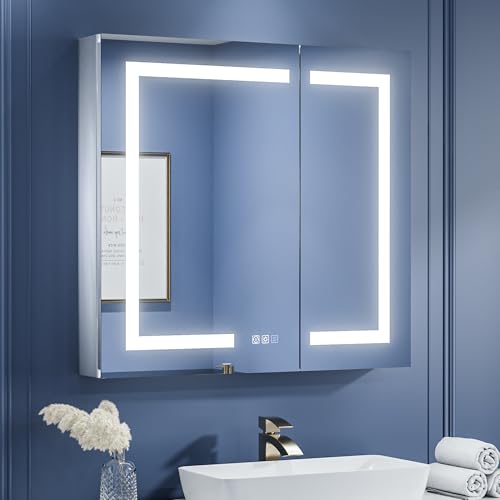
【Stepless Dimming & Color Temperature Control】Enjoy perfect lighting every time. This lighted medicine cabinet offers stepless brightness adjustment from 10% to 100% and stepless color temperature adjustment from 3000K to 6000K. Whether you need a warm glow for relaxation, natural light for daily routines, or crisp cool light for precision tasks, the LED medicine cabinet adapts seamlessly to your lifestyle, creating the ideal atmosphere in your bathroom.
Customization and Control Options for Touch Sensor Lights
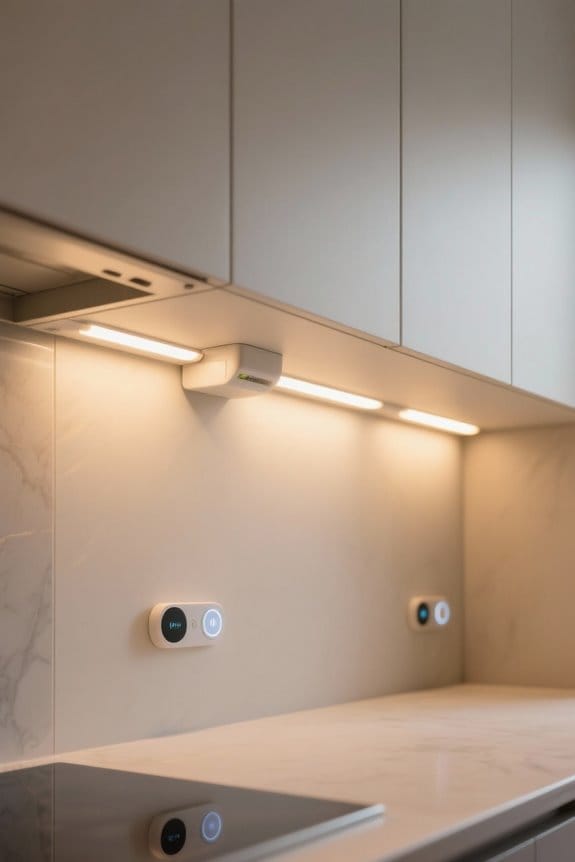
Customization of touch sensor lights greatly enhances user experience and versatility in various environments. These lights offer customizable brightness levels, allowing settings to range from 10% to 100%. Users benefit from adjustable settings, including dimming options and varying color temperatures, optimizing ambiance across different spaces. Many systems integrate seamlessly with smart home systems, providing remote control and scheduling capabilities, thereby promoting energy efficiency. Integrated designs allow for discreet installation, ensuring that lighting complements cabinetry without detracting from aesthetics. In addition, regular engagement with touch sensors limits wear and tear on traditional switches, which can ultimately extend the lifespan of lighting systems. Efficient user control, combined with these features, establishes touch sensor lights as an ideal choice for modern spaces. The daylight white color temperature of 6000K delivers enhanced visibility for detailed tasks while maintaining energy efficiency.
Practical Uses and Examples in Kitchen Environments
In kitchen environments, the implementation of touch sensor technology presents numerous practical applications that considerably enhance both functionality and convenience. Touch sensors can be seamlessly integrated with under-cabinet LED lighting, enabling users to easily control light intensity and modes with a simple touch. This is particularly beneficial during meal preparation when hands may be wet or occupied. Additionally, many systems feature customizable settings, allowing adjustments between various light temperatures and brightness levels to suit specific tasks or ambiance. Smart solutions can automatically turn off after a set period, optimizing energy use. By eliminating mechanical switches, touch sensors also enhance safety, reducing contamination risks from spills and heat. Such features make touch sensors an invaluable addition to modern kitchens. Advanced models offer stepless dimming capabilities that provide precise control from 10% to 100% brightness levels for optimal task lighting.
Recommended Products

SMART FEATURES: Works with Alexa for hands-free operation using 35+ voice commands through the Amazon Alexa app or Echo devices, plus Sharp Kitchen mobile app connectivity
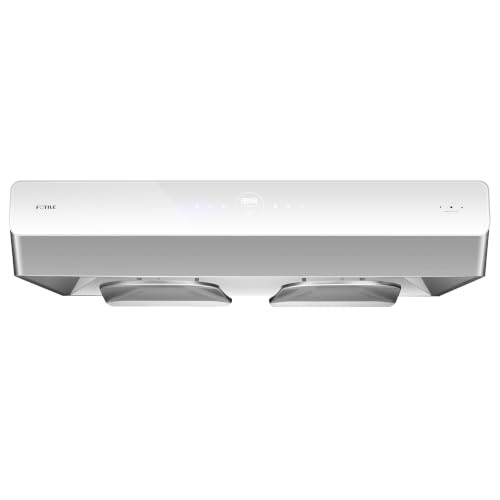
Powerful and Quiet - Listed 400 in maximum static pressure and as low as 38 dB in noise level with our signature WhisPower aerodynamic technologies which can boost the suction power up to 850 CFMs with less energy consumed, covering 7.2 square feet or a 4-6 burner cooktop with ease.

5-Year Warranty & ETL Listed: VENFAN 48-inch commercial wall-mount range hood — edge-to-edge coverage for 6–8 burners, adjustable chimney (19.6"–39") for a custom fit — a high-performance ventilation hood for restaurants & home kitchens, backed by 5-year warranty & ETL safety certification
Frequently Asked Questions
How Does a Touch LED Sensor Work?
A touch LED sensor utilizes touch sensitivity technology and capacitive touch sensors to enable touch activation advantages. It features quick touch response time, durable construction, and versatile touch sensor applications, allowing integration in various DIY touch lighting setups.
How Does Wireless Under Cabinet Lighting Work?
In the age of wireless technology, wireless under-cabinet lighting operates efficiently through rechargeable batteries, featuring simple installation processes. With various design options, remote control, and adjustable sensor sensitivity, these energy-efficient lighting solutions offer versatile product comparisons.
How Do LED Sensors Work?
LED sensors function through advanced circuit design, utilizing touch sensitivity to enhance user experience. This technology improves energy efficiency by allowing precise control over brightness, with various installation tips and product comparisons aiding superior performance.
Why Do LED Lights Turn on When I Touch Them?
“As the saying goes, ‘a touch of a button makes life easier.’ LED lights turn on via touch activation, showcasing sensor technology’s convenience factor, energy efficiency, decorative lighting enhancements, and improved user interface and safety benefits during installation.