As an Amazon Associate, we earn from qualifying purchases. Some links on this site are affiliate links at no extra cost to you. Our recommendations are based on thorough research and editorial judgment.

Why LED Lights Dim Over Time

LED lights dim over time due to several factors, including aging, where brightness can decrease by 20-30%. Environmental conditions like heat and moisture negatively impact lifespan. Poor electrical supply leads to flickering and dimming; voltage inconsistencies caused by loose connections or old dimmer switches exacerbate the issue. Maintaining compatible circuits and ensuring proper ventilation can enhance LED performance and lifespan. Understanding these factors is essential. Explore further to gain insights into effective maintenance and troubleshooting techniques.
Key Takeaways
- Aging of LEDs causes lumen depreciation, leading to a brightness loss of 20-30% over time.
- Manufacturing defects may result in lower brightness and performance in certain LED models.
- Inconsistent voltage and loose electrical connections can disrupt power delivery, causing unexpected dimming.
- Overheating due to inadequate ventilation can negatively impact the lifespan and brightness of LED fixtures.
- Incompatible dimmer switches may fail to deliver adequate power, contributing to gradual dimming of LED lights.
Understanding LED Technology and Lifespan
You may be interested
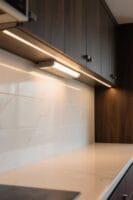
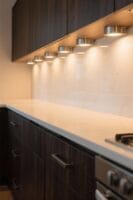
LED technology represents a significant advancement in lighting solutions, primarily due to its use of semiconductors for illumination. LEDs, or light-emitting diodes, provide longer lifespans compared to traditional bulbs, largely measured by the L70 rating. This rating indicates how long the luminous output will remain above 70% of its original brightness, ensuring consistent performance. Remarkably, high-quality LED bulbs demonstrate reduced lumen depreciation over time, typically losing only 20-30% brightness after several years. However, environmental factors such as heat, moisture, and mechanical stress can adversely affect this lifespan. Proper maintenance and operation within recommended current limits are essential for maximizing longevity and functionality. Understanding these aspects is fundamental for those seeking efficient and durable lighting solutions. Premium LED fixtures like the CNSUNWAY light models can achieve up to 50,000 hours of reliable illumination while maintaining energy efficiency.
Common Causes of LED Dimming
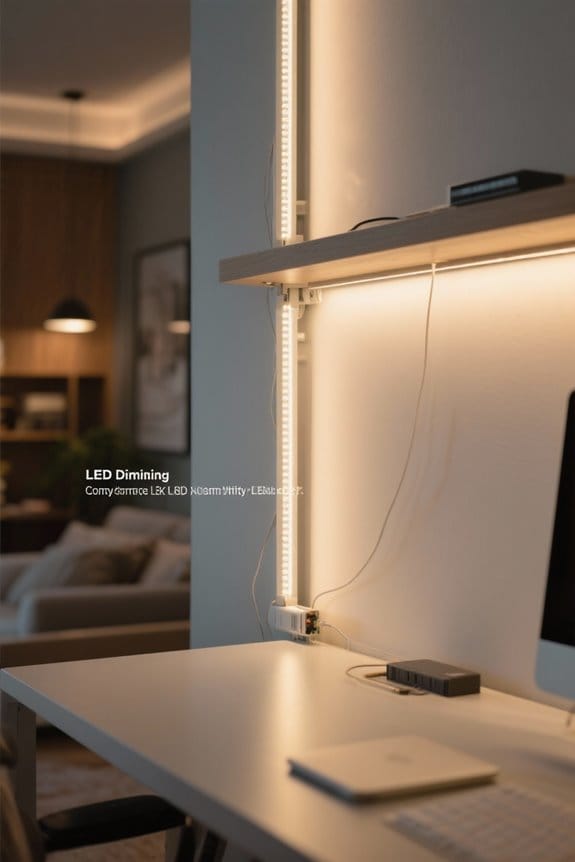
Dimming in LED lights can be attributed to several common factors that impact their performance over time. Aging is a significant cause, as most LEDs experience lumen depreciation, losing approximately 20-30% of their brightness over several years. Additionally, voltage drops in the electrical supply can lead to inconsistent performance, particularly in cheaper LED models. Overloaded circuits in older homes can cause symptoms such as flickering and gradual dimming. Furthermore, the use of incompatible dimmer switches may result in insufficient power, affecting how brightly LEDs initially illuminate and leading to overall dimming. Understanding these causes enables users to mitigate dimming effects, ensuring ideal LED performance and longevity. Regular brightness maintenance tasks, such as cleaning and monitoring battery levels in battery-operated LED fixtures, can help maintain optimal illumination throughout the product’s lifespan.
Recommended Products

OLMO 36,000 BTU 230V Multi-Zone System with four 9,000 BTU wall-mounted indoor units. 22 SEER2 energy rating delivers superior efficiency and lower utility costs compared to traditional HVAC systems.

OLMO 36,000 BTU 230V Multi-Zone System with two 9,000 BTU and one 18,000 BTU wall-mounted indoor units. 22 SEER2 energy rating delivers superior efficiency and lower utility costs compared to traditional HVAC systems.

OLMO 27,000 BTU 230V Multi-Zone System with one 9,000 BTU and one 18,000 BTU wall-mounted indoor units. 23 SEER2 energy rating delivers superior efficiency and lower utility costs compared to traditional HVAC systems.
The Impact of Thermal Issues on LEDs
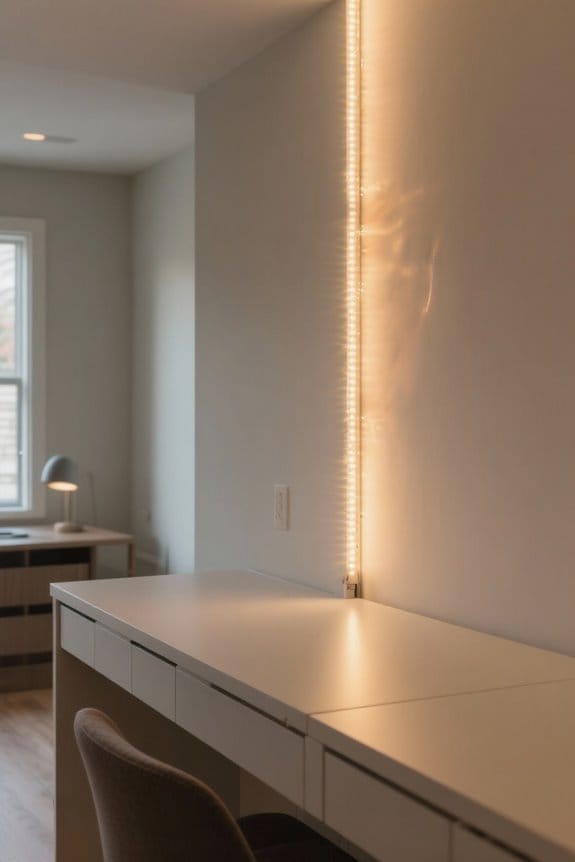
Heat management is essential for maintaining the efficiency and longevity of lighting systems. Thermal issues greatly impact LED performance, as excessive heat can lead to reduced light output and accelerated lumen depreciation. When LEDs are installed in enclosed fixtures without proper ventilation, overheating occurs, causing internal components to degrade more quickly. This heat build-up can dramatically increase the rate of lumen loss, resulting in diminished brightness. To combat these thermal issues, it is vital to choose bulbs designed for enclosed spaces, ensuring ideal operating temperatures are maintained. LEDs should ideally operate within a temperature range of 25-40 degrees Celsius for best performance. Adhering to these guidelines can extend LED lifespan while preserving effective light output, enhancing overall efficiency in lighting applications. Modern LED lights that operate at 12.5 watts provide equivalent brightness to traditional 100-watt bulbs while generating significantly less heat.
Recommended Products

[Solid Heavy Brass] More durable and reliable than aluminum or plastic fixtures. One installation lasts for years. Rust and weather-resistant. Illuminate your outdoor space with high-quality lighting.

🌞 Super Bright & Energy Saving - This 75W/95W/115W wattage selectable LED Shoebox corn bulb adopts the latest SMD3030 chip, which produces an amazing 16100 lumen output and 5000K color temperature at 140LM/W, and the electricity bill is instantly reduced by up to 85 %, rated at 100-277 volts, and designed to retrofit up to 400-500 watts of metal halide

🌞【Ultra Bright & Energy Saving】- This 75W/95W/115W wattage selectable LED Shoebox corn bulb adopts the latest SMD3030 chip, which produces an amazing 16100 lumen output and 5000K color temperature at 140LM/W, and the electricity bill is instantly reduced by up to 85 %, rated at 100-277 volts, and designed to retrofit up to 400-500 watts of metal halide.
Electrical Supply Problems Affecting LED Brightness
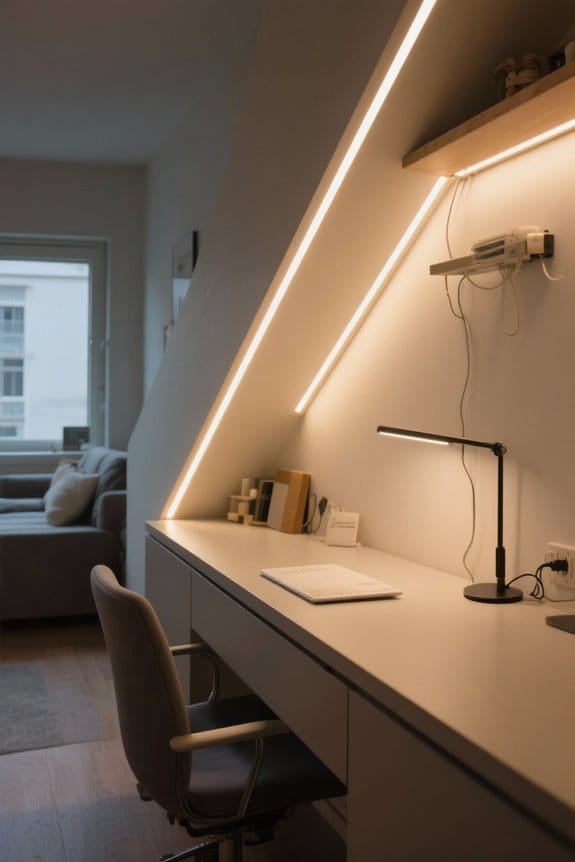
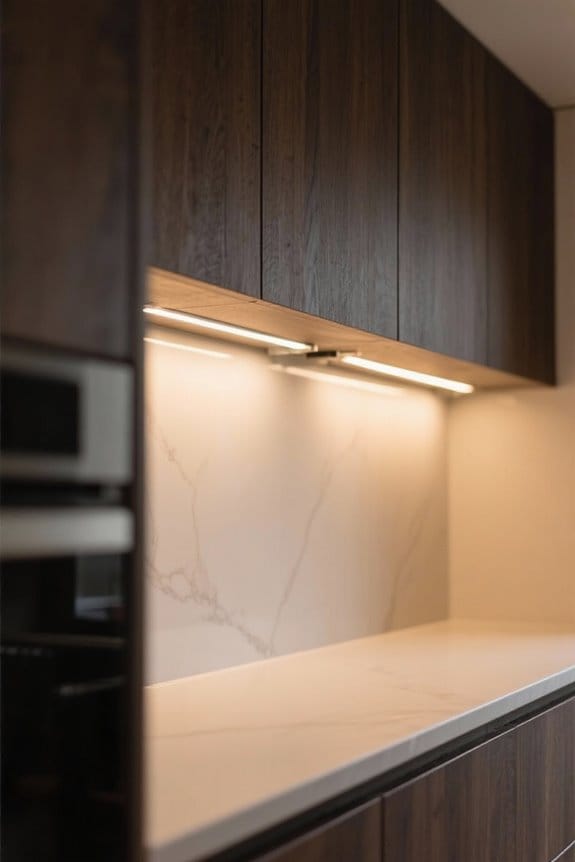
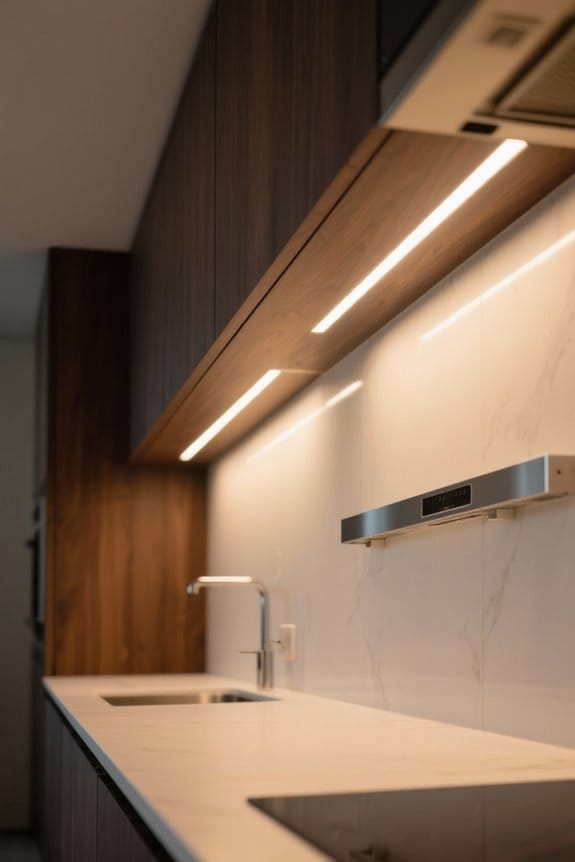
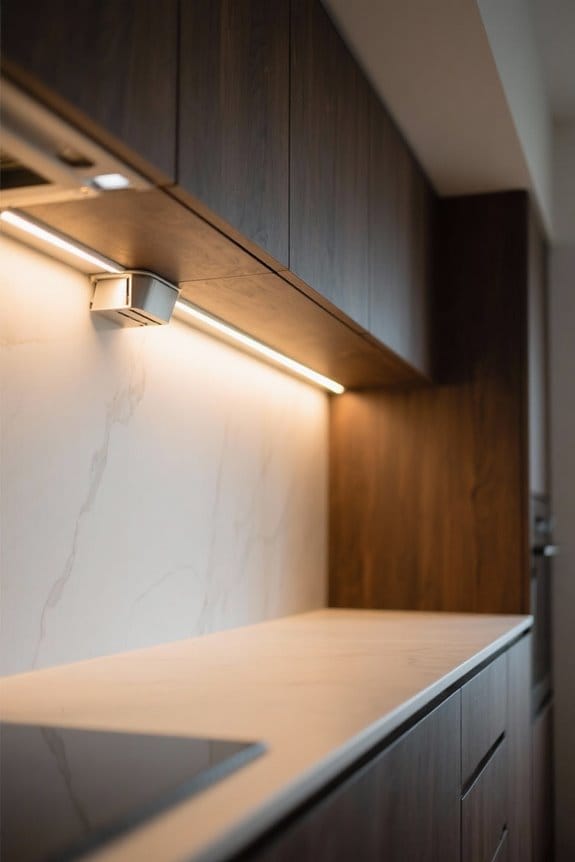
Electrical supply issues can considerably influence the brightness and performance of lighting systems. Inconsistent voltage can result from wiring problems, leading to flickering and gradual dimming of LED lights. It is vital to inspect all electrical connections regularly, as loose connections disrupt power delivery, causing LEDs to dim unexpectedly. Moreover, using old or incompatible dimmer switches might not provide adequate voltage, exacerbating the dimming issue. Voltage drops across long wiring distances also adversely affect LED performance, especially in lower-quality models lacking good voltage regulation. Additionally, overloaded circuits may share voltage among multiple devices, causing issues like dimming and buzzing. Addressing these electrical supply problems is essential for maintaining ideal LED brightness and performance. Modern under cabinet lights with touch dimmers and adjustable brightness from 1% to 100% can help identify and diagnose potential voltage supply problems more effectively.
The Role of Dimming Features and Compatibility
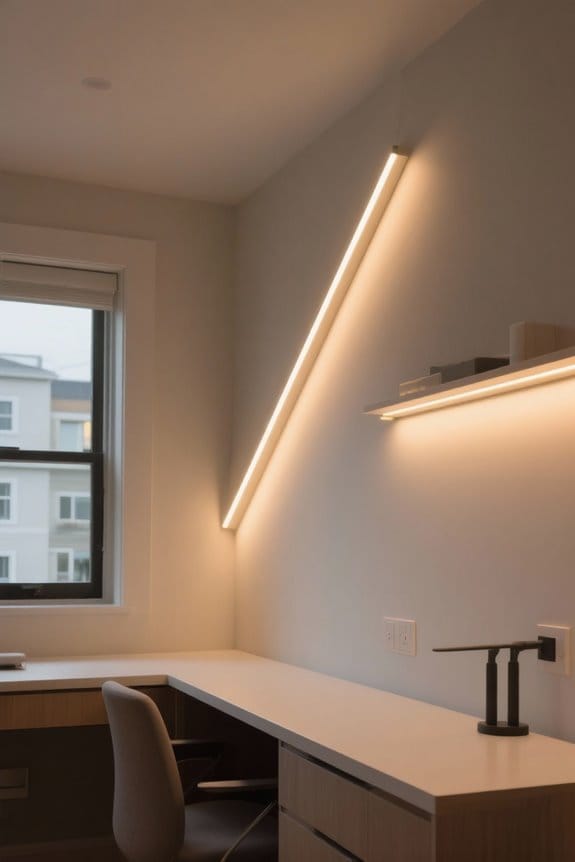
How can users guarantee peak performance and brightness when utilizing LED lights with dimming features? To achieve ideal results, it is essential to use dimmable LEDs with compatible dimmer switches. Mismatched combinations can lead to flickering and a restricted dimming range, diminishing user experience. Compatibility is critical; older dimmer switches, often rated for higher wattages, may cause unwanted noise or inconsistent brightness adjustments. Always check packaging to verify LEDs are labeled as dimmable, as this feature is often highlighted for consumer guidance. By pairing suitable dimmers, users can enhance LED lifespan due to reduced heat generation, maximizing efficiency. Hence, selecting the right combination is pivotal for achieving smooth adjustments and maintaining desired brightness. Anodized aluminum channels can significantly improve heat dissipation and protect LED strips, further extending their operational lifespan.
Maintenance Tips to Extend LED Life
Proper maintenance greatly contributes to extending the lifespan of LED lights. To guarantee peak performance, keep the environment stable and dry, minimizing excessive heat buildup that can accelerate lumen degradation. Regularly clean LED fixtures to remove dust and debris, which may cause overheating and electrical shortages. Additionally, operate LEDs within their specified current limits; exceeding these can considerably increase heat and hasten degradation. For enclosed fixtures, guarantee proper ventilation to promote airflow and reduce thermal issues. Finally, use high-quality components and reliable LED drivers, as these can improve overall performance and longevity of LED lighting solutions. Implementing these maintenance tips will help maintain brightness and efficiency, ultimately extending the life of your LED installations. Quality LED fixtures can achieve 50,000 hours lifespan when properly maintained through regular cleaning and temperature control.
Recommended Products

Energy Recovery Ventilator (ERV): Remove moist, stale air and supply fresh, clean air in your home while balancing air pressure; Temperate Climate Model recommended for areas where temperatures can drop as low as 14F (-10C); MERV 8 filter included.

PREMIUM Quant-LED light GROW LIGHT - LED lights specialty manufactured by VIVOSUN with Samsung LM301 diodes for FULL spectrum light, ideal for ALL STAGES of growth. Energy efficient with a high reflective hood and adjustable dimmer to give plants optimal light intensity and spectrum. Silent functions mean that no fans cause noise pollution in your home. 600w output incentivizes low cost for the home and runs 50% less energy than “blurple” and other leading LEDs. UL, CE, ETL Certificated.

48 inch retractable ceiling fan with light and remote for glamorous modern interiors. Features Fanaway patented design and technology for a distinctive retractable-blade ceiling fan look.
Recognizing Signs of Aging in LED Lights
While LED lights are known for their longevity and efficiency, they do exhibit signs of aging that users should be aware of. Common indicators include a dim LED appearance, where brightness fades considerably due to lumen depreciation. Typically, LEDs may lose 20-30% of their original brightness over several years. Moreover, users should watch for flickering and prolonged startup times. An important benchmark is the L70 rating, which denotes when an LED’s brightness drops below 70% of its initial output. In addition, aging LEDs can have shifts in color temperature, affecting the hue of the light. Recognizing these signs of aging is essential for maintaining ideal lighting conditions and ensuring efficient performance of LED lights in your environment. Modern LED lighting solutions can reduce energy consumption by up to 85% compared to traditional bulbs, even as they age.
When to Seek Professional Assistance
When LED lights begin to dim, it is crucial to determine whether professional assistance is necessary. If dimming persists after replacing bulbs or checking connections, underlying electrical problems may exist, requiring a professional evaluation. Multiple fittings dimming simultaneously can signal circuit overloads or compatibility issues, making the input of a qualified electrician critical. In addition, any signs of electrical hazards, such as flickering lights, buzzing noises, or burning odors, warrant immediate consultation with a professional to guarantee safety. Uncertainty about performing electrical work or troubleshooting complex systems also indicates that seeking expert help is wise. Moreover, if you suspect voltage fluctuations or wiring issues in the electrical system, contacting a licensed electrician becomes essential for thorough assessment and resolution. Quality LED fixtures should maintain their 50,000 hours lifespan before showing significant dimming, so earlier deterioration often indicates a need for professional diagnosis.
Frequently Asked Questions
Why Do LED Lights Get Dimmer Over Time?
LED lights become dimmer over time due to temperature effects, usage frequency, and circuit issues. Additionally, power supply quality greatly impacts their longevity, leading to reduced brightness as components age and degrade.
Do LED Lights Go Dimmer With Age?
Yes, LED lights do become dimmer with age. LED lifespan impacts light output degradation, while effective heat management effects are essential. A quality comparison shows that superior bulbs diminish slower than lower-quality alternatives over time.
Why Are My LED Lights Not Bright Anymore?
LED bulbs may lose up to 30% brightness during their lifespan. Inconsistent brightness can stem from power supply issues or poor heat dissipation, greatly impacting their overall performance and longevity in various lighting fixtures.
Do LEDS Weaken Over Time?
Yes, LEDs weaken over time. Their lifespan influences light output, with advancements in technology contributing to economic savings. However, factors like heat and material quality can lead to premature declines in brightness and effectiveness.