As an Amazon Associate, we earn from qualifying purchases. Some links on this site are affiliate links at no extra cost to you. Our recommendations are based on thorough research and editorial judgment.

Why Your LED Lights Flicker and How to Fix It

LED lights flicker due to various reasons such as voltage fluctuations, incompatible dimmer switches, and poor-quality bulbs. To fix this, check for loose connections and secure bulbs properly, ensuring they fit tightly in their sockets. Inspect dimmer switches for LED compatibility; use ones rated for LED usage. Regularly clean fixtures and consider using voltage stabilizers if fluctuations occur. If problems persist, seek professional help to evaluate wiring and grid influences. Discover more solutions in the following sections.
Key Takeaways
- LED lights can flicker due to voltage fluctuations, incompatible dimmers, loose connections, or inferior quality bulbs and drivers.
- Check for loose connections in fixtures and ensure bulbs are securely screwed in to prevent flickering.
- Verify dimmer compatibility; outdated or incompatible dimmers can significantly increase flickering issues with LED lights.
- Inspect LED drivers for faulty components and replace them with high-quality options to maintain consistent power delivery.
- If troubleshooting fails, consult a qualified electrician to address potential circuit overloads or wiring issues.
Understanding LED Flickering
You may be interested



When exploring the phenomenon of LED flickering, it is essential to recognize the underlying causes that contribute to this issue. LED lights flicker primarily due to their sensitivity to voltage fluctuations. Unlike traditional bulbs, they react to rapid power changes, causing flickering light bulbs. Incompatible dimmer switches can exacerbate this problem by cycling power on and off quickly, especially with older technology. Additionally, poor-quality power supplies and LED drivers can lead to inconsistent power delivery. Loose connections in wiring or poorly fitted bulbs create intermittent contact, further contributing to flickering. Understanding these factors is vital for diagnosing and resolving LED flickering, ensuring a consistent lighting experience in any environment. Proper inspection and upgrades can greatly enhance performance. Modern LED energy savings can reach up to 70% compared to traditional fluorescent lighting, making it worth resolving any flickering issues rather than reverting to older technology.
Common Causes of LED Light Flickering
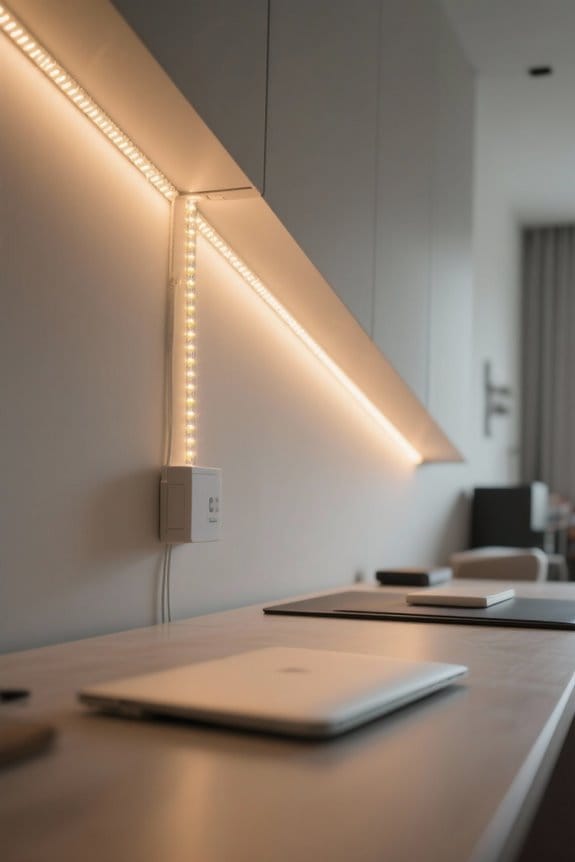
Flickering LED lights can often be attributed to specific, identifiable causes. One primary reason is voltage fluctuations in the power supply, commonly triggered when large appliances start. These fluctuations can make LED bulbs flicker due to their sensitivity. Additionally, incompatible dimmer switches often result in rapid power cycling, particularly with older models not designed for LED technology. Loose connections within fixtures or sockets can also disrupt the power flow, leading to intermittent flickering. It is vital to note that inferior quality LED bulbs and drivers can contribute to stability issues. Furthermore, overloaded circuits may struggle to deliver sufficient power, exacerbating flickering, especially when multiple devices operate simultaneously on the same circuit. Identifying these causes is essential for effective resolution. Quality Energy Star certified LEDs demonstrate superior stability and performance while using 75% less energy than traditional bulbs.
Recommended Products

【Super Bright】LED linear high bay light adopts high efficiency LED chip, the luminous efficacy is up to 150LM/W. Using only 210W power can emit 31500 lumens of high quality lights , with a daylight color temperature of 5000K.

Premium Clear Glass: Features hand-polished crystal-clear glass panels/bubbles (no smoke tint), offering 95%+ light transparency for brighter, distortion-free illumination with the room decoration to create an elegant and luxurious atmosphere.The drum chandelier for living room,dining room.

【Gold Chandelier】The golden round chandelier in the restaurant adopts a unique amber glass design. The modern chandelier shade is made of layered glass, all amber glass polyhedrons are suspended on a metal frame circle, combining with the room decoration to create an elegant and luxurious atmosphere.
Troubleshooting Flickering LED Bulbs
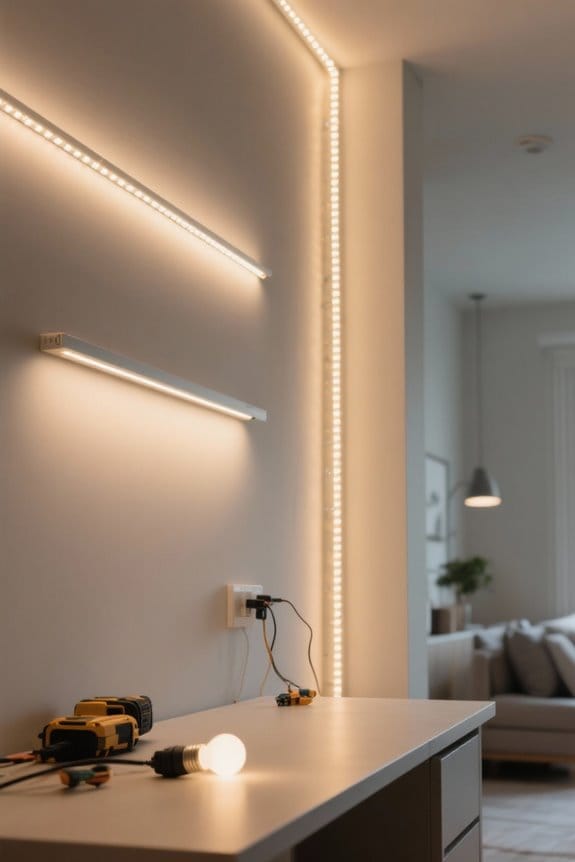
Identifying and troubleshooting flickering LED bulbs requires a systematic approach to pinpoint the underlying issue. Start by checking for loose connections; make certain bulbs are securely screwed in and inspect all wiring for intermittent contact issues. Next, observe the circuit’s voltage levels, as fluctuations when large appliances activate can lead to noticeable flickering. If issues persist, consider the compatibility of dimmers for LED technology; incompatible dimmers may cause rapid power cycling and exacerbated flickering issues. In addition, regularly clean fixtures and sockets to remove dust and improve electrical connections. Finally, if older bulbs continue to flicker, replacing them with newer, more efficient models can resolve problems more effectively, as advanced designs are less prone to flickering. For optimal dimming performance, select switches that support 150 lighting levels to ensure smooth, flicker-free operation across various brightness settings.
Recommended Products

Modern Staircase Chandelier: Elevate entryways with this gold high-ceiling chandelier; featuring (36 Droplets) and a 36-inch adjustable design, it creates a striking focal point for staircases, foyers, and open spaces
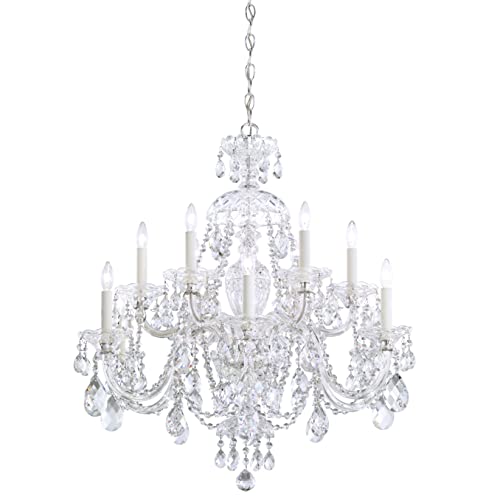
Constructed entirely from crystal - dressed with crystal beads, drops, pears, and a crystal ball finial.

INGLENOOK CHANDELIER DIMENSIONS: 17.5" High (68.75" Max Adjustable Height) x 47.5" Wide x 16" Long, Weight: 31.86 LBS, Ceiling Canopy: 8.00"W x 4.50"D
Checking Dimmer Switch Compatibility
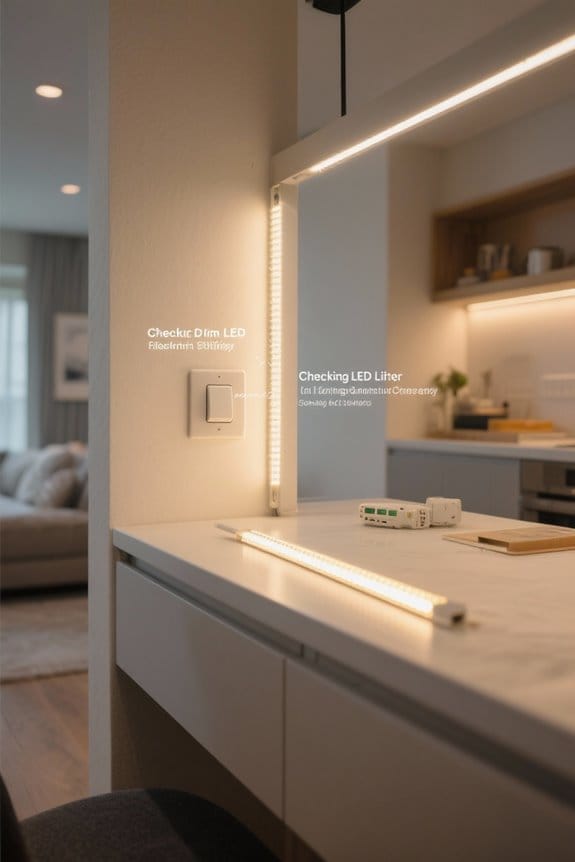
A careful examination of dimmer switch compatibility is essential for anyone experiencing flickering LED lights. Incompatible dimmer switches, particularly those designed for incandescent bulbs, may result in flickering issues due to mismatched voltage requirements. To prevent this, one must use dimmer switches specifically rated for LED compatibility, ensuring they deliver adequate low power levels needed by modern LEDs. Many older dimmers fail to provide this consistent power, leading to further flickering and potential bulb damage. Recommended models, like TheMEDM by Diginet, work seamlessly with LED downlights. Regularly replacing outdated dimmers can enhance both the longevity of your dimmer switches and LED bulbs, ultimately reducing flickering issues while saving money in the long run. Modern LED lighting kits with dimmable settings can reduce energy consumption by up to 85% compared to traditional lighting systems.
Importance of Quality Wiring and Connections
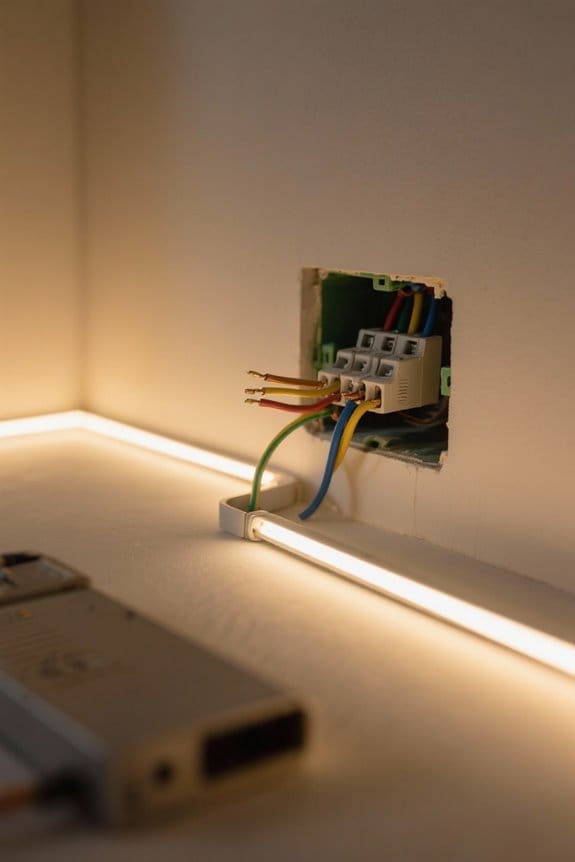
Ensuring quality wiring and secure connections is crucial to maintaining ideal LED light performance. Loose connections can disrupt electrical flow, leading to flickering or dimming lights. To prevent this, use wiring rated for the appropriate electrical load, typically around 15 to 20 amps for residential circuits. Regularly inspect connections for signs of corrosion and tighten them as necessary. Inadequate wiring can cause voltage drops, which negatively impact LED functionality. Adhering to local electrical codes not only enhances safety but also reduces flickering risks due to poor wiring practices. Remember, quality wiring is fundamental to sustaining stable voltage levels. Ultimately, investing in quality materials and proper installation will enhance the longevity and reliability of your LED lighting. Using LED motion sensors can help identify connection issues by revealing inconsistent lighting patterns when activated.
Voltage Fluctuations and Their Impact
Voltage fluctuations can greatly impact LED lighting performance, causing flickering that disrupts a pleasant atmosphere. These fluctuations often occur during voltage changes when large appliances, such as air conditioners, draw significant power. This results in temporary voltage dips that may lead to flickering lights. Additionally, high-wattage devices can create inrush currents, further diminishing voltage supplied to LED bulbs. LED lights are particularly sensitive to fluctuations below 50 Hz, and using a poor-quality power supply can exacerbate these issues. To combat flickering, consider implementing voltage stabilizers or ensuring a reliable LED driver is in use. Maintaining stable voltage levels is essential for consistent lighting quality, especially in homes with multiple appliances operating simultaneously. Most modern 12 volt LED lights offer brightness levels between 500-1700 lumens while maintaining stable operation when properly powered.
Using the Right LED Drivers
Choosing the right LED drivers is crucial for achieving ideal lighting performance. LED drivers regulate the power supply and guarantee voltage compatibility to prevent flickering LED issues. Utilizing constant current drivers stabilizes power, promoting efficiency and bulb longevity. Poor quality or incompatible drivers can result in considerable flickering or complete bulb failure. Thus, always verify specifications between LED bulbs and their drivers; mismatched components create inefficiencies. Upgrading to high-quality, brand-specific drivers is highly recommended; this can notably decrease flickering effects and enhance the lifespan of the LED bulbs. In addition, using drivers specifically designed for LED technology helps to mitigate issues from voltage fluctuations, ultimately delivering consistent and flicker-free illumination that meets user expectations. Quality LED drivers help maintain consistent brightness across 50,000 operating hours while consuming up to 85% less energy than traditional lighting solutions.
Detecting Defective Components
Detecting defective components is essential for resolving flickering issues in LED lighting systems. Start by examining the LED drivers, as defective units often fail to deliver consistent current, therefore causing flickering. Investigate capacitors within these drivers; faulty capacitors may worsen flickering during voltage fluctuations. Assess the quality of LED bulbs themselves, recognizing that manufacturing inconsistencies can lead to variable performance. Test these bulbs in different fixtures to differentiate between bulb defects and compatibility issues. Finally, conduct regular maintenance on electrical connections, since loose or corroded connections frequently contribute to flickering by acting as defective components. An organized approach to identifying these issues can notably reduce flickering and enhance lighting performance. Quality LED fixtures should produce 300 to 700 lumens for effective task lighting in most home applications.
Solutions for Resolving Flickering Issues
Flickering LED lights can be a frustrating issue, but numerous solutions exist to restore ideal functionality. Begin by inspecting all wiring connections; tighten any loose components to guarantee a stable power supply. Loose connections directly contribute to flickering, so addressing this is vital. Next, consider upgrading to compatible LED dimmer switches specifically rated for LED use, as outdated dimmers may cause inconsistencies. Monitoring circuit voltage levels is critical; fluctuations from other appliances can disrupt performance. Implement a voltage stabilizer for a consistent power supply. Additionally, replace any defective LED drivers with high-quality options that match the bulb specifications. Finally, conduct regular maintenance on fixtures and connections to prevent dust accumulation, which can impair performance and lead to flickering. Choose LED drivers with over-current protection features to prevent device damage and ensure long-term stability of your lighting system.
When to Contact a Professional
Occasionally, when troubleshooting LED light flickering fails to yield results, it becomes imperative to contemplate seeking professional assistance. If replacing dimmers and verifying wiring connections does not resolve the issue, consult a qualified electrician. Professionals can inspect your electrical system for underlying problems like circuit overloads or loose connections. In older buildings, they assess whether outdated wiring contributes to flickering. This evaluation is essential, as degraded connections pose safety hazards. Additionally, if flickering relates to external factors—such as grid fluctuations—experts can provide tailored solutions to mitigate these effects. Ensuring a thorough assessment allows homeowners to effectively resolve persistent flicker issues, securing a safer, more reliable lighting experience in their environment. Using anodized aluminum channels can help protect LED strips while improving light diffusion and reducing flicker issues.
Upgrading to Better LED Options
Upgrading to better LED options can greatly enhance the lighting experience and reduce flickering concerns. New LED T8 bulbs can exceed lifespans of 50,000 hours while offering improved efficiency and less flickering compared to older models. Consider high-quality flicker-free EPTA fixtures, rated over 200,000 hours, for detail-oriented environments like retail and workshops. Improved compatibility between newer LED technology and various dimmers considerably decreases flickering. Investing in constant drivers with LED fixtures stabilizes power delivery, effectively eliminating flickering effects linked to poor drivers. Additionally, replacing low-quality LED bulbs with those from reputable manufacturers guarantees enhanced performance, increased longevity, and a substantial reduction in flickering or driver-related issues. Evaluate options thoroughly to achieve ideal LED lighting solutions.
Recommended Products

INSTALL & SHINE BRIGHT: Upgrade to the LEDMyplace 4FT T8 LED Tube Lights for crisp, bright illumination. With 2860 lumens of superior brightness, this LED tube is the perfect replacement for power-hungry fluorescent tubes, delivering enhanced lighting while reducing energy consumption.

⭐ T8 LED Tube Single Sided Ballast Bypass Type B

T8 LED Tube Single Sided Ballast Bypass Type B
Tips for Preventing Future Flickering
Implementing effective strategies to prevent future flickering can greatly enhance the performance of LED lighting systems. First, invest in high-quality LED bulbs and fixtures with suitable driver components to reduce flickering caused by inferior materials. Regularly inspect electrical connections; verify wiring is tight and dust-free to maintain a stable link. Additionally, utilize LED-compatible dimmer switches specifically designed for LED products, avoiding older dimmer technologies that exacerbate flickering. Monitor circuit loads; distribute high-wattage appliances across separate circuits to minimize voltage fluctuations. Finally, consider upgrading to newer, flicker-free LED models, as these not only improve performance but also contribute to longer lifespans. Each of these actions can substantially reduce the likelihood of flickering in your lighting systems.
Frequently Asked Questions
How Do You Get Your LED Lights to Stop Flickering?
To banish the strobe-like dance of flickering LED lights, one should guarantee dimming switches compatibility, inspect for hidden electrical wiring issues, and implement voltage fluctuations solutions, creating a harmonious glow throughout the living space.
What Causes LED Lights to Flicker?
LED lights flicker primarily due to LED compatibility issues, voltage fluctuations, and dimmer switch problems. These factors disrupt the power supply, leading to inconsistent performance and visible flickering in the LEDs during operation.
Does LED Flickering Mean I Need New Lights?
Flickering often resembles a heartbeat of electrical issues rather than a signal for new lights. With varying flickering frequency and light dimming, diagnosing the true culprit can save one from unnecessary replacements and extended frustration.
How to Fix Flickering LED Spotlight?
To fix flickering LED spotlights, verify compatibility with dimmers, tighten wiring connections, address voltage fluctuations by balancing circuit loads, and consider higher-quality drivers. Regular maintenance, including cleaning, can also help stabilize performance.