As an Amazon Associate, we earn from qualifying purchases. Some links on this site are affiliate links at no extra cost to you. Our recommendations are based on thorough research and editorial judgment.


How to Ground LED Lighting Systems Properly

To ground LED lighting systems properly, locate the ground wire, typically bare copper or green, and connect it to the fixture’s designated terminal. Guarantee the electrical box is grounded and the ground wire securely attaches to the ground screw. Regularly inspect your connections to prevent hazards. Grounding is fundamental in metal fixtures, especially in damp areas, to mitigate electric shock risks. Understanding these steps is important; further insights can enhance your grounding practices considerably.
Key Takeaways
- Identify the ground wire, typically bare copper or green, in the wiring bundle to ensure safe redirection of stray currents.
- Connect the ground wire to the designated ground terminal on the LED fixture for effective grounding.
- Ensure the electrical box is grounded and the ground wire is securely attached to the ground screw for safety compliance.
- Verify connections between the ceiling circuit’s ground wire and the fixture’s ground terminal to avoid electrical hazards.
- Always follow manufacturer instructions and local electrical codes to ensure proper grounding practices are adhered to.
Understanding the Importance of Grounding in LED Lighting
You may be interested



Grounding in LED lighting systems is not merely a recommendation but a critical requirement for ensuring safety and functionality. Proper grounding provides a low-resistance path for fault currents, which is essential in preventing electric shock and equipment damage. In metal fixtures, especially those exposed to moisture, grounding is fundamental to mitigate the risk of electrical hazards, including fires due to faulty wiring. Although many LED installations lack a ground wire since they operate at low voltage, implementing grounding can extend device lifespan by shielding against transients and surges. Compliance with electrical codes mandates that metal fixtures located in damp areas must be grounded. Regular inspections are essential to maintaining the integrity of grounding, ensuring user safety, and adhering to manufacturer guidelines. For optimal performance and safety, modern hardwired LED fixtures typically operate for around 50,000 hours when properly grounded and maintained.
Identifying the Ground Wire in LED Fixtures
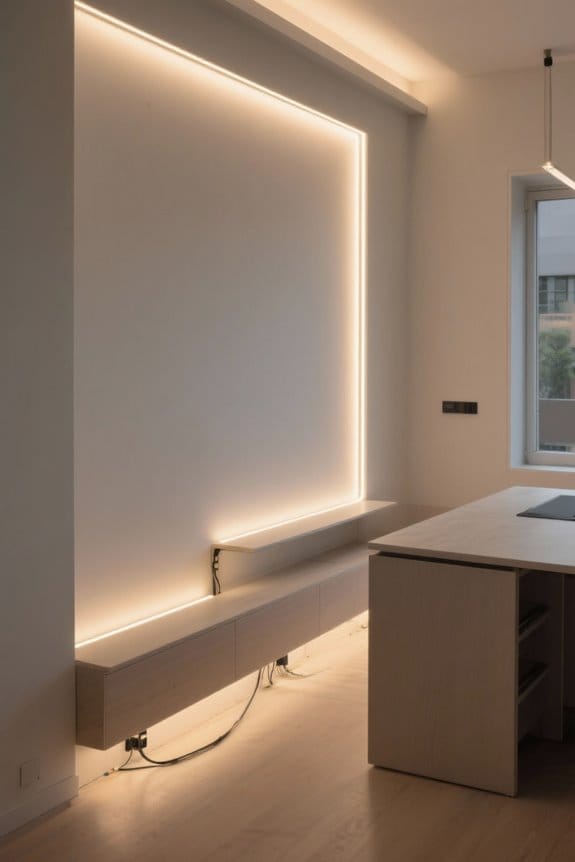
Understanding the components of an LED fixture is essential for safe and effective installation. Identifying the ground wire is critical for establishing a proper grounding system. Typically, the ground wire is either a bare copper wire or a green insulated wire. Inspect the wiring bundle connected to the fixture; look for a wire that lacks insulation or one marked in green. For LED fixtures with metal housings, the ground wire guarantees that stray currents are safely redirected, preventing electric shock hazards. Fixtures, especially older or outdoor models, often feature labeled grounding terminals for the ground connection. Always refer to the manufacturer’s instructions to guarantee compliance with safety standards and local electrical codes during installation. When installing fixtures like the 7PM Crystal Chandelier, professional installation is recommended for complex setups requiring proper grounding.
Steps to Properly Ground LED Light Fixtures
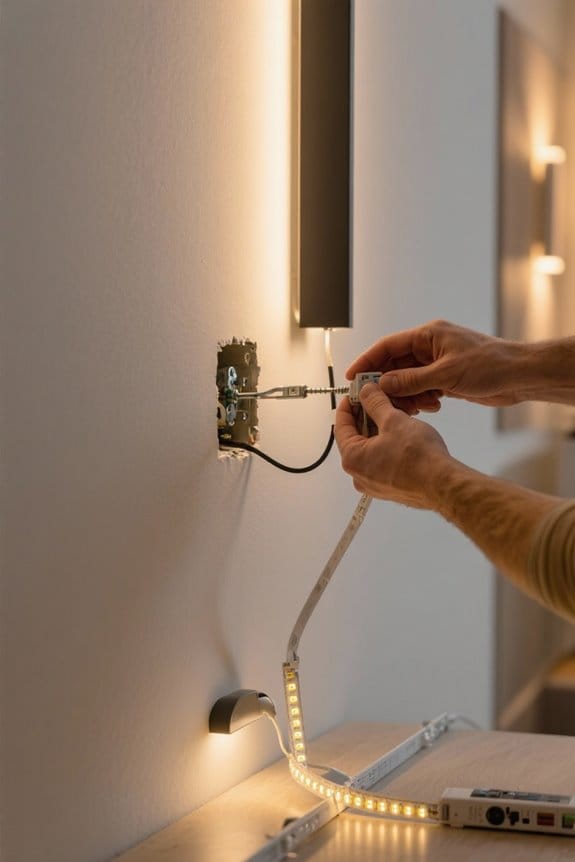
To guarantee the safe operation of LED light fixtures, it is essential to follow specific steps for proper grounding. Begin by connecting the ground wire, usually bare copper or green, to the designated terminal on the LED fixture. Check that the electrical box is properly grounded; for a metal box, secure the ground wire to its ground screw. Ascertain the ground wire from the ceiling circuit attaches to the fixture’s ground terminal to create a safe pathway for potential fault currents. Always reference manufacturer instructions for specific grounding requirements. For outdoor installations, maintain proper grounding to mitigate moisture-related hazards, in accordance with local electrical codes. Implement these safety measures diligently to protect both the fixtures and the overall electrical systems. When installing dimmable LED drivers, ensure their metal cases are properly grounded to prevent electrical hazards and maintain optimal performance.
Common Mistakes to Avoid When Grounding
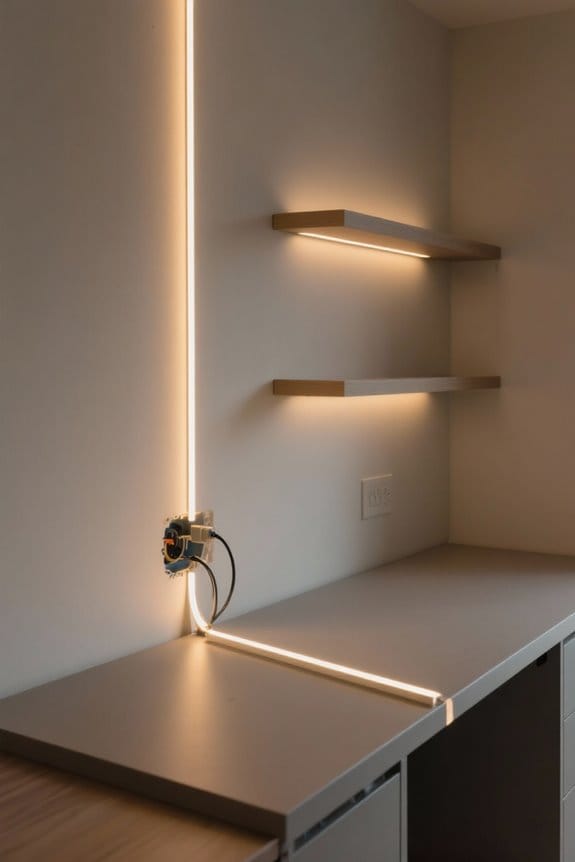
When installing LED lighting systems, avoiding common mistakes during the grounding process can significantly enhance both safety and performance. One frequent error includes failing to connect the ground wire to the electrical box’s ground wire, which compromises safety. Always check manufacturer guidelines to adhere to specific grounding requirements; overlooking these may lead to improper practices. Some installers wrongly assume LED fixtures don’t need to be properly grounded, which neglects essential protective benefits against electric shock. Furthermore, attaching the ground wire to metal parts, like a hanging plate, instead of a designated ground point can create dangerous conditions. Verify all connections; ascertain that ground wires are secure and free of damage to mitigate safety concerns and reduce risks of equipment failure. For maximum safety when installing high lumen output LED strips like the KXZM which produces 11,000 lumens, proper grounding becomes especially critical to prevent electrical hazards.
Recommended Products

TOUGHEST MATERIAL: Our woven polypropylene sand bags are built to endure the elements. All DURASACK Heavy Duty Sand Bags and tie strings are treated with a UV inhibitor so they can stay intact after prolonged sun exposure

Complete pond kit eliminates guesswork and calculations; Builds a 11-feet x 16-feet pond with a maximum depth of 2

Bundle includes: Wet Sounds REV 12 HD 12" Horn Loaded Compression Driver Tower Speakers, 400 Watts RMS, Black, Pair, Wet Sounds REV 12 HD XS-B GRILLE 12" XS Style Grilles for REV 12 HD Tower Speakers, Black, Wet Sounds TC3 Swivel Clamps for REV and ICON Series Speakers (Pair), Wet Sounds TC3-S 6 pin LED lighting connectors for swivel clamps (pair)
Safety Precautions During Installation
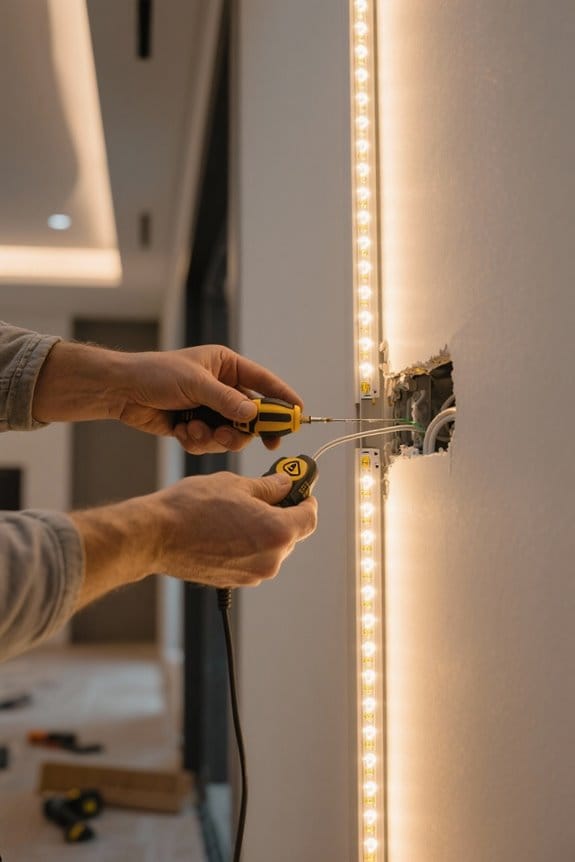
How essential are safety precautions during the installation of LED lighting systems? These measures are critical to prevent accidents and secure safety. Always turn off the power at the circuit breaker before starting to avoid electrical shock. Utilize insulated power tools to prevent accidental contact with live wires. Furthermore, wear rubber-soled shoes and work on a dry surface to further reduce electrocution risks. Maintaining a clutter-free workspace allows for safe movement and minimizes the chances of tripping while handling ground wires and other components. In addition, adhering to the manufacturer’s instructions and local building codes guarantees compliance with safety standards. LED technology options generate less heat output than traditional lighting, making them safer to handle during installation. Proper preparation and attentive practices not only protect the installer but also safeguard the integrity of the lighting system being installed.
How Grounding Affects LED Fixture Performance
Why is grounding essential for the performance of LED lighting fixtures? Grounding a light fixture with a grounding wire enhances safety and functionality. Grounded systems provide a low-resistance path for fault currents, considerably reducing the risk of electric shocks. This is critical when LED fixtures are installed in metal cases, where exposure to moisture increases the likelihood of electric shorts. Proper grounding also minimizes electromagnetic interference (EMI), preventing flickering or dimming of the lights. In scenarios of electrical faults, a effectively grounded LED system guarantees circuit breakers trip correctly, safeguarding both the fixture and connected devices. Adhering to manufacturer guidelines is fundamental for peak performance and warranty compliance, particularly in outdoor applications. Always prioritize grounding to maintain safety and reliability. With proper grounding, LED fixtures can achieve their full 50,000 hour lifespan while maintaining consistent performance and safety standards.
Recognizing When Grounding Is Necessary
Grounding is not merely a precaution; it is a necessity in various situations involving LED lighting systems. LED light fixtures with metal components need grounding to mitigate the risk of electric shock. Additionally, installations in wet or outdoor environments require grounding due to moisture exposure, which heightens electrical hazards. It is essential for areas subject to frequent maintenance, where accidental contact with live parts may occur. Local electrical codes often mandate that new installations adhere to grounding requirements, even if the specific LED fixtures do not inherently need grounding. Always consult manufacturer specifications to determine whether particular LED lighting products require grounding. Ensuring proper grounding enhances safety and compliance, protecting both users and equipment from potential dangers. Modern LED lighting solutions can last significantly longer than traditional bulbs while maintaining consistent brightness and performance when properly grounded.
Troubleshooting Ungrounded LED Fixtures
Troubleshooting ungrounded LED fixtures is essential for maintaining consistent performance and protecting users from electrical hazards. Start by inspecting the connections for any loose or damaged wiring, particularly the ground wire. Verify it is securely attached to the fixture’s grounding terminal. Next, utilize a multimeter to test for continuity in the ground wire; you should achieve a reading of zero ohms for proper connectivity. Remember, high resistance in this wire can indicate an electrical fault, increasing the risk of electrical shock, especially if metal surfaces are energized. Addressing these issues can prevent warranty voidance and reduce potential hazards. Prioritize safety and performance; promptly troubleshoot to avoid costly repairs and maintain peak functionality of your LED lighting system. Consider that properly grounded LED light efficiency ranges from 100-150 lumens per watt, making proper grounding essential for optimal energy performance.
Recommended Products

EXTRA LONG HEAVY-DUTY CORD: 17' Round White cord, with 3 prong grounded plug, and handy on/off rocker switch 35" from the plug. Includes premium "bishop" ceiling hooks.

EXTRA LONG HEAVY-DUTY CORD: 17' Round White cord, with 3 prong grounded plug, and handy on/off rocker switch 35" from the plug. Includes premium "bishop" ceiling hooks.

EXTRA LONG HEAVY-DUTY CORD: 17' Round Black cord, with 3 prong grounded plug, and handy on/off rocker switch 35" from the plug. Includes premium "bishop" ceiling hooks.
The Risk of Electric Shock and Equipment Damage
Electric shock and equipment damage represent serious hazards in ungrounded LED lighting systems. These systems can become dangerous when internal faults occur, making metal components live without proper grounding. Equipment damage can follow voltage surges or short circuits, resulting in expenses for repairs or replacements. By implementing grounding, a low-resistance path for fault currents is created, which notably reduces risks of electrical accidents and equipment failures. Additionally, absence of grounding may invalidate warranty claims on LED fixtures, as most manufacturers mandate proper grounding for safety compliance. Regular inspections of grounding systems are essential, as ungrounded fixtures heighten the likelihood of fire hazards and electrocution risks. Prioritize securing your power supply needs and guarantee safe operational practices for your LED lighting systems. Modern LED conversion kits using flame-retardant materials provide an additional layer of protection against fire-related incidents when properly grounded.
Consulting a Professional Electrician for Grounding Solutions
How can one guarantee the ideal safety and performance of their LED lighting systems? Consulting a professional electrician is essential to ascertain proper grounding practices, particularly in older wiring systems that may not comply with contemporary safety codes. Electricians can conduct detailed assessments of the lighting installation and determine necessary grounding requirements based on local electrical codes. They prevent potential hazards and avoid costly repairs due to improper grounding. Installation costs for outlet grounding typically range from $100 to $500. Additionally, an electrician can advise on whether extra grounding solutions, such as grounding transformers, are required, particularly for systems operating under 250V. Their expertise ascertains that all connections, including ground wires, are secure and compliant with safety standards. For maximum efficiency, consider installing energy efficient LEDs that can reduce electricity consumption while maintaining proper grounding protocols.
Recommended Products

MicroSport Trailer: Durable kayak and bike trailer with marine grade galvanized steel construction for rust resistance and long-lasting performance

Heavy Duty: The MicroSport LowBed Trailer supports up to two 20' canoes or kayaks and up to a 800 lbs load capacity;

【Robust Aluminized Steel Construction】- Engineered with a robust aluminized steel frame, our pergolas for patios provides superior structural stability compared to standard lightweight shelters. Reinforced frame handles winds up to 70 mph and heavy snow. The surface is treated with a protective powder-coated finish that enhances resistance against rust, corrosion, and scratching, ensuring outdoor gazebo maintains its integrity and appearance in various outdoor environments.
Frequently Asked Questions
Do LED Lights Need to Be Grounded?
LED lights generally do not require grounding, yet safety concerns persist. Circuit protection and voltage regulation must comply with electrical codes. Installation tips suggest careful assessment of each fixture for ideal LED lighting advantages and safety.
How to Ground a LED Light Fixture?
To ground an LED fixture, guarantee secure attachment of the ground wire to the fixture’s terminal, referencing essential tools. Following electrical safety tips prevents common wiring mistakes and highlights the importance of proper grounding in LED fixture installation.
Which Side of the LED Should Be Grounded?
In the domain of LED lighting, grounding guarantees safety, akin to a sturdy tree in a storm. Proper grounding techniques focus on securing the metal housing, not the LED itself, adhering to critical LED polarity considerations and grounding wire connections.
How to Ground if There Is No Ground?
When no ground exists, alternative grounding methods include using GFCI outlets and selecting Class II LED fixture types. Safety precautions, troubleshooting tips, and avoiding common mistakes are essential for effective DIY grounding solutions.