As an Amazon Associate, we earn from qualifying purchases. Some links on this site are affiliate links at no extra cost to you. Our recommendations are based on thorough research and editorial judgment.


Understanding Low Voltage Safety Benefits

Understanding low voltage safety benefits is essential for reducing electrical shock risks in various applications. Systems operating at 50 volts or less, like low voltage lighting and communication devices, provide enhanced safety and energy efficiency. These systems are designed with built-in protections against overloads and short circuits. Regular maintenance and compliance with safety regulations foster user confidence in sensitive environments, including healthcare and education. Explore these benefits further to maximize safety and operational efficiency.
Key Takeaways
- Low voltage systems significantly reduce the risk of electrical shock, enhancing safety in environments like schools and hospitals.
- Compliance with safety standards ensures reliable operation and prevents accidents in sensitive areas, such as healthcare and education.
- Low voltage applications promote energy efficiency, leading to reduced operational costs and a smaller carbon footprint.
- Built-in protections against overloads and short circuits minimize the risk of overheating and electrical fires in various settings.
- Regular maintenance and monitoring increase user trust and confidence in the safety and functionality of low voltage systems.
Definition of Low Voltage
You may be interested



Low voltage (LV) encompasses electrical systems that operate at 50 volts or less, greatly enhancing safety by reducing the potential for electrical shock. These systems adhere to strict safety standards that contribute to their reliability. In North America, low voltage spans typically from 50 to 600 volts, while the EU allows up to 1000 volts for specific applications. The wiring used for low voltage installations is designed for smaller currents, ensuring a reduced risk of hazards. Common applications include security systems, telecommunications, and landscape lighting in both residential and commercial settings. Additionally, low voltage systems enhance energy efficiency, leading to lower power consumption and reduced electricity costs. Proper installation of these systems maximizes safety and functionality, making them an essential choice. Modern 12V LED lighting systems demonstrate exceptional efficiency with lumens per watt ratings between 100-150, showcasing the practical benefits of low voltage solutions.
Importance of Low Voltage Safety

Understanding the importance of low voltage safety is vital for both residential and commercial settings. Low voltage systems operate at 50 volts or less, greatly minimizing the risk of electrical shock. Adhering to the National Electrical Code (NEC) guarantees compliance, addressing safety considerations and reducing hazards. Low voltage wiring is designed for lower currents, effectively decreasing chances of overheating and electrical fires, thereby enhancing overall safety. Devices like surveillance cameras, which utilize reliable low voltage, are less susceptible to power surges and contribute to security. Regular maintenance and strict adherence to safety protocols can prevent malfunctions and protect against electrical hazards. A proactive approach guarantees that low voltage systems function safely and effectively, creating a secure environment. Using distribution blocks with weatherproofing provides additional protection for outdoor installations and landscape lighting projects.
Applications in Sensitive Environments

Sensitive environments, such as schools, hospitals, and data centers, rely heavily on low voltage systems for their operational integrity and safety. Operating at 50 volts or less, these systems markedly reduce the risk of electrical shock, making them ideal for sensitive applications. In critical applications like data centers, low voltage power supplies enhance safety by minimizing electrical fire hazards and guaranteeing reliable operation of essential equipment. Additionally, low voltage security systems, such as surveillance cameras, are instrumental in providing safety while limiting power-related dangers. Adhering to compliance with international safety standards is crucial, as it protects vulnerable populations in these environments and guarantees ongoing operational reliability, allowing facilities to function efficiently and securely. Modern LED retrofit solutions can further enhance safety while delivering up to 90% energy savings compared to traditional lighting systems in these sensitive environments.
Recommended Products

SUPER BRIGHT AND ENERGY SAVING – This LED Retrofit Kit is powered by advanced SMD3030 LED chips, delivering an incredible 145lm/W efficacy. It outputs a uniform 42,000 lumens at just 300W, perfectly replacing 1200W traditional MH/HPS/HID fixtures. With a 5000K daylight color temperature and 80+ CRI, it provides crisp, glare-free illumination ideal for large outdoor areas
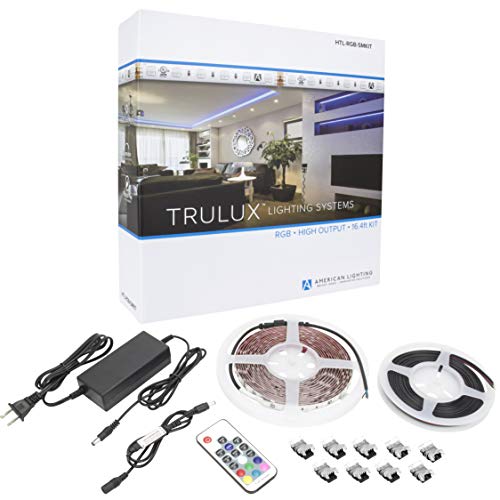
ADJUSTABLE 3-in-1 RGB COLOR-TEMPERATURES: Tunable RGB Lighting for the ultimate custom-lighting control to create linear lighting effects in home or commercial properties. Linking accessories, controllers, receivers, power supplies, and extrusions are available for Trulux tape light (sold separately)
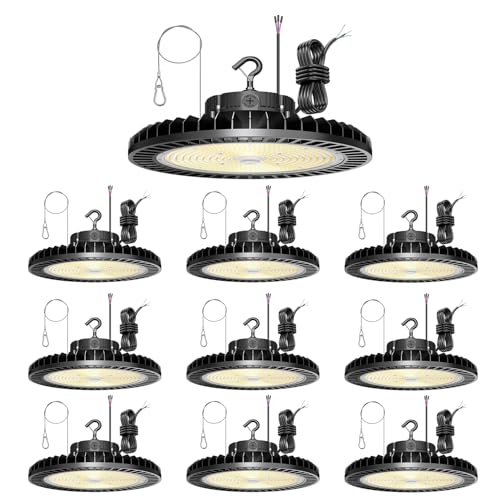
☀Dimmable & Crazy Bright: YELLORE 500w led ufo high bay light have a 0-10V seamless dimming function, any suitable brightness for your choice. It supports 100-277V input voltage and 70000 lumens output, where the brightness is up to 140LM/W, provides 5000k lighting effect. Moreover,the led ufo light use advanced SMD 3030 chips and color rendering index Ra≥80.
Low Voltage Systems in Healthcare

In healthcare facilities, the implementation of low voltage systems substantially enhances safety and operational reliability. These systems, operating below 50 volts, are essential for patient monitoring, reducing the risk of electrical shock. They power critical communication devices, such as intercoms and nurse call systems, enabling swift responses during emergencies. Low voltage lighting systems in patient areas not only foster a calming ambiance but also decrease energy consumption, enhancing safety and comfort. Additionally, integrating low voltage technology in medical equipment, including imaging tools, boosts operational efficiency while lowering overall energy costs. Adhering to the National Electrical Code (NEC) safeguards low voltage installations, ensuring safety in healthcare settings and minimizing hazards linked to electrical malfunctions. Modern healthcare facilities often incorporate USB rechargeable lights to provide flexible and environmentally conscious illumination solutions in various medical spaces.
Recommended Products

This item will be delivered curbside. To have the item delivered to a location of choice on your property, kindly make additional arrangements with a third party provider ahead of delivery

High-Performance LED Light Source: Adopts 36 brand 3W LED bulbs as the light source, with adjustable high brightness and light spot, the lighting depth can reach 200mm

No Frost – Prevents frost via easy to select Defrost setting .
Benefits for Industrial Applications

Low voltage systems revolutionize safety in industrial applications by operating at 50 volts or less, effectively minimizing the risk of electrical shock for workers. Utilizing these systems enhances energy efficiency, leading to reduced operational costs and a lower carbon footprint. Compliance with safety standards, including the National Electrical Code, is essential in maintaining a safe working environment. This adherence prevents accidents and promotes best practices in machinery operation. In addition, low voltage control systems integrated into automation systems enable precise machinery operation, which not only increases productivity but also minimizes downtime related to electrical failures. By choosing low voltage systems, industries can create safer working conditions while optimizing energy use and adhering to safety regulations, ultimately fostering a more efficient operation. Similar to advanced cabinet lighting solutions, these systems can incorporate motion sensor features that automatically activate power only when needed, further improving safety and energy efficiency.
Recommended Products

1500W Powerful Laser Welding: OMTech's fiber laser welder uses a 1500W laser source to quickly and smoothly weld both thick and thin metals with minimal material deformation compared to traditional TIG or MIG welding

Club-Quality Design for Home Use – Built with the same durable components found in premium gym equipment, engineered for quiet, comfortable, in-home performance.
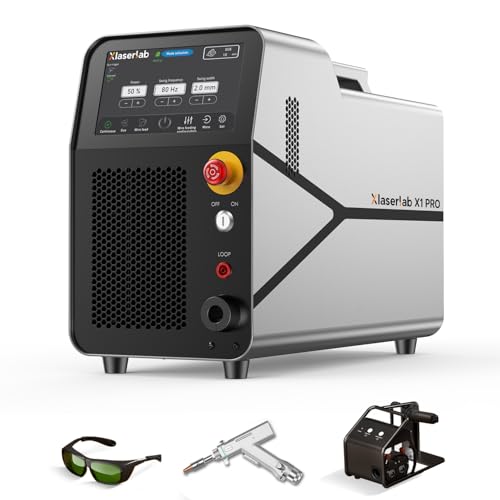
【𝐕𝐄𝐑𝐒𝐀𝐓𝐈𝐋𝐄 𝟔-𝐈𝐍-𝟏 𝐋𝐀𝐒𝐄𝐑 𝐖𝐄𝐋𝐃𝐈𝐍𝐆 𝐒𝐘𝐒𝐓𝐄𝐌】 Powered by industrial-grade Coherent laser chips, the X1 Pro Laser Welder combines six powerful functions—CNC retrofit, underwater welding, laser welding, precision cutting, rust removal, and seam cleaning—into one compact, efficient machine. Certified by SGS, its weld quality rivals professional TIG/MIG systems while delivering 4–8X faster results with a minimal heat-affected zone (HAZ) that prevents warping on thin metals. An external wire feeder provides steady wire supply for longer, cleaner, and more reliable welds.
Reduced Risk of Electric Shock
Electric shock hazards pose significant risks in various environments, highlighting the importance of safety measures in electrical systems. Low voltage systems, operating at 50 volts or less, greatly reduce the risk of electric shock compared to higher voltage alternatives. The National Electrical Code (NEC) emphasizes these systems due to their remarkable safety advantages, particularly in public areas. Even minor accidental contact with low voltage wiring typically does not lead to severe injury. Additionally, low voltage devices frequently incorporate protective enclosures and insulated components, enhancing safety during use. Regular maintenance and adherence to compliance standards are essential in mitigating electrical hazards, ensuring a consistently safe environment for all users. Prioritize low voltage solutions for effective shock risk reduction. Modern UL listed adapters provide an additional layer of safety compliance when installing low voltage cabinet lighting systems.
Compliance With Safety Regulations
Ensuring compliance with safety regulations is vital for the integrity of low voltage installations. The National Electrical Code (NEC) offers extensive guidelines important for electrical safety, specifying necessary precautions for low voltage systems. Compliance minimizes hazards such as electrical fires and shocks. Regular inspections and maintenance are required to guarantee that systems adhere to these standards, including proper insulation and effective circuit load management. Documentation of compliance with local laws must be thorough to establish legal protection and accountability during installations. Adopting international standards, such as those from the IEC, further enhances safety. Ultimately, prioritizing compliance safeguards both people and property, greatly reducing risks associated with electrical failures in low voltage systems. Modern LED driver transformers feature built-in protections against overloads and short circuits to ensure compliance with safety standards.
Recommended Products

NETWORK ENABLED TIMED ALERT 2 BUZZER SYSTEM for automated signalling shift rotations, breaks and any other timed signal applications in areas with high ambient noise levels. Access the software from any PC in the network, using any standard browser

EASY TO INSTALL: Low voltage extra loud automatic buzzer system for factory or warehouse break time alarm, setup in minutes, no need to hire professional installer

High Power & Efficiency: The TorqCali HLG-320H-54A is a 320W constant current LED driver delivering a 54V output, ideal for high-power LED lighting systems in horticulture, commercial, and industrial applications. Its high efficiency reduces energy waste and operating costs.
Enhanced User Confidence
The integration of low voltage systems at 50 volts or less markedly enhances user confidence in safety. Operating within this range considerably reduces the risk of electrical shock, making environments safer. Compliance with international safety standards, such as the NEC, reinforces this trust among users. The reliable performance and lower fire hazards associated with low voltage systems contribute to a heightened sense of security during everyday operations. Additionally, regular monitoring and maintenance guarantee that these systems avoid overloading and circuit failures, enhancing user confidence in their functionality. This increased assurance is especially vital in sensitive environments like schools and healthcare facilities, where safety benefits are paramount. Users benefit from understanding these aspects, ensuring a secure atmosphere for all. Similar to LED energy efficiency, low voltage systems consume significantly less power while maintaining optimal performance levels.
Accidents Prevention and Safety Measures
While low voltage systems inherently offer a safer alternative, implementing proper accidents prevention and safety measures is vital for maximizing their effectiveness. Operating at 50 volts or less, these systems greatly reduce the risk of electrical shock. Guarantee adequate insulation and precise installation of low voltage wiring to prevent short circuits, which can lead to dangerous situations. Regular monitoring and maintenance can help identify potential issues, guaranteeing continuous safety. Compliance with national and international electrical codes, such as NEC and IEC, is essential for safe installation. Additionally, integrating low voltage devices like security cameras and alarm systems enhances site safety by providing real-time alerts for hazards or unauthorized access. Similar to energy efficient LEDs, which produce less heat output and extend product longevity, low voltage systems minimize thermal risks. Prioritize these measures for effective accidents prevention and secure environments.
Recommended Products
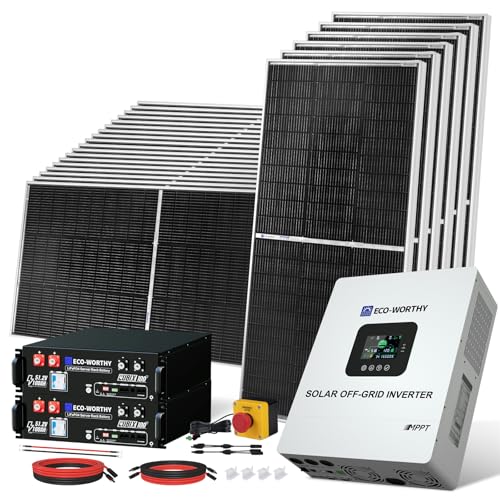
Full Off-Grid Solar Solution: Achieve energy independence with a robust renewable solution! Take control of your energy independence with the ECO-WORTHY comprehensive off-grid solar kit. This package includes two 48V 100Ah LiFePO4 integrated communication batteries, 24pcs 195W N-Type bifacial solar panels, and a powerful 5000W off-grid solar inverter equipped with a 100A MPPT solar charge controller, as well as all the necessary cables and mounting brackets.
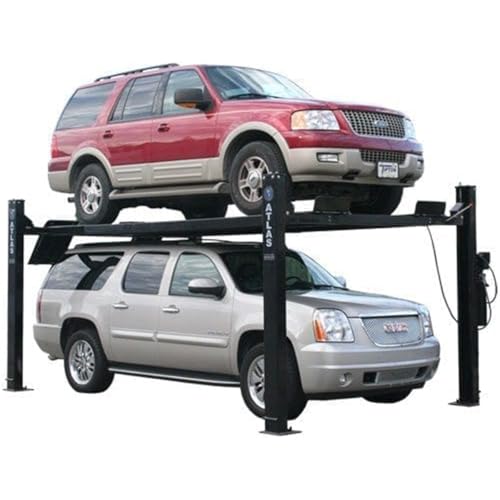
IMPRESSIVE LIFTING CAPACITY: The Atlas Garage PRO9000 4-Post Lift boasts a hefty 9,000 lb. capacity, the highest in the Garage PRO series, accommodating vehicles from Smart Cars to Diesel Dually for ultimate versatility and heavy-duty performance

Whole-Home Off-Grid Power: Still worried about power outages or unstable electricity? This system includes six 51.2V 100Ah LiFePO4 batteries and one 10000W MPPT hybrid inverter. It can support high-power appliances such as refrigerators and air conditioners, enabling stable whole-home power supply. It meets the needs of off-grid living and backup power, providing a reliable solution for energy independence.
Frequently Asked Questions
What Are the 5 Golden Rules of Low Voltage Working?
The five golden rules of low voltage working include risk assessment, proper installation techniques, adhering to regulatory compliance, conducting thorough equipment testing, and implementing regular maintenance practices to guarantee overall electrical safety and operational reliability.
Why Is Low Voltage Protection a Good Idea?
Low voltage protection enhances electrical safety by minimizing risks, guaranteeing effective circuit protection through thoughtful equipment design. Regular maintenance protocols, workplace training, and adherence to regulatory compliance further guarantee energy efficiency and robust emergency procedures.
What Are the Safety Precautions for Low Voltage?
Safety precautions for low voltage include adhering to compliance standards, conducting thorough risk assessments, implementing grounding techniques, employing circuit protection, establishing inspection routines, utilizing safety equipment, managing cables properly, and providing complete training programs and emergency procedures.
What Are the Advantages of Using a Low Voltage Control System?
Low voltage control systems offer energy efficiency, system reliability, and cost effectiveness. Installation simplicity and maintenance requirements are minimal, while scalability options, integration ease, and performance consistency enhance user interface and promote environmental sustainability in various applications.