As an Amazon Associate, we earn from qualifying purchases. Some links on this site are affiliate links at no extra cost to you. Our recommendations are based on thorough research and editorial judgment.

How to Reduce Voltage Drop in Long LED Runs

To reduce voltage drop in long LED runs, use thicker wires (12-14 AWG) to minimize resistance. Limit 12V LED strips to 16 feet and 24V strips to 32 feet to avoid issues. Inject power every 5 meters for peak performance. Position power supplies centrally and consider multiple supplies for longer runs. Additionally, select quality LED strips with voltage regulation features for consistent brightness. Implement these strategies to guarantee efficiency and performance throughout your installation. Continue exploring for further insights.
Key Takeaways
- Use thicker wire gauges (12-14 AWG) to reduce resistance and improve conductivity over long runs.
- Inject power every 5 meters for better voltage stability in lengthy LED installations.
- Position power supplies centrally and consider multiple supplies to evenly distribute voltage.
- Opt for shorter LED strip segments to maintain voltage integrity and prevent drop issues.
- Regularly check connections and invest in quality LED strips with effective voltage regulation features.
Understanding Voltage Drop and Its Impact
You may be interested


Voltage drop is a critical factor to contemplate when working with long runs of LED strips. It occurs as electrical current flows through wiring, leading to reduced voltage along the strip. For instance, 12V LED strips may experience noticeable voltage drop over just 16 feet, while 24V strips can extend to 32 feet before significant loss occurs. Symptoms like dimming LEDs, color distortion, and flickering signal insufficient voltage delivery. Resistance increases with longer runs and higher current draw, especially when multiple LEDs operate at maximum brightness. To mitigate voltage drop, choose appropriate wire gauge, limit the distance from the power supply, and consider power injection at regular intervals to guarantee peak lighting performance. Anodized aluminum channels help dissipate heat effectively while protecting LED strips, which can help maintain consistent voltage levels throughout the installation.
Maximum Run Lengths for LED Strips
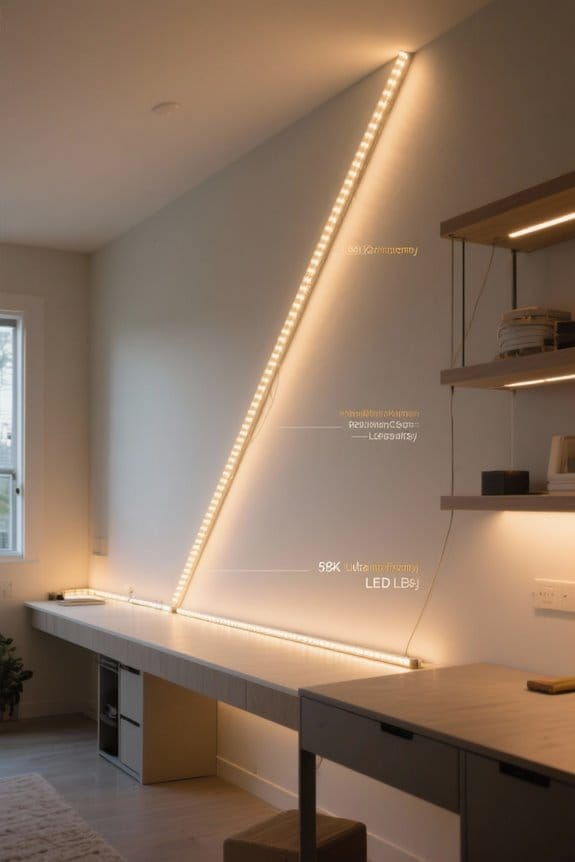
When planning installations of LED strips, it is essential to understand ideal run lengths to guarantee proper functionality and aesthetic consistency. For 12V LED strips, the maximum run length is approximately 16 feet (5 meters). Exceeding this length can lead to voltage drop, resulting in dimming and uneven brightness. In comparison, 24V LED strips can run up to 32 feet (10 meters) without considerable voltage drop challenges. To enhance performance in longer runs, consider power injection every 5 meters. Additionally, using a thicker wire gauge, such as 12-14 AWG, can greatly reduce voltage drop, ensuring LED strips function effectively. Always adhere to these guidelines to achieve uniform brightness and color consistency in installations. With an average LED strip lifespan of 50,000 hours, proper voltage management helps maintain optimal performance throughout their extended usage period.
Recommended Products

【Ultra Bright】2X16.4FT DC12V 810 Chips each meter.Compared with traditional 5050SMD RGB 3528SMD RGB light strips, FCOB light strips dense light-emitting units create a brighter, softer, and more uniform light, avoiding black in the middle area.

3 LED 2835 SMD LED Module 0.72W, Color :6500 White, 12V DC input voltage.

Color :6500K White ,4 LED Square Injection Module Light, 12V DC input voltage
Signs of Voltage Drop in LED Installations
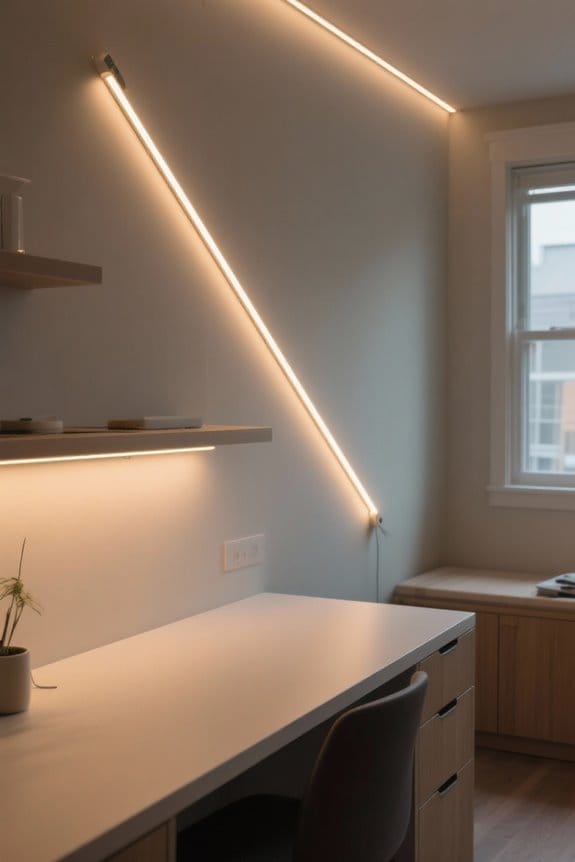
How can one quickly identify signs of voltage drop in LED installations? Voltage drop often manifests as dimming, particularly noticeable in LED strips towards the end when lit at full brightness. RGB strips may exhibit color shifting, where one color, typically red, dominates due to insufficient voltage reaching distant sections. Additionally, brightness inconsistencies can occur, as LEDs closer to power supplies may shine brighter than those further away. Flickering during operation often indicates that the power supply is inadequate for the total load. Measuring voltage at the end of long runs may reveal considerably decreased readings, such as 3.5V compared to the expected 5V. These symptoms collectively indicate potential voltage drop issues that should be addressed promptly. Installing LED mounting clips can provide additional stability and prevent sagging that may contribute to voltage drop issues in longer strip installations.
Importance of Wire Gauge in Reducing Voltage Drop
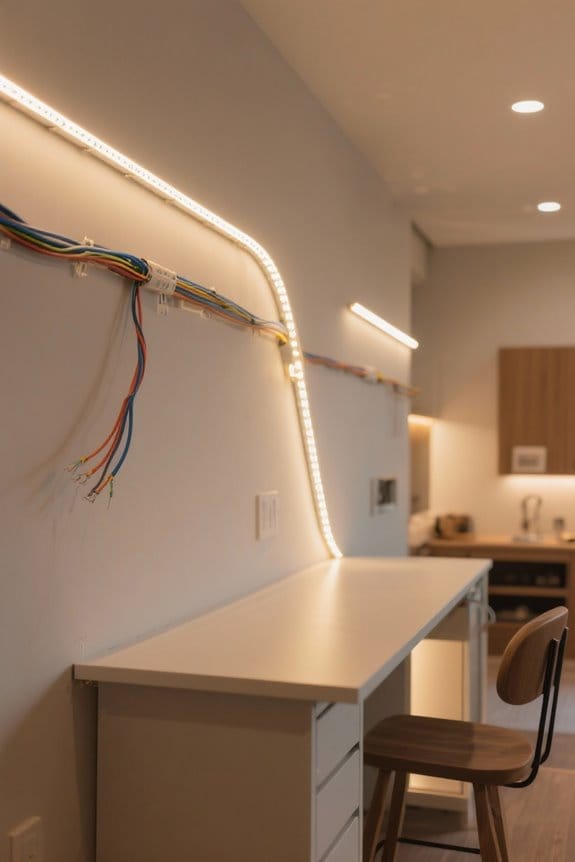
Selecting the appropriate wire gauge is crucial for minimizing voltage drop in LED installations. Thicker wires, typically ranging from 12-14 AWG, offer less resistance than thinner wires like 18 AWG. This resistance increases with cable length, making thicker wires essential for longer runs of LED strips. To calculate the total current draw, multiply the number of LEDs by their current consumption, which often averages 0.06A per WS2812B LED. As each gauge decrement lowers resistance by about 20%, using lower gauge wires enhances electrical efficiency. Consistent wire gauge throughout an installation eliminates weak points that may amplify voltage drop, thereby improving brightness and color accuracy of the LEDs. Prioritize thicker wires to achieve peak performance in your LED setup.
Strategic Placement of Power Supplies
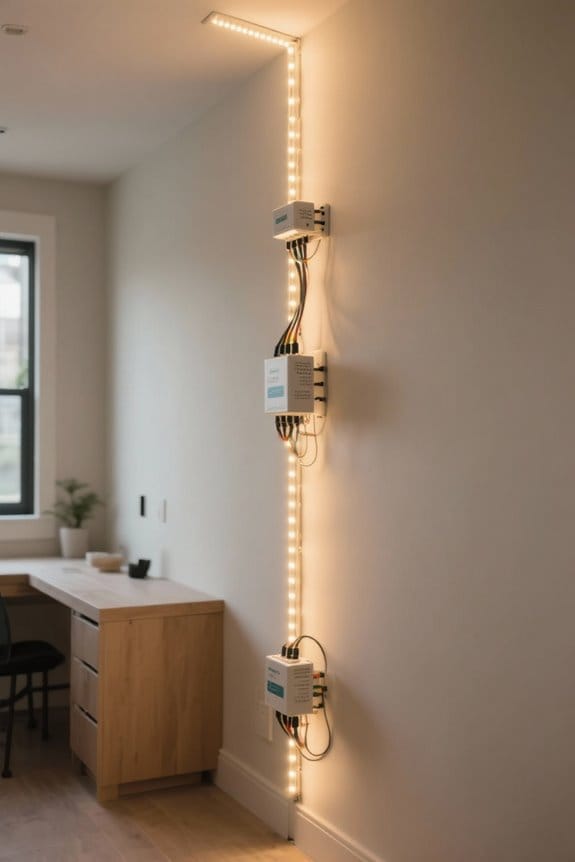
To achieve ideal performance in long LED runs, strategically placing power supplies is essential for minimizing voltage drop and guaranteeing consistent brightness. For installations longer than 40 feet, power supplies should be positioned in the center, as this minimizes the maximum distance to each segment. Consider using multiple power supplies at intervals, such as the Long Beach Airport’s implementation, which employed two units for 60-foot strips. To further distribute voltage evenly, inject power at the start, middle, and end of the runs. Verify power supplies are selected for total wattage requirements to accommodate the entire installation. This strategic placement markedly enhances performance and mitigates voltage drop in extensive LED setups. Modern LED energy efficiency delivers up to 90% power savings compared to traditional lighting solutions while maintaining optimal voltage distribution.
Utilizing Parallel Wiring and Power Injection
Utilizing parallel wiring for long LED runs is an important technique that can drastically reduce voltage drop and secure uniform brightness across all segments. By implementing parallel connections, multiple power injection points are established, distributing the electrical load. For 12V LED strips, power injections should occur every 5 meters, while for 24V strips, spacing them every 10 meters is advisable. To further minimize resistance, it is vital to use thicker gauge wires, such as 14 AWG. Powering LED strips from both ends and the middle can guarantee an even voltage distribution. Incorporating additional power supplies along long runs, especially for high current draw LED setups like WS2812B strips, effectively combats significant voltage loss. Quality LED strips like the CT CAPETRONIX options provide optimal brightness of up to 1700 lumens while maintaining energy efficiency at different voltage levels.
Recommended Products

The heavy-duty cable adopts more advanced production technology, with a layer of non-woven fabric wrapped between the outer sheath and the core wire, and cotton thread filled in the middle of the core wire to ensure sufficient flexibility and increase tensile strength, making it very suitable for dynamic and static use!
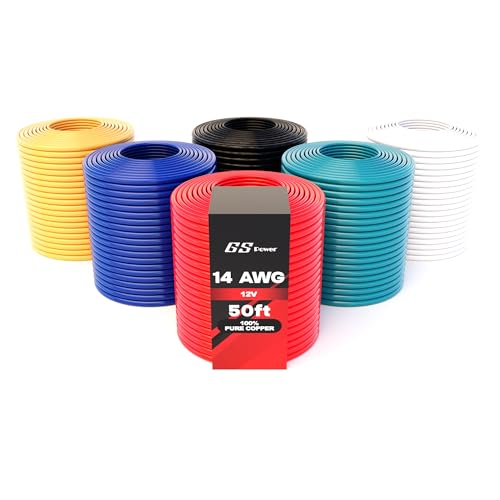
Enhanced Performance: Experience superior conductivity with GS Power OFC speaker wire low voltage 12V electrical wire, 14 gauge wire is ideal for applications like automotive wiring and home theater setups; ensures optimal sound quality and reliability. Enhanced conductivity, and highly flexible.

HIGHLY CONDUCTIVE: NAOEVO electrical wire uses high-precision oxygen-free tinned copper, The outside diameter of the Jacket is 3.5 mm Typ, and 41 strands of 0.24 mm tinned copper wire are inside each circuit, has lower resistance and higher conductivity
Benefits of Higher Voltage LED Strips
The advantages of higher voltage LED strips, particularly 24V variants, are evident in their ability to enhance performance over longer distances. Unlike 12V strips, which generally support runs of only 16 feet, 24V strips can maintain consistent illumination up to 32 feet. This reduction in voltage drop greatly minimizes the risk of uneven brightness or color shifts. In addition, using higher voltage LED strips promotes energy efficiency, as they draw less current for equivalent wattage outputs. This factor reduces heat generation and extends the LED’s lifespan. Moreover, fewer power injection points are required, leading to simpler installations. Adopting thinner wire gauges can also cut down installation costs while ensuring stable performance over longer runs, maximizing efficiency in your lighting project. The system’s high CRI rating helps ensure accurate color representation, making it especially valuable for specialized lighting applications like kitchen under-cabinet installations.
Selecting Quality LED Strips to Mitigate Voltage Drop
Choosing high-quality LED strips is essential for minimizing voltage drop, especially over long distances. Opt for 24V LED strips instead of 12V, as they reduce voltage drop due to their higher operating voltage and lower current draw per foot. Select LED strips with thicker copper traces; this enhances conductivity and minimizes resistance. Additionally, review the power consumption—lower wattage per foot directly correlates with a decreased risk of voltage drop. Consider brands that include built-in voltage regulation, ensuring consistent brightness and color accuracy even across extensive runs. Finally, always adhere to the manufacturer’s specifications for maximum run lengths; using lower-quality strips beyond these limits often leads to performance issues related to voltage drop. The 11,000 lumens output from high-performance strips like the KXZM 24V Double Row demonstrates how quality LED strips can maintain brightness even in extended installations.
Recommended Products

FOR CUSTOM INSTALLS (STRIP ONLY): Includes one 26.2ft (8-meter) reel of LED light strip, designed for professional and custom installations. This component-only option allows you to integrate the strip with your own preferred power supply, dimmers, and control systems. Note: A power source is required for operation and is sold separately

FOR CUSTOM INSTALLS (STRIP ONLY): Includes one 16.4ft (5-meter) reel of LED light strip, designed for professional and custom installations. This component-only option allows you to integrate the strip with your own preferred power supply, dimmers, and control systems. Note: A 24 volt power source is required for operation and is sold separately. For a plug-and-play package, please select our "Kit" option

These strips are installed in a wide variety of applications including, General accent lighting, Under cabinet lighting, Above cabinet lighting, Toe kick lighting, Shelving lighting, Back lighting, Bathroom and bedroom lighting, Ambient lighting, Cove lighting, Awning and eave lighting, Bar and restaurant lighting, Pathway lighting, Hotel lighting.
Frequently Asked Questions
How to Prevent Voltage Drop in LED Lights?
To prevent voltage drop in LED lights, one should apply effective LED wiring methods, conduct voltage drop calculations, choose suitable power supplies, utilize LED driver features, and consider using amplifiers to enhance performance across long distances.
How to Avoid Voltage Drop on Long Runs?
To avoid voltage drop on long runs, one should consider proper wire gauge, utilize voltage drop calculators, connect in parallel rather than series, and potentially incorporate amplifiers to guarantee consistent performance across LED run lengths.
How to Reduce Voltage Drop Over Distance?
Mitigating voltage drop over distance is akin to taming a wild beast. Selecting the appropriate wire gauge, conducting load calculations, optimizing cable length, and employing suitable connection types can greatly diminish power loss along lengthy runs.
How to Reduce Voltage for an LED?
To reduce voltage for an LED, one must consider LED current regulation, select appropriate resistors, guarantee power supply efficiency, evaluate LED driver quality, and utilize voltage measurement tools for ideal performance and stability.