As an Amazon Associate, we earn from qualifying purchases. Some links on this site are affiliate links at no extra cost to you. Our recommendations are based on thorough research and editorial judgment.

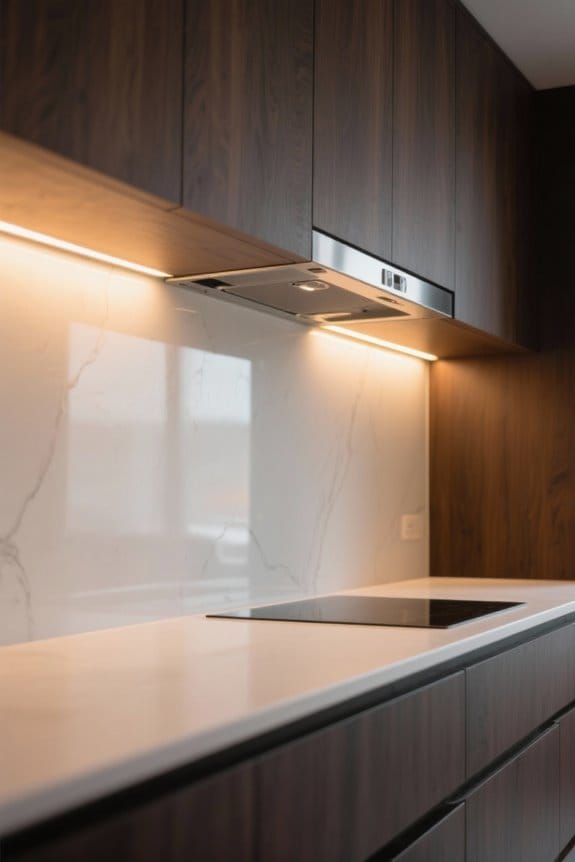
Understanding Color Temperature in Kitchen Lighting

Understanding color temperature is essential for kitchen lighting design. It affects the atmosphere and functionality of the space. Warm white light (2700K-3000K) creates a cozy dining area, while neutral white (3500K-4000K) is recommended for general kitchen use. For task lighting in food preparation zones, opt for cool white (4500K-5000K). Select LED bulbs for energy efficiency and longevity. Always consider lumens for brightness: aim for 5,000 to 10,000 lumens overall. This expertise is just the beginning.
Key Takeaways
- Color temperature affects kitchen ambiance, with warm lights (2700K-3000K) fostering coziness for dining areas and cooler lights (4500K-5000K) promoting task efficiency.
- Ideal general kitchen lighting falls within the neutral range of 3500K-4000K to ensure versatile usability across different tasks.
- Task lighting should be cool white (4500K-5000K) and provide adequate lumens for effective food preparation.
- Layered lighting design, including ambient, task, and accent lights, creates both functionality and aesthetic appeal in the kitchen.
- Choosing energy-efficient LED bulbs allows for a longer lifespan and versatile color temperatures, enhancing overall kitchen lighting quality.
Understanding Color Temperature: What Is It and Why Does It Matter?
You may be interested
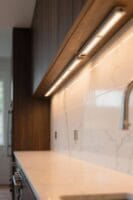
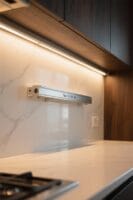
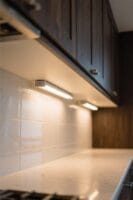
Color temperature is a critical aspect of kitchen lighting that greatly influences the overall environment and functionality. Measured in Kelvin (K), it ranges from warm lights at 2700K-3000K to cooler light at 4500K-5000K. Warm white light, ideal for dining areas, creates a cozy atmosphere, enhancing social interactions. Conversely, cooler light is essential for task lighting, as it increases visibility while cooking or preparing food. Selecting appropriate lighting elements prevents harsh lighting, typically exceeding 5000K, which can hinder the pleasantness of the kitchen space. For general kitchen usage, a neutral white at 3500K-4000K serves a versatile role. Consequently, understanding color temperature guarantees effective task lighting, contributing positively to mood and functionality in various kitchen zones. With Color Rendering Index ratings above 80, LED lights ensure accurate color representation of food and kitchen elements, enhancing the overall cooking experience.
Ideal Color Temperatures for Different Kitchen Areas
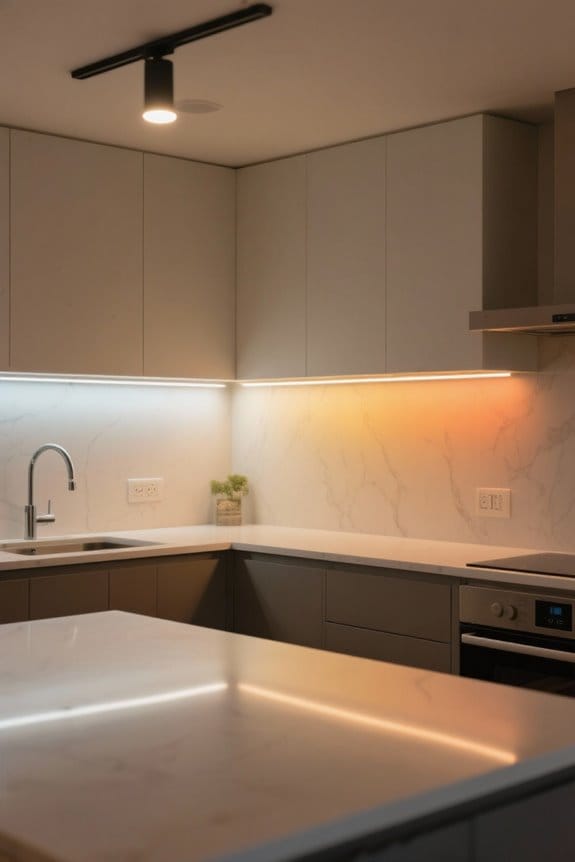
How can one effectively illuminate different areas of a kitchen to enhance both function and ambiance? Selecting the right color temperature is essential. For ambient light in dining areas, warm white bulbs, ranging from 2700K to 3000K, create a cozy atmosphere. In contrast, a neutral white color temperature range of 3500K to 4000K is ideal for general kitchen lighting, enhancing visibility for daily activities. Task lighting in food preparation zones should utilize cool white, typically between 4500K and 5000K, ensuring bright illumination for detailed work. Additionally, accent lighting can vary from 2700K to 4000K to highlight cabinetry or artwork, complementing the kitchen’s overall warmth. This thoughtful selection of color temperatures enhances both functionality and aesthetic appeal. For optimal safety and durability in kitchen environments, selecting fixtures with an IP65 rating provides complete protection against dust and water jets, ensuring long-term performance.
Recommended Products

𝙈𝙤𝙙𝙚𝙧𝙣 𝘾𝙧𝙮𝙨𝙩𝙖𝙡 𝙇𝙞𝙜𝙝𝙩𝙞𝙣𝙜: With its elegant raindrop lampshade and luxury gold finish, this chandelier combines modern elegance with timeless sophistication. It will be the stunning lighting fixture designed elevate the ambiance of your home. Special chandelier for dining room, living room, kitchen island, hallway, entryway, bathroom, bedroom, foyer and more.

FRONT AND BACKLIT LED BATHROOM MIRROR - This 36x48 inch lighted vanity mirror features dual lighting with front-facing LEDs for task illumination and backlit ambient glow. Tempered HD glass delivers crystal clear reflection for makeup, shaving, and daily grooming.
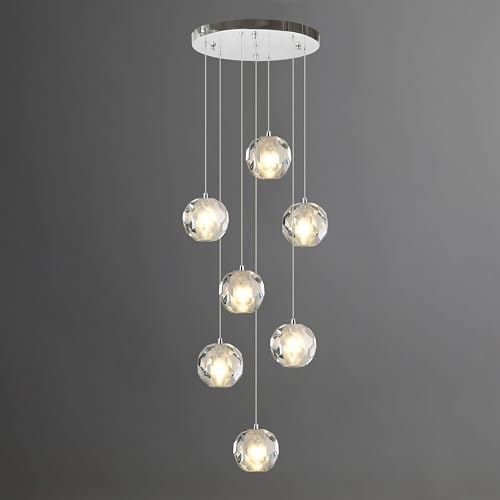
Modern Design & Sparkling Briliiance: Crafted with high-quality selected K9 crystal multi-facted shades and sophisticated chrome metal, this modern crystal pendant light offers a visual feast of modern luxury. When illuminated, the light refracts through countless facets, creating a dreamlike, radiant sparkle that instantly elevates the style and ambiance of your home.
Choosing the Right Light Bulb: LED vs. Fluorescent vs. Incandescent
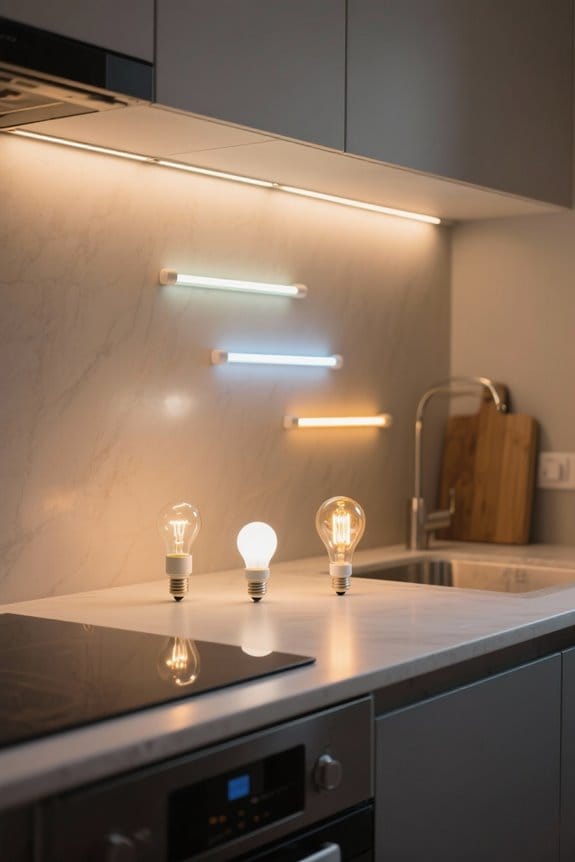
When considering kitchen lighting, the choice of light bulb greatly influences the overall effectiveness of illumination. LED bulbs are highly energy-efficient, consuming 75% less energy than incandescent bulbs while lasting up to 25,000 hours. This makes them ideal for long-term kitchen lighting solutions. Conversely, incandescent bulbs emit a cozy, warm light but fall short in lifespan and energy efficiency. They typically last only about 1,000 hours. Fluorescent bulbs, although more cost-effective than incandescent options, may produce flickering and have limited dimming capabilities. When selecting bulbs, prioritize LED options for versatility in color temperature and durability. Many modern LED fixtures offer color temperature range from 2700K to 5000K for optimal kitchen task lighting. Ultimately, understanding these differences is essential for making informed decisions in kitchen lighting, enhancing both functionality and ambiance.
Recommended Products


Bulk Pack for Wholesale & Commercial Projects :This 576-pack of FLSNT B11 E12 LED chandelier bulbs is designed for wholesale buyers, hotels, restaurants, and contractors. Ideal for large-scale lighting projects, reducing purchase frequency and ensuring consistent supply at a competitive cost.

INSTALL & SHINE BRIGHT: Upgrade to the LEDMyplace 4FT T8 LED Tube Lights for crisp, bright illumination. With 2860 lumens of superior brightness, this LED tube is the perfect replacement for power-hungry fluorescent tubes, delivering enhanced lighting while reducing energy consumption.
How Bright Should Your Kitchen Lights Be?
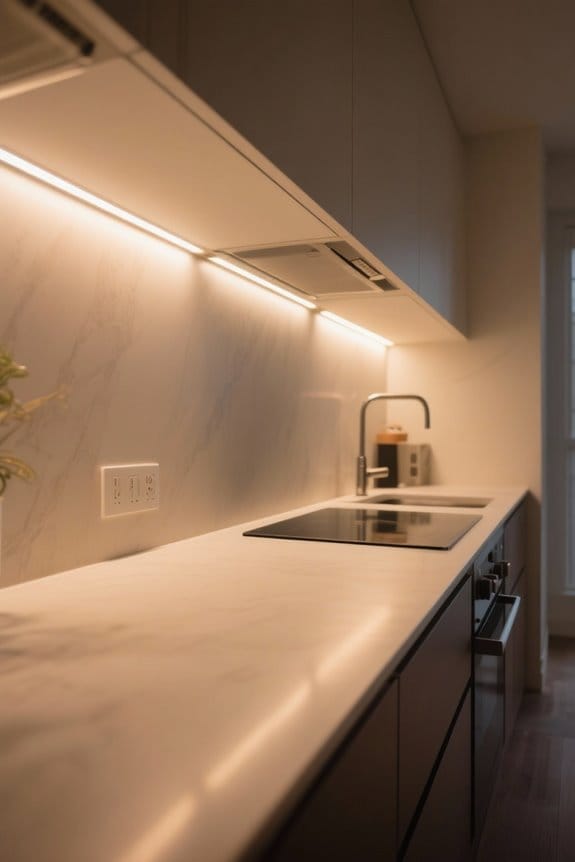
Determining the ideal brightness for kitchen lighting is imperative for enhancing both functionality and aesthetic appeal. General kitchen lighting should provide between 5,000 to 10,000 lumens for overall illumination. Task lighting, essential for workspaces like countertops, should range from 3,000 to 4,000 lumens to guarantee effective visibility during food preparation. Accent lighting plays an important role in aesthetics and should be set between 2,000 to 4,000 lumens, creating a warm atmosphere without overwhelming primary sources. Effective kitchen design relies on layered lighting, incorporating ambient, task, and accent lighting to achieve the perfect balance. Proper measurement of lumens helps create a well-lit environment, catering to various cooking and social activities while considering both brightness and color temperature. For under-cabinet task lighting specifically, 300 lumens per foot is recommended to ensure adequate illumination for food preparation and other counter-based activities.
Recommended Products

[Colors Changeable & Brightness Dimmable] You can easily switch between color temperatures like 3000K for warm light, 4000K for neutral light, and 6000K for white light, adapting to various conditions. You can also adjust the brightness to your comfort level.

Flexible silicone cased tape light for enhanced Damp location listing. Peel and stick3 construction adhesive on back. Indicator marks every 6 inch for field cutting at the end of a run

Invisiled Pro 1Ft indicator marks every 2 inch for field cutting at the end of a run
Practical Tips for Choosing the Best Light Color for Your Kitchen
Selecting the appropriate light color for a kitchen is essential for both functionality and ambiance. For general kitchen lighting, aim for a neutral white color temperature between 3500K and 4000K to achieve versatility and accurate color rendition. In dining areas, use warm white light, specifically between 2700K and 3000K, to evoke a cozy atmosphere. For areas requiring task lighting, opt for cool white light within the range of 4500K to 5000K to enhance brightness. Implement layered lighting by combining ambient, task, and accent fixtures for a well-balanced environment. Always consider the Color Rendering Index (CRI) of bulbs; selecting those with a CRI of 80 or above guarantees colors are viewed with clarity, enhancing cooking and dining experiences. Modern LED light splitters can help you achieve the perfect color temperature balance by allowing multiple lighting configurations from a single power source.
Recommended Products
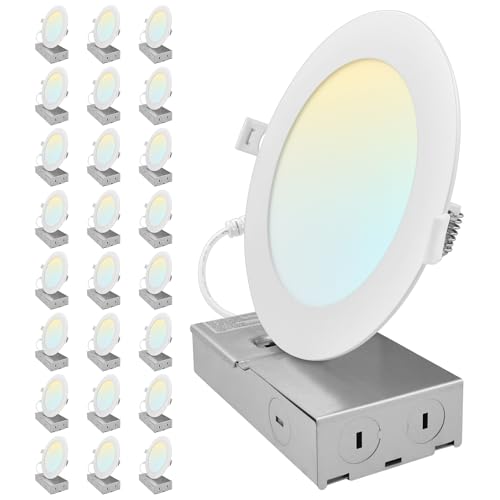
5 Color Temperature Options: Customize your lighting with 5 CCT-selectable colors—2700K (Warm White), 3000K (Soft White), 3500K (Neutral White), 4000K (Cool White), and 5000K (Bright White). Featuring a 105° beam angle and CRI 90+ for true-to-life color rendering, this ceiling-mounted LED fixture delivers energy-efficient lighting with 800/1050/1250 lumen brightness options.

5 Color Temperature Options: Our surface mount led ceiling light, featuring 5 CCT selectable colors 2700K (Warm White), 3000K (Soft White), 3500K (Neutral White), 4000K (Cool White), and 5000K (Daylight). With a beam angle of 120° and CRI 80, this LED panel light offers energy-efficient lighting in 3300/4400/5500 lumen light options.

5/6 Inch Retrofit LED Downlight with Baffle Trim
Common Mistakes to Avoid When Choosing Kitchen Lighting
Choosing the right kitchen lighting involves avoiding several common mistakes that can diminish both functionality and aesthetics. Relying on a single light source often causes shadows and uneven illumination, affecting critical areas. Instead, opt for a combination of ambient and task lighting for a balanced effect. It’s crucial to evaluate energy-efficient light bulbs to lower electricity bills while reducing environmental impact. Ignoring varying color temperatures can result in undesirable ambiance; always test different hues to find what complements your kitchen best. Additionally, failing to address the specific functions of various zones—such as food preparation—leads to inadequate task lighting. Always prioritize functionality by ensuring well-lit spaces tailored to your kitchen needs. For optimal task visibility in kitchen workspaces, select lighting options that provide 700 lumens brightness to properly illuminate countertop areas.
The Impact of Natural Light on Kitchen Lighting
Natural light influences kitchen lighting strategies substantially, affecting both the functionality and aesthetic qualities of the space. The color temperature of natural sunlight ranges from approximately 5000K to 6500K. Artificial lighting should align with this spectrum to prevent color distortion. When designing kitchens that maximize natural light, consider using warm light, which complements daylight and creates a cozy atmosphere. Conversely, cool light can enhance visibility during darker hours. Assess shadows and light patterns formed by natural light, as they impact uniform illumination. Tailoring artificial lighting to these factors is vital. This guarantees not only effective workspace illumination but also maintains a cohesive and inviting ambiance, important for both everyday tasks and social gatherings in the kitchen. Installing motion sensor lights can provide automatic illumination when natural light levels decrease, ensuring consistent visibility throughout the day.
Layered Lighting for a Functional Kitchen
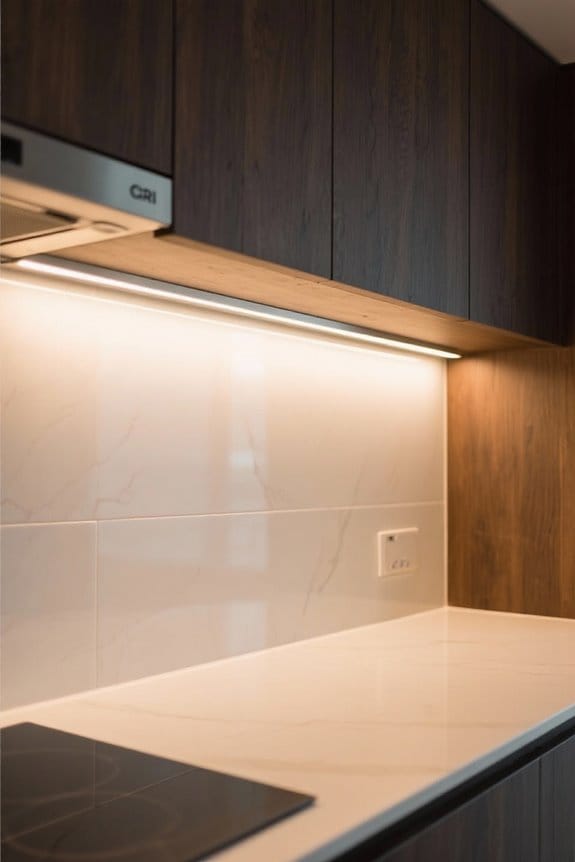
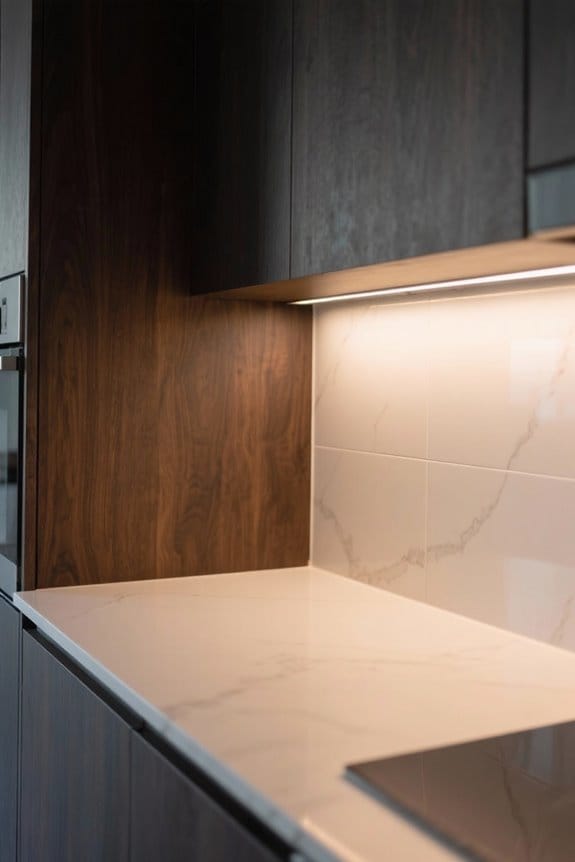
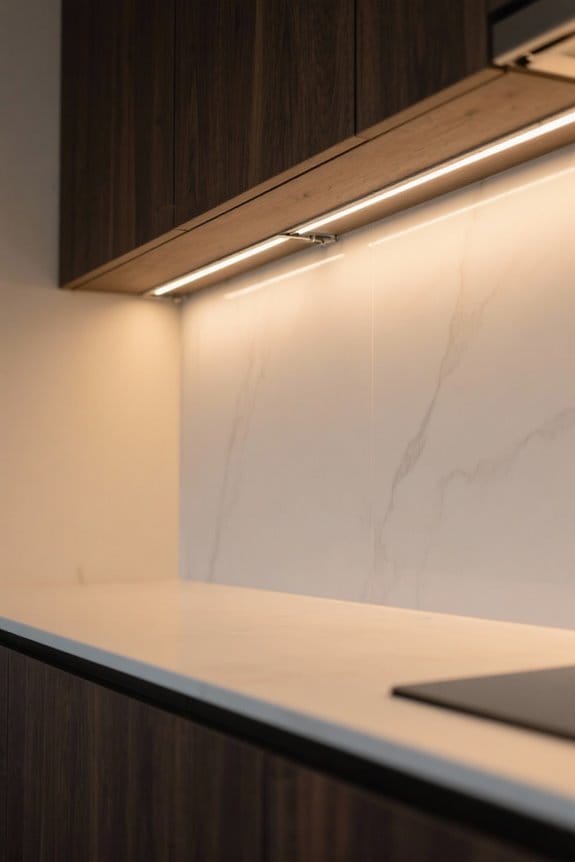
While designing a functional kitchen, incorporating layered lighting is essential for achieving both usability and aesthetic appeal. A balanced approach combines ambient lighting, task lighting, and accent lighting for ideal results. Ambient lighting, typically in the neutral white range of 3500K-4000K, offers overall brightness throughout the kitchen. For specific work zones, such as countertops, task lighting should be employed at color temperatures from 3000K to 5000K, ensuring clarity during food preparation. Accent lighting, often utilizing warmer temperatures between 2700K-3000K, highlights architectural details and adds a warm glow to the space. Implementing dimmers or smart bulbs enhances versatility, allowing users to easily adjust lighting to suit both mood and functionality as needed. Modern LED cabinet lights deliver up to 180 lumens of brightness while offering customizable color temperatures to seamlessly integrate with your kitchen’s lighting scheme.
How to Test and Select Light Colors Effectively
Testing and selecting light colors in a kitchen involves a systematic approach to guarantee the right ambiance and functionality. Examine light bulbs with color temperatures ranging from 2700K to 5000K. Warm white light (2700K-3000K) fosters a cozy dining space, while cool white light (4500K-5000K) optimizes visibility for cooking tasks. Utilize the color rendering index (CRI); aim for a minimum of 80 for accurate color representation. Assess your light colors at different times of the day to understand natural light’s influence. Test selected bulbs in your kitchen prior to finalizing choices, as LEDs can vary in impact on wall and cabinetry colors. For effective layering lighting, combine cooler bulbs in task areas with warmer tones in ambient spaces. Consider installing motion sensor technology in under-cabinet areas to provide hands-free illumination while cooking or accessing storage spaces.
Influence of Color Temperature on Cooking and Food Presentation
Color temperature plays a pivotal role in both cooking and food presentation, greatly influencing how ingredients and dishes are perceived. The ideal range for cooking tasks is between 4000K and 5000K, enhancing visibility and guaranteeing accuracy in food preparation. Conversely, warm white lighting (2700K-3000K) fosters a cozy atmosphere, considerably improving the visual appeal of plated meals. It invites diners to enjoy their culinary creations. However, temperatures exceeding 5000K can create harsh environments with stark shadows, distorting food colors. A color rendering index (CRI) of 80 or above is essential for kitchens, allowing true hues to shine through. Consistent color temperatures throughout the kitchen guarantee a harmonious look, elevating the overall presentation of each dish. Modern LED lighting solutions offer adjustable color temperatures from warm to daylight settings, enabling customization for different cooking and dining scenarios.
Recommendations for Lighting Control and Dimming Options
Creating an ideal lighting environment in the kitchen involves more than just selecting the right bulbs; it requires thoughtful implementation of dimming options for versatility. Dimming options allow users to adjust brightness levels, shifting from bright task lighting to softer settings suited for dining. When choosing LED bulbs, opt for compatible dimmers that prevent flickering and maintain longevity. Always check the total wattage to verify the dimmer’s safe load capacity. Smart lighting systems enhance control by enabling remote management and programmable schedules. Evaluate compatibility ratings when selecting dimmers to facilitate seamless integration with specific LED bulbs. This careful consideration maximizes performance and enhances the overall ambiance of the kitchen environment.
Recommended Products

Premium Clear Glass: Features hand-polished crystal-clear glass panels/bubbles (no smoke tint), offering 95%+ light transparency for brighter, distortion-free illumination with the room decoration to create an elegant and luxurious atmosphere.The drum chandelier for living room,dining room.

【Gold Chandelier】The golden round chandelier in the restaurant adopts a unique amber glass design. The modern chandelier shade is made of layered glass, all amber glass polyhedrons are suspended on a metal frame circle, combining with the room decoration to create an elegant and luxurious atmosphere.

INGLENOOK CHANDELIER DIMENSIONS: 17.5" High (68.75" Max Adjustable Height) x 47.5" Wide x 16" Long, Weight: 31.86 LBS, Ceiling Canopy: 8.00"W x 4.50"D
Frequently Asked Questions
What Color Temperature Is Best for Kitchen Lighting?
The best color temperature for kitchen lighting balances warm tones for ambiance and bright, cool light for task lighting. This design balance enhances functionality while considering color psychology, ensuring an inviting space for cooking and dining.
Is 3000K or 5000K Better for Kitchen?
A 3000K warm white light is better for ambient lighting, creating a cozy atmosphere, while 5000K cool white light excels in task lighting, enhancing color rendering and visibility during food preparation and cooking tasks.
Is 4000K or 5000K Better for a Kitchen?
In a kitchen, 4000K is often favored for its balance of kitchen ambiance and lighting efficiency, enhancing task lighting while promoting a welcoming atmosphere. However, 5000K may enhance color perception and maximize energy savings during detailed tasks.
Is 4500K or 5700K Color Temperature Better?
In a bustling kitchen, 4500K provides a warm ambiance, enhancing color perception and mood. Conversely, 5700K simulates daylight, promoting visual clarity and focus. The choice ultimately hinges on task requirements and desired atmosphere.