As an Amazon Associate, we earn from qualifying purchases. Some links on this site are affiliate links at no extra cost to you. Our recommendations are based on thorough research and editorial judgment.

Understanding Dimming Options for LED Strips

Understanding dimming options for LED strips is vital for achieving ideal lighting performance. Dimmable LED strips typically operate on 12V or 24V DC, allowing users to adjust brightness through technologies like Pulse Width Modulation (PWM). Options include TRIAC, 0-10V, and digital dimming, each offering different benefits. Proper compatibility with LED drivers is essential to prevent issues like flickering. By choosing the right dimming technology and correctly installing it, users can enhance energy efficiency and lighting quality. Explore further to refine your knowledge.
Key Takeaways
- Dimming allows customization of brightness levels, enhancing user experience with LED strips through techniques like Pulse Width Modulation (PWM).
- Choose compatible dimming technologies, including TRIAC, 0-10V, and digital options, to prevent common issues like flickering and limited dimming range.
- Evaluate your application’s needs—residential or commercial—when selecting dimming solutions, as larger spaces benefit from scalable dimming methods.
- Ensure proper setup and connections to avoid overheating, buzzing, and color changes, leading to an optimal dimming performance.
- Access installation guides and troubleshooting resources to achieve energy savings and prolong the life of LED lights through effective dimming.
Understanding LED Dimming
You may be interested


Dimming serves as a critical aspect of LED lighting that allows users to customize brightness levels effectively. Understanding LED dimming begins with the compatibility of dimmable LED strips with appropriate LED drivers and dimming controls. Pulse Width Modulation (PWM) is a common method for controlling brightness levels, preserving color quality while achieving various intensity settings. Designers should guarantee that the chosen dimmers are specifically designed for LED technology to prevent flickering or a limited dimming range. Utilizing specialized dimmers can optimize performance, achieving a broader range of brightness levels and enhancing the overall energy efficiency of the system. This thoughtful approach to LED dimming leads to a customized lighting experience, tailored to individual preferences and specific environments. Modern LED strips can offer five color temperatures ranging from warm white at 2700K to cool white at 5000K, providing versatile lighting solutions for any space.
Dimming Capability of LED Strips
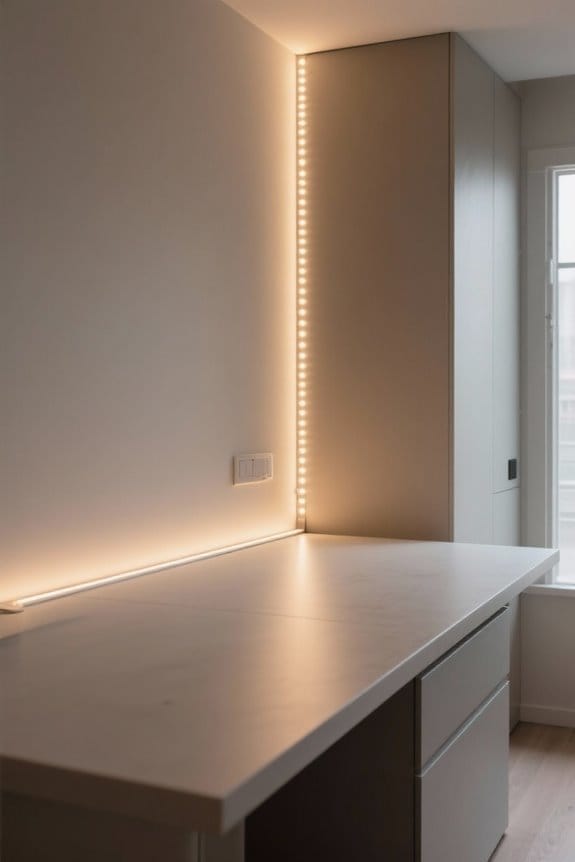
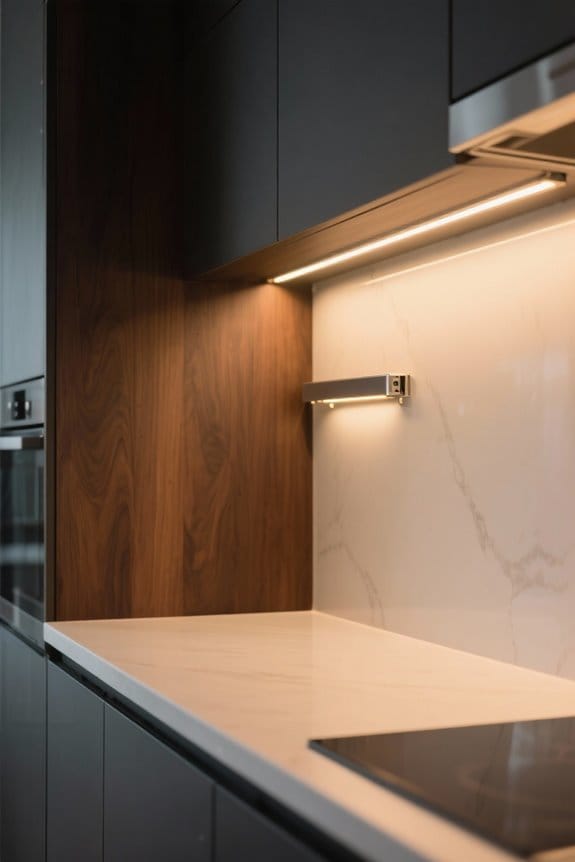
Many LED strips feature built-in dimming capabilities, enabling users to tailor light intensity to suit various environments and activities. The vital power supply converts AC power to the required 12V or 24V DC voltage, allowing effective dimming functionality. However, users must guarantee compatibility between dimmable LED strips and their power supply for peak performance. The interpretation of dimming control signals from wall dimmers is significant; using incorrect dimmer types may result in undesirable flickering or limited dimming range. Users should seek compatible options to experience the full versatility of their LED strips. Understanding the interplay of these components is key to achieving the desired light intensity without compromising performance. Choose wisely to enhance your lighting experience. The aluminum channel construction provides effective heat dissipation that helps maintain consistent dimming performance over time.
Recommended Products
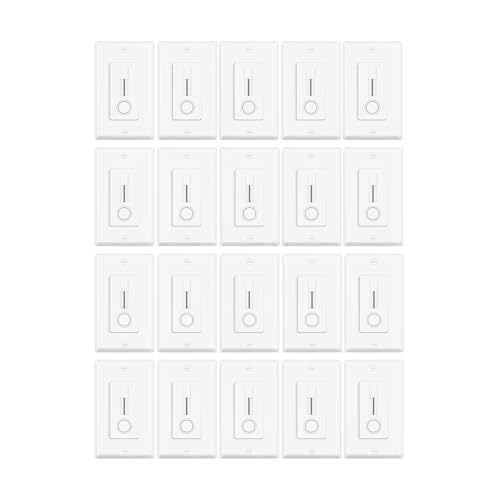
✅【2 in 1 LED Driver and Dimmer Switch】:By integrating the LED driver and dimmer into a single unit,streamline installation and ensure perfect compatibility. 120v to 24v transformer dimmer switch.This innovative 24v dimmable led driver design connects directly to LED strips for worry-free dimming and fits conveniently within a standard electrical box

【Dual LED Lighting & Flexible Installation】Built-in lighting strips offer front and back dual illumination, enhancing lighting for detailed tasks like makeup application and shaving. Suitable for both surface and recessed installation, adapting to different decorative styles and space needs.

Dual LED Lighting & 5x Magnifying Mirror: Features front and back dual LED lighting for enhanced visibility during tasks like makeup application and shaving, complemented by a movable 5x magnifying mirror for detailed inspection.
Types of LED Dimming Technology
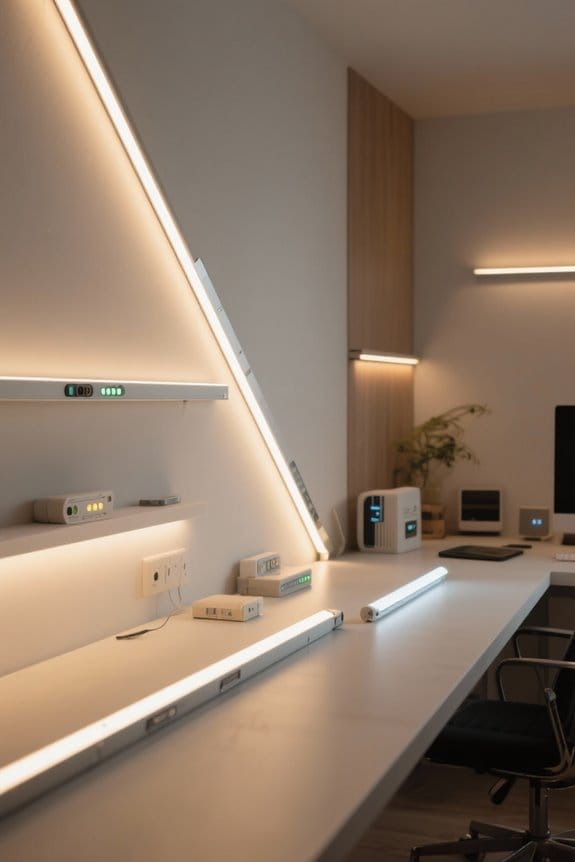
Understanding the various types of LED dimming technology is vital for achieving perfect lighting control. TRIAC dimming, a forward phase technology, cuts the front part of the AC waveform, but may cause flickering with LEDs due to compatibility issues. Conversely, Reverse Phase Dimming modifies the AC waveform’s back portion, providing a smoother experience for LED lighting. PWM, or Pulse Width Modulation, uses rapid on-off cycles to control light output effectively, maintaining color quality, especially in LED strips. For larger installations, 0-10V Dimming offers flicker-free control, making it ideal for commercial lighting applications. Finally, digital dimming, such as DALI, enables precise control over individual lights but can be costlier. Choosing the right dimming technology is vital for maximum LED performance. Modern LED strips offer stepless dimming options that allow smooth adjustment from 10% to 100% brightness for optimal customization.
Recommended Products

【GROW TENT COMPLETE SYSTEM INCLUDES】FC1500 EVO Samsung LM301H EVO LED Grow Light, 32"x32"x63" grow tent, 4inch 205 CFM inline fan, Smart controller 43(No power adapter, powered directly by the Inline fan), carbon filter,25ft Ducting,6inch clip fan, grow room glasses,elastic trellis netting, 2pcs vent covers,3pcs stainless clamps,4pcs grow bags, pruning shear,2pcs corner shelf,2pcs rope hangers.

【5-in-1 Forward and Reverse Phase Dimming】Our driver works with Triac/Phase/MLV/ELV/0-10V/Potentiometer/10V PWM dimmers and is compatible with most AC wall dimmers, including popular brands like Lutron and Leviton, as well as many other household dimmers. It can be used for a variety of applications, including 24V LED Strip Lights, 24V Power Supply, LED modules, LED bulbs, and more.

Compatible with any certified Z-Wave or Z-Wave Plus controller
Choosing the Right Dimming Solution
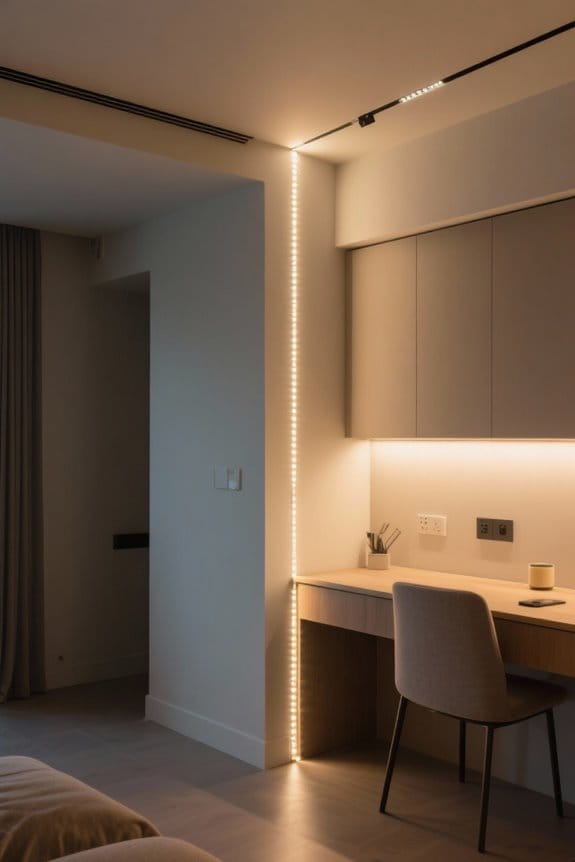
How can one select the best dimming solution for their specific needs? Begin by identifying the intended lighting application—residential or commercial. For wall installations, consider TRIAC dimmers, which require dimmer compatibility with your LED fixtures. Portable setups might benefit from PWM dimmers. Verify all LED lights are labeled “dimmable” before proceeding. Next, evaluate control methods, including switch styles and automation for enhanced lighting control. For larger commercial spaces, 0-10V dimming offers scalability. Don’t overlook load calculations; connect 60%-80% of a dimmable power supply’s capacity. This practice prevents flickering and poor dimming performance. Finally, confirm power supply ratings to accommodate the dimmers and LED loads effectively, guaranteeing a smooth lighting experience. Modern LED replacement lights can reduce energy consumption by 80-85% compared to traditional bulbs while maintaining optimal dimming functionality.
Dimming Compatibility and Troubleshooting
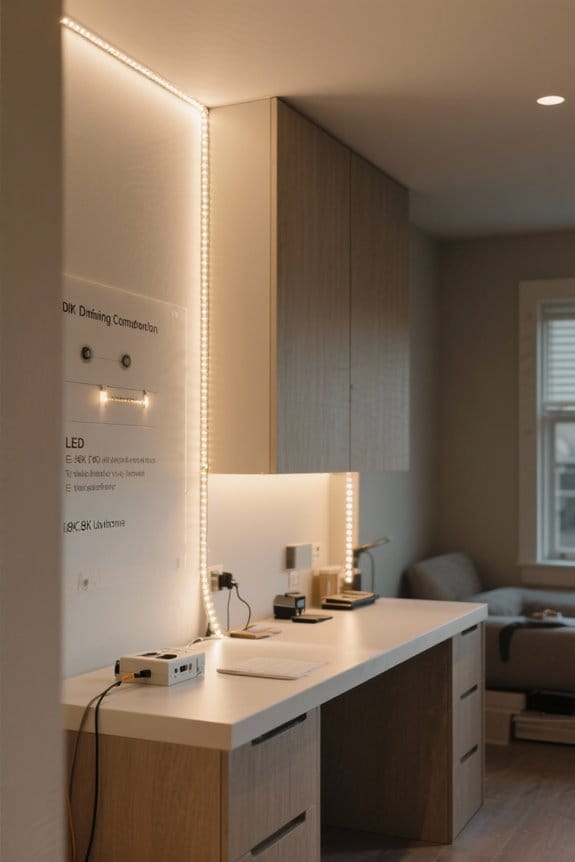
What steps can be taken to confirm proper dimming compatibility with LED strips? First, always verify that the LED strips are labeled “dimmable.” Next, choose an appropriate LED strip dimmer, guaranteeing compatibility with either TRIAC or PWM systems. It’s vital to load the dimming system correctly, operating within 60-80% of the dimmer’s rated capacity. This prevents voltage drop and potential flickering lights. Additionally, regularly check connections and wiring, as loose or incorrect installations can result in performance issues. Following the National Electrical Code secures safe practices during installation. Finally, remember that non-dimmable fixtures will not respond correctly to dimmers, further emphasizing the importance of selecting appropriate, dimmable fixtures for ideal function and reliability. Products like the JUSJUBR lighting system offer slim design options that integrate seamlessly with various dimming setups while maintaining energy efficiency.
Common Issues With Dimming LED Strips
While utilizing LED strips, common issues during dimming can greatly impact functionality and user experience. Flickering often arises from compatibility issues between the dimmer and LED driver; consequently, a dimmer must be specifically designed for LED use. Limited dimming range signals potential underloading of the LED driver, stressing the importance of meeting total wattage requirements. Humming or buzzing sounds may indicate harmonic interference, necessitating the use of LED-specific dimming hardware. Additionally, overheating issues can occur if the load exceeds the dimmer’s rated capacity. When abnormal color changes happen, it could suggest poor synchronization or the need for RGB-specific controllers. Carefully ensuring all components align will optimize dimming performance, enhancing both brightness control and longevity of the LED strips. Implementing a dimmer with over 150 lighting levels can provide smoother transitions and eliminate most flickering concerns.
Dimming Setup for Your LED Strips
To guarantee an effective dimming setup for LED strips, compatibility between the components is essential. Begin by selecting a power supply that converts AC to the suitable DC voltage, typically 12V or 24V. For permanent installations, pairing a TRIAC wall dimmer with a TRIAC dimmable power supply guarantees smooth brightness control, as these devices efficiently interpret standard dimming signals. Alternatively, for portable setups, consider a low-voltage DC PWM dimmer, which allows for manual adjustments without wall modifications. Always verify that the LED strips are marked as dimmable, and confirm compatibility with the chosen dimmer to prevent flickering. Adhering to electrical codes and maintaining load calculations between 60%-80% of the driver’s capacity will assure peak performance. Modern high-lumen LED strips can provide up to 300 lumens per foot while remaining energy efficient and fully dimmable.
Resources for LED Strip Lighting
When tackling LED strip lighting projects, recognizing the available resources can greatly enhance both planning and execution. It is vital to understand various dimming options, such as PWM and TRIAC dimming technologies. Ascertain that dimmable LED strips are paired with compatible power supplies that effectively interpret dimming signals. Invest in high-quality dimmable LED drivers to maintain voltage regulation, thereby improving lighting efficiency and extending the lifespan of the strips. Utilize installation resources, including thorough guides and troubleshooting tips, to address potential flickering issues or limited dimming range. By leveraging these resources, project success is markedly increased, allowing for a well-executed and versatile LED strip lighting installation. Take the time to explore and understand these essential components. Implementing proper dimming controls can result in energy consumption savings of 20%-30% while extending bulb longevity.
Frequently Asked Questions
What Are the Different Dimming Options for LED Lights?
Various dimming technologies for LED lights include TRIAC, PWM, and 0-10V methods. Each presents compatibility issues with incandescent systems, affecting energy efficiency and user experience, while offering features like flicker-free lighting and adjustable brightness with smart integration.
What Is the Correct Dimmer for LED Lights?
The correct dimmer for LED lights requires LED dimmer compatibility, addressing dimmer flickering issues. Choosing low voltage dimmers guarantees energy efficiency and peak performance, while smart dimmer solutions enhance control over color temperature and meet LED power requirements.
Which Is Better, 5050 or 3528?
The LED brightness comparison reveals that 5050 strips emit up to three times more light than 3528s. Despite higher power consumption and costs, 5050s offer better color rendering and flexibility, making them ideal for vibrant applications.
What Do L1, L2, and C Mean on a Dimmer Switch?
L1 and L2 on a dimmer switch denote line and load connections, respectively. The C terminal is for common, essential for proper wiring configurations, switch compatibility, voltage considerations, and reducing flicker effects during installation and troubleshooting.