As an Amazon Associate, we earn from qualifying purchases. Some links on this site are affiliate links at no extra cost to you. Our recommendations are based on thorough research and editorial judgment.

Understanding Hardwired Vs Plug-In LED Options

Understanding hardwired versus plug-in LED options is essential for effective under cabinet lighting installation. Hardwired systems connect directly to the electrical system, offering energy efficiency of up to 80% and a professional look. However, they require complex installation and are not suitable for renters. In contrast, plug-in options are easier to install and flexible, making them ideal for temporary setups but can lead to visible cords and lower efficiency. Explore further to discover more about their unique benefits and applications.
Key Takeaways
- Hardwired under cabinet lighting offers a professional appearance and energy savings of up to 80%, but requires complex installation.
- Plug-in under cabinet lighting allows for easy installation without electrical knowledge, making it suitable for renters and temporary setups.
- Hardwired lighting eliminates visible cords, enhancing aesthetic appeal, while plug-in options may require cord management solutions.
- While hardwired systems are energy-efficient with a lifespan of 50,000 hours, plug-in options can lead to circuit overload if multiple fixtures are used.
- Consider aesthetics, permanence, and specific needs when choosing between hardwired and plug-in LED options for under cabinet lighting.
What Is Hardwired Under Cabinet Lighting?
You may be interested
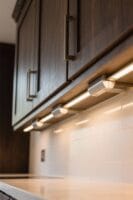
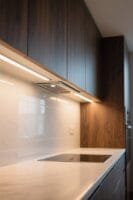
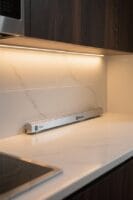
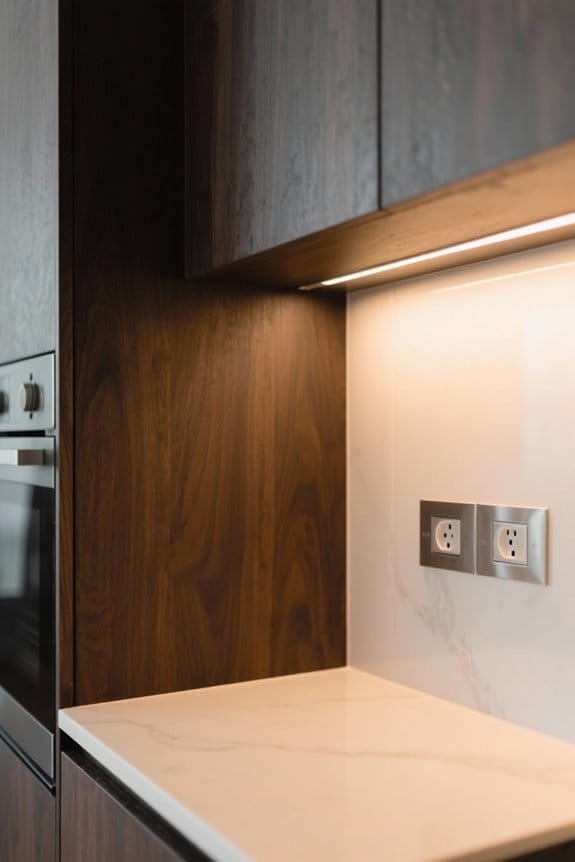
Hardwired under cabinet lighting represents a sophisticated solution for illuminating spaces in kitchens and work areas. This lighting connects directly to the home’s electrical system, ensuring a clean look without visible cords. Operating at 120 volts eliminates the need for a transformer, streamlining the installation process. Professional installation is often necessary, involving wiring and potential drywall modifications. This system is ideal for permanent setups, providing a consistent power supply that enhances reliability. Additionally, hardwired units are compatible with dimmers and switches for customizable lighting. Not only do these systems promote energy efficiency, but they also elevate a home’s value due to their professional appearance. Consider hardwired under cabinet lighting for a refined and practical choice in your space. With an impressive 50,000 hour lifespan, these lighting solutions significantly reduce the frequency of bulb replacements while minimizing environmental impact.
Advantages of Hardwired Lighting
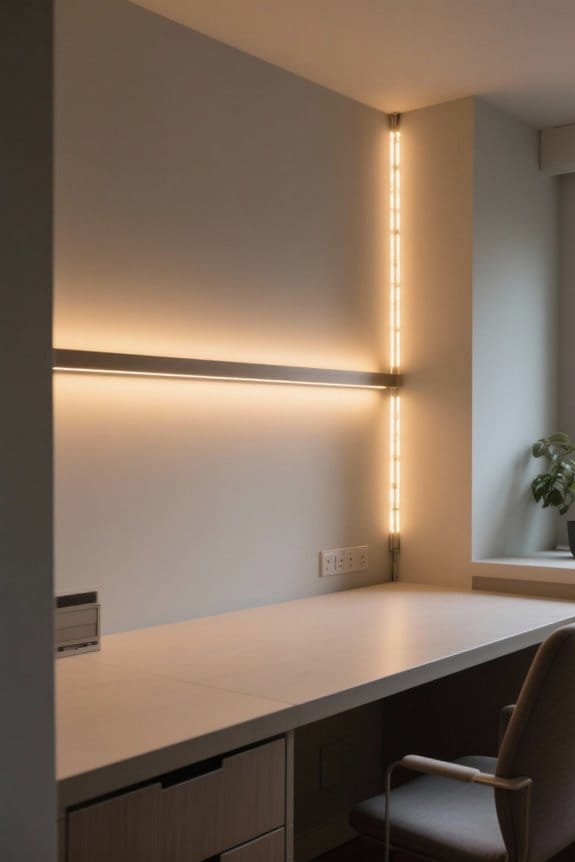
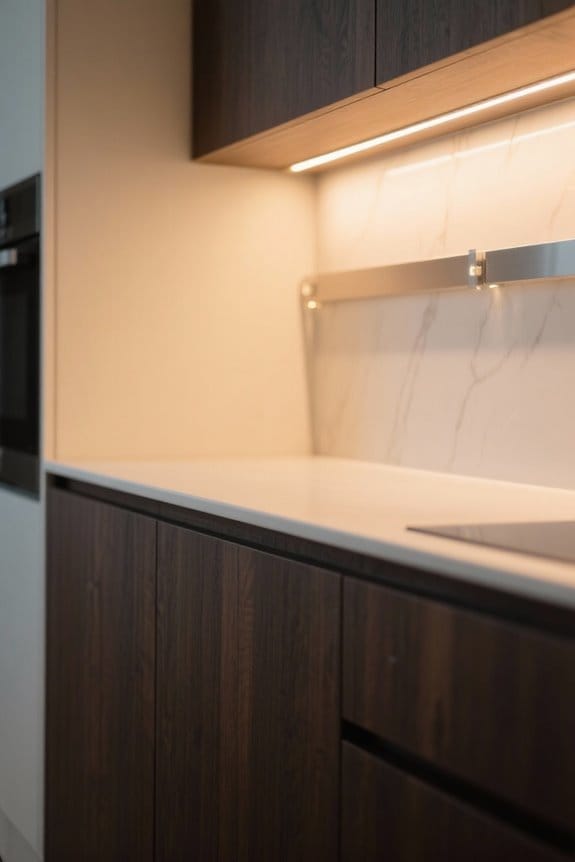
The benefits of hardwired lighting systems are significant, particularly for those seeking a polished aesthetic in their spaces. Hardwired lighting offers a seamless aesthetic by removing visible cords, creating a professional appearance. This type connects directly to the home’s electrical system, ensuring a reliable power supply without the complications of transformers. In addition, hardwired under cabinet lighting is often more energy-efficient, especially when using low-voltage LED options. The installation process allows for integration with wall switches and dimmers, thereby enhancing control over brightness and ambiance. Moreover, opting for hardwired lighting can increase home value, as quality installations are appealing to buyers desiring modern amenities. Elevate your home with hardwired solutions for both functionality and style. When paired with V shape LED channels, hardwired systems provide optimal heat dissipation while maintaining clean aesthetics through aluminum construction.
Disadvantages of Hardwired Lighting
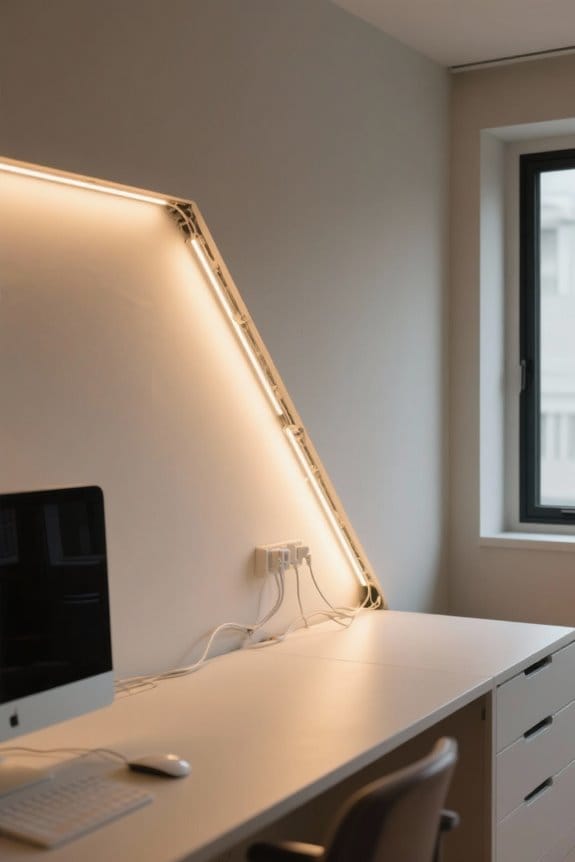
While hardwired lighting offers numerous advantages, it is important to recognize its limitations. This type of lighting necessitates professional installation, which can notably increase upfront costs due to labor and materials. The installation itself is often complex, requiring cutting drywall and running electrical wiring, adding to potential construction-related issues. Once installed, hardwired systems exhibit limited flexibility; alterations to light locations necessitate additional rewiring. In addition, hardwired lighting is not ideal for renters, as it constitutes a permanent installation. The inability to easily remove or adapt these fixtures may hamper those seeking temporary lighting solutions. Overall, these factors can deter homeowners who prioritize budget-friendly and adaptable lighting options. Unlike plug-in alternatives that offer 50,000 hours lifespan and straightforward setup, hardwired options require more commitment and planning.
Installation Process for Hardwired Lighting
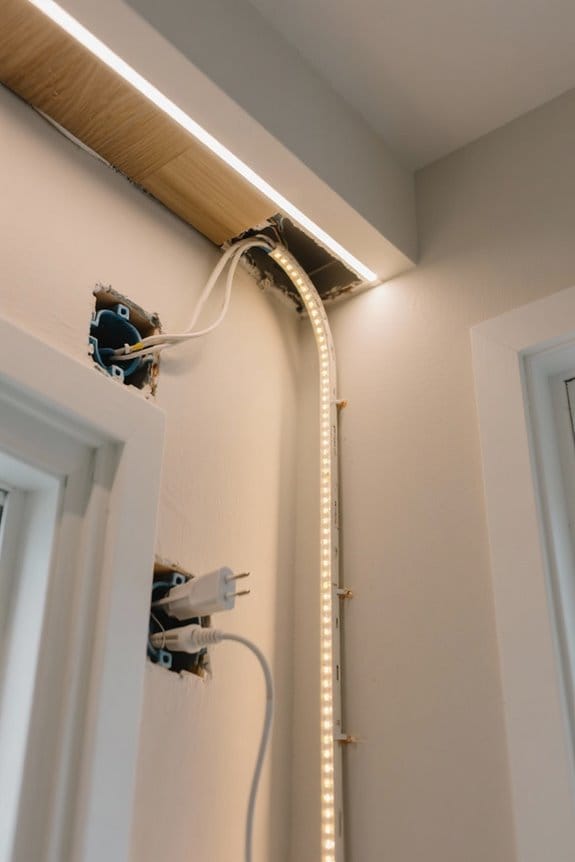
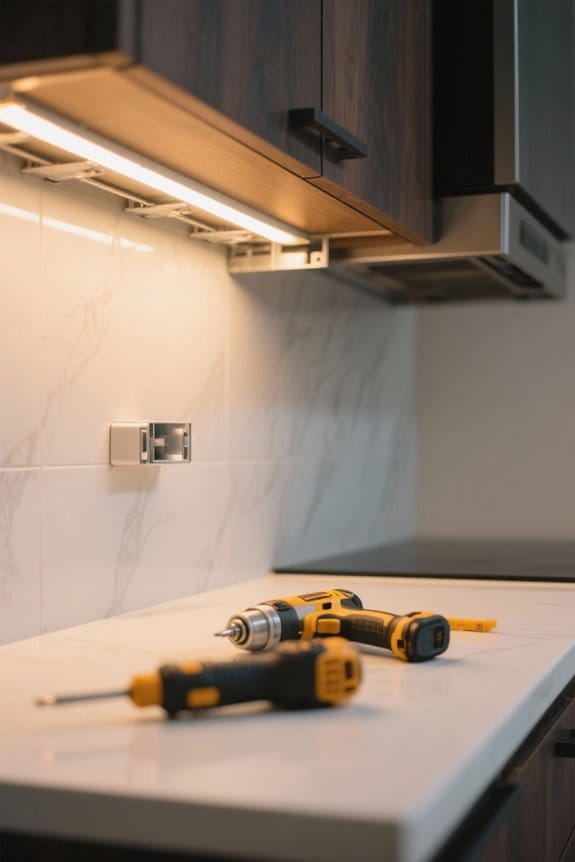
Proper installation of hardwired lighting requires meticulous planning and attention to detail. Begin with careful fixture placement underneath cabinets, guaranteeing ideal illumination. The installation process involves running electrical wiring, which connects to the home’s electrical system via junction boxes. This may require modifications to walls or cabinetry. Next, secure the fixtures using appropriate mounting hardware; they must be properly aligned and fixed to prevent any movement. After mounting, it’s essential to test connections rigorously for functionality and safety. This final check safeguards against electrical failures. Given the complexity and potential safety concerns, engaging a certified electrician is highly recommended for proper execution and compliance with electrical codes. This guarantees a safe and efficient lighting installation. Professional installation of 12 to 14 AWG wiring ensures optimal performance and adherence to safety standards.
What Is Plug-In Under Cabinet Lighting?
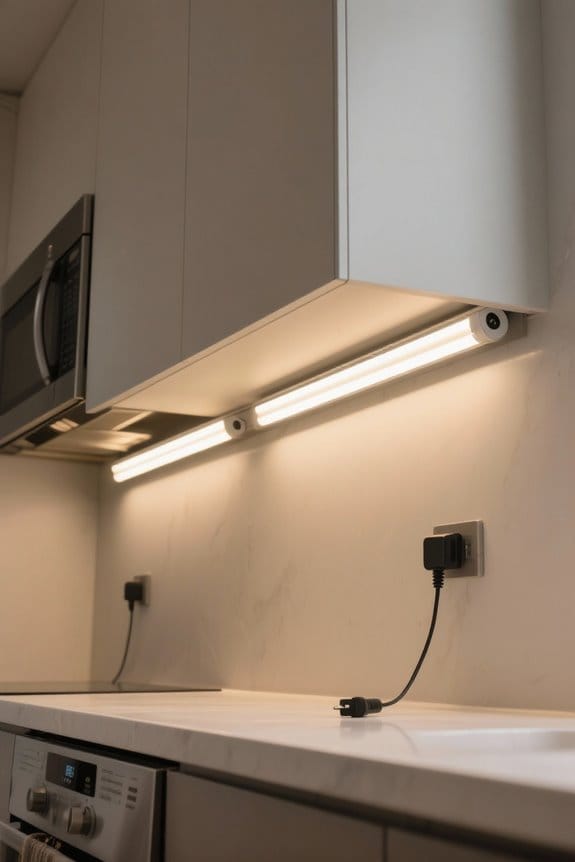
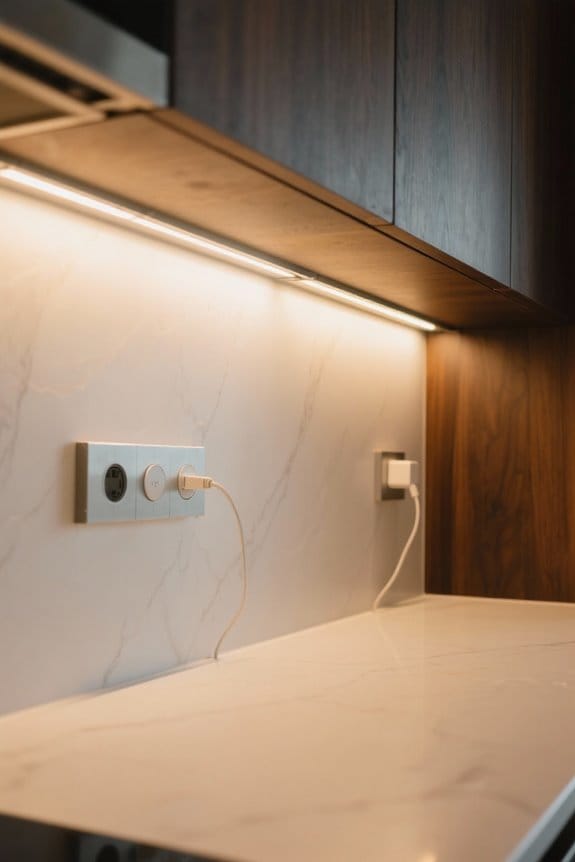
Frequently, homeowners seek efficient and flexible lighting solutions for their kitchen spaces, making plug-in under cabinet lighting an appealing option. This lighting type draws power from existing electrical outlets, allowing for quick and straightforward installation without complex wiring needs. Common choices for illumination include LED strips and puck lights, known for their energy efficiency. Plug-in systems typically feature a power supply unit (PSU) that lowers voltage, ensuring safety during operation. While offering flexibility to rearrange light placements, these installations may occupy valuable outlet space, affecting appliance use. To attain a professional look, careful installation techniques are essential, though visible wires can detract from the sleek appearance often desired compared to hardwired options. Consider these factors for an informed choice. Most LED strip options provide self-adhesive backing for straightforward mounting on clean surfaces, making DIY installation more accessible to homeowners.
Advantages of Plug-in Lighting
One significant advantage of plug-in lighting is its ease of installation, which requires minimal tools and no specialized electrical knowledge. This straightforward setup enables most homeowners to complete their installations in just an afternoon. Additionally, plug-in lighting options, such as LED strip lights, are typically budget-friendly, avoiding installation costs associated with professional work. The flexibility of these designs allows for easily rearranging or replacing removable fixtures, accommodating changing design preferences or room layouts. Plug-in options often draw power from standard outlets, making them ideal for renters who seek non-permanent solutions. With various styles and brightness levels available, plug-in lighting can effectively deliver the desired ambient functionality, enhancing both aesthetics and practicality in living spaces. Many plug-in LED strip lights offer adjustable brightness levels through remote controls, allowing users to customize illumination for different tasks and moods throughout the day.
Recommended Products
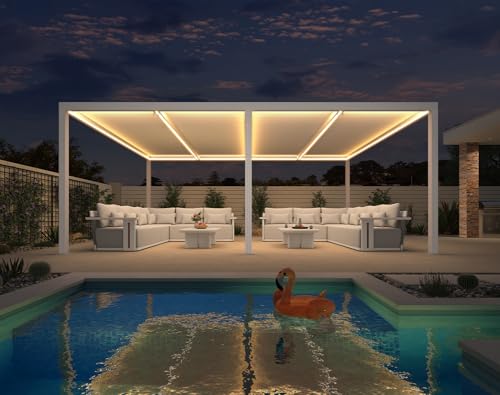
This 12' × 20' louvered pergola with a warm 3000K glow and a remote control for easy operation

Full Spectrum Sauna - SalusHEAT saunas combine full-spectrum heat therapy with red light therapy, dual-wavelength LEDs deliver targeted 660nm red light and 850nm near-infrared wavelengths to support collagen production. With every sauna session, experience the synergistic action of near, mid, and far-infrared wavelengths—promoting blood circulation, stimulating detoxification, and supporting recovery at the cellular level.

Power adjustable headrest: Experience unparalleled relaxation with power recliner sofa set, featuring a dual-motor system. Effortlessly adjust the recliner chair from 90° to 160° and the headrest angle to align perfectly with your cervical spine, ensuring health and comfort. Perfect as a reclining sofa set or a stylish addition to your living room.
Disadvantages of Plug-in Lighting
While plug-in lighting offers convenience, several notable disadvantages warrant consideration. One major issue is the presence of visible cords, which can disrupt a kitchen’s sleek appearance. Additionally, plug-in lighting often suffers from lower energy efficiency and higher power consumption, as it draws from standard outlets rather than optimized hardwired connections. The use of multiple plug-in fixtures can lead to circuit overload, increasing the risk of tripping breakers or electrical fires. Moreover, plug-in options may restrict outlet functionality, occupying space needed for essential kitchen appliances. Finally, the quality of plug-in lights varies greatly; poorly manufactured products may fail early, resulting in higher replacement and repair costs. Unlike hardwired solutions that can achieve 80% energy savings, plug-in options rarely match this level of efficiency. Assess these factors carefully before deciding on lighting solutions.
Installation Process for Plug-in Lighting
Begin by determining the ideal locations for plug-in lighting fixtures, as proper placement greatly enhances functionality and aesthetic appeal. The installation process typically begins with identifying where to mount the lights, ensuring they will serve their intended purpose. Securely attaching fixtures can involve using screws or adhesive strips for stability. Once mounted, simply plug the fixtures into nearby electrical outlets for a quick setup that requires minimal tools. For those who prioritize a clean appearance, managing visible cords is essential; using clips or cord channels effectively conceals wires. This installation method is particularly attractive to DIY enthusiasts due to its flexibility, as plug-in lighting can be easily adjusted or relocated to meet changing needs, ensuring long-term satisfaction. Many modern options like the ESHine LED Kit provide up to 750 lumens per bar while maintaining simple installation requirements.
Recommended Products

All-in-One Comfort Features: Enjoy ultimate relaxation with this electric recliner loveseat featuring vibration massage, heating function, and adjustable reclining positions. Customize your comfort with easy-to-use controls for a personalized lounge experience

[Colors Changeable & Brightness Dimmable] You can easily switch between color temperatures like 3000K for warm light, 4000K for neutral light, and 6000K for white light, adapting to various conditions. You can also adjust the brightness to your comfort level.

Triple-door Anti-Fog & Smart Mirror Cabinet - Besides the stepless adjustment and memory function for Brightness & Color temp., the offable clock on the mirror further enhances its modern style & practicality. With the advanced 3-door built-in defogging tech., you can instantly see a clear reflection with just one button, no matter which door you stand in front of. Features also interior door-activated lights to illuminate the inside, along with 2 USB &sockets.
Suitability of Hardwired vs. Plug-in Lighting
When considering the suitability of hardwired versus plug-in lighting, it is essential to evaluate specific needs and environments. Hardwired lighting offers a professional appearance, ideal for permanent installations in spaces where aesthetics are essential, such as renovated homes. This system integrates seamlessly with the home’s electrical system, ensuring consistent power and enhanced energy efficiency, especially with LED technology. Conversely, plug-in lighting provides flexibility in placement and is easier to install, making it favorable for renters or temporary solutions. It typically requires a lower upfront cost, presenting a cost-effective choice for immediate needs. Home renovators should weigh these factors carefully to determine which option aligns best with their long-term vision and immediate requirements. Both lighting options can benefit from motion sensor features that enhance convenience and energy savings through automatic operation based on movement detection.
Choosing the Right Option for Your Space
Evaluating the right lighting option for any space involves careful consideration of both functional and aesthetic elements. Hardwired LED lighting offers a permanent solution with clean lines, ideal for enhancing aesthetics without visible cords. However, installation requires professional help, which may not suit everyone. In contrast, plug-in systems allow flexibility and ease of installation, making them favorable for renters or those on a tighter budget. While plug-ins are less costly upfront, they may lead to energy inefficiency over time. Analyzing individual space needs, such as room size and usage, will guide the decision. For instance, a large kitchen might benefit from hardwired options for consistent lighting, whereas a small living area may prefer plug-in for adaptability. Modern LED linkable lights can last up to 50,000 hours, making them a reliable long-term investment regardless of installation method.
Recommended Products

MODERN DESIGN – The Chantilly collection brings a modern silhouette to the chandelier, creating a refined focal point that elevates dining rooms, foyers and open living spaces.

Part of the Open Air Collection of interior-inspired outdoor-rated chandeliers and pendants designed to expand your indoor environment to exterior living spaces

SCULPTURAL CENTREPIECE — The Trento unites 12 LED lights across a 40-inch gold chandelier frame in a modern, considered composition. Intricate champagne silver or antique gold frames delicately hand strung glass wafers. A gold linear chandelier sized to anchor a kitchen island or dining room.
Frequently Asked Questions
What Is the Difference Between Hardwired and Plug-In Lights?
The difference between hardwired and plug-in lights includes hardwired advantages like energy efficiency and design versatility, while plug-in convenience offers easy installation processes and cost savings. Safety considerations and maintenance requirements vary based on usage scenarios and compatibility options.
What Are Two Things to Consider When Wiring an LED?
In the intricate dance of LED installation tips, voltage compatibility and wiring safety waltz together, ensuring circuit protection. Dimming options and heat management illuminate choices, guiding fixture placement for energy efficiency and clever troubleshooting techniques.
How Long Do Hard Wired LED Lights Last?
Hardwired LED lights typically have a lifespan of 25,000 to 50,000 hours. Their longevity hinges on installation efficiency, maintenance requirements, and lower heat generation, impacting energy consumption and brightness levels across various fixture compatibility and lighting applications.
What Are Plug-In LED Lights?
Plug-in LED lights offer numerous advantages, including installation ease, versatile placement, and cost effectiveness. They provide flexible design options, varying bulb types, and acceptable light output, though energy efficiency may be less than hardwired alternatives for temporary lighting solutions.