As an Amazon Associate, we earn from qualifying purchases. Some links on this site are affiliate links at no extra cost to you. Our recommendations are based on thorough research and editorial judgment.


Understanding Wire Gauge Requirements for LEDs

Understanding wire gauge requirements for LEDs is vital for optimal performance. Use 20-22 gauge wire for runs under 10 feet, and 16 gauge for lengths up to 40 feet. For lengthy installations over 100 feet, select 12 gauge. Guarantee voltage drop remains below 3%, around 0.36V for a 12V system. Regularly inspect connections for wear and follow local codes to enhance safety. Mastering these guidelines is critical for reliability and performance in LED lighting systems, and more insights await.
Key Takeaways
- Proper wire gauge minimizes voltage drop to under 3%, ensuring optimal brightness and performance of LED installations.
- Use 20-22 gauge wire for runs under 10 feet, and 18 gauge for lengths up to 20 feet.
- For higher-power fixtures or 40-foot runs, opt for 16 gauge; 14 gauge is suitable for commercial installations up to 50 feet.
- Monitor voltage drop using the formula I = P/V; ensure it stays below 0.36V in a 12V system to prevent issues.
- Regular maintenance checks and adherence to electrical codes are essential for safe and effective LED installations.
Understanding Wire Gauge and Its Importance
You may be interested


Understanding wire gauge is essential for anyone dealing with LED installations, as it directly influences the performance and safety of the electrical system. Proper wire gauge selection is critical to meet the current requirements of an LED lighting setup. Thicker wire, indicated by lower numbers on the American Wire Gauge (AWG) scale, reduces resistance, minimizing voltage drop to less than 3%. This is vital for efficient power delivery from power supplies. Inadequate wire gauge can lead to safety hazards, including overheating and potential electrical fires. Consequently, always choose the correct wire gauge to guarantee that your LED lights operate effectively and safely. Remember, optimal wire selection is not just a recommendation but a necessity for successful installations. Many ultra-thin LED fixtures available today require careful wire gauge consideration to maintain their sleek profile while ensuring proper power distribution.
Choosing the Right Wire Gauge for LED Lighting

Selecting the right wire gauge for LED lighting is paramount in ensuring efficiency and safety in any installation. A voltage drop of less than 3% is ideal for peak performance. For residential applications, use 20-22 gauge wire for runs under 10 feet. For moderate-power LEDs, 18 gauge is suitable for lengths up to 20 feet. For higher-power fixtures or runs up to 40 feet, consider 16 gauge wire. In commercial settings, 14 gauge accommodates runs of 50 feet. Thicker wire, such as 12 gauge, is necessary for long distances or high-power applications like 100 feet. Always calculate the total current draw and consult a wire gauge chart to select the correct wire gauge that meets both current requirements and distance needs. Modern LED under cabinet lighting typically operates for 50,000 hours, making proper wire gauge selection crucial for long-term reliability.
Recommended Products

Upgrade your Polaris RZR equipped with Ride Command to an epic elevated audio experience with the Rockford Fosgate RZR Stage 5 Audio Kit for Ride Command

Upgrade your Polaris RZR to an epic elevated audio experience with the Rockford Fosgate RZR Stage 3 Audio Kit

HIGH QUALITY: NAOEVO Marine Wire utilizes high-precision oxygen-free tinned copper. Each circuit contains 113 strands of 0.3 mm tinned copper wire that offers excellent conductivity, stability, and corrosion resistance
Recommended Wire Gauge Sizes for LED Lighting

Choosing the correct wire gauge for LED lighting is vital to achieve peak performance and safety. For short runs under 10 feet, a 20-22 gauge wire is recommended for residential applications. Moving to moderate distances, use 18 gauge wire for runs less than 20 feet. When dealing with higher-power LED fixtures or longer runs of up to 40 feet, opt for 16 gauge wire. In commercial settings, 14 gauge is ideal for moderate runs reaching up to 50 feet. For lengthy installations, especially those up to 100 feet or with high-power fixtures, selecting a thicker wire, such as 12 gauge, is necessary to minimize voltage drop and enhance safety. Guarantee proper current draw considerations are made in every instance. The ETL certified options available in modern LED lighting systems ensure reliable performance when paired with appropriate wire gauges.
Recommended Products

The Seatcraft experience is where craftsmanship meets functionality. Engineered for unparalleled quality and ergonomic comfort. Sit with us and experience the decades of mastery and passion we’ve put into our seats. Don’t settle for less.

【Size Guide】: 48"W x 27"D x 30"H island mount. For better performance, island mount range hoods should be 3"- 6" wider than your cooktop. The height range between your cooktop and the copper hood should be 30" to 36" (33" is recommended). We can make any hood size you need, please contact our custom service via Amazon.com for a quote.

【Size Guide】: 36"W x 27"D x 42"H island mount. For better performance, island mount range hoods should be 3"- 6" wider than your cooktop. The height range between your cooktop and the copper hood should be 30" to 36" (33" is recommended). We can make any hood size you need, please contact our custom service via Amazon.com for a quote.
Calculation of Current and Voltage Drop

Accurate calculation of current and voltage drop is fundamental for maintaining ideal performance in LED lighting systems. To determine current, utilize the formula I = P/V; therefore, a 100W LED operating at 12V draws approximately 8.33A. Voltage drop, a critical factor, arises from wire resistance and can be figured out using VD = I × (2L × R/ft). For maximum efficiency, the voltage drop should remain below 3%, equating to about 0.36V in a 12V system. For instance, a 100W load over a 25-foot distance using AWG18 wire results in a voltage drop of roughly 0.82V, exceeding the recommended guideline. Employing thicker wire gauges considerably alleviates this issue, ensuring reliable LED performance over longer distances. Modern LED lighting solutions can achieve up to 120 lumens of glare-free illumination while maintaining energy efficiency.
Installation Tips for LED Lighting Systems

Proper installation of LED lighting systems is essential for achieving ideal functionality and longevity. When selecting the correct wire gauge, make sure it can handle the higher current demands of your LED lights. Check the total wattage of your setup; it should not exceed the circuit capacity. Securely connect all wires and use high-quality connectors designed for electrical applications to enhance durability. Employ wires with excellent insulation properties to prevent damage and reduce electrical hazards. Always follow local electrical codes and regulations during installation to guarantee safety. These installation tips establish a solid foundation for efficient operation and prolonged lifespan, allowing your LED systems to perform at their best. Prioritizing these steps can greatly improve your overall LED lighting experience. For optimal performance, ensure your power supply provides DC voltage range between 12V-24V to match your controller specifications.
Recommended Products

POWER SUPPLY: Class D vehicle audio amplifier, Total Power 14,4 @ 1 Ohms: 1 x 15000 WRMS, Total Power 12,6 @ 4 Ohms: 1 x 9800 WRMS, Current draw at full power(average music program): 630A, Efficiency @ 4 Ohms: 78%, Efficiency @ 2 Ohms: 70%

Integrated 19" Rack Mount KVM Console: The VGA LCD KVM console features a 19" LCD monitor, full 99-key keyboard, and touchpad, all within a compact 1U housing. It can control one computer from a monitor,keyboard and mouse. Compatible with various operating systems, including Windows, Sun, Unix, and Linux, this KVM console is a versatile solution for diverse IT environments.

Custom Bass Enclosure for Passenger Side Tesla Model Y 2020-2021
Ensuring Safety and Compliance
Guaranteeing safety and compliance during LED lighting installations is critical for preventing hazards, especially in residential and commercial environments. Adhering to electrical codes guarantees safe operation, reducing the risk of fire hazards. Utilize appropriate wire gauge suited for the specific project; the wrong gauge can lead to overheating. Incorporate circuit protection devices, such as fuses, to prevent overcurrent that may damage LED lighting systems. Confirm that only wires with suitable insulation properties are used, as they protect against environmental hazards and electrical shorts. Regular inspections are essential to identify potential wear or damage that can pose safety risks. Finally, verify that all connections are secure and free from corrosion, maintaining the integrity of the entire system for maximum performance. Consider exceeding your power supply wattage requirements by at least 20 percent to prevent potential system overloads and ensure consistent performance.
Wiring Process Overview and Best Practices
Begin the wiring process by verifying compatibility between the power supply and the LED lights‘ voltage and current specifications. This guarantees reliable performance and prevents electrical failures. Pay attention to wire gauge; select appropriate sizes based on total current draw to avoid overheating. Connect the positive (+) and negative (-) wires from the LEDs to the corresponding terminals on the power supply. Utilize high-quality connectors and soldering techniques for secure wire connections. Prior to installation, always test all connections to identify issues effectively. Adhere to established safety measures throughout the wiring process, such as using insulated tools and avoiding exposed wires. Following these practical steps will promote a safe and efficient lighting system that guarantees both longevity and effectiveness. Proper wiring ensures your LED system can achieve 70% energy savings compared to traditional fluorescent lighting options.
Common Mistakes in Wire Gauge Selection
Selecting the correct wire gauge for LED installations is often overlooked, leading to significant performance issues. A common mistake is choosing a wire gauge based solely on run length, ignoring total current draw, which results in voltage drop affecting brightness. Installers frequently underestimate the crucial 3% voltage drop rule, risking overheating and failure. Inadequate wire size can shorten LED strip lights’ lifespan and create fire hazards. Furthermore, using inaccurate gauge charts for 12V or 24V systems often leads to errors in selection. Opting for thicker wires (lower AWG) only when failure occurs neglects proactive measures. Understanding these common mistakes is essential; always consider current draw, appropriate wire gauge, and preventive strategies to guarantee efficient, safe LED installations. Proper wire gauge selection helps maintain Energy Star efficiency while ensuring the lights operate at their rated 25,000 to 50,000-hour lifespan.
Recommended Products

The Seatcraft experience is where craftsmanship meets functionality. Engineered for unparalleled quality and ergonomic comfort. Sit with us and experience the decades of mastery and passion we’ve put into our seats. Don’t settle for less.
The Seatcraft experience is where craftsmanship meets functionality. Engineered for unparalleled quality and ergonomic comfort. Sit with us and experience the decades of mastery and passion we’ve put into our seats. Don’t settle for less.

PREMIUM STAINLESS STEEL - This version of the Fat Boy is constructed of 316 stainless steel with a brushed finish to add a sleek, modern look to any outdoor space. The body, knuckle, screws and knobs are each made of stainless steel. Grade 316 stainless steel is an alloy of iron, chromium, nickel and molybdenum. It is ideal for outdoor applications due to its strength and resistance to corrosion (rust), even in high-saline environments like coastal areas.
Maintenance Considerations for LED Lighting
Regular maintenance of LED lighting systems plays a critical role in guaranteeing ideal performance and safety. Conduct maintenance checks every 6 to 12 months to catch potential hazards, such as overheating or circuit overloads. Utilize proper circuit protection devices, like fuses, to safeguard against overcurrent and reduce fire risks. Inspect wire gauge connections routinely; verify all connections are tight and free of corrosion to maintain reliable electrical contact. Corrosion can lead to voltage drops, affecting the performance of LEDs. Documenting maintenance activities is essential. This practice aids in tracking the longevity of installations and guarantees timely interventions when issues arise. Continuous monitoring ultimately enhances the reliability and efficiency of LED lighting systems throughout their operational lifespan. Remote control operation up to 60 feet away allows for easy maintenance checks of hard-to-reach under-cabinet lighting installations.
Expert Resources and Assistance
How can one guarantee that their LED lighting installation is both effective and safe? Choosing the right wire gauge is essential. Expert guidance can identify the appropriate wire gauge based on voltage and current requirements of different LED systems. Utilize downloadable wire gauge charts and calculators to facilitate your choice. For tailored assessments and safety compliance, seek consultation with certified professionals, such as those recommended by the ABYC. Access support teams from reliable companies that offer real-time answers about wire harness specifications related to your Power Source. Additionally, regular maintenance inspections ascertain safety and reliability, catching potential hazards before they escalate. Prioritize these resources to enhance the longevity and performance of your LED setups. Energy efficient LEDs provide significant cost savings while delivering optimal brightness for various lighting applications.
Frequently Asked Questions
Recommended Products

【512Hz Transmitter Signal precise positioning】The inspection robot is equipped with a 512 HZ transmitter signal and receiver,capable of precise positioning and tracking in underground pipelines or confined crawl space

🌈🌈【Autel Ultra S2: The Best Investment in 2026】Full-level up of the Autel Ultra/Ultra EV/MS909/Elite II Pro, 2026 flagship scanner Ultra S2 covers 15,000 models worldwide and features the Motor TruSpeed Repair Service. highlights include 👍Topology Mapping 3.0, 👍J2534 Programming & Coding, 👍Data-Driven Diagnostics with Enhanced PID Analysis, 👍Hands-F.ree Virtual Assistant (Siri), 👍EV Testing, 👍48+ Services, and 👍10+ High-End Functions for large auto workshops.
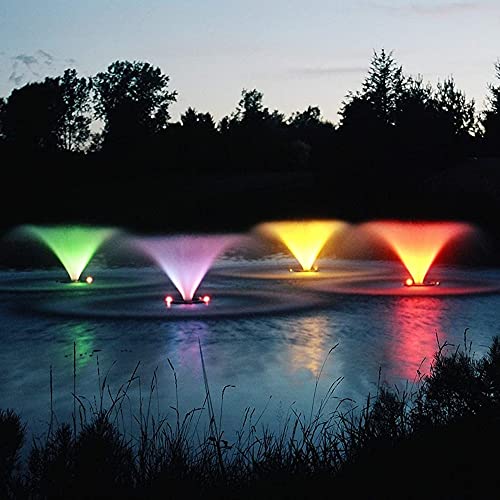
Beautiful V Shape Pattern: Features a 8 ft. tall by 26 ft. wide V Shaped Spray Pattern. VFX fountains promotes a clear and clean pond while removing most surface debris to ensure a picturesque lake or pond.
What Gauge Wire Should I Use for LEDS?
What wire gauge guarantees LED wiring safety? For ideal performance, consider wire length, guaranteeing minimal voltage drop impact while addressing LED power consumption. Typically, 20-22 gauge suits shorter runs, while heavier gauges sustain longer distances efficiently.
Should I Use 12 2 or 14 2 for Lights?
For lights, using 12/2 wire guarantees safety with higher load capacities and minimizes voltage drop over longer lengths. Installation tips suggest evaluating circuit configuration and potential power losses, improving overall electrical safety and efficiency.
Is 14 2 Wire Ok for LED Lights?
Using 14/2 wire is generally acceptable for LED lights, considering LED power requirements, wire ampacity ratings, and voltage drop considerations. Ensuring circuit safety measures and accounting for wiring length further enhances reliability in low voltage systems.
Is 22 Gauge Wire Good for LED Lights?
22 gauge wire is generally suitable for LED installations under 10 feet. However, current flow considerations and voltage drop effects may necessitate thicker wire for longer runs to guarantee safety and proper heat dissipation.