As an Amazon Associate, we earn from qualifying purchases. Some links on this site are affiliate links at no extra cost to you. Our recommendations are based on thorough research and editorial judgment.


Wireless Vs Wired LED Control Systems Explained

Wired LED control systems utilize physical cables that guarantee reliability and minimize signal dropouts, making them ideal for large spaces. They require professional installation, often involving DMX or DALI protocols for stable communication and lower maintenance costs. In contrast, wireless systems leverage radio frequencies like Wi-Fi, allowing for flexible installation and remote control via apps. However, they may experience interference from other devices. Understanding these distinctions will guide you in selecting the best system for your requirements.
Key Takeaways
- Wired LED control systems utilize physical cables for reliable communication, minimizing signal interference and ensuring consistent performance over long distances.
- Wireless systems use radio frequencies for communication, allowing for flexible installation but may experience interference from other electronic devices.
- Installation of wired systems often requires professional help, while wireless systems can be easily set up by the user, making them cost-effective.
- Wired systems typically involve lower long-term maintenance costs due to their stable performance and reduced vulnerability to hacking compared to wireless systems.
- Scalability is a strength of wireless systems, enabling easy additions or modifications, whereas wired systems require more effort to adjust configurations.
Understanding Wired LED Control Systems
You may be interested



Wired LED control systems serve as a foundational technology in modern lighting applications, utilizing physical cable connections for reliable low-voltage signaling. They employ protocols such as DMX and DALI, ensuring stable communication with LED drivers, essential for high-performance environments. Installation typically requires professional assistance due to the complexity of the wiring setup, which can elevate initial costs versus wireless systems. However, wired systems excel in large indoor spaces, minimizing the risk of signal interference that could disrupt performance. In addition, their compatibility with automation protocols like BACnet allows seamless integration into building management systems, enhancing overall functionality. These features collectively position wired LED control systems as a robust choice for effective lighting management. Advanced models like the Hikaproligt offer 1000 lumens brightness while maintaining energy-efficient operation at just 15 watts.
Recommended Products

➤【Stunning 3D Visual Effects】Combining high-quality tempered glass with infinity mirror panels and LED lighting, this dance floor creates mesmerizing 3D effects that instantly captivate attention. Perfect for weddings, parties, and events, it elevates the visual impact and leaves a lasting impression.

➤【Mesmerizing 3D Infinity Effect】: Transform any space with our 3D LED floor tiles, featuring a captivating infinity effect that creates a futuristic and immersive atmosphere, perfect for events, performances, and decorative lighting.

➤【High-Strength Design】: Made of 10mm tempered glass and Durable ABS material, with a load-bearing capacity of 600kg/㎡, ensuring safety for multiple dancers. Indoor IP55 waterproof and non-slip design prevents slipping during use. LED lights last up to 50,000 hours, eliminating the risk of sudden power outages during use. The signal and power supply are stable, ensuring safe operation.
Benefits and Drawbacks of Wired Systems
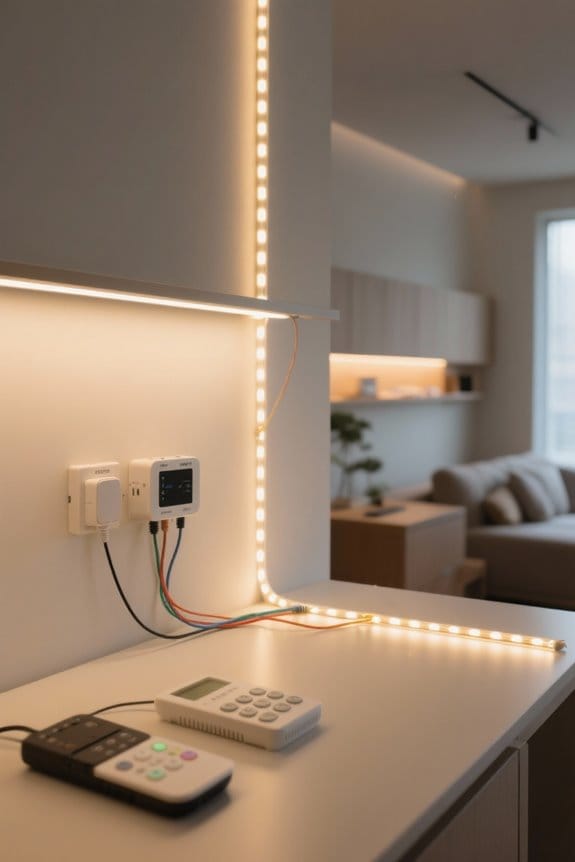
The advantages and disadvantages of wired LED control systems become apparent when evaluating their role in lighting management. Wired systems are known for their reliable performance, as they utilize physical cables to enhance connectivity and minimize signal interference, common in wireless systems. They excel in environments requiring stable communication over long distances, reducing voltage drop risks. Installation is relatively straightforward, though upfront costs may be higher than those of wireless alternatives. However, lower long-term maintenance costs offset this initial expense. A significant drawback includes the limited flexibility in system design once installed. Despite this, the enhanced security offered by wired systems, which eliminates hacking vulnerabilities associated with wireless systems, makes them a preferred choice for both residential and commercial applications. Products like the CNSUNWAY LED lights demonstrate exceptional energy efficiency with up to 50,000 hours of lifespan while maintaining consistent performance through their wired connections.
Recommended Products
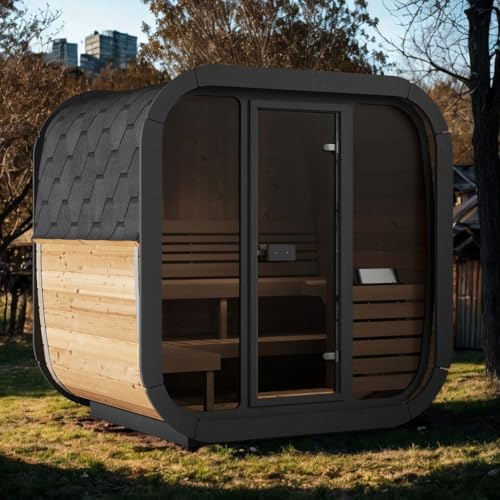
MODERN SCANDINAVIAN SAUNA DESIGN – Stylish Cube-Series outdoor sauna with a full glass front creates a luxurious and relaxing backyard wellness experience.

Detachable Skirt for Flexible Installation – Seamlessly adapt to your bathroom layout with a removable skirt, offering freestanding elegance or space-saving alcove integration for this premium whirlpool tub

36,000 BTU 4 Zone 9k+9k+9k+9k Ceiling Cassette Ductless Mini Split with 25ft Installation Kits, 23.9 SEER2 3 Ton Quad Zone Multi Zone AC System
Exploring Wireless LED Control Systems
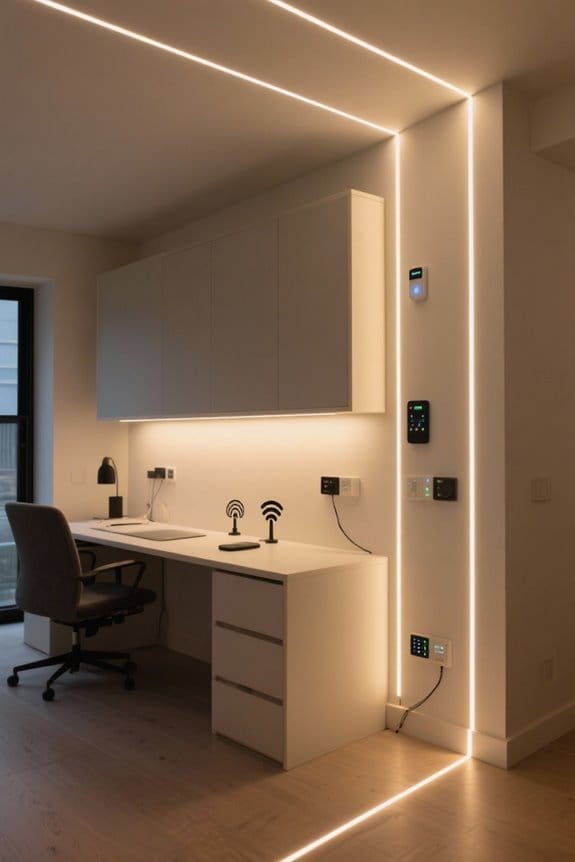
In contemporary lighting management, various advantages make wireless LED control systems increasingly popular. These systems utilize radio frequencies like Wi-Fi and Zigbee for communication, allowing direct operation without physical wiring. This feature enhances installation convenience, as users can often implement these systems as DIY projects. Furthermore, wireless LED control systems offer remarkable flexibility through smartphone apps, voice assistants, and wall panels. Such options support smart home integration, enabling seamless automation. Despite their benefits, potential interference from other electronic devices can impact performance and reliability. However, advancements in mesh networking facilitate communication across multiple lights within expansive areas, ensuring robust connectivity. Understanding these features is essential for maximizing the effectiveness of wireless LED lighting solutions. Modern wireless systems can support customizable color temperatures ranging from 2700K to 6000K, providing versatile lighting options for different moods and settings.
Recommended Products

💡𝗘𝗟𝗘𝗚𝗔𝗡𝗧 & 𝗘𝗙𝗙𝗜𝗖𝗜𝗘𝗡𝗧: Operates on just 3W to produce a beautiful accent glow, creating a seamless, built-in architectural look with minimal impact on your energy bill.


💡𝗘𝗟𝗘𝗚𝗔𝗡𝗧 & 𝗘𝗙𝗙𝗜𝗖𝗜𝗘𝗡𝗧: Operates on just 3W to produce a beautiful accent glow, allowing you to run multiple lights per transformer without overloading your system.
Advantages and Disadvantages of Wireless Systems
While exploring the advantages and disadvantages of wireless LED control systems, one can appreciate their versatility and convenience in various settings. Wireless controls offer flexible installation, allowing users to easily add or modify fixtures without extensive rewiring. In addition, these systems typically involve reduced labor during installation, making them more cost-effective upfront. The ability to utilize remote control through apps enhances user interaction. However, security concerns must be considered; wireless systems may face potential cybersecurity risks and signal interference. Additionally, while maintenance is generally straightforward, as issues can often be resolved by replacing one component, these concerns necessitate proper precautions to safeguard the system. For optimal smart functionality, many wireless systems require a Zigbee controller hub to enable seamless device connectivity and control. Weigh the advantages and disadvantages carefully to determine the best fit for your project.
Recommended Products
![SmartThings Hub 3rd Generation [GP-U999SJVLGDA] Smart Home Automation Hub Home Monitoring Smart Devices - Alexa Google Home Compatible - Zigbee, Z-Wave, Cloud to Cloud Protocols – White](https://m.media-amazon.com/images/I/21hChu0ounL._SL500_.jpg)
Monitor and control compatible devices in your home using a single smartphone app for your phone

4MP HD & True Color Night Vision- The security Camera Hub G5 Pro offers a 4MP Resolution with a 133° FOV and supports True Color Night Vision with a 1/1.8" sensor and f/1.0 large aperture, identifying intruders even in low-light. A Built-in 3000K DIMMABLE Spotlight functions as an intruder deterrent and improves visibility during nighttime. Note: This surveillance camera is not equipped with infrared light. No Battery.

WHAT’S IN THE BOX - Includes four Hue White and Color Ambiance smart 75W-equivalent A19 color-changing light bulbs; Perfect for general lighting anywhere in your home
Key Differences Between Wired and Wireless Controls
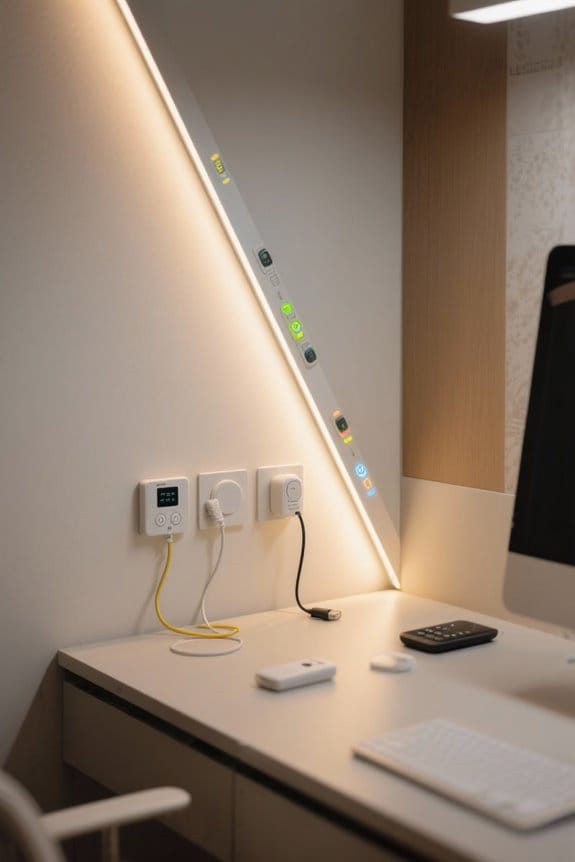
Understanding the key differences between wired and wireless LED control systems is essential for making informed decisions about lighting solutions. Wired LED control systems rely on physical cables for stable connectivity, effectively minimizing signal dropouts. In contrast, wireless systems transmit data via radio frequencies, which are susceptible to interference. The installation of wired controls usually demands professional assistance, increasing costs, while wireless systems facilitate easier user-based installation. Maintenance and troubleshooting of wired systems can be labor-intensive, as extensive wiring checks are necessary. Wireless systems, however, allow for quick component replacements, enhancing operational efficiency. Scalability in wireless systems supports seamless luminaires addition, whereas wired systems often necessitate physical modifications for layout changes, limiting customization and adaptability in the rapidly evolving lighting controls market. Modern wireless LED systems like the Daybetter strips offer smart app control capabilities with up to 16 million color options and dynamic special effects for enhanced customization.
Choosing the Right System for Your Needs
Which type of lighting control system aligns best with project requirements? Consider the installation environment. Wired systems often guarantee enhanced reliability in new constructions, while wireless lighting controls are ideal for retrofitting and expansive outdoor areas. Evaluate your budget as wired systems entail higher installation costs, yet offer stability for long-distance applications. Conversely, wireless options can be cost-effective for DIY projects. Focus on future-proofing; wireless systems effortlessly integrate with emerging smart home technologies, adapting easily to automation needs. Assess specific operational needs as well: if complex features and remote access are essential, wireless may be more suitable, whereas wired systems excel in providing dependable performance. Choose wisely to guarantee prime alignment with project goals and long-term functionality. For optimal lighting distribution and minimized glare in either system, incorporating aluminum channel diffusers can significantly enhance the overall lighting design while protecting LED components.
Recommended Products

MODERN SCANDINAVIAN SAUNA DESIGN – Stylish Cube-Series outdoor sauna with a full glass front creates a luxurious and relaxing backyard wellness experience.


Net capacity of 50.37 cubic feet
Frequently Asked Questions
What Is the Difference Between Wired and Wireless Automation?
Wired automation offers advantages like reduced signal interference, enhanced security, and reliable speed response but entails installation complexity and maintenance challenges. In contrast, wireless systems provide flexibility, ease of installation, and scalability, albeit with potential security vulnerabilities.
How Does a Wireless LED Work?
A wireless LED system utilizes wireless technology for remote control, offering installation ease and energy efficiency. Its user interface enhances signal strength, ensuring compatibility across application areas, while cost considerations favor wireless over traditional wired systems.
Which Is Better, Wired or Wireless?
In comparing wired and wireless LED systems, wired generally excels in cost efficiency, installation stability, and response time. Conversely, wireless offers superior control flexibility and user experience but may suffer from signal interference and range limitations.
What Is a Wireless Lighting System?
Wireless lighting systems utilize smart technology to enhance energy efficiency, featuring remote control capabilities. Their installation process is streamlined, offering system compatibility across devices, lower maintenance requirements, and adaptive user interfaces suited for various application scenarios, reflecting significant technological advancements.