As an Amazon Associate, we earn from qualifying purchases. Some links on this site are affiliate links at no extra cost to you. Our recommendations are based on thorough research and editorial judgment.

Understanding Kelvin Ratings for Kitchen Lighting

Understanding Kelvin ratings is essential for effective kitchen lighting. Kelvin color temperature measures light appearance, with warm white (2700K-3000K) ideal for dining areas and neutral white (3500K-4000K) suitable for general use. For focused cooking tasks, cool white (4500K-5000K) enhances visibility. Select energy-efficient LEDs for their long lifespan and varied color options. Remember, layering light types can optimize functionality and ambiance. Explore how natural light impacts these choices for the best results in your kitchen setup.
Key Takeaways
- Kelvin color temperature measures the light appearance in bulbs, ranging from 2000K (warm) to 10000K (cool).
- Ideal kitchen color temperatures are 2700K-3000K for cozy dining, 3500K-4000K for general lighting, and 4500K-5000K for task areas.
- LED bulbs are energy-efficient and available in various color temperatures, offering options for both warm and cool lighting.
- Utilizing multiple light sources minimizes shadows and enhances visibility, crucial for kitchen functionality.
- Consider natural light’s effect on perceived warmth when configuring artificial lighting for optimal kitchen ambiance.
What Is Kelvin Color Temperature?
You may be interested

Kelvin color temperature serves as an essential measurement for understanding the appearance of light emitted by various bulbs. The Kelvin scale ranges from 1,000K to 10,000K. Lower values, between 2000K and 3000K, produce warm white lighting, characterized by a soft, yellowish glow. This type of light is ideal for creating inviting atmospheres in living spaces or dining areas. Conversely, cool white lighting, ranging from 3500K to 5000K, emits a bluish tone that enhances visibility and is particularly suitable for work-related tasks. In residential settings, most lighting falls between 2700K and 5000K, making it crucial to understand these Kelvin ratings. Selecting the appropriate color temperature can greatly influence comfort and functionality across different kitchen zones. For optimal task lighting under cabinets, 6000K color temperature provides excellent visibility while maintaining energy efficiency through LED technology.
Importance of Color Temperature in Kitchen Lighting
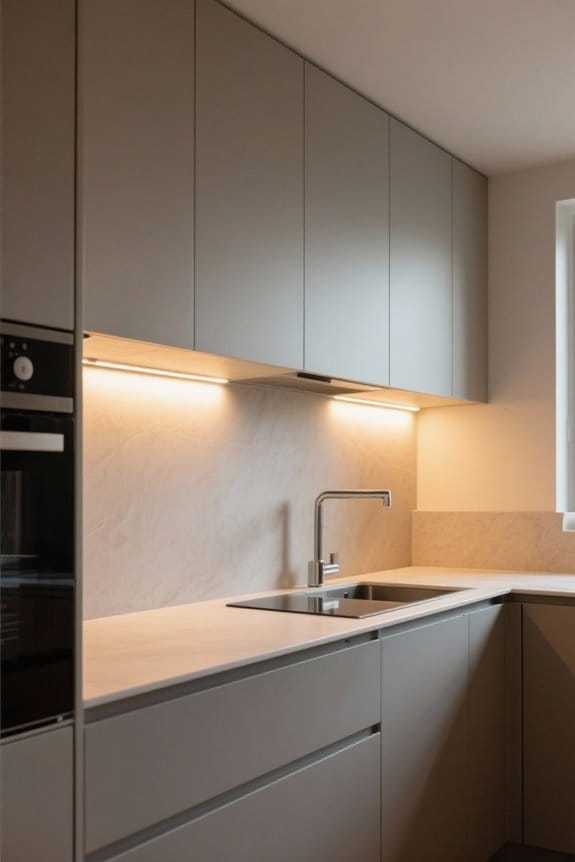
Understanding the importance of color temperature in kitchen lighting is essential for enhancing both atmosphere and functionality. The color temperature, measured in Kelvin ratings, considerably influences the kitchen environment. Warm white, ranging from 2700K to 3000K, creates a cozy ambiance ideal for dining areas. In contrast, neutral white light, with a temperature between 3500K and 4000K, improves visibility and color accuracy, making it suitable for general lighting and food preparation tasks. For effective task lighting, consider cool white, which spans 4500K to 5000K, as it provides bright, detailed illumination necessary for intricate cooking activities. By strategically layering these color temperatures, homeowners can optimize kitchen lighting, ensuring every area effectively serves its purpose. Modern CRI 90 lighting solutions enhance this versatility by providing superior color rendering capabilities that make food preparation more precise and enjoyable.
Ideal Color Temperatures for Various Kitchen Areas
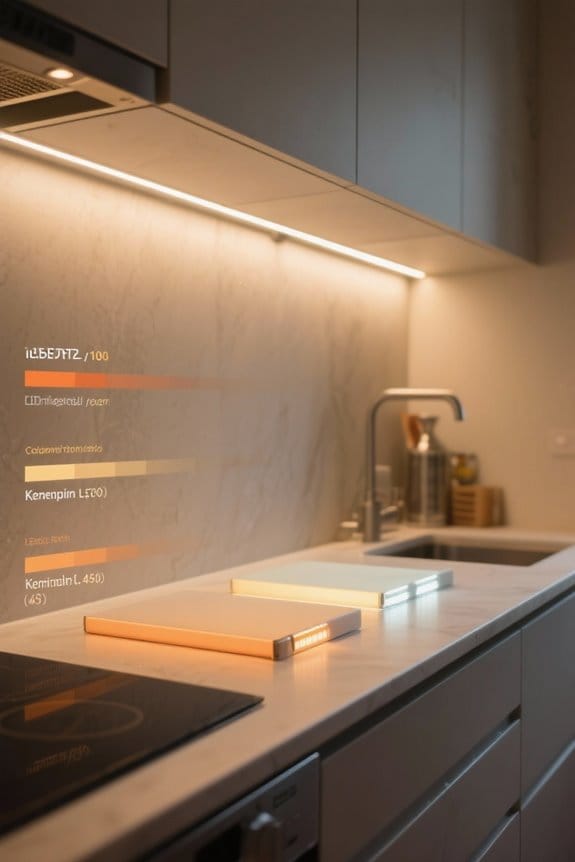
How can homeowners guarantee ideal lighting in every kitchen area? Selecting the appropriate color temperature of light is essential. For cozy dining atmospheres, warm white lighting in the range of 2700K to 3000K creates a welcoming environment. In contrast, neutral white light between 3500K and 4000K is recommended for general kitchen lighting, as it offers clarity and adaptability for various tasks. For focused cooking and food preparation, cool white lighting at 4500K to 5000K enhances visibility, generating bright conditions. Owners should consider the specific needs of different kitchen zones; warm light suits eating areas, while cool light is ideal over work surfaces. Properly chosen Kelvin temperatures greatly improve both functionality and enjoyment in kitchen lighting.
Recommended Products

50W 5500lm Hight Brightness - 1x4 LED Flat Panel Light Surface Mount: AIKVSXER Super Bright 1x4 Surface Mount LED Ceiling Light is designed with high-efficiency LED chips to replace traditional fluorescent light, high-efficiency (efficacy over 110LM/W) light source, reducing carbon emissions and your electric bill by 85%.

80``Ceiling Fan from the Windflower collection

Invisiled Pro 1Ft indicator marks every 2 inch for field cutting at the end of a run
Selecting the Best Light Bulb for Kitchen Use
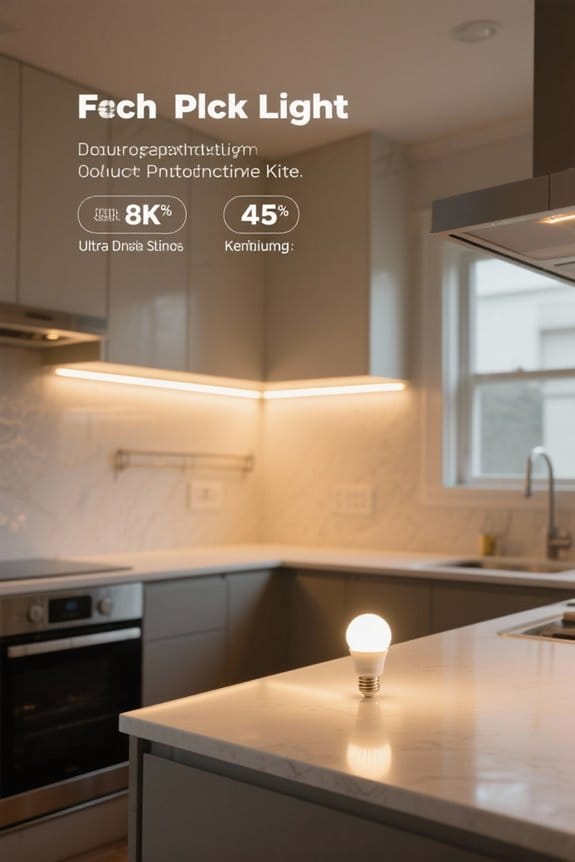
Selecting the right light bulb can transform a kitchen from functional to truly inviting. For a warm light that enhances dining areas, choose LED bulbs with a color temperature between 2700K and 3000K. This range creates an inviting atmosphere. If general kitchen illumination is needed, 3500K provides a versatile neutral white. For task lighting, which is essential during meal preparation, opt for cool white lighting in the range of 4500K to 5000K. LED bulbs are ideal due to their energy efficiency and longevity, lasting up to 25,000 hours. Layering various light types—ambient, task, and accent—ensures a balanced design. Always consider the Kelvin scale to achieve the appropriate lighting effect for kitchen functionality and aesthetics. Modern smart light fixtures offer customizable ambiance with millions of color options for precise control over your kitchen lighting environment.
Differences Between LED, Fluorescent, and Incandescent Bulbs
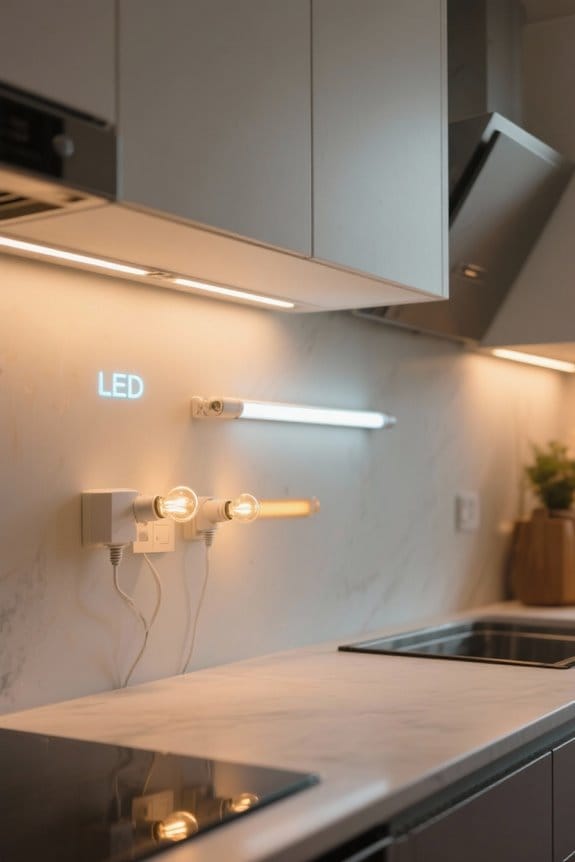
While each type of light bulb offers distinct advantages and limitations, understanding these differences is essential for ideal kitchen illumination. LED bulbs are highly energy-efficient, boasting lifespans up to 25,000 hours and a versatility in color temperature that allows for both warm and cool lighting. Fluorescent bulbs provide a cost-effective option, yet may flicker and possess limited dimming capabilities. Incandescent bulbs produce a warm light that creates a cozy ambiance but have shorter lifespans around 1,000 hours and inferior energy efficiency. When selecting bulbs, LEDs are generally recommended for their durability and versatility, effectively enhancing functionality and mood in kitchen spaces. Prioritize energy efficiency and desired color temperature when choosing your ideal lighting solution. Modern Energy Star LED lights use at least 75% less energy than traditional bulbs while providing consistent brightness levels throughout their extended lifespan.
Recommended Products

Sonneman Stix Contemporary Chandelier: Elevate your decor with the Sonneman Modern Lighting Stix 6-Arm LED Hanging Chandelier, featuring a contemporary design that adds a touch of sophistication to your kitchen island, dining room, or living room.

Premium Clear Glass: Features hand-polished crystal-clear glass panels/bubbles (no smoke tint), offering 95%+ light transparency for brighter, distortion-free illumination with the room decoration to create an elegant and luxurious atmosphere.The drum chandelier for living room,dining room.

Flocked features: This 12ft x 94in artificial flocked Christmas tree features heavy flocking for a fresh snowfall look. Add this unique focal point to your bedroom, living room, or office space.
Brightness Levels: How Bright Should Your Kitchen Lights Be?
Achieving the right brightness levels in a kitchen is essential for both safety and efficiency during cooking and food preparation. For overall illumination, kitchens should generally aim for brightness levels between 5,000 to 10,000 lumens, effectively lighting larger spaces. Task lighting in preparation areas requires about 3,000 to 4,000 lumens, ensuring clarity and efficiency while cooking. Additionally, accent lighting, which highlights specific features or creates ambiance, typically ranges from 2,000 to 4,000 lumens. To enhance functionality and aesthetics, the use of multiple light sources is crucial; this approach prevents shadows and promotes a well-lit environment. Always consider how light distribution works alongside brightness levels to create a harmonious cooking space tailored to various activities. LED under cabinet lighting can reduce energy consumption by up to 85% while providing optimal task illumination for counter workspaces.
Recommended Products

Battery Backup – This LED ceiling panel comes with a built-in battery backup that provides up to 90 minutes of emergency lighting during power outages. The panel includes an indicator screen that displays three different colors to show the status of the battery and a convenient test button to ensure it is always ready when needed.

SCULPTURAL CENTREPIECE — The Paget unites 9 LED lights across a 20-inch chrome chandelier frame in a transitional, considered composition. A chrome multi-light chandelier sized to anchor a dining room or entryway.
Layered Lighting Strategies for the Kitchen
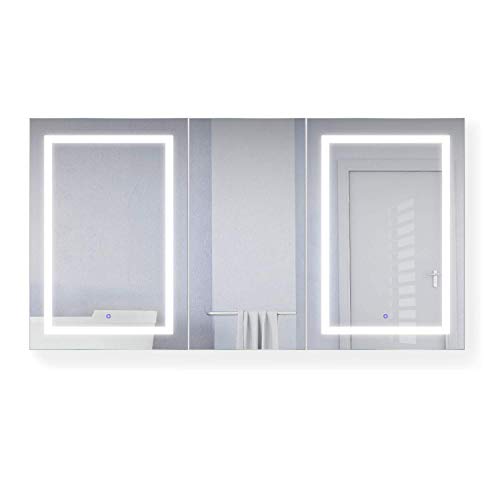
Creating a well-lit kitchen involves strategically layering lighting to address various needs and enhance functionality. Layered lighting consists of ambient, task, and accent lighting. Ambient lighting should provide overall brightness, typically from ceiling fixtures, targeting 5,000 to 10,000 lumens for effective coverage. Task lighting focuses on specific areas like countertops, requiring 3,000 to 4,000 lumens for ideal visibility during food preparation. Accent lighting highlights features such as artwork, needing 2,000 to 4,000 lumens to create an inviting atmosphere. Consider the respective color temperatures: warm white (2700K-3000K) for dining, neutral white (3500K-4000K) for general use, and cool white (4500K-5000K) for tasks. This careful selection of light colors, brightness, and color temperature guarantees a functional and aesthetically pleasing kitchen environment. Motion sensor features in under-cabinet lighting can enhance both convenience and energy efficiency while providing hands-free illumination for kitchen tasks.
Common Mistakes to Avoid When Choosing Kitchen Lighting
Selecting the right lighting for a kitchen requires attention to various factors that are often overlooked. One common mistake is ignoring natural light, which can create a mismatch with artificial lighting. This disparity can dramatically alter the space’s overall look. Rely on multiple light sources instead of a single one to minimize shadows, thereby enhancing task lighting. Remember to take into account energy efficiency when choosing bulbs; lower-wattage LEDs can reduce costs considerably. Additionally, do not overlook the importance of testing varying color temperatures, ideally between 2700K and 5000K, to find the ideal setting for different kitchen activities. Always assess the specific functions of areas, ensuring effective lighting for both prep and dining zones to enhance cooking and dining experiences. Consider installing high CRI lights to ensure accurate color representation of food and kitchen surfaces during meal preparation.
Personal Preferences in Color Temperature
How does color temperature affect the overall atmosphere in a kitchen? The color temperature, measured in Kelvin (K), greatly influences personal preferences. Typically, a range of 2700K to 3000K provides warm lighting, creating an inviting atmosphere ideal for cozy dining spaces. Conversely, cooler temperatures between 3500K and 5000K are preferred for their clarity and functionality, especially during food preparation. Individuals often select their desired warmth based on time of day; warmer tones promote relaxation in the evening, while cooler tones facilitate productivity during daytime hours. Personal preferences also dictate whether one values a softer ambiance or a modern, sleek look in their kitchen. Understanding these preferences can lead to a more satisfying and functional kitchen experience. Modern under-cabinet lights featuring adjustable brightness levels from 25% to 100% allow homeowners to fine-tune their kitchen’s illumination throughout the day.
Smart Lighting Solutions for Modern Kitchens
Modern kitchens benefit considerably from the integration of smart lighting solutions, which enhance both functionality and ambiance. Homeowners can adjust brightness and color temperature seamlessly through mobile apps, creating a versatile environment. For instance, typical smart bulbs range from 2200K to 6500K, allowing users to tailor their kitchen’s ambiance to suit various activities, whether cooking or entertaining. Additionally, many systems feature preset scenes that simplify adjusting lighting for specific tasks. Energy efficiency is reinforced by connectivity with smart home systems, enabling programmable schedules and voice control, which reduces energy consumption. Incorporating smart lighting enhances the overall kitchen experience, providing not only convenience but also a proactive way to influence one’s well-being through ideal Kelvin ratings and adjustable color temperatures throughout the day. Popular options like Puck Lights Smart Control deliver an impressive 960 lumens of output while offering both adhesive and screw mounting options for easy installation.
Recommended Products

Innovative Detachable Base Design: Lumary permanent outdoor lights feature a removable base with upgraded 3M adhesive and a screw-reinforced mount for extra stability. After the holidays, simply detach the lights for easy, hassle-free storage and compliance with HOA regulations
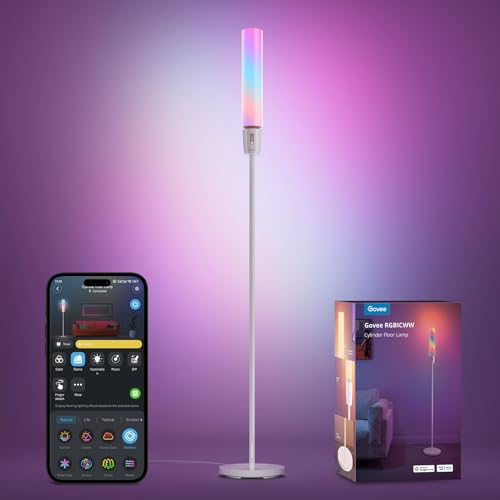
Dynamic RGBIC Lighting Effects: Govee Floor Lamp provides millions of colors and 64 preset scene modes on Govee Home App. Explore your preferred color and DIY your own scens. Set timer, brightness and group to suit your schedule.

【270°+ 90° Adjustment】Lumary 4 inch gimbal led recessed light rotates 270° and tilts 90°. Its main light delivers a 100° beam angle, leting you highlight wall decor and showcase artwork details from multiple perspectives. It works perfectly as accent lighting for galleries, exhibition spaces, and residential wall ambiance.The adjustable rotating design enables the light to reach hard-to-illuminate areas, including eaves, vaulted ceilings, sloped roofs, arched attic ceilings, and cathedral-style ceilings
How Natural Light Influences Kitchen Lighting Choices
What considerations should be made regarding natural light when designing kitchen lighting? Natural light can dramatically influence the perceived color temperature of artificial lighting. Kitchens with ample natural sunlight may benefit from cooler lights, typically within the range of 3500K-5000K, to balance the warm tones from sunlight. Conversely, kitchens that lack natural light should focus on warmer color temperatures, around 2700K-3000K, to foster a cozy atmosphere in the evening. Additionally, assess how the direction of natural light impacts your space; south-facing kitchens often receive warmer light, while north-facing areas will appear cooler. By evaluating how artificial lighting complements natural light throughout the day, homeowners can create a functional, harmonious environment for cooking and dining.
Practical Tips for Optimal Kitchen Lighting Configuration
When considering kitchen lighting configuration, how can one effectively balance various lighting types to create an ideal environment? Begin by incorporating a neutral white color temperature of 3500K to 4000K for general illumination. This promotes brightness while ensuring a cozy feel. For task areas, such as countertops, opt for cool white bulbs with a color temperature of 4500K to 5000K, enhancing visibility for detailed tasks. Add warm white accent lighting, ranging from 2700K to 3000K, in dining areas to foster an inviting atmosphere. Layering these types achieves excellent illumination, with a target of 5,000 to 10,000 lumens. Consider dimmable LED options to adapt light intensity and color temperature to varying cooking and dining situations. Modern motion sensor lights can activate within 0.1 seconds, providing immediate illumination when you need it most in your kitchen workspace.
Frequently Asked Questions
What Is the Best Kelvin for Kitchen Lighting?
The best Kelvin range for kitchen lighting typically spans from 2700K to 5000K, balancing kitchen ambiance and task lighting. Ideal color temperature varies based on light placement and personal preference, enhancing both functionality and aesthetics.
Is 2700 or 3000 Kelvin Better for Kitchen?
Choosing 3000K often enhances kitchen ambiance, providing better lighting efficiency for task lighting while preserving a welcoming atmosphere. The subtle shift in color temperature improves design aesthetics, ensuring functionality without sacrificing comfort.
Is 3000K or 5000K Better for Kitchen?
Choosing between 3000K and 5000K for a kitchen depends on personal preference. While 3000K offers kitchen warmth and ambiance setting, 5000K enhances color accuracy and task lighting, making it essential for focused culinary efforts.
Is 3000K Too Yellow for a Kitchen?
Three thousand Kelvin can appear too yellow for some, affecting kitchen ambiance and color contrast. Task lighting and personal preference greatly influence choices, balancing design aesthetics with functional needs to create an inviting yet practical space.