As an Amazon Associate, we earn from qualifying purchases. Some links on this site are affiliate links at no extra cost to you. Our recommendations are based on thorough research and editorial judgment.

How to Properly Space Under-Cabinet Lights

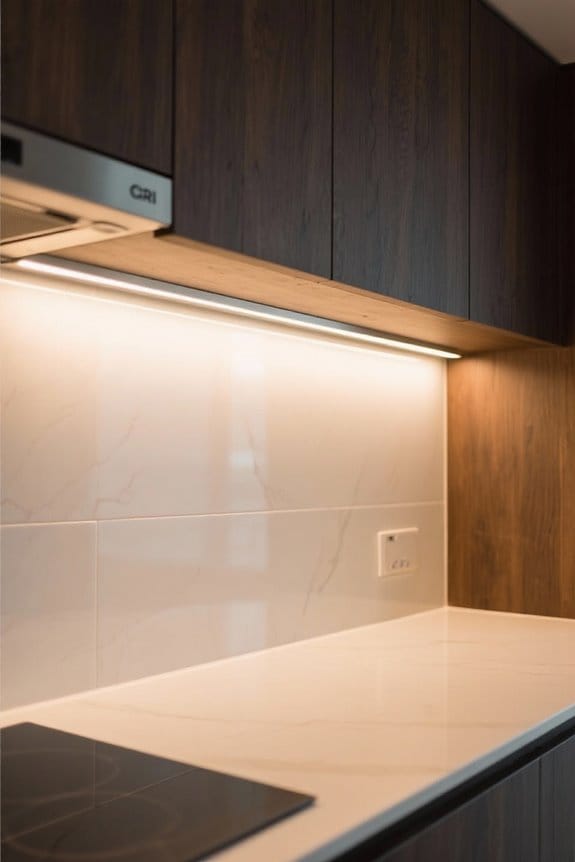
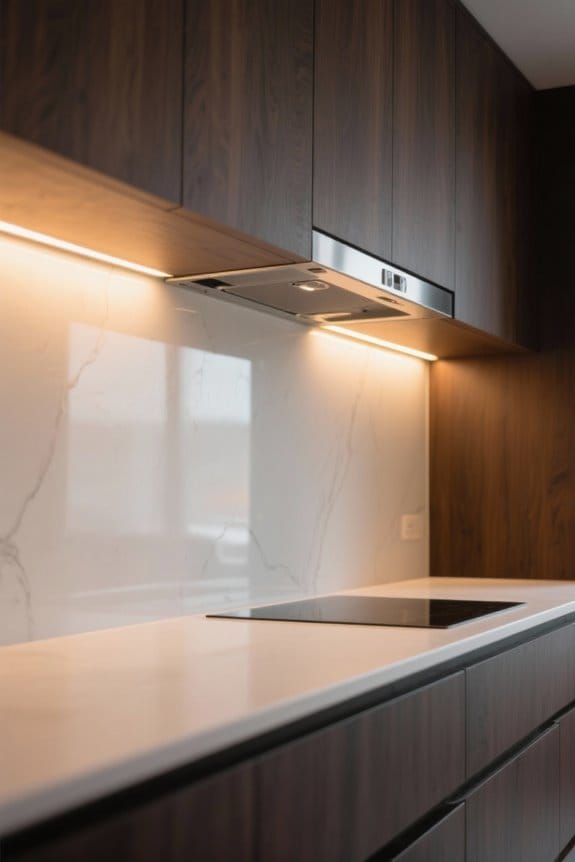
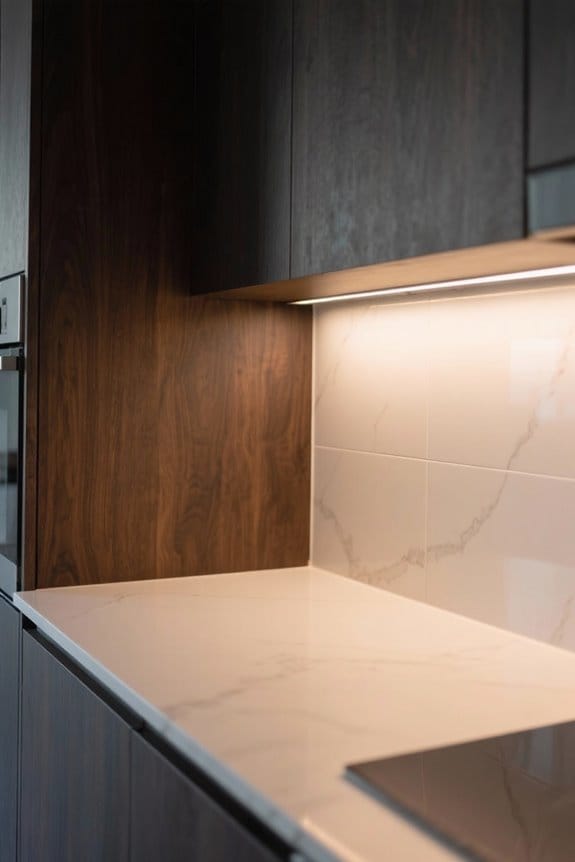
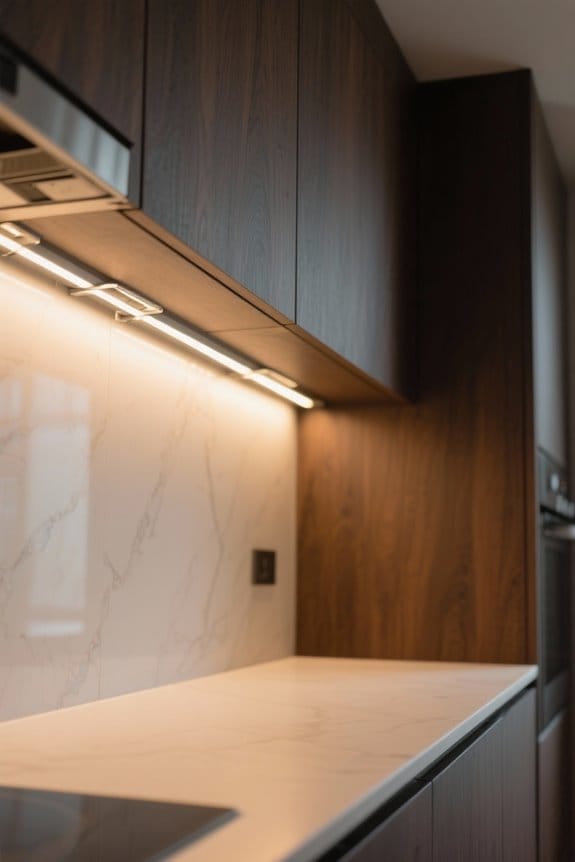
To properly space under-cabinet lights, position them 1 to 2 inches from the front edge of the cabinets. Maintain 24 to 30 inches between fixtures to avoid dark areas. If using puck lights, space them 12 to 18 inches apart. Make certain they are not placed directly against the back of the cabinets to minimize glare. Regular evaluations help maintain effective lighting; understanding these guidelines will greatly enhance kitchen functionality and aesthetic quality. Discover further insights ahead.
Key Takeaways
- Position lights 1 to 2 inches from the cabinet edge for optimal illumination without glare.
- Maintain a spacing of 24 to 30 inches between lights to avoid dark spots.
- For puck lights, space them 12 to 18 inches apart for even lighting coverage.
- Avoid placing lights directly at the back of cabinets to reduce glare on surfaces.
- Ensure a minimum spacing of 24 to 36 inches between different light sources for consistent brightness.
Importance of Under-Cabinet Lighting
You may be interested

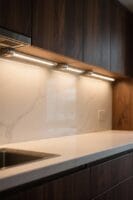
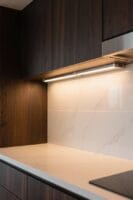
Under-cabinet lighting serves an essential role in enhancing kitchen functionality and visual appeal. This type of lighting improves visibility during food preparation, ensuring that countertops are brightly illuminated for safe cooking. By strategically placing under-cabinet lights, homeowners can eliminate shadows cast by overhead cabinets, creating an efficient workspace that reduces eye strain. Additionally, under-cabinet lighting helps establish an inviting atmosphere, encouraging gatherings and culinary creativity. It also enhances design elements, drawing attention to decorative backsplashes and unique textures. Integrating energy-efficient LED solutions offers substantial energy savings while providing effective task lighting. Installing under-cabinet lighting is a practical upgrade that balances functionality and aesthetics, elevating the overall kitchen experience. Prioritize this enhancement for both utility and visual appeal. Modern LED strip lights can provide up to 65,000 hours of reliable illumination for your under-cabinet lighting needs.
Recommended Lighting Types for Under-Cabinet Installation
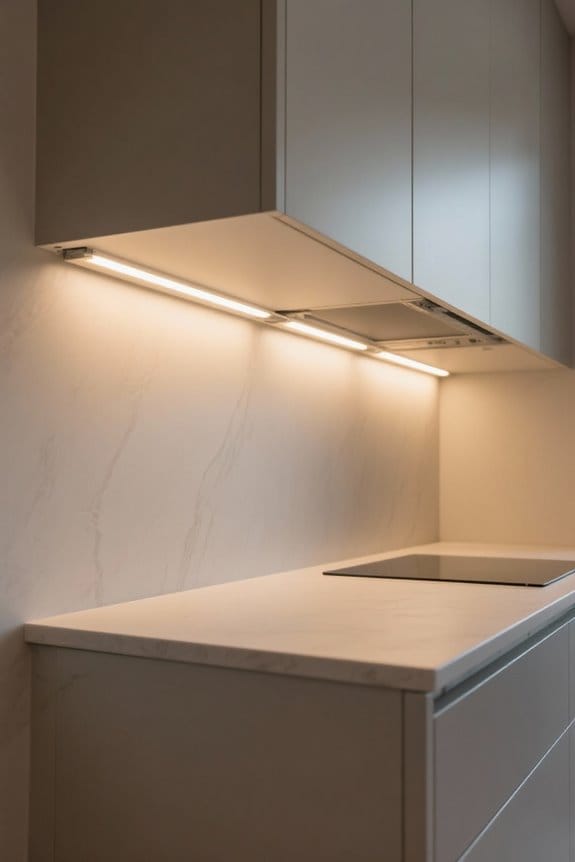
A variety of lighting types can transform under-cabinet spaces into highly functional and visually appealing areas. LED strip lights are popular for undercabinet lighting due to their even illumination and ease of installation. Install them along the front edges of cabinets, ensuring proper spacing of 2 to 3 inches apart for ideal visibility. Puck lights serve as versatile accent lighting, ideal for focusing light on specific areas like cutting boards or sinks. For an energy-efficient choice, fluorescent fixtures provide a broader light spread, while xenon lights offer a warm color temperature that enhances kitchen ambiance. Finally, battery-operated lights present a flexible solution for renters or temporary setups, requiring no electrical wiring while maintaining effective task lighting. Modern LED options often feature adjustable color temperatures ranging from warm 2700K to cool 5000K, allowing customization for different times of day and activities.
Recommended Products

3-Color LED Lighting in Cloud White, Deep Blue, and Amber. 304-grade Stainless Steel

Two Temperature Zones: Different wines are stored at different temperatures, the dual zone design can accommodate the storage needs of a variety of wines, ensuring the perfect temperature for storing and serving your favorite vintages.

60 CU. FT. SPACIOUS & EFFICIENT STORAGE SPACE: Commercial beverage display refrigerator offers a generous 60 Cu Ft of storage. With its ample capacity, this unit is perfect for offices, retail shops, restaurants, and supermarkets, ensuring you have all the space you need to store a variety of beverages.
Optimal Placement Strategies for Maximum Illumination
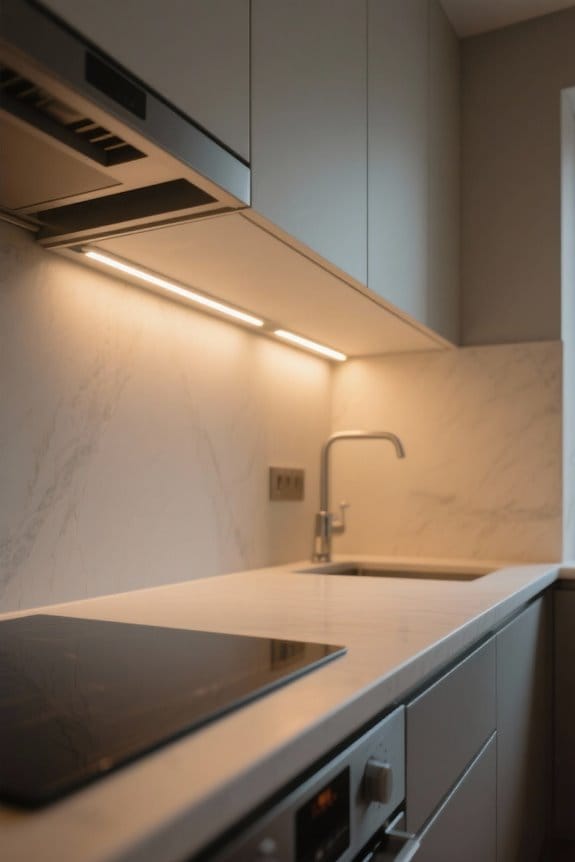
Selecting the correct placement for lighting contributes greatly to an efficient workspace. For under-cabinet lights, the best placement should guarantee uniform illumination across the countertop. Position lights 1 to 2 inches from the front edge of cabinets to enhance direct lighting, maximizing task visibility. Spacing should ideally range from 24 to 30 inches, preventing dark spots. For LED strip lights, continuous installation along the cabinet length guarantees an even light wash, considerably improving aesthetics. If using puck lights, maintain spacing of 12 to 18 inches apart for concentrated illumination on specific areas. Avoid placing lights directly at the back of cabinets, as this can create glare and hinder effective lighting on preparation surfaces. For optimal task lighting, consider installing ultra-thin LED strips that measure just 0.25 inches in thickness to maintain a sleek, unobtrusive appearance under your cabinets.
Common Mistakes to Avoid When Spacing Lights
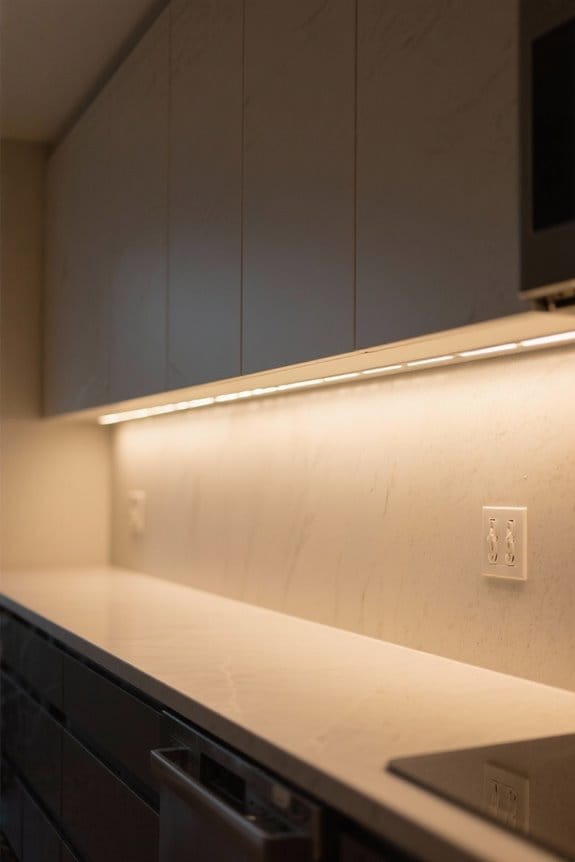
Mistakes in spacing under-cabinet lights can lead to significant issues in both functionality and aesthetics. A common error is placing lights too far apart, resulting in uneven lighting and shadows that hinder task visibility. Maintain a minimum spacing of 24 to 36 inches between light sources to prevent dark spots and guarantee consistent illumination. Incorrect positioning, such as placing lights directly at the back of cabinets, can create glare on shiny surfaces, reducing comfort. Additionally, considering fixture height in relation to the countertop is vital for adequate illumination. Finally, neglecting the differences in light intensity between puck lights and strip lights can disrupt the overall lighting placement, resulting in an unnatural balance and ineffective coverage. Maintain proper spacing for peak performance. For optimal task lighting, consider installing high CRI strips that provide accurate color representation and ensure proper visibility of food preparation and cooking areas.
Recommended Products

Invisiled Pro 1Ft indicator marks every 2 inch for field cutting at the end of a run

Gemini LED tape light output is 3W per foot with easy-to-setup seamless and scalable run lengths up to 24 feet.

▶ Hardwired or Plug-in Installation – Install as permanent LED under cabinet lighting with direct wire, or use a plug-in for quick setup without an electrician. Flexible solution for kitchens, closets, and workspaces
Maintenance and Safety Practices for Under-Cabinet Lighting
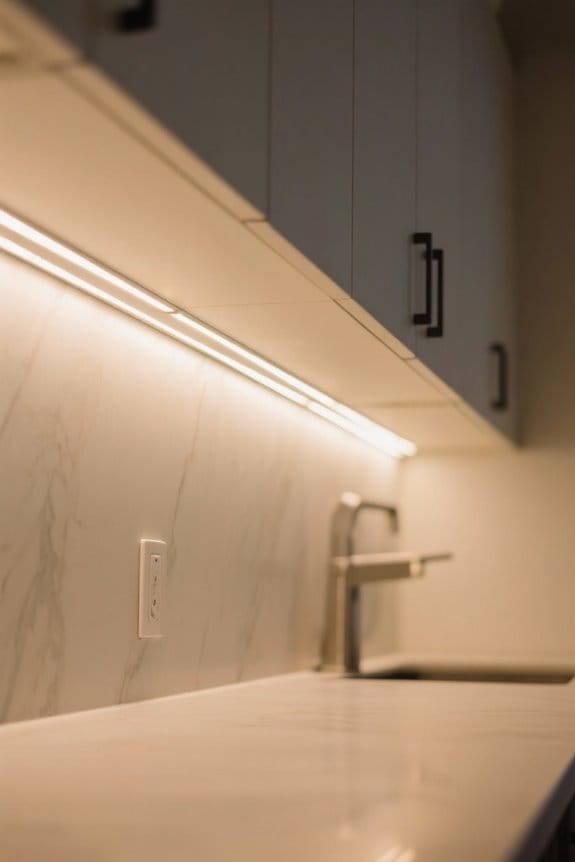
Effective maintenance of under-cabinet lighting is essential for both safety and functionality in any kitchen environment. Regularly inspect the connections of under-cabinet lights to ascertain they are secure—loose connections may cause flickering or total failure. Clean fixtures at least every three months to remove dust and grease, enhancing brightness and aesthetic appeal. Ascertain concealed wiring is adequately protected to prevent electrical hazards. Evaluate power supplies for signs of overheating or wear, as proactive maintenance extends the lighting system’s lifespan. Schedule a thorough evaluation of the entire setup annually to confirm peak performance and promptly address issues. Following these practices guarantees safety and efficiency while keeping the kitchen illuminated effectively. For optimal performance, consider installing motion sensor lights which eliminate the need for manual operation and reduce wear on switches while providing convenient hands-free illumination in busy kitchen spaces.
Frequently Asked Questions
Where Do You Put Lights Under Cabinets?
Under-cabinet lights should be strategically positioned to enhance kitchen aesthetics, ensuring ideal brightness levels. Consider fixture styles, energy efficiency, and maintenance needs while incorporating installation tips like using dimmer switches and selecting appropriate color temperatures for varied lighting placement.
How Many Can Lights for a 12X12 Kitchen?
For a 12×12 kitchen, 6 to 8 can lights are ideal for ambient lighting, ensuring energy efficiency and effective light placement. Consider ceiling height, fixture styles, and dimmers to enhance overall kitchen design and task lighting.
How Far Should Lights Be Away From Cabinets?
The distance of lights from cabinetry hinges on cabinet height and fixture type; ideally, they should be positioned 1 to 2 inches away. Proper light placement minimizes shadow effects, enhances brightness, and boosts the kitchen’s aesthetic appeal.
How Many Under Cabinet Strip Lights Do I Need?
Determining the number of under cabinet strip lights relies on lighting brightness, installation tips, and desired color temperature. Considering energy efficiency, product types, and design aesthetics can guide effective lighting placement for enhanced functionality and ambiance.