As an Amazon Associate, we earn from qualifying purchases. Some links on this site are affiliate links at no extra cost to you. Our recommendations are based on thorough research and editorial judgment.


Preventing Heat Damage to LED Installations

To prevent heat damage in LED installations, effective heat management is essential. Use high-quality heat sinks made from aluminum to facilitate heat dissipation. Guarantee adequate ventilation by avoiding enclosed areas. Maintain a temperature range specified by the manufacturer, typically between 25°C and 85°C. Incorporate active or passive cooling solutions, like thermal pads or ventilation systems, to enhance airflow. Regularly monitor temperatures with sensors to identify issues early. Continue exploring effective strategies to optimize LED performance and longevity.
Key Takeaways
- Utilize high-quality heat sinks made from thermally conductive materials to effectively dissipate heat from LED installations.
- Ensure proper ventilation by avoiding enclosed spaces and maintaining airflow around LED units.
- Monitor operating temperatures with thermal sensors to quickly detect and address overheating issues.
- Implement dimming controls to reduce thermal output during lower light needs.
- Follow manufacturer guidelines to maintain optimal operating temperatures and enhance LED longevity.
Understanding LED Heat Generation
You may be interested



Understanding how LEDs generate heat is essential for anyone involved in lighting installations. Despite their efficiency, LED heat generation occurs due to inefficiencies in the conversion of electrical energy to light. High-quality LEDs typically produce less excess heat compared to lower-quality options, but poor components can drastically affect thermal performance. High ambient temperatures and overloading LEDs with wattage exacerbate this issue. Close proximity to other heat sources can further increase heat buildup, compromising LED efficiency. Effective management of heat is critical; maintaining proper ventilation helps dissipate heat effectively. Failure to manage excessive heat can greatly reduce the lifespan of LEDs and diminish their light output. Understanding these principles is fundamental for achieving ideal performance in LED lighting systems. Products with 50,000 hours lifespan demonstrate optimal heat management through quality components and design.
Effective Heat Dissipation Strategies
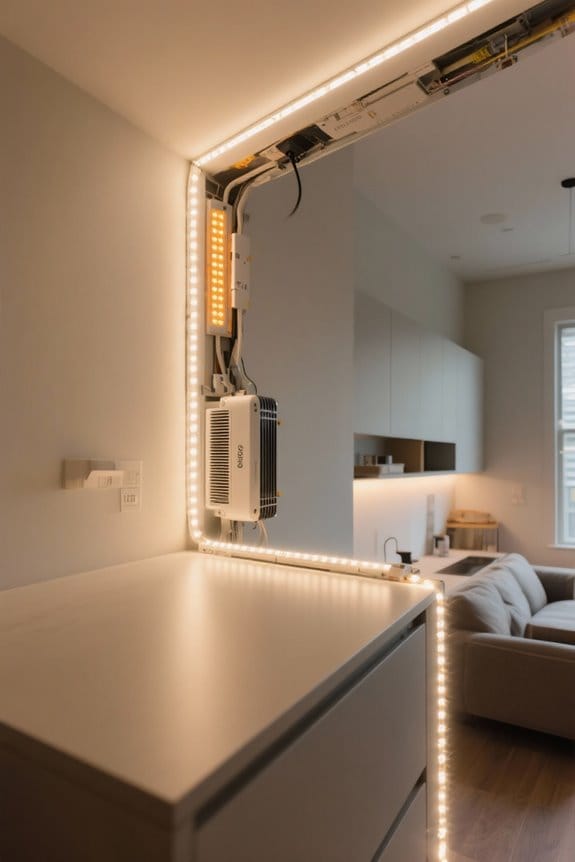
Implementing effective heat dissipation strategies is essential for enhancing the performance and longevity of LED installations. Utilize heat sinks made from thermally conductive materials like aluminum to absorb and transfer heat efficiently, maintaining ideal temperature during operation. Guarantee proper ventilation by positioning LED lights in well-ventilated areas, thereby avoiding enclosed spaces that trap excessive heat. Incorporate thermal management techniques, such as dimming controls or pulse-width modulation (PWM) controllers, to reduce power consumption and subsequent heat generation. Monitor operating temperatures regularly using thermal sensors to promptly identify overheating issues. Adhering to manufacturer guidelines guarantees thermal protection, preventing performance degradation and extending the lifespan of LED drivers. By applying these methods, installers can guarantee efficient cooling and maintain ideal performance levels. Modern LED efficiency ratings demonstrate up to 80% less power consumption compared to traditional incandescent lamps, resulting in significantly reduced heat output.
Advanced Cooling Techniques
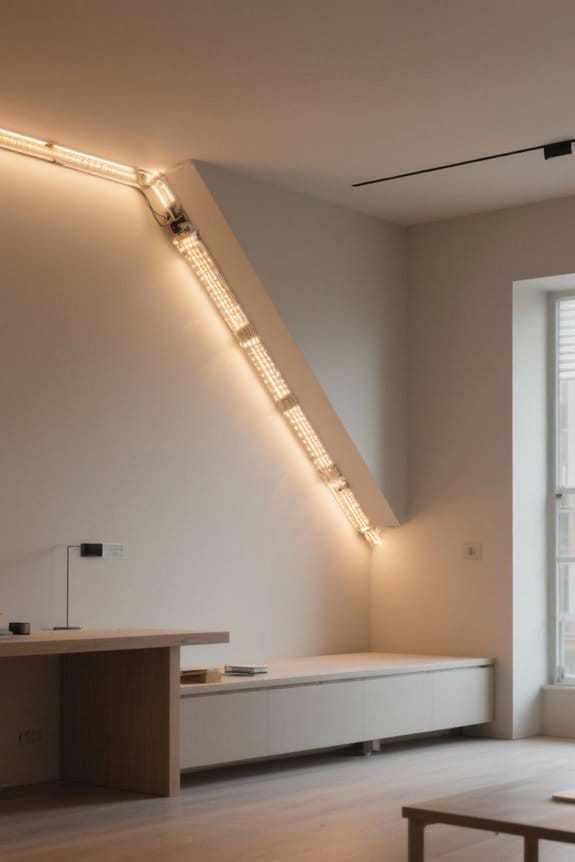
Numerous advanced cooling techniques are available to boost the thermal management of LED installations effectively. Implementing active cooling solutions, such as LED coolers and ventilation systems, can greatly improve heat dissipation, maintaining ideal temperature ranges. Passive cooling methods, including thermal pads and heat sinks, absorb and transfer heat, reducing the risk of excessive heat buildup. Proper ventilation is essential; maintain adequate spacing between LED units to promote airflow, thereby enhancing overall thermal management. Utilize thermal sensors to monitor operating temperatures, allowing for timely adjustments to cooling strategies. Reflective coatings or materials can redirect heat away from LED components, further improving efficiency. Prioritize these techniques to guarantee longevity and reliability in LED installations. Using high-quality copper wiring in LED splitter connections helps minimize resistance-based heat generation and ensures optimal thermal performance.
Recommended Products

High Speed, Low Latency: The Predator Pallas II memory is available in frequency up to 6600 MHz and latency of CL30, to avoid FPS drops and ensure victory on the battlefield.

Ready for Advanced AI PC: Designed for the future of AI computing, with the power and connectivity needed for demanding AI applications.

AMD Ryzen 5 7600X Desktop Processor, 6-Core, 12-Thread, 5.3 GHz Max Boost, unlocked for overclocking, 38MB cache, DDR5-5200 support, default TDP 105W. This dominant gaming processor can deliver fast 100+ FPS performance in the world's most popular games
Optimizing LED Performance
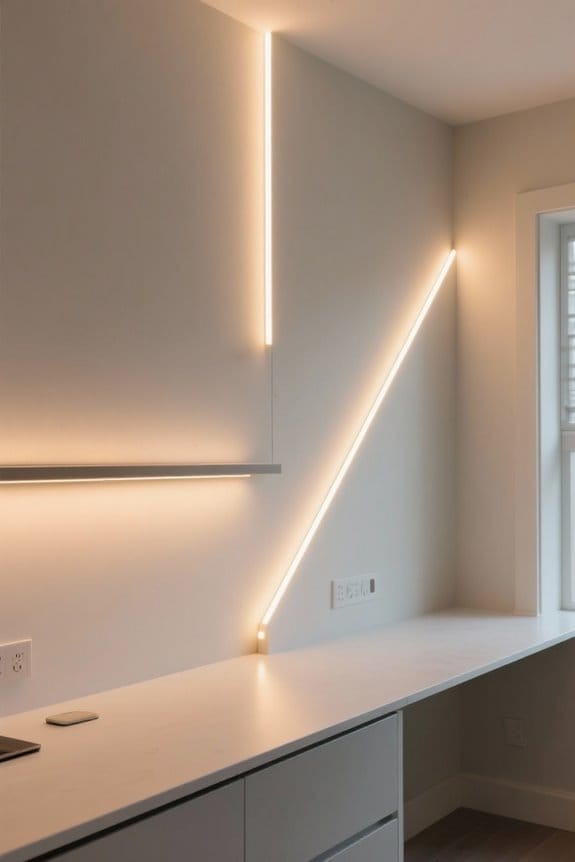
Maximizing LED performance requires careful attention to thermal management and operational conditions. Effective cooling methods, such as high-quality heat sinks and thermal pads, can greatly enhance efficiency by dissipating excess heat. It is essential to adhere to the manufacturer’s recommended operating temperature range, typically between 20°C and 40°C, to prevent overheating and guarantee peak performance. Incorporating built-in cooling solutions and proper ventilation further aids in managing heat generation. Utilizing dimming options or PWM controllers reduces power consumption, thereby decreasing thermal output and prolonging longevity. Regularly monitoring LED temperatures with thermal sensors allows for early detection of overheating issues. Products like the CNSUNWAY LED lights demonstrate excellent heat management with their 50,000-hour lifespan and efficient 20W power consumption. Implementing these strategies will ultimately maintain brightness, enhance performance, and prevent heat damage, assuring reliable LED functionality over time.
Recommended Products

【Super Bright & Energy Saving】 The Gopretty 1000W LED Flood Light delivers an impressive 95,000 lumens of 6500K daylight white brightness with a wide 120° beam angle. Using advanced Epistar LED chips, it replaces traditional 4200W halogen lights while saving up to 85% on electricity bills.

ULTRA POWER - SUPPORTS THE LATEST RYZEN 9000 PROCESSORS IN HIGH PERFORMANCE - The MPG X870E EDGE TI WIFI employs an 14 Duet Rail Power System (80A, SPS) VRM for the AMD X870E chipset (AM5, Ryzen 9000 / 8000 / 7000) with Core Boost architecture

AM5 Socket: Ready for AMD Ryzen Desktop 9000*, 8000*, and 7000 Series Processors
Long-Term Benefits of Proper Heat Management
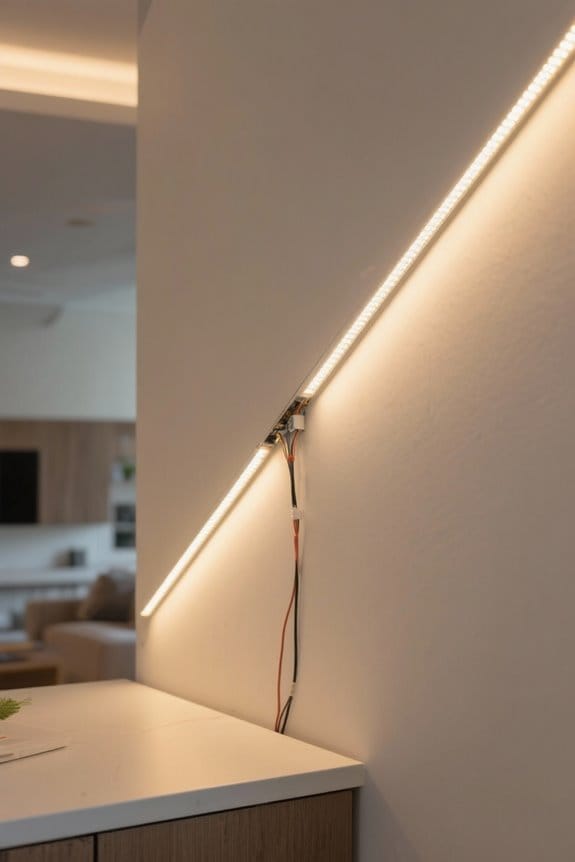
Effective heat management plays a significant role in the long-term performance and durability of LED installations. Implementing strategies to dissipate heat, such as the use of thermal pads and heat sinks, guarantees adequate ventilation. This practice can prevent overheating, maintaining temperatures below manufacturer-recommended levels. As a result, maintaining ideal temperature increases LED performance and light output by as much as 20%. Additionally, efficient heat transfer reduces heat buildup, ultimately decreasing the risk of excessive efficiency drops, which can reach up to 30%. Consistent thermal regulation can yield over 80% energy savings, providing both economic and environmental benefits. Thus, prioritizing heat management is vital for enhancing energy efficiency and extending LED lifespan, potentially reaching 50,000 hours or more. Low heat generation is a crucial safety feature that minimizes fire hazard risks, especially in residential applications.
Frequently Asked Questions
How to Stop LED Lights From Getting Too Hot?
To stop LED lights from overheating, one should employ LED cooling solutions such as effective heat sink design, thermal paste application, and proper ventilation systems, while considering ambient temperature and energy efficiency tips.
Do LED Lights Need Thermal Protection?
LED lights undeniably need thermal protection; effective LED heat management balances energy efficiency and lifespan impact. Proper ventilation, heat sinks, and thoughtful light fixture design mitigate overheating risks under varying environmental conditions, ensuring peak performance and durability.
How to Set up LED Lights Without Damaging Walls?
To set up LED lights without damaging walls, consider proper mounting techniques, suitable adhesive choices, effective heat dissipation strategies, surface compatibility, and light placement adjustments. These LED installation tips enhance durability and minimize the risk of wall damage.
Will Heat Damage LED Lights?
Excessive heat can indeed damage LED lights, impacting performance and light longevity. Effective thermal management, proper fixture design, and efficient cooling systems are crucial installation practices to maintain ideal ambient temperature and enhance bulb lifespan.