As an Amazon Associate, we earn from qualifying purchases. Some links on this site are affiliate links at no extra cost to you. Our recommendations are based on thorough research and editorial judgment.

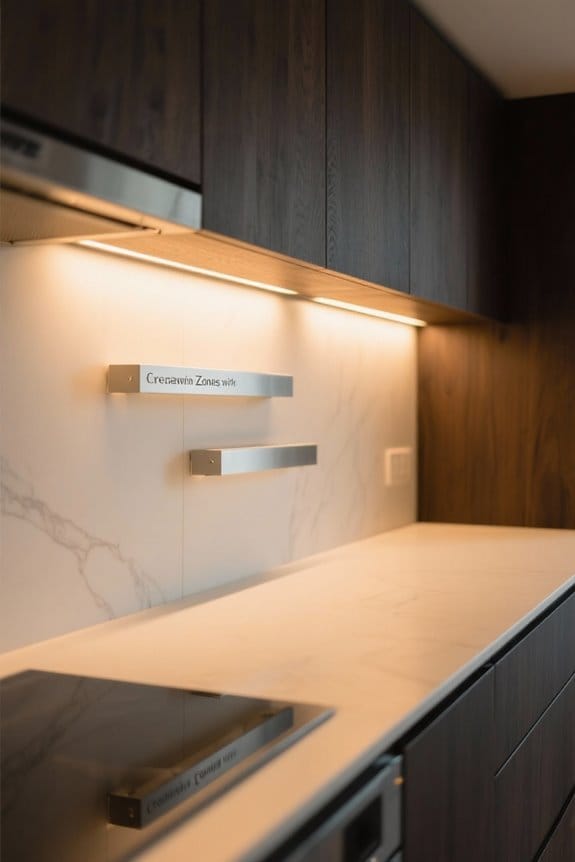
Creating Zones With Different Lighting Temperatures

Creating zones with different lighting temperatures optimizes atmosphere and functionality in spaces. Utilize warm light (2700K-3000K) for relaxation areas, while cooler light (4000K-5000K) enhances focus in work zones. In kitchens, employ adjustable task lighting with color temperatures of 3500K-4000K for clarity. Dining areas benefit from prominent pendant lights at 2700K-3000K, promoting an inviting ambiance. Layer lighting with dimmable fixtures for flexibility. Discover how to effectively implement these concepts for your home by exploring further insights.
Key Takeaways
- Determine specific functions for each zone, assigning warm light (2700K-3000K) for relaxation and cooler light (4000K-6500K) for work tasks.
- Utilize layered lighting with ambient, task, and accent sources to establish clear distinctions between different areas.
- Incorporate dimmable fixtures to adjust light intensity according to time of day and desired mood for each zone.
- Select adjustable lighting fixtures that can customize color temperatures for enhanced functionality within each specific area.
- Maintain consistent color temperature throughout interconnected zones to promote visual harmony and prevent distractions.
Understanding Color Temperature and Its Impact on Lighting
You may be interested
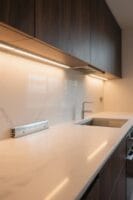
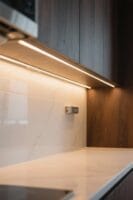
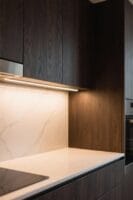
When designing a well-lit environment, understanding color temperature is essential, as it profoundly affects the atmosphere and functionality of a space. Measured in Kelvins (K), color temperature ranges from 2700K to 6500K. Warm light, typically between 2700K-3000K, fosters a cozy ambiance perfect for relaxation zones within homes, such as bedrooms and living areas. Conversely, cooler light, ranging from 5000K-6500K, enhances focus and alertness, making it suitable for workspaces. Consistent color temperature is critical; it prevents visual distractions and maintains harmony, especially in open-plan layouts. Effective lighting design utilizes the Color Rendering Index (CRI), with higher values improving color perception, thereby enhancing aesthetic appeal. Consider these factors carefully to create functional, inviting environments. Modern tunable white LED strips offer unprecedented control over color temperature adjustment, allowing users to customize their lighting throughout the day.
The Importance of Lighting Zones in Open Plan Living
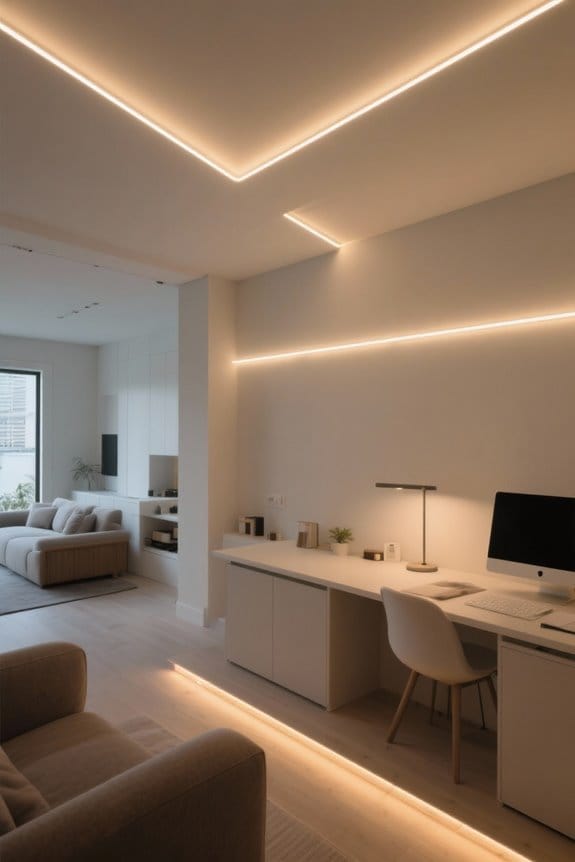
Defining lighting zones in open plan living is vital for creating both distinct areas and a harmonious atmosphere. Using ambient lighting with warmer temperatures between 2700K and 3000K fosters relaxation, while cooler temperatures of 4000K to 5000K enhance focus in work zones. To achieve this, layer lighting by combining task, accent, and ambient sources. This method delineates spaces effectively without physical barriers. Dimmable fixtures are also essential; they allow for adaptability in lighting temperatures at different times, accommodating various activities. Consistency in color temperature within specific zones guarantees visual harmony. Create different lighting experiences to enhance usability and elevate the overall mood in open plan settings, reinforcing the functional importance of thoughtful lighting design. Milky white covers provide optimal light diffusion and reduce glare, creating a more comfortable and evenly lit environment in each designated zone.
Using Lighting to Define Zones in a Kitchen Space
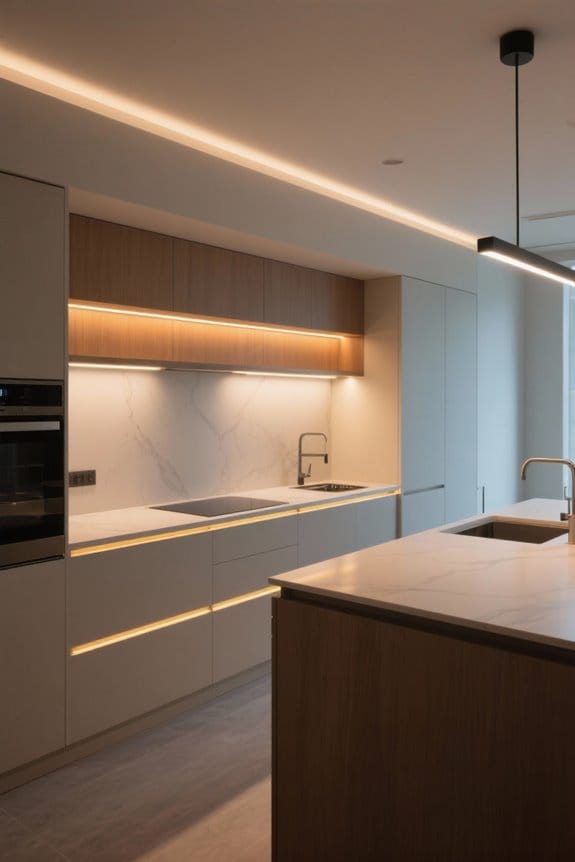
How can effective lighting design transform a kitchen into a versatile space? By strategically combining task and ambient lighting, homeowners can define functional zones. Pendant lights, ideally hung at 30-36 inches above kitchen islands, serve dual purposes, providing both ambient light and focused illumination for cooking tasks. Consider installing adjustable wall lights or spotlights to eliminate shadows and enhance safety during food preparation. Utilize dimmable switches to allow flexibility in brightness, creating the right mood for various activities throughout the day. Ideal color temperatures between 3500K to 4000K are essential, promoting clarity while executing precise tasks and showcasing food presentation. Products like high CRI ratings ensure true color rendering, making food preparation more precise and enjoyable. Thoughtful lighting choices enhance both practicality and aesthetics, making the kitchen a truly multifunctional space.
Recommended Products

Adjustable Wattage & High Brightness: Easily choose between 60W and 100W to get the right amount of light for your room. This fixture provides 130 lumens per watt, making it very bright while saving energy. Perfect for kitchens, offices, retail areas, and any commercial space where good lighting is important.

【DIY Crystal Chandelier】You can change the suspension position of the 3 rings, DIY the different shape you likes that makes your room special, K9 crystal rings, match with gold frame, make this pendant light more stylish and elegant, perfect for the home decorations, bring your room classic, luxury, transitional.

Design: Thoughtfully-designed pendant light fixture featuring an elongated tapered silhouette with riveted details and custom square chain design, perfect for kitchen island lighting or dining room illumination with updated traditional style
Creating an Inviting Dining Zone With Lighting
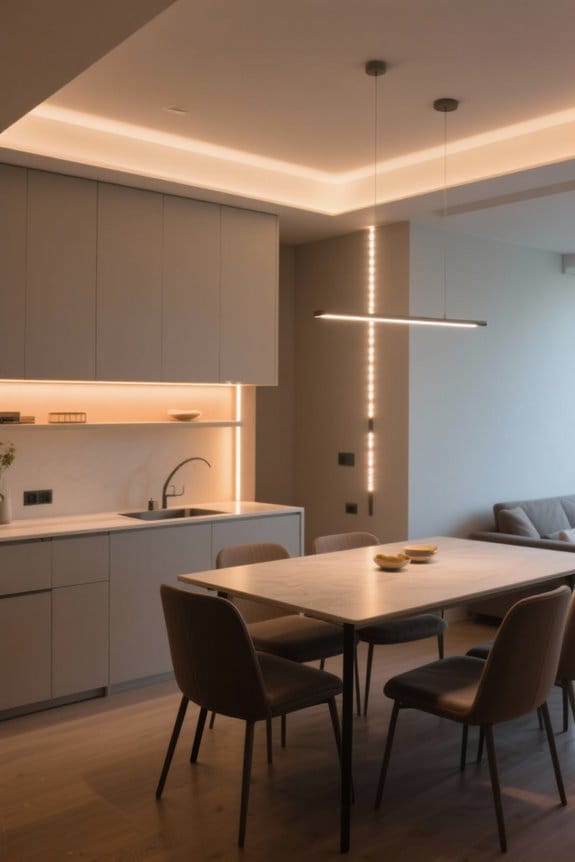
What elements create an inviting dining zone that elevates the overall dining experience? Start with a prominent feature pendant light or chandelier, positioned 36 inches above the dining table, to establish focus. Utilize warm lighting, specifically in the 2700K to 3000K range, to enhance food appearance and foster a cozy atmosphere. Supplement this main source with wall sconces to introduce ambient lighting, creating a soft, diffused glow. Implement adjustable brightness through dimmable switches to change easily from bright daytime use to soft evening settings, facilitating an inviting atmosphere. Consider adding anodized aluminum channels to your lighting design for enhanced durability and effective heat dissipation while protecting LED strips. Maintain consistent color temperature across the dining area to guarantee visual harmony, enhancing the overall aesthetic appeal and ultimately promoting enjoyable meals in a beautifully lit environment.
Recommended Products

MODERN DESIGN – The Chantilly collection brings a modern silhouette to the chandelier, creating a refined focal point that elevates dining rooms, foyers and open living spaces.

Sonneman Stix Contemporary Chandelier: Elevate your decor with the Sonneman Modern Lighting Stix 6-Arm LED Hanging Chandelier, featuring a contemporary design that adds a touch of sophistication to your kitchen island, dining room, or living room.

This 18-light chandelier consists of five layers of wooden lamp posts and countless matte white wooden strips that curve upwards from flexible iron arms. Slender metal branches are intricately arranged and finished in a soft ivory color.
Establishing Different Zones in a Living Area
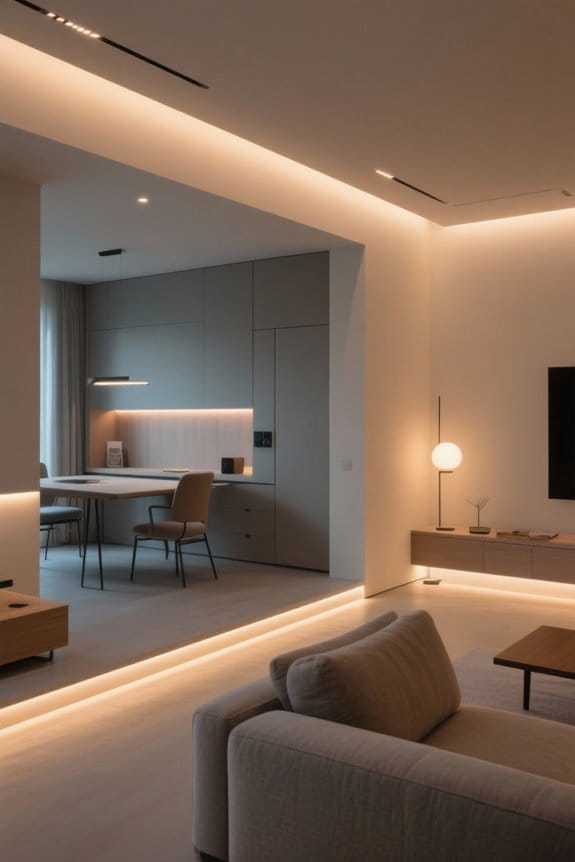
Creating distinct zones in a living area enhances functionality and improves the overall comfort of the space. To achieve this, use dimmable pendant or cluster lights for ambient lighting, adjusting their brightness based on activities. For a relaxing zone, incorporate softer wall sconces behind seating, enriching the atmosphere for unwinding or socializing. Define reading nooks with statement floor lamps, which provide focused task lighting essential for comfort. Enhance study or crafting zones with decorative table lamps, offering flexible placement and ease of movement. Layering different light sources—such as ambient, task, and accent lighting—creates a harmonious living area tailored to various activities and moods. Consider temperatures of light; warmer tones can enhance relaxation, while cooler tones encourage focus.
The Role of Dimmers in Zone Lighting
While establishing distinct lighting zones, the integration of dimmers plays an essential role in enhancing both functionality and ambiance. Dimmers offer users the flexibility to adjust light intensity, vital for achieving desired lighting temperatures in various settings. Consider installing dimmable LED fixtures, which can be set between 10% to 100% brightness, creating warmer tones for relaxation or cooler tones for focused tasks. In living and dining areas, dimmable switches facilitate a smooth shift from intensive task lighting to softer ambient settings. This adaptability not only improves zone versatility but also minimizes eyestrain by allowing precise brightness control. Ultimately, employing dimmers enhances both the practicality and aesthetic appeal of each lighting zone, resulting in a more comfortable environment tailored to diverse needs. Modern smart cabinet lights like the GE Cync Reveal HD+ can connect up to 500 watts while offering seamless dimming capabilities through voice commands and app controls.
Recommended Products

Battery Backup – This LED ceiling panel comes with a built-in battery backup that provides up to 90 minutes of emergency lighting during power outages. The panel includes an indicator screen that displays three different colors to show the status of the battery and a convenient test button to ensure it is always ready when needed.

⭐ IP66 WATERPROOF & DUSTPROOF — COMMERCIAL GRADE DURABILITY Built for the harshest environments with IP66-rated waterproof and dustproof construction. Durable polycarbonate housing reinforced with stainless steel hardware stands up to moisture, dust, and debris in car washes, parking garages, barns, warehouses, food processing facilities, walk-in coolers, carports, gas stations, and wet outdoor applications.

Commercial Grade: With aluminum housing and integrated driver, this 2x4 led flat panel light provide you with long-term and trustworthy performance. Its dustproof design can stand for harsh environments which is perfect for office, warehouse, garage, hospital, classroom and other commercial use
Choosing the Right Color Temperature for Each Zone
When designing lighting zones, selecting the appropriate color temperature is essential for creating a perfect atmosphere tailored to specific activities. In the living room, warm tones ranging from 2700K to 3000K foster a cozy and inviting environment, perfect for relaxation and social gatherings. For the dining space, maintaining warm lighting within the same 2700K to 3000K range enhances food presentation and creates an appealing mealtime setting. Conversely, kitchens benefit from a neutral color temperature of 3500K to 4000K, which provides the clarity necessary for food preparation tasks. In contrast, home offices should utilize a cooler temperature between 4000K to 5000K to promote focus and productivity. Guarantee a cohesive aesthetic by maintaining consistent color temperature across each designated zone. Using high-quality connectors when joining LED strips between zones helps maintain consistent brightness and prevents unwanted dimming that could disrupt your carefully planned lighting scheme.
Recommended Products

【3 Color Lighting Modes & Adjustable Brightness】 The LED cabinet mirror is equipped with a high-brightness 6500K LED light strip, offering three color modes: warm, natural, and cold white. The brightness is fully adjustable from 10% to 100%, allowing you to customize the lighting for perfect makeup application. With ETL certification, we ensure that the medicine cabinet meets rigorous safety and performance standards

Invisiled Pro 1Ft indicator marks every 2 inch for field cutting at the end of a run

Gemini LED tape light output is 3W per foot with easy-to-setup seamless and scalable run lengths up to 24 feet.
Incorporating Accent Lighting for Enhanced Ambiance
How can accent lighting transform a living space into a visually compelling environment? Accent lighting greatly enhances ambiance by directing focus to specific elements like artwork or architectural features, effectively creating focal points. Use warm-colored bulbs, ideally around 2700K to 3000K, to cultivate a cozy atmosphere, particularly in relaxation areas. Well-placed fixtures can enhance existing decor and reflect personal style. Employ lighting techniques such as varied angles and intensities to introduce depth. A layered lighting approach complements accent lighting, allowing for versatile spaces that adapt to different moods. For instance, combining accent light with general illumination could shift a room’s dynamic from vibrant during social gatherings to calming during intimate dinners. Modern RGB lighting options provide unlimited customization possibilities with up to 16 million colors to match any décor scheme or mood setting.
Layering Lighting to Achieve Functional Design
Creating a functional design requires more than merely selecting light fixtures; it involves strategically layering various lighting sources to enhance both aesthetics and practicality in different zones. Layering lighting effectively combines ambient lighting, task lighting, and accent sources. For instance, kitchens benefit from bright task lighting at 3000K for efficiency, while living areas thrive under warmer ambient lighting around 2700K. Dimmers further customize brightness levels, creating a versatile atmosphere suited to various activities. Incorporate wall sconces for accent lighting and pendant lights for task areas, maintaining a balance between light sources. By thoughtfully selecting color temperatures, designers can delineate spaces; cooler tones enhance functionality in workplaces, while warmer tones promote relaxation in leisure areas, achieving distinct zones effectively. Modern daylight white LEDs at 6000K color temperature provide enhanced visibility for detailed tasks while maintaining an ultra-thin profile for discreet installation.
Selecting the Perfect Fixtures for Your Zones
Selecting the perfect fixtures for various zones requires careful consideration of both functionality and aesthetic appeal. Opt for adjustable fixtures that allow for customization of color temperature. In dining zones, choose pendant lights with a color temperature of 2700K to 3000K for a warm ambiance. For living areas, wall sconces and floor lamps should feature a neutral temperature range of 3500K to 4100K, providing balanced ambient lighting. In the kitchen, prioritize task lighting fixtures with cooler temperatures (3500K to 4000K) to enhance clarity during food preparation. Incorporate dimmable options across all zones to adapt light intensity and temperature, effectively aligning with daily activities and moods. Thoughtful choices in fixtures contribute greatly to the overall atmosphere and functionality of each zone. Under-cabinet lighting with CRI 90 ratings ensures accurate color representation of ingredients and enhances the vibrancy of food preparation areas.
Recommended Products

Modern Staircase Chandelier: Elevate entryways with this gold high-ceiling chandelier; featuring (49 Droplets) and a 128-inch adjustable design, it creates a striking focal point for staircases, foyers, and open spaces

Cozy Ambient Glow: 3000K warm light creates a welcoming atmosphere; glare-free illumination ideal for large living or dining areas

Art Deco Grand Tiered Design for Statement Spaces: Features a striking multi-layered silhouette crafted from premium smoked clear textured glass panels and a luxurious gold metal frame—true to Art Deco style, it becomes a bold, eye-catching centerpiece that infuses large dining rooms, great rooms, foyers, or staircases with vintage-glam elegance and dramatic visual appeal
Practical Tips for Implementing Zone Lighting
Implementing effective zone lighting can markedly enhance both functionality and ambiance in various areas of a home. Use warmer color temperatures, between 2700K and 3000K, in relaxation zones such as living rooms and bedrooms to create a cozy atmosphere. In kitchen work areas, neutral temperatures of 3500K to 4000K are best for improving visibility during food preparation. For dining zones, opt for ambient lighting around 2700K to enhance the appeal of meals. In home offices, incorporate cooler lighting, from 4000K to 5000K, to foster focus and productivity. Additionally, utilizing dimmable fixtures provides flexibility to adjust brightness and color temperature according to the time of day and desired mood, enhancing the overall effectiveness of your zone lighting strategy. Modern LED under cabinet lights can provide up to 90% energy savings compared to traditional halogen options while offering versatile color temperature adjustments.
Exploring Pooky’s Designer Lighting Range for Your Home
Exploring Pooky’s designer lighting range presents homeowners with a diverse array of fixtures specifically designed to enhance various zones within the home. The collection includes ambient lighting options, such as pendant lights, emitting warm color temperatures ranging from 2700K to 3000K, ideal for creating inviting dining spaces. For work areas, task lighting like adjustable wall lights provides brighter illumination in the neutral range of 3500K to 4000K, ensuring clarity. Additionally, Pooky’s unique designs for accent lighting highlight artwork and architectural features while maintaining consistent color temperatures. Homeowners can also benefit from the range’s dimming options, allowing for flexible brightness management during different activities and times of day, enhancing both comfort and functionality in living spaces.
Frequently Asked Questions
Can You Mix Warm and Cool Lighting?
Mixing warm and cool lighting is feasible, enhancing mood and supporting zone differentiation. Achieving lighting harmony depends on color temperature selection, design aesthetics, and personal preference, ensuring a balance that elevates the overall ambiance within spaces.
Is 3000K or 4000K Better for Outdoor Lighting?
Choosing between 3000K and 4000K for outdoor lighting depends on outdoor ambiance and aesthetic preference; 3000K offers warmth and energy efficiency for relaxation, while 4000K provides safety illumination for functional lighting tasks.
Is 3000K or 4000K Better for Dining Room?
In choosing between 3000K and 4000K for the dining room, personal tastes heavily influence lighting preferences. Warmer 3000K bulbs enhance mood, creating a cozy dining ambience, while 4000K provides a neutral color balance with different fixture styles.
Is 4000K or 5000K Better for a Kitchen?
“The early bird catches the worm.” In choosing between 4000K and 5000K for a kitchen, personal preference governs. While 4000K balances ambiance and task lighting, 5000K excels in energy efficiency and color accuracy under modern design trends.