As an Amazon Associate, we earn from qualifying purchases. Some links on this site are affiliate links at no extra cost to you. Our recommendations are based on thorough research and editorial judgment.

Creating Visual Balance With Cabinet Lighting

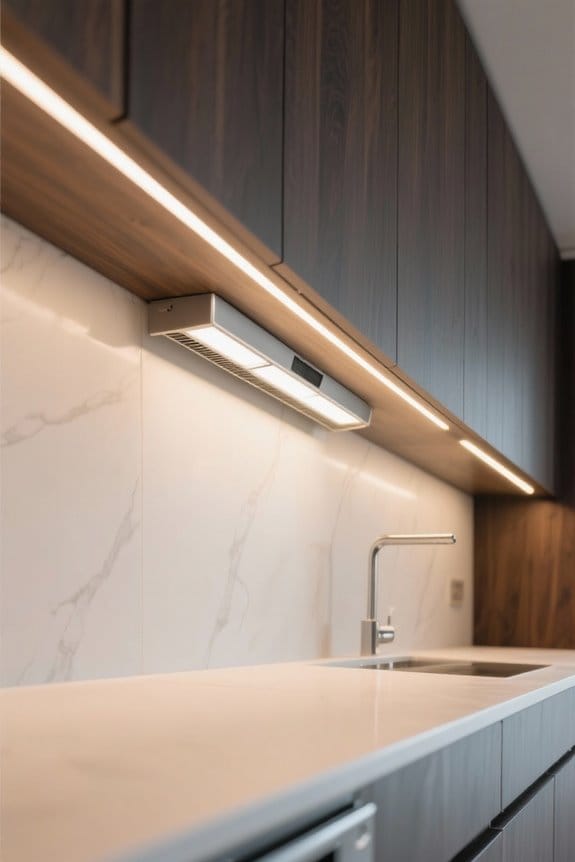
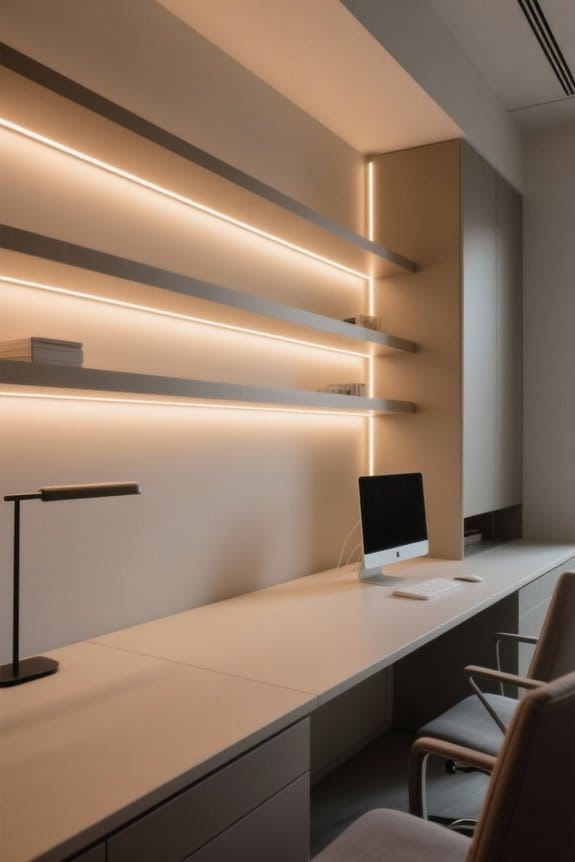
Creating visual balance with cabinet lighting requires a strategic blend of task, ambient, and accent illumination. Utilize under-cabinet lights for ideal countertop visibility, aiming for cooler color temperatures between 4000K-5000K. Incorporate warm white fixtures (2700K-3000K) for ambient lighting, enhancing the overall kitchen atmosphere. Puck lights can highlight decorative items, adding depth and interest. Consider using dimmable options to adjust brightness as needed. Explore emerging trends in integrated LED solutions for innovative and energy-efficient lighting. More insights await you.
Key Takeaways
- Layer task, ambient, and accent lighting to achieve a harmonious blend that enhances both functionality and aesthetics in your kitchen.
- Employ under-cabinet and over-cabinet lighting to create layers that add depth and eliminate shadows on work surfaces.
- Utilize warm white LED fixtures for a cozy atmosphere, while cooler whites can present a modern, clean aesthetic.
- Highlight unique cabinetry features and décor with accent lighting, such as puck lights or LED strips, to draw attention and create interest.
- Ensure all lighting fixtures are proportionate to cabinet size, maintaining visual harmony and avoiding overwhelming the space.
The Importance of Layering Light
You may be interested

Layering light is essential in kitchen design, as it combines multiple lighting types to create a balanced and functional environment. Effective lighting strategies employ ambient, task, and accent lighting to eliminate harsh shadows while highlighting essential kitchen areas. For task lighting, under-cabinet lighting provides focused illumination for countertops, enhancing functionality during meal prep. Ambient lighting, such as pendant lights, introduces a warm glow, adding to the kitchen’s aesthetic appeal. Accent lighting, strategically placed, draws attention to cabinetry or decor, fostering visual balance. Incorporating dimmable options offers versatility, allowing users to adapt the lighting to various moods or activities. This combination not only supports practical needs but also elevates the overall aesthetic experience in the kitchen. Modern LED cabinet lighting can reduce energy consumption by up to 85% while providing superior illumination for daily tasks.
Understanding Task, Ambient, and Accent Lighting
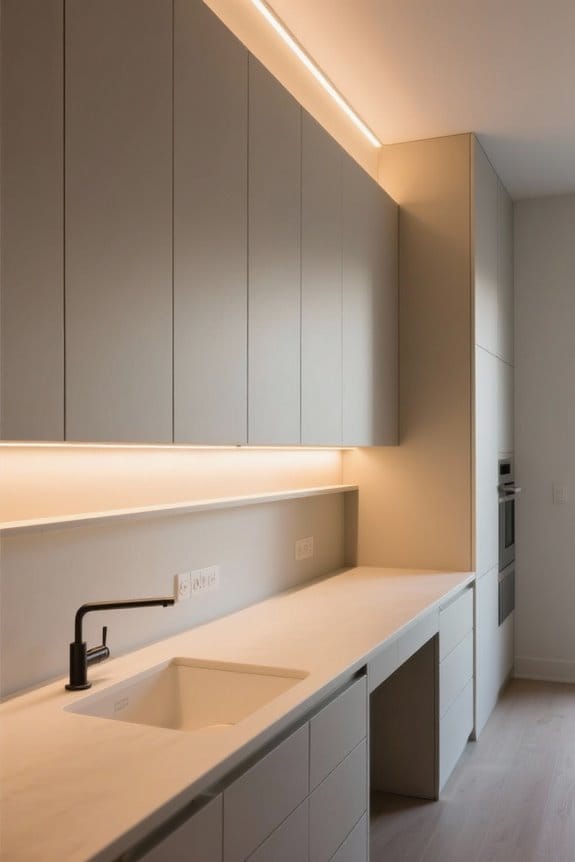
Effective kitchen design hinges on understanding the distinct roles of task, ambient, and accent lighting. Task lighting, achieved with under-cabinet lights, illuminates work surfaces, making cooking and cleaning easier. Choose LED lights with cooler color temperatures to enhance visibility and improve functionality. Ambient lighting serves as the foundation, balancing natural light with soft, overhead fixtures to create warmth and eliminate shadows. Finally, accent lighting highlights unique features like glass-front cabinets or artwork, using LED strips or puck lights to enhance visual appeal. Layering these lighting options not only supports usability but also enriches the overall design. Emphasizing varied color temperatures can elevate the kitchen’s mood, ensuring each task and feature is supported effectively and attractively. Modern LED task lights can reduce energy consumption by up to 80% compared to traditional incandescent bulbs while providing superior illumination for detailed work.
Choosing the Right Fixtures for Your Cabinets
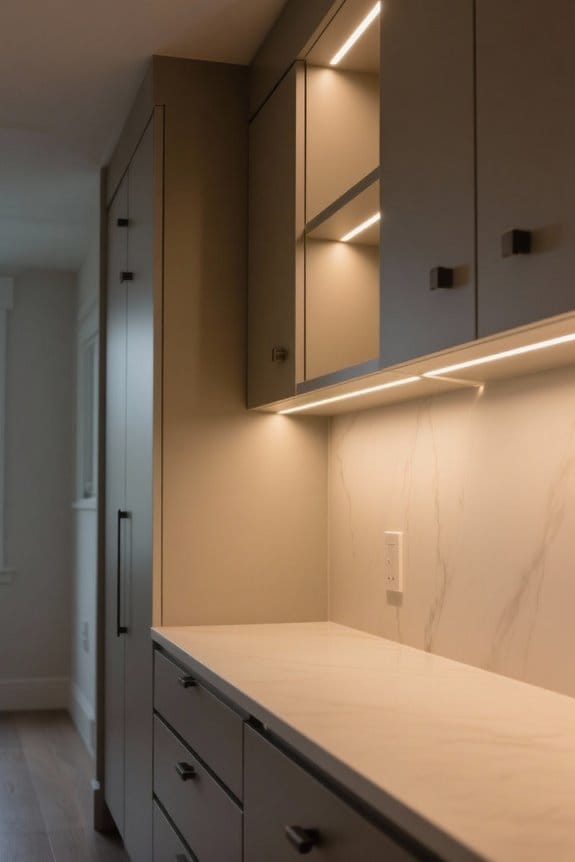
Selecting the right fixtures for cabinet lighting is essential in achieving a functional and aesthetically pleasing kitchen. Consider using LED strip lights or recessed fixtures for a modern, streamlined look that minimizes visual clutter. Puck lights offer targeted illumination, ideal for showcasing specific items in cabinets or on open shelves. Pay attention to color temperatures; warm white (2700K-3000K) establishes a cozy vibe, while cooler whites (4000K-5000K) contribute to a contemporary aesthetic. Opt for dimmable fixtures to adjust brightness for varying tasks or moods. Guarantee the size and scale of your fixtures align with cabinet dimensions to maintain visual harmony, avoiding bulky options that could disrupt the kitchen’s overall appeal. Assess carefully for effective results. For maximum convenience and energy efficiency, motion sensor options can automatically activate lighting when you approach your cabinets and turn off after 20 seconds of inactivity.
Recommended Products

Capacity: 138 Wine bottles (750 ml) with 14 shelves, 2 Cooling Zones

Our new Full Size Panel Ready Dual Zone Wine Cooler will seamlessly harmonize with your kitchen cabinetry while keeping your wine at the optimal serving temperature. It’s party-ready, with exciting features like Hettich articulating hinges, Full-Extension Wood Racks, vertical LED light strips in three colors and four light levels, an illuminated control panel, and an updated kickplate with built-in lock. Also boasts an auto-illuminating function that sets the lighting to the highest brightness level when the door opens for greater visibility. Door handle sold separately, and wood panel not included.
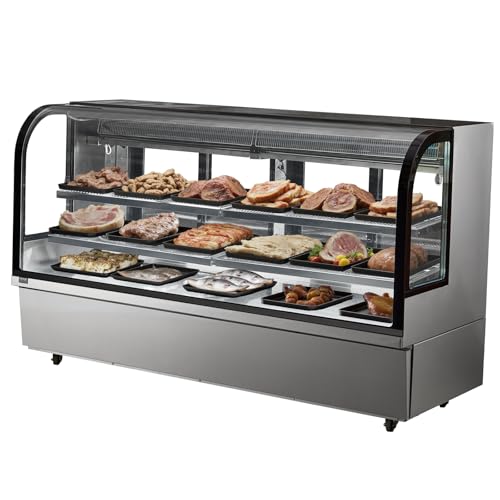
Quick Cooling: The refrigerated display case features a recessed direct cooling system that rapidly cools to the set temperature (temperature range: 2 - 8°C / 35.6 - 46.4°F). It efficiently keeps the internal temperature within the designated range, ensuring your food stays in the best condition while saving energy.
Enhancing Functionality With Under-Cabinet Lighting
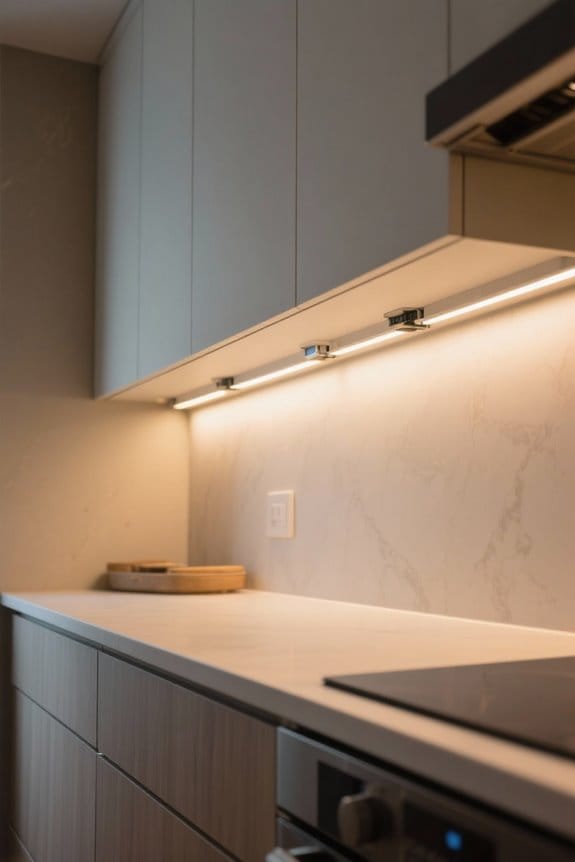
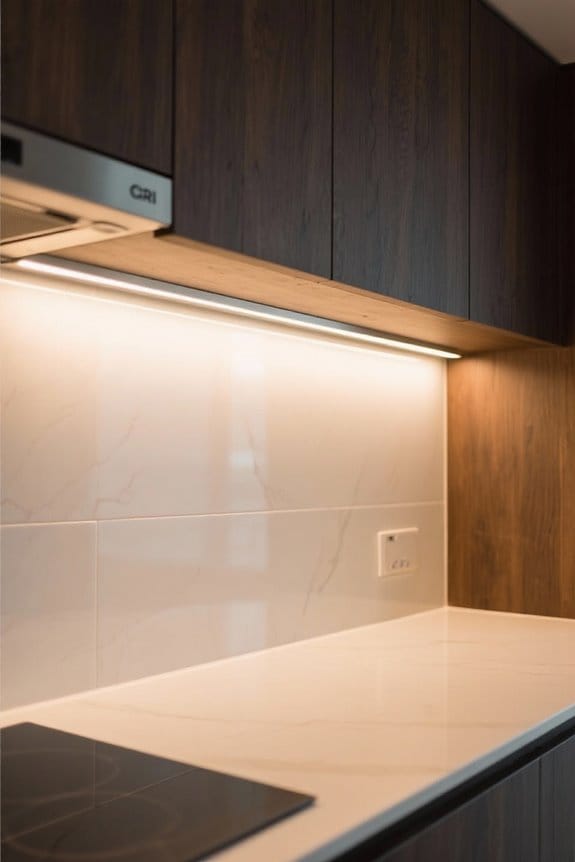
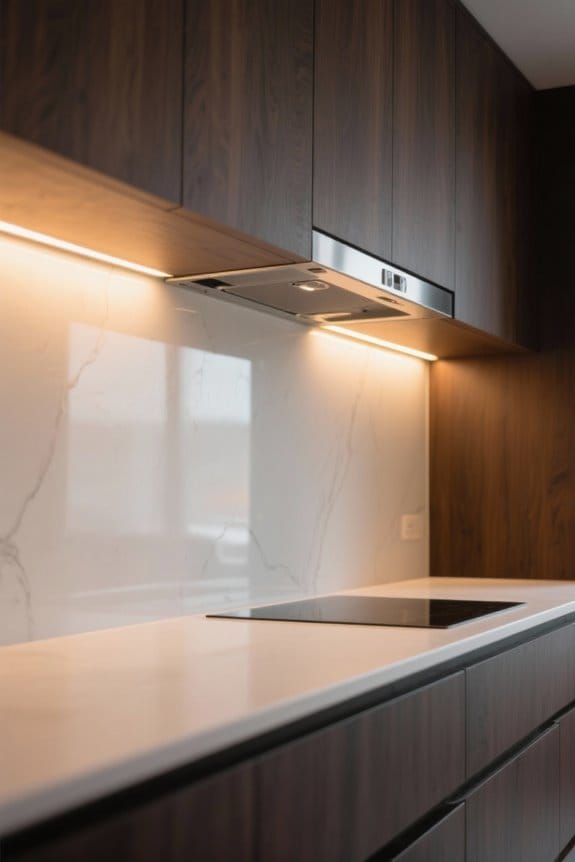
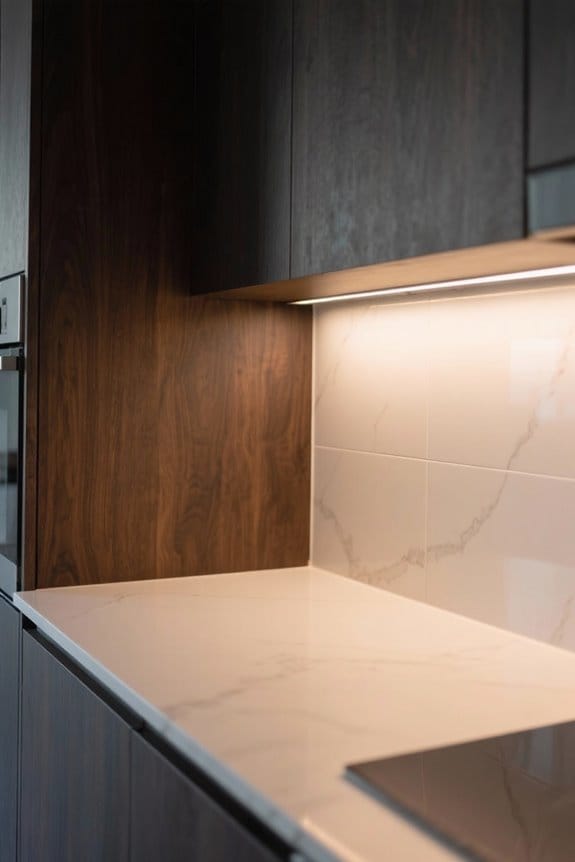
While planning a kitchen renovation, incorporating under-cabinet lighting is essential for enhancing functionality and aesthetics. This type of lighting considerably improves task visibility, thereby increasing safety during food preparation. Energy-efficient LED options are ideal, as they offer longer lifespans and lower electricity costs. By installing under-cabinet lights, you can effectively eliminate shadows, fostering a more inviting atmosphere that enhances kitchen usability, particularly in the evening. Consider integrating motion sensor technology; lights can activate automatically when cabinets open, adding convenience during busy moments. Additionally, under-cabinet lighting beautifully highlights backsplashes and cabinetry, contributing to the visual balance in kitchen design. Addressing varied lighting needs is pivotal for crafting an efficient, well-lit workspace and elevating your overall kitchen experience. Modern options like the adjustable color temperatures allow you to customize the lighting from warm to cool tones, ensuring optimal visibility for different tasks throughout the day.
Recommended Products
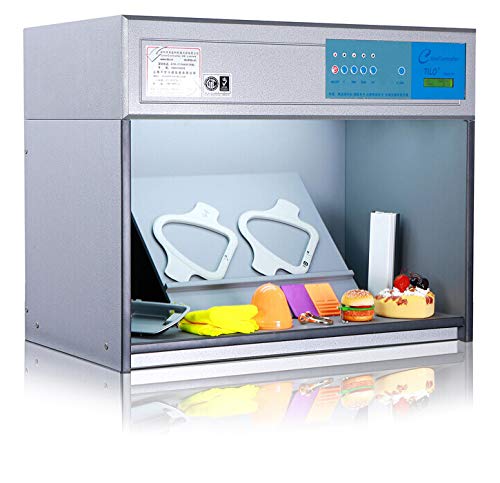
Display each light source - the use of time and total time

Flexible silicone cased tape light for enhanced Damp location listing. Peel and stick3 construction adhesive on back. Indicator marks every 6 inch for field cutting at the end of a run

【 Aluminum LED Channel 】: LED channel skirting is made of durable and high quality aluminum material, unlike yellowed and cracked traditional plaster line. The baseboard lighting trim is no rust, no paint peeling with long service life
Illuminating the Inside: In-Cabinet Solutions
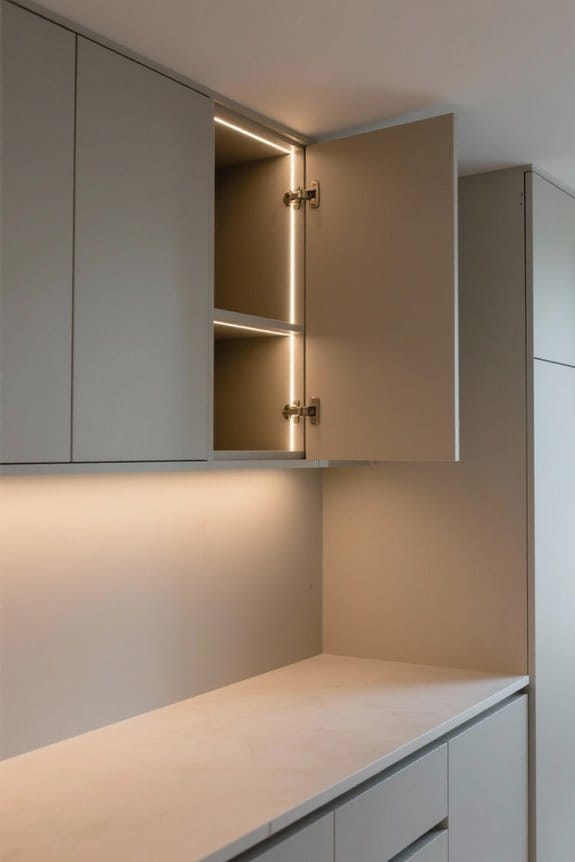
In-cabinet lighting solutions play an essential role in optimizing kitchen space and improving accessibility. Employ high-quality LED puck lights for areas that require focused light, illuminating specific items while enhancing textures. Consider installing recessed LED strips along the sides or tops of cabinets to provide even lighting, essential for dark storage areas. Automate your lighting with sensors that activate upon opening doors or drawers, promoting energy efficiency as they remain on only when necessary. This strategic lighting arrangement can greatly improve functionality, allowing for a more organized kitchen. Aim for a brightness of 300 to 500 lumens per square foot in task-oriented areas, ensuring that all items are easily visible and accessible, contributing to a seamless cooking experience. Modern 12 volt LED lights can provide exceptional energy efficiency of up to 150 lumens per watt while lasting over 50,000 hours.
Recommended Products

[Integrated Dual LED Lighting System]Enhance your space with two built-in LED lights, providing versatile illumination for reading, relaxing, or setting a cozy ambiance. The energy-efficient LEDs cast a warm, even glow, combining functional lighting with a sleek, contemporary touch. Adjust brightness via intuitive controls for personalized comfort.

✅ DESIGN - ASD LED trimless recessed lighting has a twist-lock design and includes a round mud frame to be plastered over, giving it a smooth trimless look. Our 2 inch recessed LED lights have a durable airtight aluminum housing, multifaceted specular reflector with a 38° beam angle, and anti-glare PC lens. These down lights for ceiling are designed to operate on 120-277V circuits with a 0-10V dimmable driver

✅ TRIMLESS DESIGN - ASD LED combo downlight with multi-directional swivel heads produces a high light output with minimal glare as a result of its regressed light source. It includes a mud frame to be plastered over, giving it a smooth trimless look. It features durable airtight aluminum housing, multifaceted specular reflector with a 38° beam angle, and anti-glare PC lens
Creative Ideas for Glass Cabinet Display Lighting
Creating a stunning visual aesthetic within glass-front cabinets requires careful consideration of lighting. Incorporate LED options, such as vertical strips or recessed fixtures, to create even illumination that enhances the visual appeal of displayed items. Use warm white lighting to promote a cozy ambiance, drawing attention to your showcase decorative items. Frosted glass panels, paired with strategically placed lights, diffuse brightness effectively, reducing harsh glare. Consider highlighting open shelving to fulfill a practical purpose while transforming spaces into focal points. Aim for a balanced combination of ambient lighting and accent features to elevate the overall kitchen aesthetic. This strategic approach will not only illuminate but celebrate the beauty of your collections while adding sophistication to your space. Modern LED strip lights can save over 90% energy compared to traditional halogen lamps while providing optimal illumination for your displays.
The Role of Puck Lights in Highlighting Features
Puck lights serve an essential role in accentuating features within glass cabinets, providing targeted illumination that highlights the beauty of displayed items. These small, round fixtures deliver focused lighting, making them ideal for illuminating decorative items or cookware in interior cabinets. Their compact design permits installation in confined spaces, ensuring effective illumination without overwhelming aesthetics. By creating shadows and highlights, puck lights enhance visual depth and texture, showcasing materials like wood and glass. Available in various color temperatures, they can complement both ambient lighting and task lighting, providing warm tones for cozy environments. Employing module lighting allows homeowners to effortlessly rearrange fixtures, adapting to changing display preferences or seasonal decor with ease. Similar to motion-activated LED systems, puck lights can be equipped with sensors to automatically illuminate when cabinet doors are opened, maximizing energy efficiency while maintaining functionality.
Recommended Products

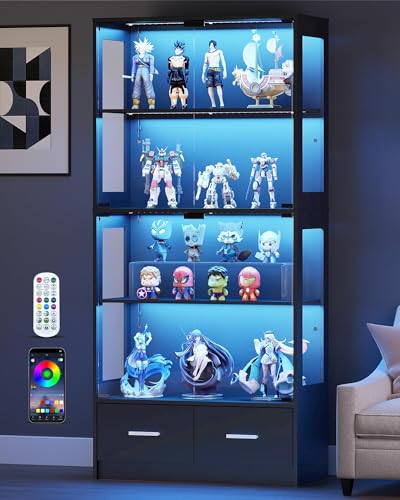
【Colorful RGB Lights】- The Lamtor glass display cabinet features adjustable lights with no primary color design that can be switched at will. You can easily change to the desired color by simply adjusting it with your phone or remote control. Whether you place it in your den or playroom, it will add a splash of color to your room.
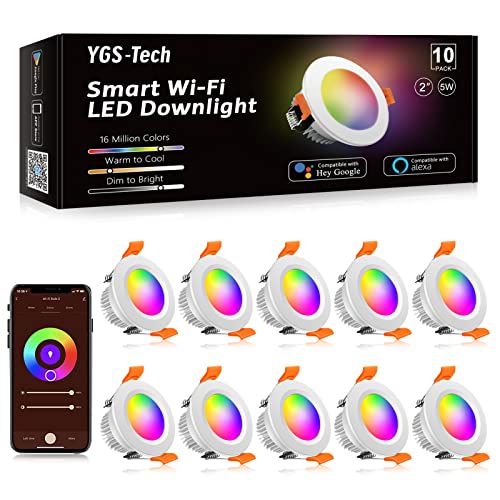
WiFi CONTROLLED - RGB & CCT 2700-6500K Color Changing Smart Recessed Light, compatible with Alexa and Google Home. Download the smart life app and connect to achieve wireless control for multiple people, voice control, add multiple device synchronization controls (Only 2.4 GHz Wi Fi is supported)
Achieving Soft Glow With Over-Cabinet and Toe Kick Lighting
To achieve a soft glow in kitchen design, integrating over-cabinet and toe kick lighting is essential for enhancing both functionality and aesthetic appeal. Over-cabinet lighting, typically featuring low-profile LED strips, creates a warm white indirect glow, elevating the perception of ceiling height while minimizing shadows. A color temperature around 3000K enhances kitchen ambiance, promoting an inviting atmosphere. Meanwhile, toe kick lighting installed under cabinets provides subtle illumination, giving the illusion of floating cabinetry. Together, these lighting solutions create visual layers and depth, ensuring balanced illumination throughout the space. Aim for a combination that fosters ambient lighting during everyday use and entertaining, thereby enriching the overall kitchen experience. Implement this design strategy to transform kitchen spaces effectively. Modern LED solutions offering CRI ratings above 90 ensure colors appear vibrant and true-to-life, making them ideal for both ambient and task lighting applications.
Incorporating Motion Sensors for Convenience
How can motion sensors transform kitchen spaces into more efficient and user-friendly environments? Incorporating motion sensor lights in cabinet lighting elevates convenience and enhances kitchen functionality. These lights automatically illuminate when doors or drawers open, allowing for hands-free operation during cooking. Energy consumption is drastically reduced, as lights turn off when not in use, extending bulb lifespan. Installation of these sensors in high-traffic areas improves accessibility, enabling easy item retrieval. Many motion sensor lights feature adjustable sensitivity, so users can customize activation proximity. This integration fosters a modern, tech-savvy kitchen aesthetic that prioritizes visual balance and practicality. Homeowners seeking efficiency should consider implementing motion sensors for a well-lit, functional kitchen environment that simplifies daily tasks. Most units offer fade-in fade-out technology for smooth, non-intrusive transitions between lighting states.
Recommended Products

Slant Vent Series – Our FOTILE range hood uses a 90° automatic open baffle plate that helps reduce the spread of cooking fumes or odors and quickly exhaust up to 6 sq. ft. of space for improved airflow.

Powerful and Quiet - Listed 400 in maximum static pressure and as low as 38 dB in noise level with our signature WhisPower aerodynamic technologies which can boost the suction power up to 850 CFMs with less energy consumed, covering 7.2 square feet or a 4-6 burner cooktop with ease.

UNIFIED STYLE - This modern white entertainment center cabinets set is ideal for completing your living room space. The series, featuring cabinets in a consistent design style, includes a TV stand, glass display case, and chest of drawers. All cabinets share the same white finish and drawer height, maintaining a unified look and style. Its minimalist, modern appearance complements most living room furniture styles.
Trends in Kitchen Cabinet Lighting Design
What recent developments are revolutionizing kitchen cabinet lighting design? Integrated linear LED lighting is at the forefront, offering a minimalist aesthetic while enhancing functionality. Under-cabinet lighting remains essential, leveraging advanced LED technology that improves task visibility and energy efficiency. Motion sensor features are gaining traction, promoting hands-free operation and reducing energy use. Additionally, puck lights are increasingly favored as accent lights, strategically emphasizing cabinetry and decorative elements for a personalized display. It’s vital to layer lighting sources—combining ambient lighting, task lighting, and accent lights—creating a dynamic lighting layout. This technique enriches visual appeal, ensuring kitchens are both functional and inviting. Prioritize these trends to elevate your kitchen cabinet lighting design effectively. Modern LED strip solutions offer impressive lifespans exceeding 100,000 hours while consuming minimal power for sustainable illumination.
Frequently Asked Questions
How Do You Layout Under Cabinet Lights?
To layout under cabinet lights, prioritize fixture placement for task and accent lighting, ensuring energy efficiency. Use dimmer switches to enhance aesthetic appeal while maximizing overall functionality with strategic light placement across key work zones.
What Type of Lighting Should Complement and Add Visual Interest to the Interior as Well as Contribute to the Overall Lighting Plan?
Soft pools of ambient lighting dance through the space, while accent colors highlight features. Layering techniques with dimmable options and varied fixture styles, like energy-efficient LEDs, enhance functionality and design coherence, creating an inviting atmosphere.
How to Balance Light in a Room?
Balancing light in a room involves ambient lighting tips, layering light sources, maximizing natural light, and choosing warm tones. Achieving symmetry, accentuating architectural features, and experimenting with shadows enhance room dimensions while selecting fixture styles creates cozy spaces.
What Is Everyone Using for Under Cabinet Lighting?
Many homeowners prefer LED options for under cabinet lighting, including strip lights and puck lights, due to their energy efficiency, remote control features, and dimmable settings. Smart lighting enhances usability, while adjustable color temperature adds ambiance.