As an Amazon Associate, we earn from qualifying purchases. Some links on this site are affiliate links at no extra cost to you. Our recommendations are based on thorough research and editorial judgment.

How to Use LED Strips for Architectural Emphasis

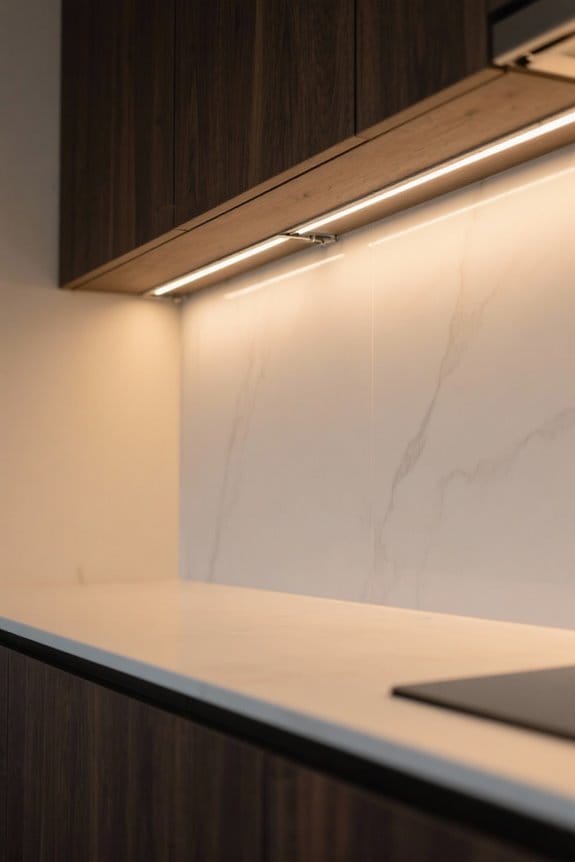
To use LED strips for architectural emphasis, strategically place them around columns and archways to highlight key features. Opt for 12- to 24-inch strips for roofs and eaves to create defined outlines. Employ warm-toned LEDs for inviting entryways, ensuring at least 300 lumens for visibility. Layer illumination with ambient, task, and accent lighting to enhance depth. Maintain a spacing of two to four feet for pathway lights, creating safe, appealing walkways. Discover more techniques to elevate your space.
Key Takeaways
- Strategically place LED strips around columns, archways, and entryways to accentuate architectural features and create a welcoming ambiance.
- Utilize indirect lighting techniques to enhance textured walls, casting shadows that add depth and visual interest to the space.
- Install LED strips along decorative trim and molding to elevate their significance and draw attention to intricate designs.
- Combine robust lighting layers, including ambient and accent lighting, to create a multidimensional effect that highlights essential areas.
- Opt for adjustable LED strips to customize brightness and color temperatures, enhancing the architectural details according to different needs and occasions.
Focus on Architectural Features
You may be interested
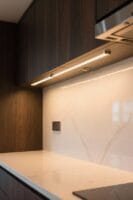


To effectively highlight architectural features, one must strategically place LED strips around distinct elements like columns and archways. This approach enhances architectural details with precise LED strip lighting, creating alluring visual appeal. By employing indirect lighting, designers can cast dramatic shadows on textured walls, enriching the exterior ambiance of a home. High-quality products, such as the Classic Angled Gooseneck LED Wall/Sign Light, maximize brightness while ensuring energy efficiency. When installed along decorative trim and molding, LED strips elevate their significance, adding sophistication to interiors. Additionally, adjustable LED strips provide flexible illumination, adapting to varying architectural elements across different spaces. Consider integrating these lighting solutions to enhance both aesthetic and functional qualities in any environment. Modern color changing LED strips offer 16 million colors and various modes to transform architectural spaces with customizable lighting effects.
Use Layered Lighting for Depth
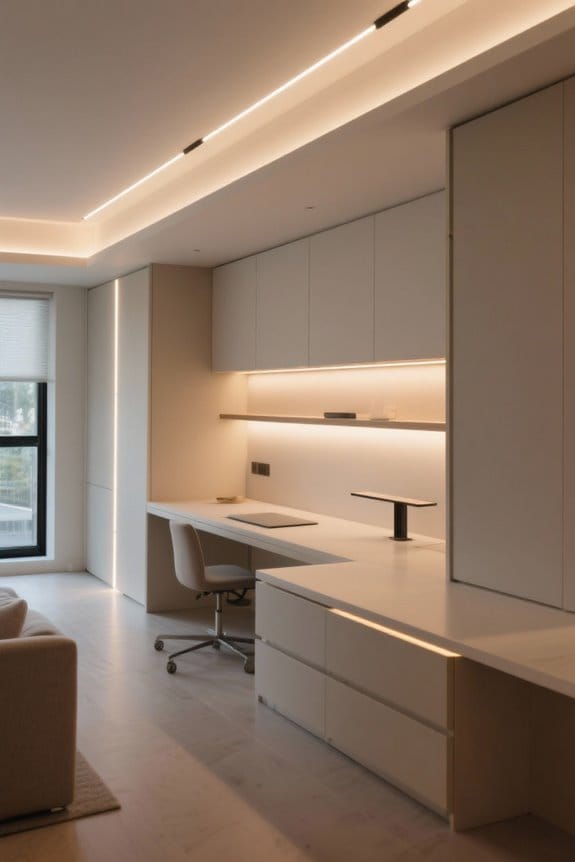
Layered lighting plays a pivotal role in enhancing the visual dynamics of architectural spaces. By utilizing a combination of LED strips, floodlights, pathway lights, and accent lighting, one can achieve a well-lit and inviting environment. Employ wall-washing techniques to distribute light evenly, emphasizing textures and architectural elements, adding depth and interest. Consider dimmable LEDs, which allow adjustments to brightness, catering to varying activities and enhancing mood. Strategically place layered lighting to highlight significant architectural features, thereby enhancing character in both interior and exterior spaces. This approach not only improves functionality but also promotes energy efficiency. Aim for at least three layers of light, integrating ambient, task, and accent lighting, to create a visually appealing, multidimensional experience in any space. Modern RGB LED strips offer up to 16 million colors and music synchronization capabilities, enabling dynamic architectural lighting that responds to sound and movement.
Recommended Products

Flexible silicone cased tape light for enhanced Damp location listing. Peel and stick3 construction adhesive on back

𝗗𝗶𝗺𝗺𝗮𝗯𝗹𝗲 𝗥𝗚𝗕 𝗕𝗮𝗰𝗸𝗹𝗶𝘁+𝗙𝗿𝗼𝗻𝘁 𝗟𝗶𝗴𝗵𝘁𝗲𝗱 - ACEMIRO lighted medicine cabinet integrates fashion and fantasy with 3000k-6000k 3-color temperature adjustment + Colorful RGB backlight modes(11 multi-color selections). The backlight and front light could be stepless dimmable and adjusted from 10% to 100% brightness to match your preferences while provide sufficient light source. Give an artistic touch of luxury to your home décor.

InvisiLED PRO 1ft 40 Pack Tape Light in 2700K Warm White. Integrating high performance and innovative technology in a professional grade low profile lighting solution, InvisiLED Pro offers dimmable, energy efficient LED tape that installs easily to illuminate fine wood cabinets
Highlight Entryways and Windows
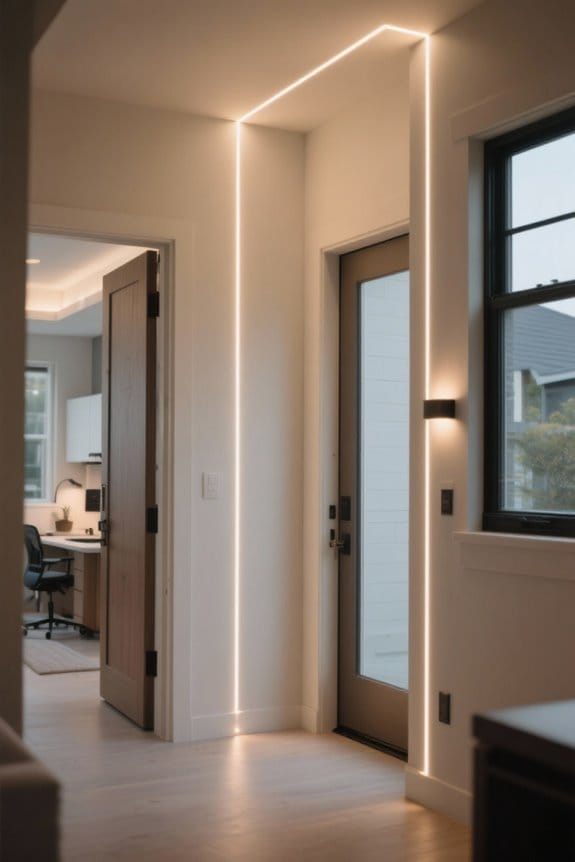
When enhancing entryways and windows, strategic illumination is essential for both aesthetics and safety. Utilize LED strips to highlight architectural features of these areas. Install the strips at the tops of entryways or around window frames to create a fascinating halo effect. Consider using warm-toned LEDs, which foster a cozy ambiance and enhance the overall beauty of the facade. Proper placement greatly improves safety, illuminating walkways and ensuring easy navigation. Landscape lighting can also accentuate the unique shapes of windows, further drawing attention to these focal points. Aim for at least 300 lumens for adequate visibility. With thoughtful design, LED strips can transform entryways and windows into prominent features that blend function with beauty. The motion detection capability of certain LED strip models can provide additional security while conserving energy when illuminating entryways.
Recommended Products

Natural Spanish marble chandelier: This alabaster chandelier is made of authentic Spanish alabaster, with natural stone texture and warm and soft light effect. It is hand-polished after cutting to retain the original texture of the stone. Each piece is unique. The marble chandelier adds a warm, luxurious and elegant atmosphere and artistic atmosphere to the entire space.

【Unique Artwork】Alabaster chandelier is made of authentic natural Spanish alabaster, which is formed by volcanic lava after tens of millions of years. Each stone has a unique texture and is finely polished by hand, presenting the natural and pure artistic beauty.

[Mirror Embedded Display Design]: This design allows you to do hair / makeup while watching tutorials, or watch the news while brushing your teeth, just turn off the switch and it is a 32"*24" high-definition full-length mirror, allowing you to have both The dual function of mirror and display is a great value.
Enhance Rooflines and Eaves
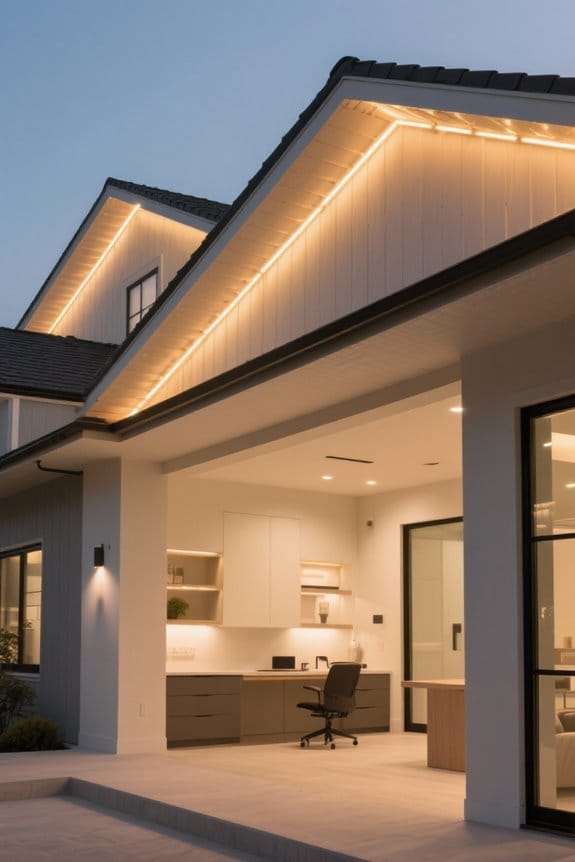
A well-illuminated roofline dramatically enhances a home’s architectural profile, making it stand out in the night landscape. Using LED strips, homeowners can define rooflines and eaves effectively. For gabled or tiered roofs, consider installing 12- to 24-inch LED strips for ideal impact. Select adjustable brightness and color temperatures to match architectural features, ensuring energy-efficient illumination. To achieve an elegant look, conceal LED strips to cast a soft, indirect glow, emphasizing the roofline without visible light sources. This method not only boosts curb appeal but also increases nighttime visibility, enhancing safety around the property. Strategically positioned LED strips accentuate unique architectural details, creating a polished high-end appearance that impresses onlookers. Modern LED strip lighting can reduce energy consumption by up to 90% compared to traditional lighting while providing over 25,000 hours of illumination.
Recommended Products

[ Seamless COB LED Strip ]: Emits a smooth, even and beautiful continuous lighting effect, you are almost unable to see the dark dots like SMD, and its beam angle is 180 degrees, which makes the illumination area wider
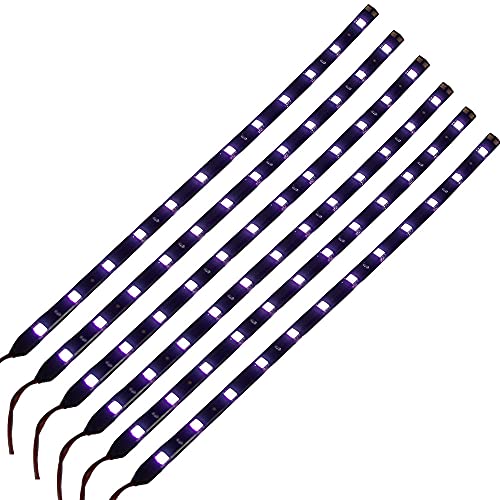
Self adhesive back led strip ,easy to install
Create a Statement With Pathway and Driveway Lighting
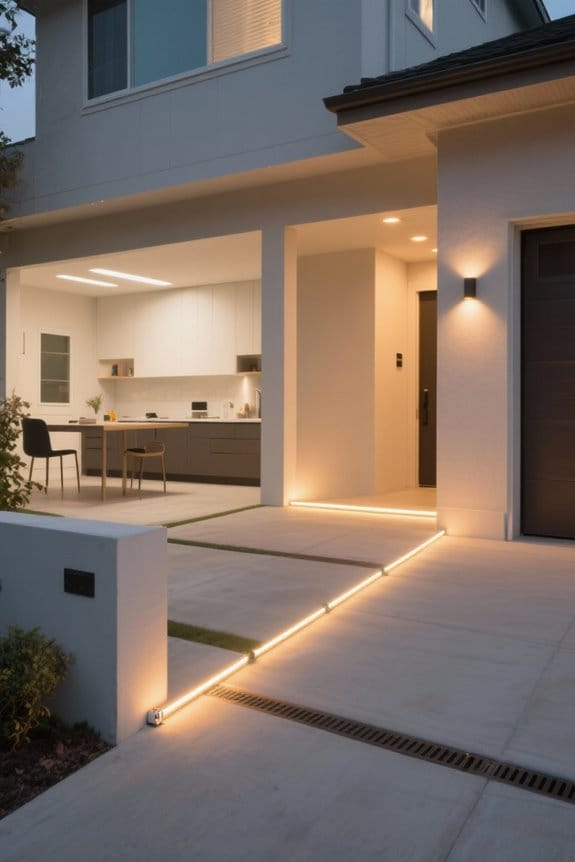
How can one transform a pathway or driveway into a stunning visual element while ensuring safety and accessibility? Utilizing LED strips for pathway lighting creates an inviting ambiance and emphasizes architectural features. Place LED strip lights along edges, ensuring they are visible yet unobtrusive. When selecting lights, choose solar-powered options for energy efficiency, reducing electricity costs. Adjustable brightness and customizable color temperatures enhance the visual impact, allowing homeowners to set the perfect mood. With proper spacing of approximately two to four feet between lights, one can effectively illuminate the path without overwhelming the landscape. This strategic lighting not only guides visitors safely but also adds to the home’s aesthetic appeal, creating a striking nighttime presence and enhancing overall architectural emphasis. Keeping cables tidy with adhesive cable clips helps maintain a clean, professional appearance while preventing potential tripping hazards along illuminated pathways.
Recommended Products
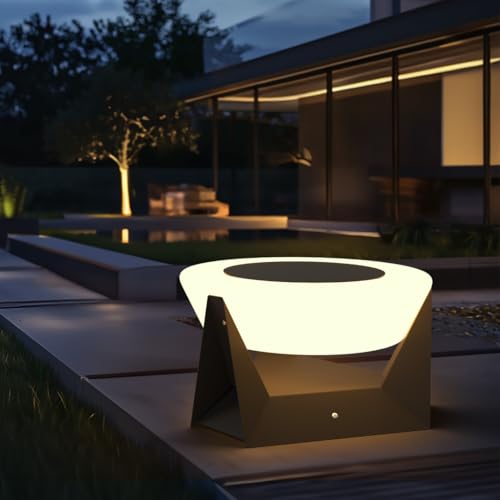
𝗜𝗱𝗲𝗮𝗹 𝗳𝗼𝗿 𝗔𝗻𝘆 𝗦𝗽𝗮𝗰𝗲: Our Skye patio floor lights are solar-powered and made with weather-resistant materials ensuring reliable performance outdoors. Perfect for any area like Patio, Deck, Porch, Garden, Pathway or Pool area adding both style and functionality to your space.

Specification: 1000-Feet 16AWG*2C, Strand copper, Black, Maximum working voltage: 300V, Great for uses with 30 volts or less

1200W Solar Street Lights; High Conversion 35W Mono Solar Panel – This 1200W solar street lights use a 35W mono-crystalline solar panel that captures sunlight efficiently and delivers sustainable lighting throughout the night. This high-efficiency panel is ideal for areas with the worst weather conditions as it provides photovoltaic technology thus also lowering energy costs and reducing environmental impact.
Use Smart LED Lighting for Versatility
Utilizing smart LED lighting systems not only enhances versatility in lighting design but also allows for precise control over brightness and color. Smart LED strips can be programmed via mobile apps or voice commands, offering customizable scenes that adapt based on time of day or activity. This feature is particularly advantageous for highlighting architectural features, creating tailored illumination that accentuates visual interest. Additionally, these systems support energy monitoring capabilities, meaning users can track and optimize energy usage effectively. The adaptability of smart LED strips guarantees seamless installation across various settings, from cozy residential spaces to dynamic commercial environments, establishing ambient atmospheres that enhance overall functionality and aesthetic appeal throughout each space. Modern Zigbee LED strips can produce up to 1400 lumens of brightness while maintaining remarkable energy efficiency.
Recommended Products
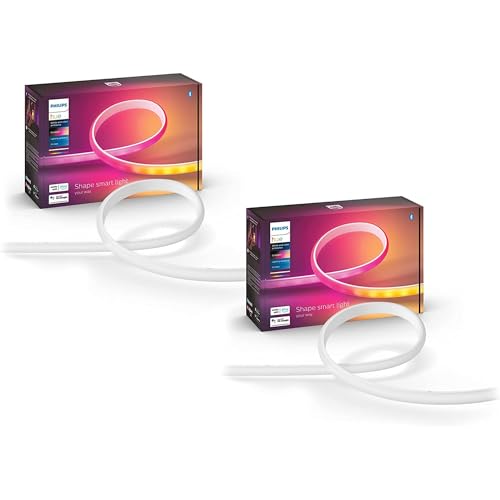
WHAT’S IN THE BOX - Includes two 6-foot, gradient ambiance multicolor light strip base kits with two plugs; Perfect for mood lighting anywhere in your home—from bedrooms to living rooms

💡𝗘𝗟𝗘𝗚𝗔𝗡𝗧 & 𝗘𝗙𝗙𝗜𝗖𝗜𝗘𝗡𝗧: Operates on just 3W to produce a beautiful accent glow, allowing you to run multiple lights per transformer without overloading your system.
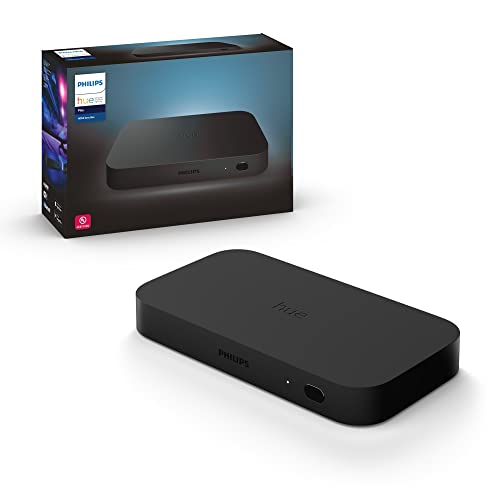
WHAT'S IN THE BOX - Includes one Hue Play HDMI Sync Box one power adapter, and one HDMI cable; Perfect for an immersive media experience
Frequently Asked Questions
What Not to Do With LED Strip Lights?
Avoiding installation mistakes like improper power supply and cutting issues is essential for LED strip safety. Additionally, inappropriate color choices and brightness levels, adhesive problems, and wiring challenges can compromise the lighting’s effectiveness and longevity.
Should LED Strips Go in Front or Back of Shelf?
In the domain of modern design aesthetics, LED strips should typically go behind the shelf. This backlighting benefits overall illumination, while front placement enhances items. Combining both creates stunning contrast effects, highlighting curated collections beautifully. Installation tips matter greatly.
How to Make LED Light Strips Look Good?
To make LED light strips look good, focus on strategic lighting placement, utilize appropriate color temperatures, explore dimming options, follow installation tips, employ layering techniques, and guarantee compatible power sources for ideal visual appeal.
What Are the Disadvantages of LED Strip Lights?
The disadvantages of LED strip lights include heat dissipation issues, color rendering concerns, durability factors, power consumption drawbacks, installation difficulties, and brightness limitations, which can hinder their effectiveness in various lighting applications and designs.