As an Amazon Associate, we earn from qualifying purchases. Some links on this site are affiliate links at no extra cost to you. Our recommendations are based on thorough research and editorial judgment.

How to Protect LED Systems From Water Damage

To protect LED systems from water damage, guarantee enclosures are rated at least IP67, which provides full dust protection and immersion resistance. Use UV-resistant cables and marine-grade heat shrink tubing for moisture protection. Implement routine inspections to check seals, connectors, and internal components for wear or corrosion. Regularly clean fixtures to prevent buildup and replace desiccant packets when necessary to control humidity. Proper maintenance is essential; learn the specifics of effective weatherproofing techniques to maximize LED longevity.
Key Takeaways
- Use LED systems with at least an IP67 rating for complete dust and water protection.
- Select durable polycarbonate enclosures to enhance UV resistance and weatherproofing.
- Ensure enclosures have continuous silicone gaskets to prevent moisture ingress.
- Regularly inspect and maintain seals, connectors, and cables to address wear and tear.
- Utilize UV-resistant cabling and marine-grade heat shrink tubing for added moisture resistance.
Importance of Weatherproofing LED Systems
You may be interested
Weatherproofing LED systems is vital, particularly when considering their exposure to unpredictable outdoor conditions. Outdoor LED lighting must combat moisture, rain, and dust to maintain longevity. Ingress protection ratings like IP67 or higher indicate strong resistance to water intrusion and dust, protecting LED components effectively. Selecting durable enclosures made from polycarbonate materials enhances overall UV resistance, essential in harsh environments. Routine maintenance is imperative; regularly inspect seals and connectors to address potential moisture ingress. This proactive approach is necessary to guarantee ideal function and prevent circuit malfunctions caused by humidity. By prioritizing weatherproofing strategies, one can appreciably extend the lifespan of outdoor LED systems, achieving performance beyond the expected 10+ years. The proper implementation of weather-resistant LED lights can provide illumination for up to 50,000 hours while maintaining durability in outdoor settings.
Recommended Products

Year-Round RGBIC Lighting: No more hassle of hanging every year, Govee Permanent Outdoor Lights 2 can be installed just once and used for year-round enjoyment. Perfect for roof, backyard and patio with 16 million colors and 100 scene modes

【High-power LED】:This solar lights outdoor features 144 ultra-bright 5054 high-power LED beads, equipped with convex lenses that focus the light for greater distance.Provide lighting up to 3800sq.ft. It delivers high brightness while consuming less power,making the solar street light more energy-efficient, longer-lasting, and safer to use

Precisely calculated enclosure specifically optimized for wake boat applications with sports style grilles add style to your boat, with enhanced aesthetics
Understanding IP and NEMA Ratings
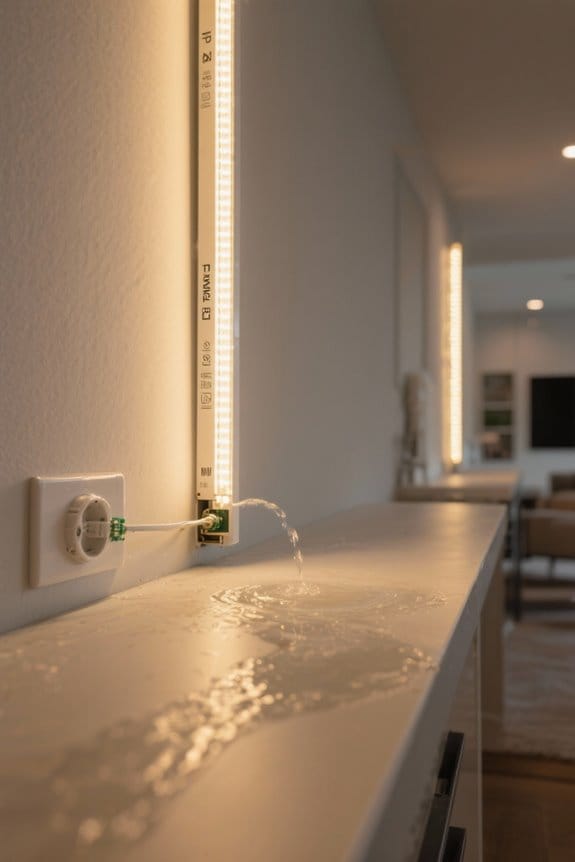
Understanding the Ingress Protection (IP) and NEMA (National Electrical Manufacturers Association) ratings is essential for anyone involved in outdoor LED installations, as these standards determine component resilience to environmental challenges. IP ratings, ranging from 0 to 68, denote dust resistance and moisture protection. For example, an IP67 rating signifies complete dust protection and immersion in water to a depth of 1 meter for 30 minutes. Conversely, NEMA ratings, ranging from 1 to 12, address broader environmental factors, including dust, moisture, and corrosion. A NEMA 4X rating, for instance, protects against splashing water and corrosive substances. Selecting appropriate weatherproof components guarantees long-term reliability of electronic components, safeguarding outdoor LED lights against moisture and dust degradation. Quality LED lighting systems with proper protection can achieve a 50,000 hour lifespan when installed with appropriate water-resistant safeguards.
Recommended Products
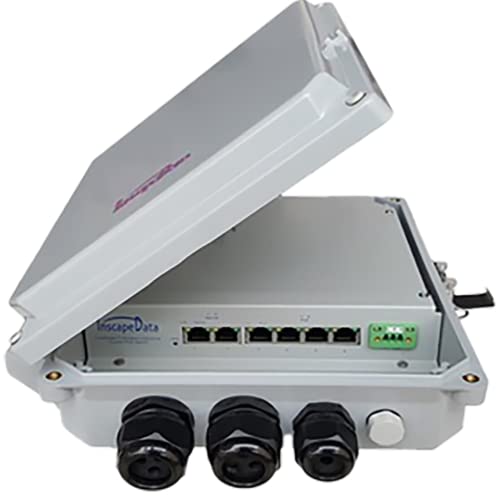
Outdoor PoE Switch:6-port Gigabit Ethernet switch designed for outdoor use, with 2 RJ45 Gigabit uplink ports.

MONITOR for high level alerts from anywhere your wireless septic and sewage alarm by Sump Alarm. Our flood sensor lets you know when water levels approach a dangerous stage. Made in USA
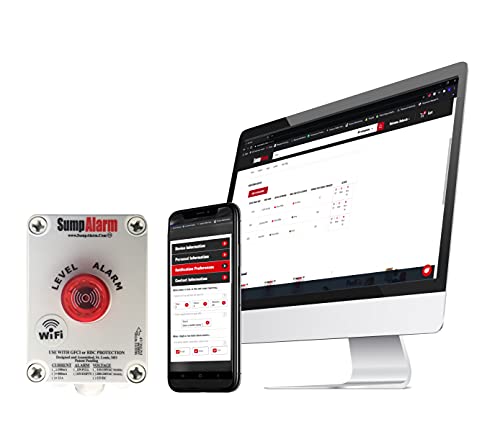
MONITOR FOR HIGH WATER LEVELS from anywhere with a wireless water detector and septic alarm by Sump Alarm. Our flood sensor lets you know when water levels approach a dangerous stage. Made in USA.
Selection of Appropriate Enclosures and Power Supplies
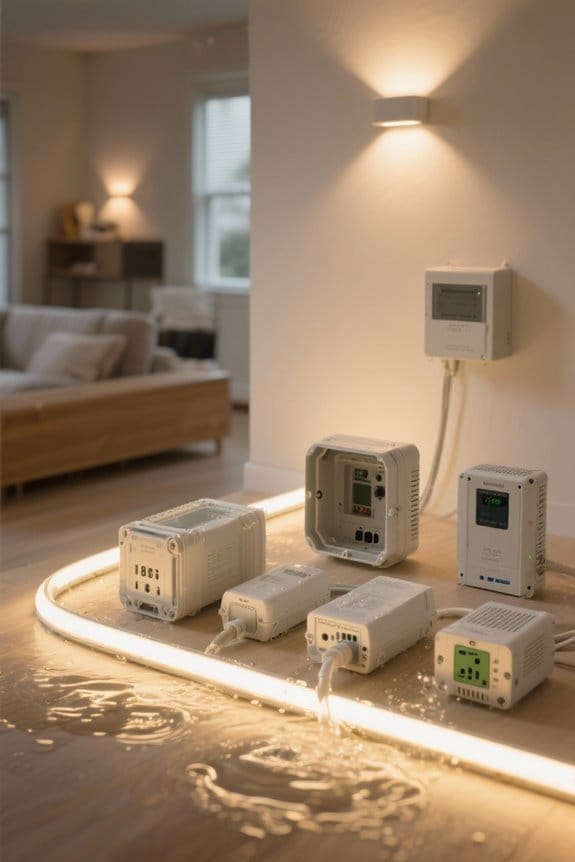
When selecting enclosures and power supplies for outdoor LED systems, it is essential to prioritize moisture and dust protection to guarantee long-term operational reliability. Opt for power supplies that meet a minimum IP67 rating, such as the Mean Well HLG, as they provide excellent ingress protection against water ingress and dust. Utilize high-quality weatherproof enclosures made from polycarbonate, known for their UV resistance and impact strength. Verify these enclosures feature continuous silicone gaskets and durable stainless steel screws for maximal sealing. Furthermore, prioritize designs that allow for proper ventilation to prevent overheating while safeguarding against water ingress. Finally, consulting NEMA ratings can further assist in identifying the best options for harsh outdoor use conditions. The EMITEVER power supply offers ETL certification standards for enhanced safety in both indoor and outdoor LED installations.
Recommended Products

➤【High-Strength Design】: Made of 10mm tempered glass and Durable ABS material, with a load-bearing capacity of 600kg/㎡, ensuring safety for multiple dancers.Indoor IP65 waterproof and non-slip design prevents slipping during use. LED lights last up to 50,000 hours, eliminating the risk of sudden power outages during use. The signal and power supply are stable, ensuring safe operation.
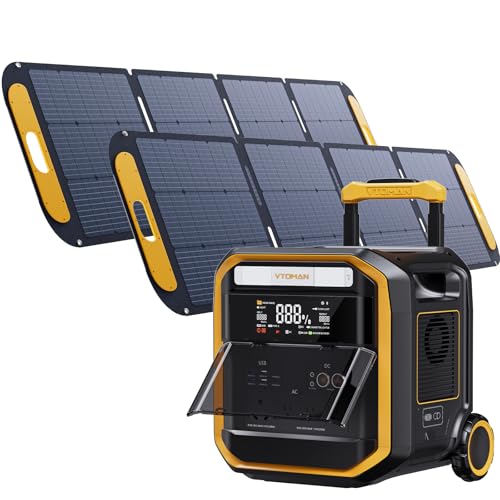
【2‑Hour Ultra‑Fast AC & Solar Charging with CHARGECORE】VTOMAN’s CHARGECORE energy management system delivers faster, more efficient power tailored for real‑world use, from off‑grid camping to home backup. Recharge 0‑100% via wall outlet in just 2 hours, and accept up to 800W solar input – perfect for RV trips and emergency readiness.

Effective Cabling and Connector Strategies
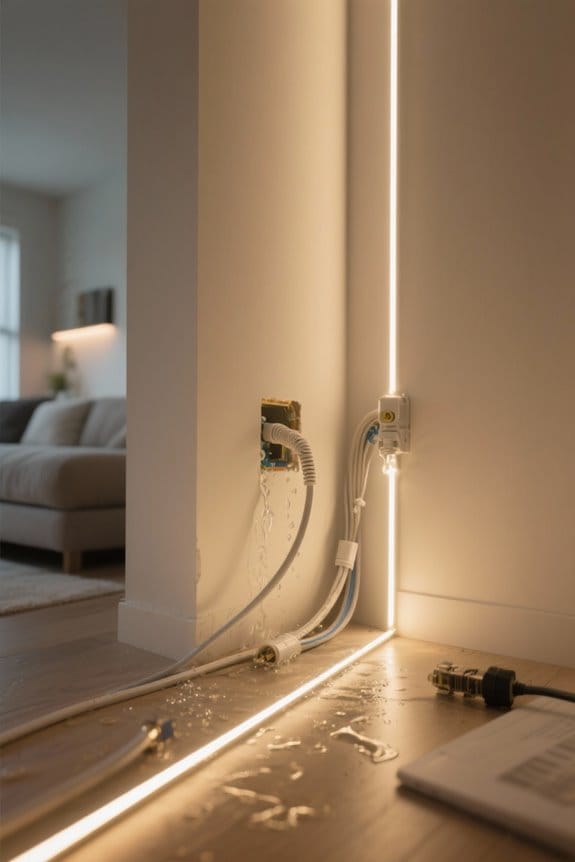
Effective cabling and connector strategies are vital for safeguarding outdoor LED systems from water damage. Utilize UV-resistant cabling to prevent aging, while marine-grade heat shrink tubing enhances water resistance and guards against moisture damage. Choose removable connectors rated for outdoor use for easy maintenance and prolonged reliability. Direct soldering long cables to LED strips minimizes connection failures, and wire ferrules improve crimped connection reliability. Opt for weatherproof connectors that guarantee a secure fit, thereby reducing moisture ingress and maintaining consistent electrical performance. Regular maintenance checks on cables and connectors are important; inspect for wear or signs of moisture damage to confirm the system’s longevity. These strategies collectively enhance the protection of outdoor LED systems against water-related issues. Installing IP67 rated strips provides maximum protection against dust and water exposure in challenging outdoor environments.
Recommended Products

【Energy Saving】- ENERGY SAVING – With a staggering 120lm/W output, the LED vapor proof light produces 6000lm at 5000K daylight white light at an energy saving cost, perfect replacement for 80-120watts metal halide or fluorescent fixture, reducing re-lamp frequency with a lifetime of 50,000+ rated hours.

Specification: 500-Feet 14AWG*2C, Black, Maximum working voltage: 150V, Great for uses with 30 volts or less, Flexible and easy to strip

Marine-Grade Tinned Copper Wire: NAOEVO 6 gauge marine wire features oxygen-free tinned copper for excellent conductivity and corrosion resistance—built to last longer than ordinary copper wire in harsh marine conditions.
Waterproofing Methods for LED Systems
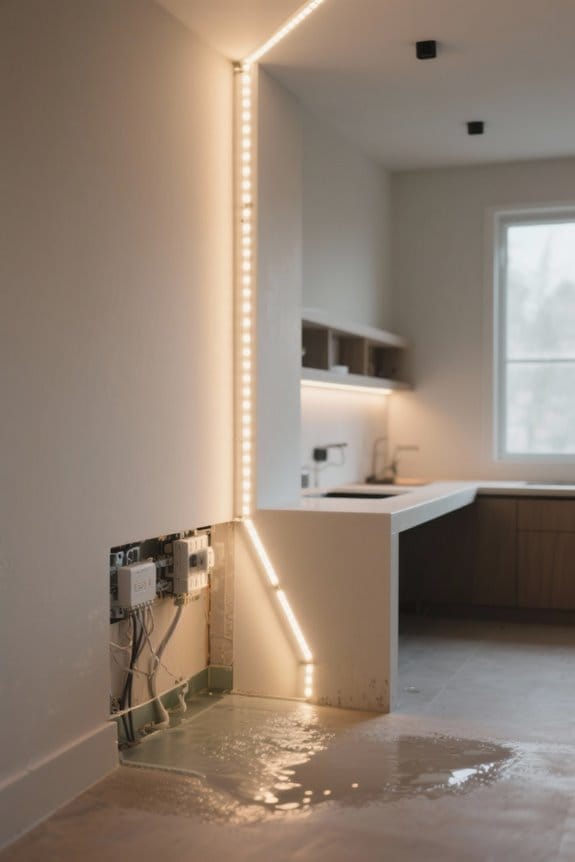
How can LED systems be effectively waterproofed to combat moisture exposure? Implementing robust waterproofing methods is essential for ensuring performance and lifespan. Start with LED strips rated at IP67 or higher for maximum moisture protection. Use epoxy encapsulation for complete sealing against moisture, greatly enhancing durability. Employ heat shrink tubing around wiring and connections, which provides an effective water barrier. Additionally, silicone sealants can be applied to joints and seams, allowing for thermal expansion while maintaining a waterproof seal. Consider installing waterproof LED channels, enhanced with diffusers, to protect against water damage and improve heat dissipation. By utilizing these methods, LED systems will achieve superior moisture protection, prolonging their life and operational efficiency. The best waterproof LED strips offer 65,000-hour lifespan under proper installation and maintenance conditions.
Regular Maintenance and Troubleshooting Techniques
Maintaining LED systems requires a structured approach to guarantee longevity and peak performance, especially after implementing robust waterproofing methods. Conduct regular maintenance checks to identify potential moisture ingress. Verify that seals and enclosures have a suitable ingress protection rating. Clean fixtures frequently with soft, dry cloths to prevent dust buildup, which can lead to corrosion. Routinely replace desiccant packets in enclosed areas to control humidity levels. Additionally, regularly check power connections and circuit boards for wear or damage. This proactive strategy will prevent failures and enhance energy efficiency. Activate displays periodically to dry any internal moisture, ensuring prompt action to address any issues that arise and extend the lifespan of your LED systems.
Additional Tips for Maximizing Durability
To enhance the durability of LED systems, implementing various protective measures is vital. Utilize waterproof LED channels and select LED strips rated IP65 or higher to guarantee effective moisture resistance. Incorporate silicone sleeves around the strips to guard against water damage while enhancing aesthetic appeal. Maintaining ideal moisture levels is essential; replace desiccant packets regularly to prevent condensation around internal components. Choose high-quality outdoor adhesives to secure installations, preventing detachment during temperature fluctuations. Conduct routine maintenance checks to inspect seals, clean fixtures, and guarantee proper airflow for heat dissipation. These practices create reliable lighting solutions that not only resist water but also extend the operational lifespan of LED systems. Invest in durable components for improved resilience and longevity. For optimal protection, select systems with 2580 lumens output like the Armacost Lighting kit, which provides sufficient brightness while maintaining efficient power consumption.
Frequently Asked Questions
How to Make LED Lights Waterproof?
To make LED lights waterproof, utilize waterproof materials, implement sealing methods, and consider environmental factors. Employ appropriate installation tips, select suitable products, and uphold maintenance practices to guarantee durability in outdoor applications while managing heat resistance effectively.
What Happens if Water Gets on Your LED Lights?
Imagine a ship slowly sinking; water on LED lights leads to failure, corrosion risk, and short circuiting. Moisture intrusion compromises optical quality, heat dissipation, and creates connection issues, ultimately decreasing lifespan and damaging fixtures.
How to Protect LED Lights From Rain?
To protect LED lights from rain, utilizing weatherproofing techniques, proper sealing methods, and moisture barriers is crucial. Implementing outdoor lighting solutions like waterproof connectors and drainage solutions guarantees longevity and resilience against moisture exposure.
Can You Put Silicone Over LED Lights?
Yes, using silicone types that offer adhesive properties over LED lights can enhance waterproof coatings and circuit protection. Proper installation techniques guarantee heat management and light diffusion, ultimately supporting LED lifespan while following essential maintenance tips.