As an Amazon Associate, we earn from qualifying purchases. Some links on this site are affiliate links at no extra cost to you. Our recommendations are based on thorough research and editorial judgment.

Layering Light: Combining Ambient and Task Lighting

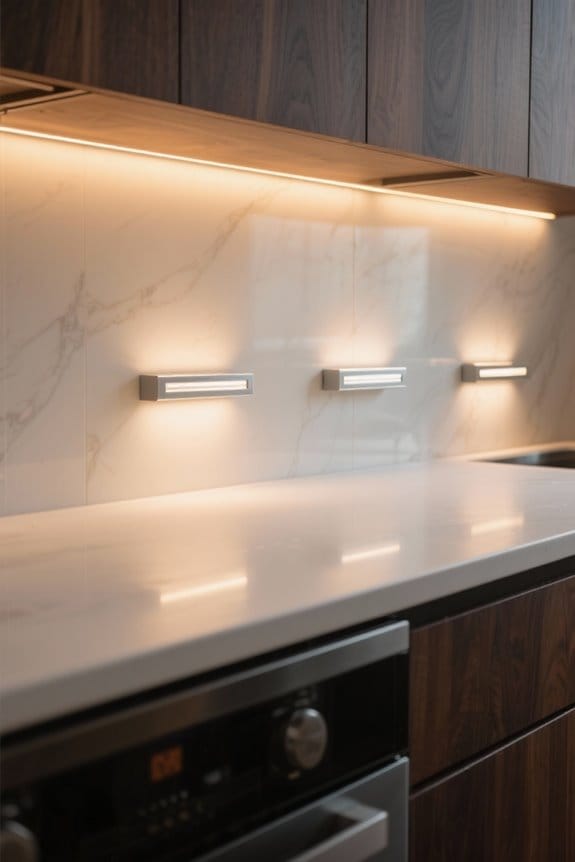
Layering light is essential for creating a well-functioning space by blending ambient and task lighting. Ambient lighting, typically at 2700K to 3000K, offers general illumination for safe navigation. In contrast, task lighting, three times stronger than ambient lighting, focuses on specific activities, like reading, ensuring ideal visibility. Position lights strategically to avoid shadows and complement their color temperatures. Use dimmable features to adjust brightness easily. Master these techniques to enhance your environment effectively, and discover more insights ahead.
Key Takeaways
- Layered lighting utilizes ambient, task, and accent lighting to enhance functionality and aesthetics in any room.
- Ambient lighting provides general illumination, while task lighting focuses on specific activities, ensuring proper brightness levels.
- Task lighting should be three times stronger than ambient lighting to effectively aid activities like reading or cooking.
- Use dimmable fixtures for both ambient and task lighting to customize brightness and create a comfortable atmosphere.
- Ensure task lighting complements the ambient light’s color temperature for a balanced and cohesive lighting scheme.
What Is Layered Lighting?
You may be interested
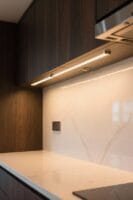


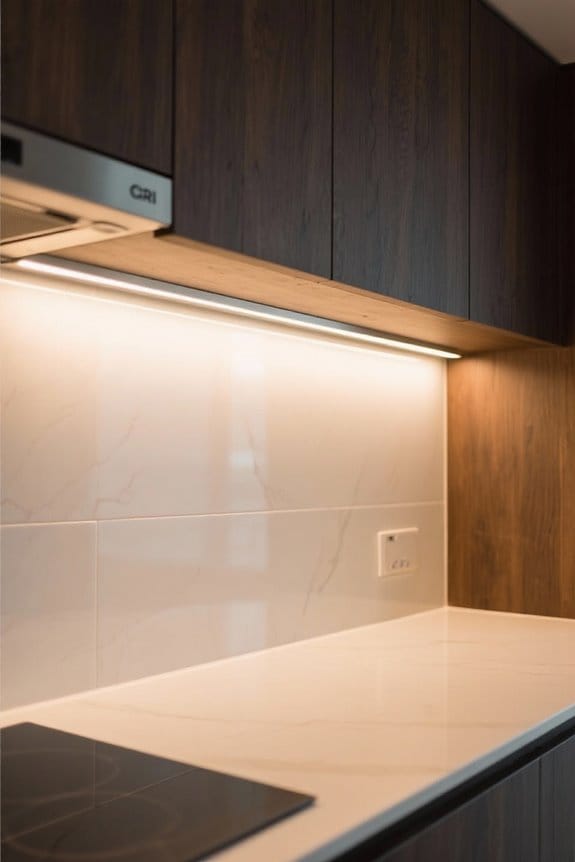
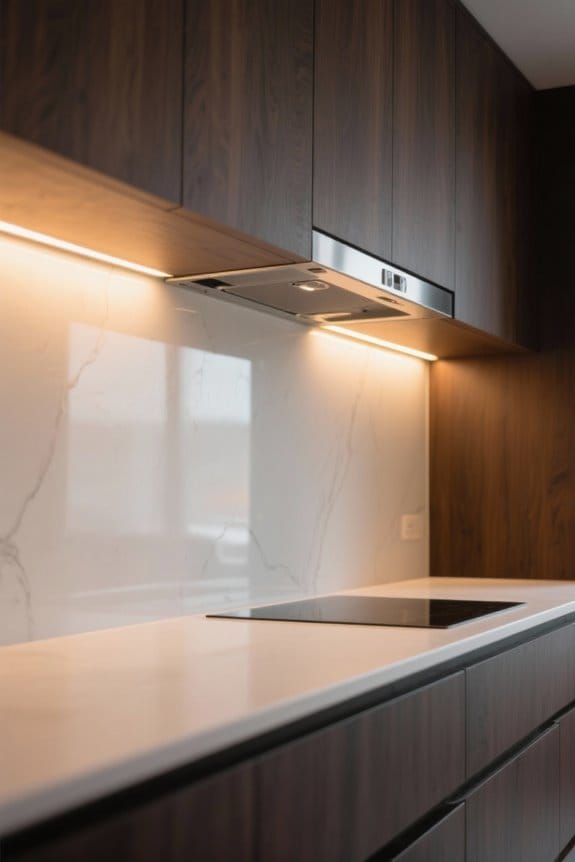
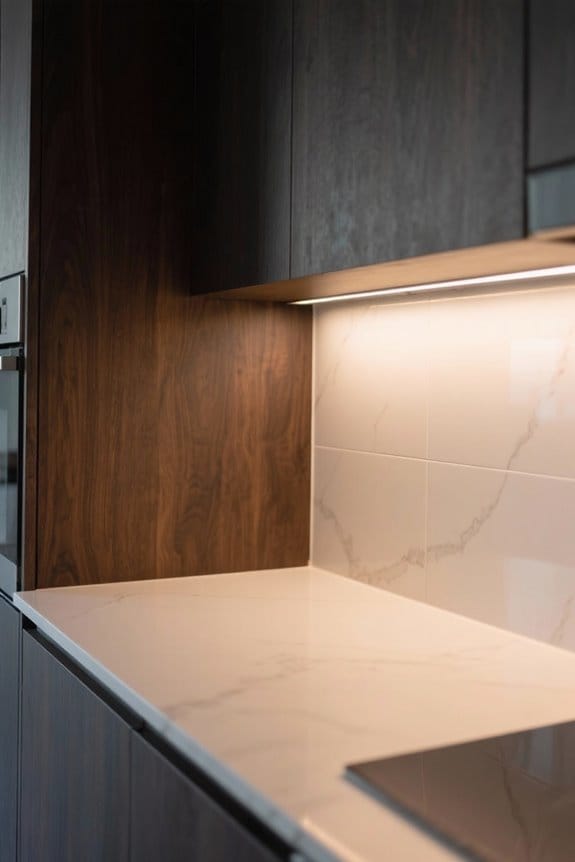
Layered lighting is essential for creating a balanced and functional space, as it combines three distinct types of lighting: ambient, task, and accent. Ambient lighting forms the foundation, providing general illumination necessary for safe navigation, utilizing fixtures like recessed lights, chandeliers, or wall-mounted options. Task lighting fixtures focus on specific activities, such as reading or cooking, with examples including desk lamps and under-cabinet lights that reduce eyestrain. Accent lighting elevates design features, employing different light sources, like track lighting or wall sconces, to add visual interest and dimension. Successful layered lighting design requires careful planning of these lighting layers to create an adaptable environment that meets the needs of various activities, enhancing both functionality and aesthetic appeal. For optimal task lighting in kitchens, experts recommend installing under-cabinet fixtures that produce 300-800 lumens per linear foot to ensure adequate illumination for food preparation and cooking activities.
Importance of Layering Light
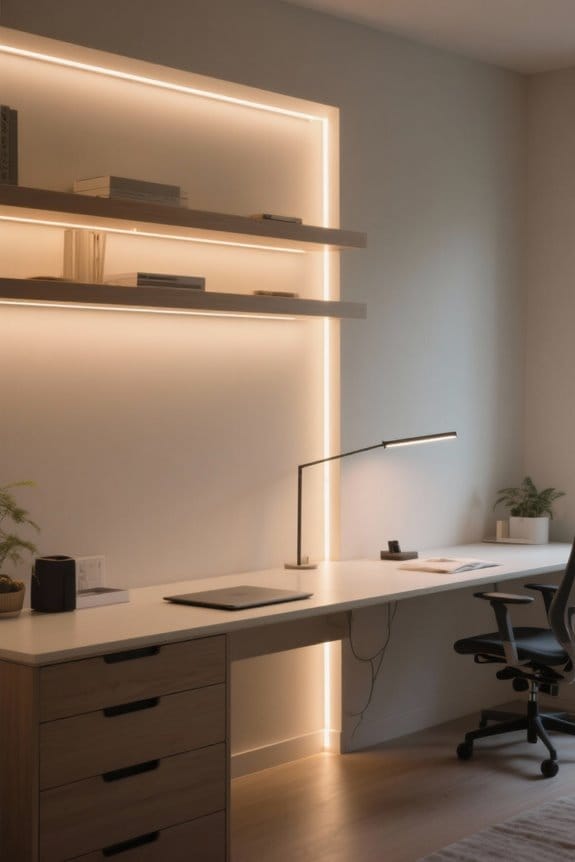
Effective lighting is essential for any room, as it directly influences functionality and mood. Layering light through the combination of ambient and task lighting considerably enhances overall functionality. Ambient lighting provides uniform illumination, facilitating safe navigation, while task lighting delivers concentrated brightness, ideal for activities like reading or cooking. For maximum performance, task lighting should be approximately three times stronger than ambient lighting. A well-executed layering scheme fosters a comfortable atmosphere and offers versatility, adapting to different times of day or personal preferences. Additionally, incorporating dimmers into the design allows customization of brightness levels, promoting energy efficiency. This approach not only maintains an inviting ambiance but also guarantees that every area serves its purpose effectively. Under-cabinet LED strips providing 300 lumens per foot offer optimal task lighting for kitchen workspaces.
Understanding Ambient Lighting
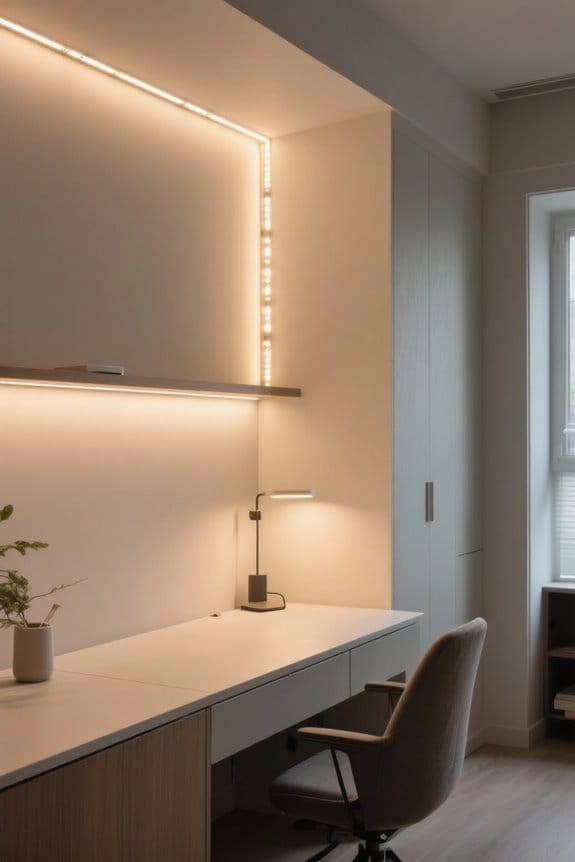
A well-designed lighting scheme begins with understanding ambient lighting, which lays the foundation for effective illumination in any space. Ambient lighting provides essential general illumination, guaranteeing safe navigation and orientation. Common sources include ceiling fixtures, wall-mounted lights, and floor lamps that promote uniform light levels throughout the room. This foundational layer is crucial for creating a cozy atmosphere and a comfortable environment. Adjustments in brightness can be made using smart controls or dimmers, enhancing the versatility of the space. Additionally, color temperature plays a significant role; warmer tones enhance coziness, while cooler tones foster alertness and focus. Implementing these principles guarantees harmonious layers of lighting that elevate the overall ambiance of any area. The availability of three color temperatures – warm (3000K), natural (4200K), and cool (5700K) – allows for precise control over the room’s atmosphere and functionality.
Recommended Products
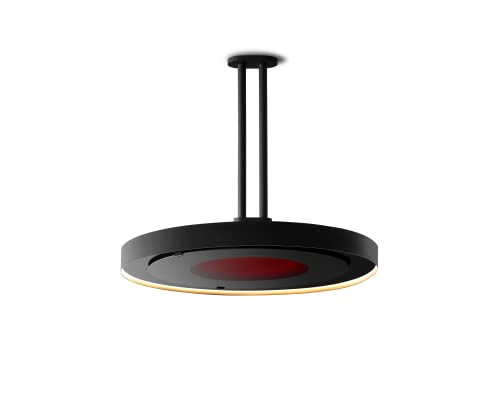
🔥High-Powered Heating: This 2900W electric infrared heater provides instant, even heat with sophisticated infrared technology that concentrates heat onto individuals and objects. It efficiently heats up to 121 Sq Ft of area, turning your outdoor living area into a luxurious warm retreat in no time.

【Modern Crystal Chandeliers size.】Ceiling panel diameter: Dia 28 inches; Maximum chandelier height: 177inches,weight: 58 pounds.

【Luxury Gold Chandeliers Size 】Ceiling plate size:Dia 12inch X H 2inch.4 ring size:Dia 16+24+32+40inch.Adjustable max height:118inch,Approximate weight:60 lb
Exploring Task Lighting
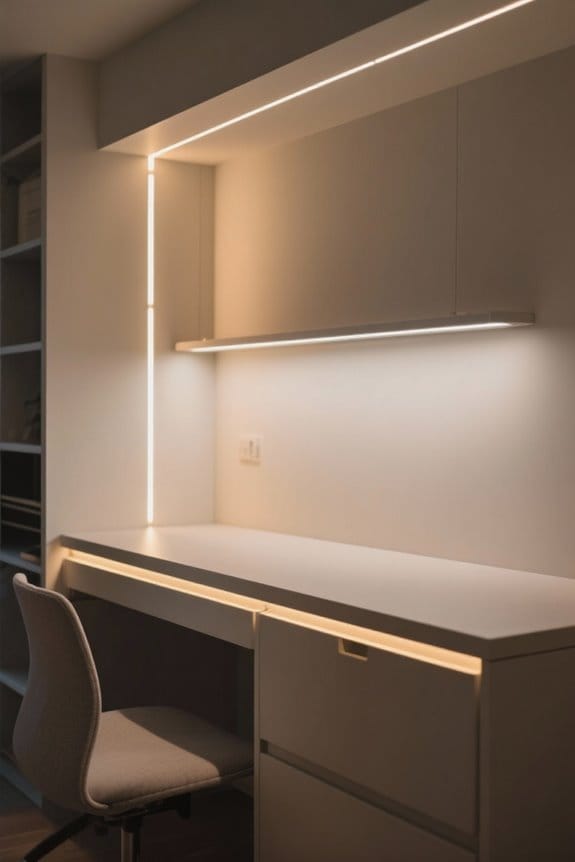
How can one achieve ideal focus and efficiency in workspaces? Task lighting is vital for providing focused light on specific areas, such as desks or reading nooks. It should be three times stronger than ambient lighting to guarantee adequate brightness for tasks. Choose fixtures like desk lamps or pendant lights, which can be integrated with ambient lighting for improved functionality. Position task lighting to avoid harsh shadows, guaranteeing optimal lighting for intended activities. Consider adjustable options, such as dimmable lamps, to tailor brightness levels throughout the day. This customization is fundamental for reducing eye strain and enhancing concentration during work periods. Proper task lighting transforms a workspace into an environment conducive to productivity and efficiency. Modern LED cabinet lights can achieve up to 70% energy savings while providing focused illumination for specific tasks.
Recommended Products

Design: Combines rustic Auburn Stained wood with distressed black metal accents and clear seeded glass, featuring premium finishes and authentic materials that create rich textures for transitional chandelier applications

Strong, Fast, Smart, Durable, & Safe: 355 lb lifting capacity; dual German-made motors; 3-stage legs (33% faster movement & 33% greater height range); advanced anti-collision system; included wire management tray keeps cords tidy

Bionic FlexFit Backrest: Precision-tailored support that adapts toyour spine for all-day ergonomic alignment.
Tips for Effectively Combining Ambient and Task Lighting
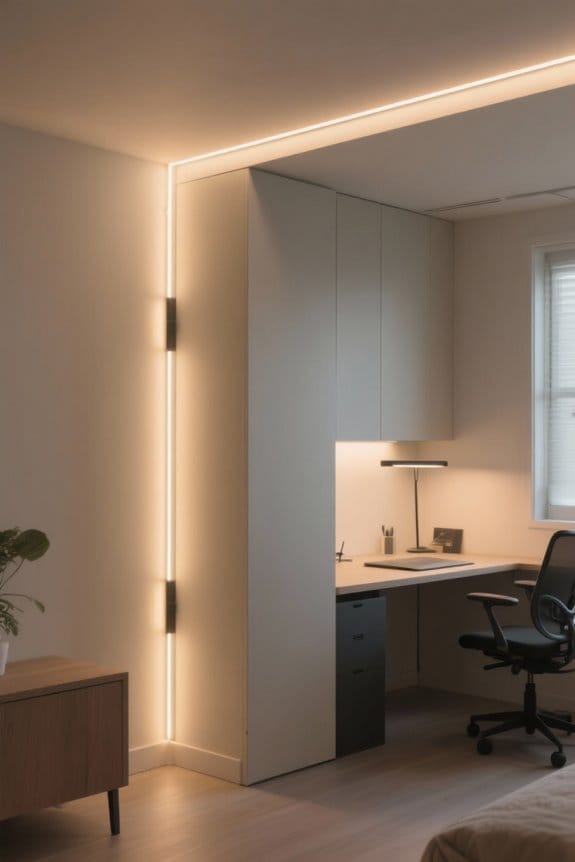
Achieving harmony between ambient and task lighting can greatly enhance the functionality and atmosphere of any space. Begin by selecting ambient lighting that provides a warm, inviting base, ideally around 2700K to 3000K. Layer in adjustable task lighting—like desk lamps or under-cabinet lights—positioned at a 30-degree angle to maximize visibility and minimize shadows. Ascertain that task lighting fixtures complement the color temperature of ambient lighting for a balanced look. Utilize dimmable fixtures for both ambient and task contexts to adjust illumination as needed. Avoid over-reliance on overhead lights; instead, incorporate decorative lighting like table lamps and wall sconces to enhance layers and meet diverse needs effectively. This versatile approach creates inviting and functional spaces. Modern edge-lit LED fixtures can provide up to 50,000 hours of consistent illumination while maintaining energy efficiency for task lighting applications.
Recommended Products

This stunning 47-inch chandelier showcases a layered silhouette with clear textured glass panels and a sleek gold finish, adding a luxurious Art Deco touch that elevates any dining room, living room, or entryway

Massive Airflow Output: Six 60” aluminum blades powered by a high-efficiency motor deliver 7,918 CFM—perfect for cooling patios, porches, and outdoor spaces in any season
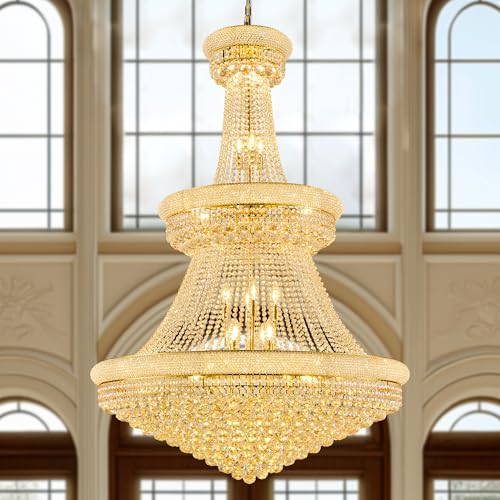
Exquisite 3-Tier Elegant Structure: This classic empire-style gold crystal chandelier comes in practical size, featuring stunning three-tier layered outlook. The flowing crystal layout makes it a perfect decorative centerpiece, ideal as a stylish chandelier for living room, high ceiling space, staircase and indoor leisure area, easily upgrade home elegant decor style.
Enhancing Your Home’s Atmosphere With Layered Lighting
Layered lighting is vital for crafting a welcoming and functional atmosphere in any home. By integrating ambient lighting with task lighting, one can create a versatile environment. Ambient lighting, such as overhead lights, provides vital overall brightness, forming the room’s foundation. Task lighting, like adjustable desk lamps or under-cabinet lights, brightens specific areas for practical activities, enhancing usability and comfort. This thoughtful layering adds depth and dimension, emphasizing textures and colors for an aesthetically pleasing design. Dimmers are important; they allow for customizable brightness, offering the flexibility to adapt to various tasks or moods. Consider switching between bright illumination for activities and softer light for relaxation to maximize a home’s potential while minimizing eyestrain. Modern under-cabinet lights featuring motion sensor technology can automatically illuminate spaces within 0.1 seconds of detecting movement, adding convenience and safety to your layered lighting setup.
Recommended Products

【Size Guide】: 48"W x 27"D x 42"H island mount. For better performance, island mount range hoods should be 3"- 6" wider than your cooktop. The height range between your cooktop and the copper hood should be 30" to 36" (33" is recommended). We can make any hood size you need, please contact our custom service via Amazon.com for a quote.

【Size Guide】: 48"W x 27"D x 24"H island mount, Antique Copper-Light Hammered. For better performance, island mount range hoods should be 3"- 6" wider than your cooktop. The height range between your cooktop and the copper hood should be 30" to 36" (33" is recommended). We can make any hood size you need, please contact our custom service via Amazon.com for a quote.

Set Includes: 3x Multi-Use Lockers, 4x Wall Cabinets, 1x Rolling Tool Drawer Cabinet, 2x Two-Door Base Cabinets, 2x 48" Stainless Steel Worktops, 2x 48" Backsplash Kits, 1x LED Light 2700K with power adapter (black), 3x LED Light 2700K with connector cable (black)
Frequently Asked Questions
What Is the 5 7 Lighting Rule?
Is excessive darkness lurking in the corners of environments? The 5-7 lighting rule dictates that task lighting should be five to seven times brighter than ambient brightness, optimizing task efficiency and ensuring visual comfort and effective lighting design.
What Are the 4 Layers of Lighting?
The four layers of lighting—ambient, task, accent, and decorative—enhance mood and perception, balance functionality and aesthetic appeal, and optimize space through effective fixture selection and color temperature, promoting task efficiency and energy savings.
What Is the Golden Rule of Lighting?
The Golden Rule of lighting advocates for lighting harmony by balancing brightness levels and color temperature. Effective light placement enhances room functionality, while varied fixture styles improve aesthetic appeal and energy efficiency, minimizing harsh shadow play.
What Are the Rules for Ambient Lighting?
Ambient lighting rules include choosing suitable ambient light colors, considering ceiling height, integrating natural light, using energy-efficient fixtures, avoiding harsh shadows, utilizing dimmers, incorporating decorative elements, and adapting to seasonal lighting changes for enhanced room brightness.