As an Amazon Associate, we earn from qualifying purchases. Some links on this site are affiliate links at no extra cost to you. Our recommendations are based on thorough research and editorial judgment.

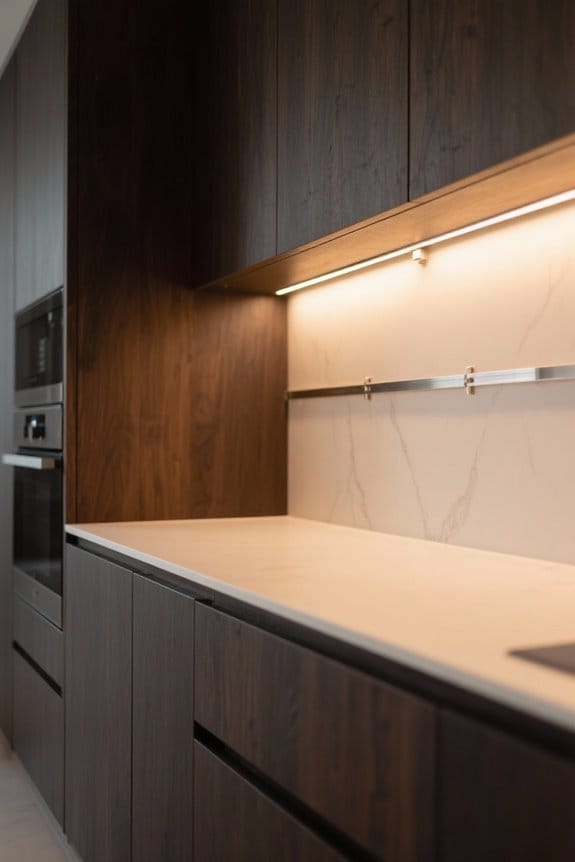
Safe Distances Between LEDs and Flammable Materials

Maintaining safe distances between LED fixtures and flammable materials is critical. A minimum clearance of 3 feet from combustibles, such as curtains and furniture, is strongly recommended. For recessed LEDs, ascertain at least 3 inches from insulation. Pendant fixtures should be positioned 12 inches away, while wall-mounted LEDs need 6 inches from adjacent walls. Regular inspections and adequate ventilation are essential. Confirming compliance with these guidelines enhances fire safety. Discover more about installation practices and monitoring strategies to optimize safety.
Key Takeaways
- Maintain a minimum clearance of 3 feet from LED fixtures to any flammable materials, including curtains and furniture.
- Recessed LED lights require at least a 3-inch clearance from insulation or combustible materials to ensure safety.
- Wall-mounted LED fixtures should have a clearance of at least 6 inches from adjacent walls to prevent fire hazards.
- Regular inspections and assessments are essential to ensure compliance with safe distance regulations and enhance fire safety.
- Utilize fire-resistant installation methods and avoid placing LED strips in proximity to flammable materials to mitigate fire risks.
Understanding the Importance of Safe Distances
You may be interested
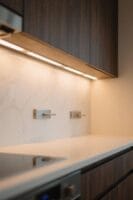

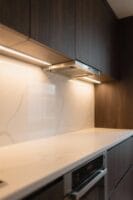
Understanding the importance of safe distances between LED fixtures and flammable materials is essential for guaranteeing fire safety in any environment. Maintaining a minimum safe distance of at least 3 feet (1 meter) between LEDs and flammable materials, such as curtains or furniture, considerably reduces fire hazards. Although LED fixtures operate at lower temperatures, typically between 35°C to 55°C, improper installation or inadequate ventilation can lead to excess heat dissipation. This emphasizes the need for lighting safety protocols. Regular assessments of installations guarantee adherence to safety distances and adaption to any changes in the surrounding area. Adhering to these guidelines not only enhances energy efficiency but also provides peace of mind regarding potential risks, creating a safer environment for all occupants. Modern LED fixtures like the DAKASON LED fixture offer advanced safety features with ETL listing certification, ensuring reliable operation while maintaining proper heat management.
Recommended Products

[Compatible with Toilet Cleaning Tablets]: The built-in compartment allows safe use of dissolvable cleaning tablets (blue tablets) that release with each flush, helping break down waste, deodorize, and keep your bowl sparkling clean without residue or clogging. Combined with Foam Shield, ZYC8A offers the ultimate clean for users who prioritize bathroom hygiene. Note: Cleaning tablets not included; recommend purchasing locally

STURDY OUTDOOR LANDSCAPE LIGHTS: The Low Voltage landscape Lights with a metal construction, black-grey finish coupled, durable. Better weatherproof performance, withstand different outdoor weather

Beautiful flameless candles are made from 100 percent real paraffin wax
Recommended Clearance Distances for LED Fixtures
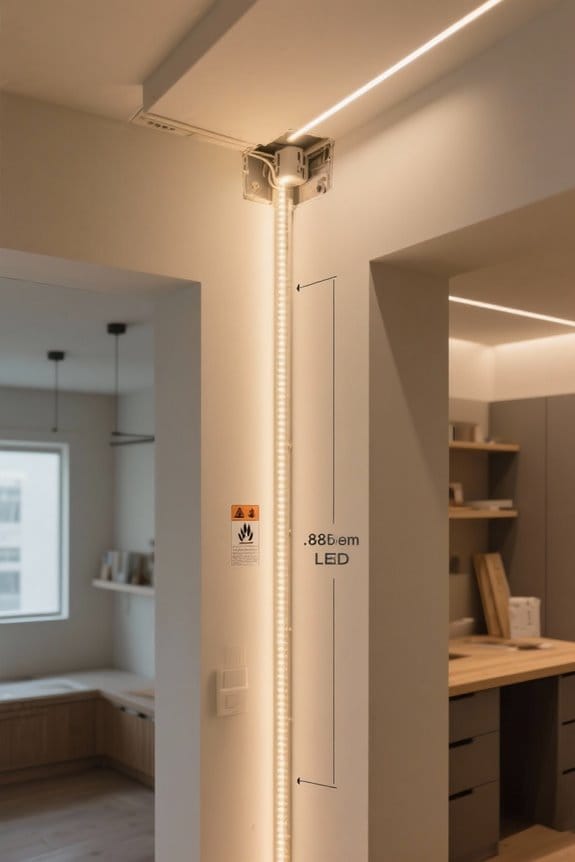
To guarantee ideal safety, maintaining proper clearance distances between LED fixtures and flammable materials is essential. LED lighting fixtures should observe a minimum clearance of 3 feet from items such as curtains and furniture to prevent overheating. Recessed LED lights must maintain at least 3 inches from insulation or combustibles, ensuring adequate ventilation and reducing heat buildup. For pendant lights, install them at least 12 inches away from flammable materials to diminish the risk of fire hazards. Wall-mounted LED fixtures require a clearance of 6 inches from adjacent walls to facilitate airflow. Regular assessments of installation distances are advisable, as variations in fixture type and material can necessitate adjustments to these recommended clearance standards. The LED heat output remains significantly lower than traditional lighting, contributing to enhanced product longevity and safer operation.
Risks of Inadequate Spacing From Flammable Materials
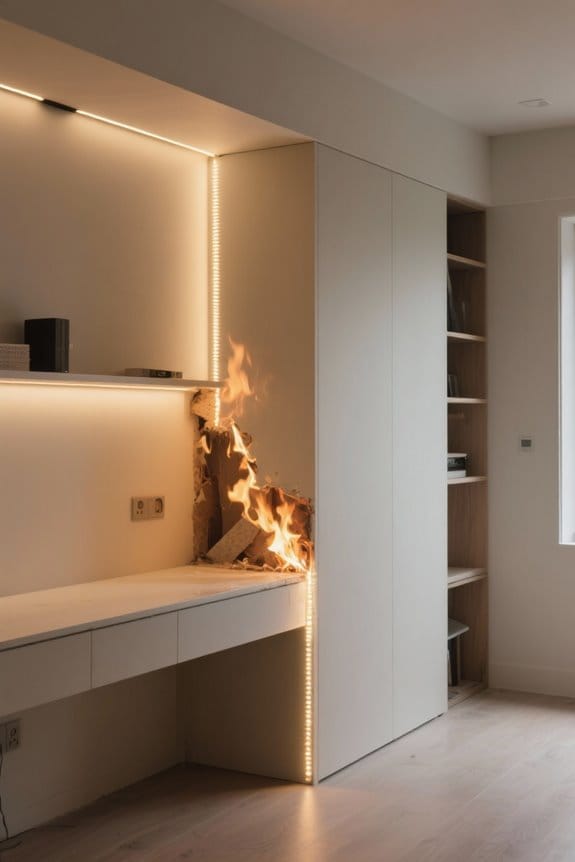
Inadequate spacing between LED fixtures and flammable materials can lead to significant fire hazards, especially if proper safety measures are overlooked. It is imperative to maintain a clearance of at least 3 feet from LED lights to prevent heat transfer, which can ignite combustibles such as curtains or furniture. Although LED lights operate at lower temperatures (35°C – 55°C), the risk remains when fixtures are too close to flammable materials. Enclosed fixtures can trap heat, amplifying fire risks without proper distance. The National Fire Protection Association emphasizes the necessity of these clearances. Regular assessments should be conducted to guarantee LED installations adhere to safety measures, particularly in high-traffic areas where the likelihood of hazards is increased. Modern edge-lit LED fixtures offer ultra-thin designs that help minimize heat buildup while maintaining impressive brightness levels up to 5000 lumens.
Recommended Products

✅ Top Rated 6 Inch New Construction Can Recessed Light Housing

US Standard: Meets or exceeds UL 924, Emergency Lighting and Power Equipment CSA C.22.2 No. 141-15. Injection-molded, flame-retardant and high impact thermoplastic ABS housing. 120V-277V AC universal voltage operation. This twin head exit sign combo light is great for placing on doorways, school, restaurant, office building and warehouses

Downlight / Night Light Options: This 8 inch led recessed light has night light mode, which emits 2000K amber light for very soft glare-free ambient illumination
Proper Installation Practices for LED Lights
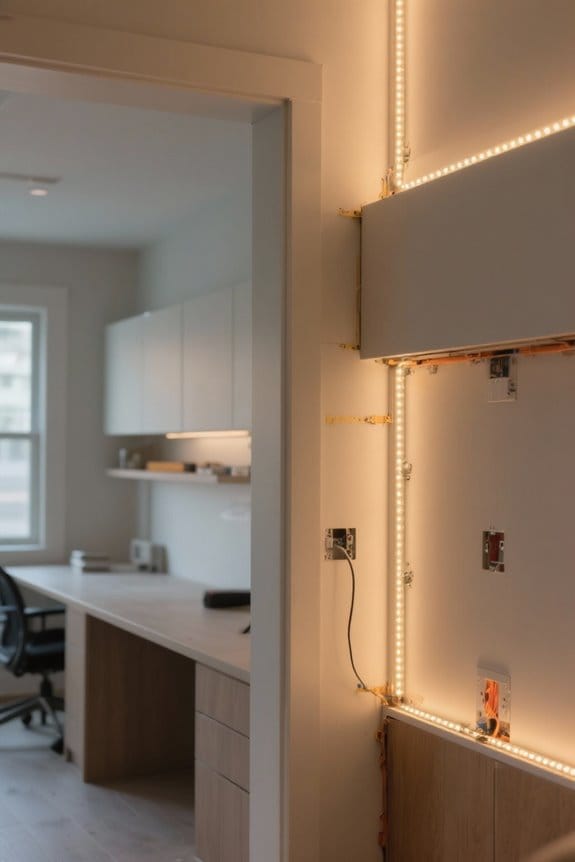
Proper installation practices for LED lights are essential in guaranteeing safety and efficiency within any space. To prevent fire hazards, maintain a safe distance of at least 3 feet from all flammable materials. For recessed LED fixtures, ascertain they have at least a 3-inch clearance from insulation or combustibles, allowing for adequate air circulation. Pendant lights must be positioned a minimum of 12 inches away from any flammable surfaces to prevent heat buildup. Wall-mounted LED fixtures should maintain a minimum of 6 inches clearance from adjacent surfaces to reduce the risk of ignition through heat transfer. Regularly inspect these installations to verify compliance with safety distances and avoid storing any flammable materials near lighting fixtures, enhancing overall protection. When installing wireless LED picture lights, consider models delivering 600 lumens brightness for optimal artwork illumination while maintaining proper safety clearances.
Recommended Products

【Unbeatable Performance】The 2×4 led flat panel lights with edge-lit LEDs are integrated so there are no bulbs to replace; 50/60/70/90W Wattage options, 10000LM high performance surface mount ceiling light fixtures; 110LM/W energy saving, significantly reducing electricity costs compared to traditional fluorescent fixtures. Ideal for eco-conscious lighting solutions in Commercial Areas, Educational and Healthcare Facilities

Powerful Whirlpool Jets: Includes 6 large jets and 2 small jets for a full-body massage that relieves tension and promotes relaxation.
Monitoring and Maintenance for Ongoing Safety
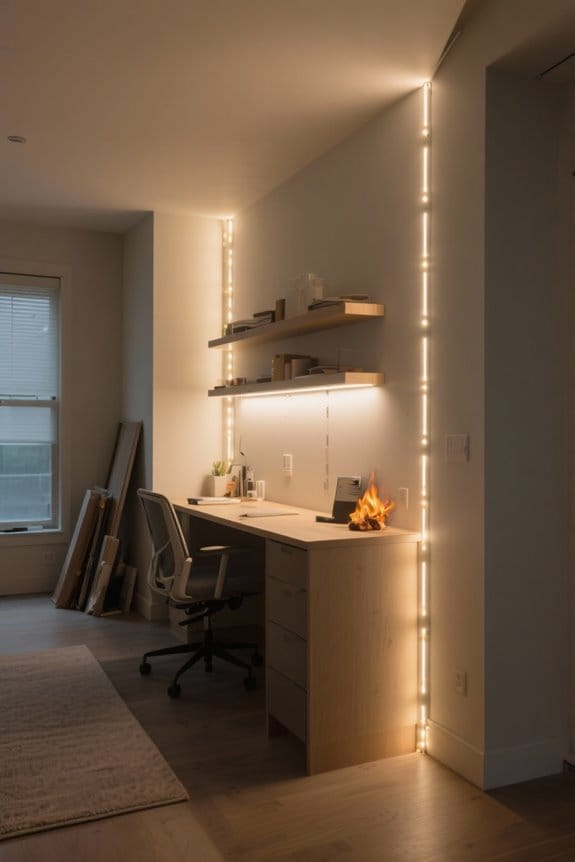
Monitoring LED installations is crucial to guarantee ongoing safety and maximum performance. Regular inspections should focus on signs of damage, such as flickering, which may indicate overheating or electrical issues. Confirm LED lights are free from dust and debris, as this buildup can obstruct heat dissipation and elevate temperatures. It is critical to maintain a safe clearance of at least 3 feet between LED fixtures and flammable materials to mitigate fire risks. Additionally, routine checks on the compatibility of LED bulbs with their fixtures and dimmers prevent overheating. Finally, monitor the installation environment for adequate ventilation to promote safe airflow, reducing heat accumulation and confirming compliance with safety certifications. Proper maintenance is essential for sustained safety. Quality LED fixtures with high CRI ratings above 90 ensure optimal illumination while maintaining safety through accurate color representation and reduced strain on the system.
Selecting Quality LED Products for Enhanced Safety
Choosing the right LED products considerably enhances safety and operational reliability within any installation. Prioritize LED products that are UL or ETL certified, as these certifications signify superior heat management and adherence to safety standards. High-quality LEDs typically operate at lower temperatures, ranging from 35°C to 55°C, considerably lowering fire hazards near flammable materials. Always select LED brands known for effective thermal management to minimize overheating risks. It’s essential to maintain a safe distance of at least 3 feet from flammable materials to further mitigate potential threats. By choosing reliable LED options, users can guarantee longer-lasting performance and adherence to safety protocols, thereby reinforcing the importance of selecting products that meet these critical safety benchmarks. With Energy Star certified lighting solutions using 75% less energy than traditional bulbs, the reduced power consumption further minimizes heat generation and associated fire risks.
Recommended Products

Relax & Detox in Your Home: Enjoy the benefits of a spa experience at home with this 2-person far infrared sauna. Crafted from natural Canadian hemlock wood for superior insulation, its spacious interior (44x39x77 inches) provides a personal wellness retreat

Product Dimensions(L x D x H): 58-3/8" x 18" x 17-3/4". Duct: 8" round. Please refer to our Size Measurements before placing an order.

【Quality Solid】: Experience premium commercial grade 304 stainless steel built to withstand high heat, grease, and oil. Full welding seamless design and fingerprint-resistant & smudge-resistant finish. Product Dimensions(L x W x H): 58 -3/8 in x 18 in x 17-5/8 in. Duct: 8" round. Please refer to our Size Measurements before placing an order.
Emergency Preparedness and Response Planning
Establishing a thorough emergency preparedness and response plan is essential for guaranteeing the safety of all household members. Fires can escalate quickly, especially near flammable materials. Consequently, all escape routes should be clearly marked and regularly maintained for swift access during an emergency. Designate a safe meeting place outside the home for family members post-evacuation. Conduct fire drills quarterly to instill familiarity with escape routes and procedures. Assign responsibilities, such as calling emergency services or checking on others, to promote efficiency. Additionally, regularly review and update the plan to accommodate any changes in your living environment or family dynamics. Proper LED lighting placement can enhance visibility during an evacuation, further supporting safety efforts. Consider installing dimmable LED strips near exits to provide adjustable lighting that won’t strain eyes during nighttime emergencies.
Frequently Asked Questions
Do LED String Lights Get Hot Enough to Start a Fire?
LED string lights typically do not emit enough heat to ignite flames, aligning with LED safety regulations. However, adherence to fire safety practices and proper installation according to residential lighting standards remains essential for decorative lighting tips.
What Are the Chances of LED Lights Catching on Fire?
The chances of LED lights catching fire are low, primarily influenced by LED safety concerns, heat generation factors, and quality components. Adhering to electrical wiring standards and preventative measures guarantees compliance with fire safety regulations and lighting installation guidelines.
Are LED Lights Against Fire Code?
LED lights generally comply with fire regulations, promoting LED safety. Proper heat management and lighting installation minimize electrical hazards, ensuring fire prevention near flammable materials. Their energy efficiency also supports safe indoor and outdoor lighting practices.
Is Covering an LED Light a Fire Hazard?
Covering an LED light can pose fire hazards, similar to a tightly sealed pot boiling over. Proper LED safety concerns require fire-resistant materials, effective heat dissipation methods, and adherence to fire safety regulations to prevent indoor lighting hazards.