As an Amazon Associate, we earn from qualifying purchases. Some links on this site are affiliate links at no extra cost to you. Our recommendations are based on thorough research and editorial judgment.

The Recyclability of LED Lighting Components

LED lighting components present valuable recyclability potential due to their content of precious metals like gold, silver, and gallium. Approximately 98% of LED housings consist of recyclable materials. Effective recovery techniques, including hydrometallurgical processes and advanced sorting technologies, enhance material recovery rates considerably. However, complex designs complicate recycling efforts, leading to low collection rates. Understanding proper disposal methods and engaging with eco-design practices are essential. Discover further insights on enhancing recycling efficiency and sustainability in LED waste management.
Key Takeaways
- LED lamps contain more recyclable materials, like metals and precious elements, than traditional incandescent bulbs.
- Recyclability challenges arise from complex designs and toxic components, necessitating advanced recycling techniques.
- Tubular and bulb lamps can yield high recovery values due to valuable materials like gold, silver, and gallium.
- Effective recycling is supported by eco-design principles, simplifying material selection and facilitating recovery.
- Current LED bulb recycling rates are low, emphasizing the need for improved collection and consumer engagement efforts.
Overview of LED Lighting Components
You may be interested



The world of LED lighting components encompasses a variety of essential materials and technologies. LED lamps utilize semiconductors, primarily relying on gallium and arsenic to create light when powered. Circuit boards are integral, but they often contain toxic compounds such as lead, necessitating careful disposal practices. Understanding these electronic components is important; they include recyclable materials like metals, aluminum, and precious elements like gold and silver. Unlike traditional incandescent bulbs, LEDs offer a notably higher percentage of recyclable materials, enhancing their sustainability profile. Recognizing the complexity of integration is critical, as it poses challenges for recycling yet also reveals considerable potential for resource recovery. The future of LED technology relies on effective, eco-friendly recycling methods that respect these components. With a typical 50,000 hour lifespan, modern LED components significantly reduce waste from frequent replacements compared to traditional lighting options.
Valuation of Materials in LED Lamps

Valuation of materials in LED lamps demonstrates significant potential for resource recovery, especially when assessed through thorough analysis methods. These lamps contain valuable materials like gold, silver, copper, aluminum, and gallium, with concentrations often surpassing natural ores. For instance, tubular LED lamps hold a recovery value of approximately USD 2,405.99 per ton, while bulb lamps can yield around USD 2,595.02 per ton. The LED components are essential, with gold recognized as particularly precious. Printed circuit boards (PCBs) add further value through gallium, emphasizing its significance in recycling technologies. Employing techniques like XRF and ICP-OES for material characterization is vital. This guarantees accurate identification of economically viable materials for effective material recovery from electronic waste. With modern LED lights offering 50,000 hours lifespan, their long-lasting nature significantly reduces the frequency of disposal and recycling needs.
Recommended Products

【Powerful Flash】Standard Large High-Quality Capacitors Provide Super Power, 0.1-1.5s Fast Recycling, Stable Voltage and Precise Output, Which Makes the Flash Charge...
Environmental Impact of E-Waste

While technological advancements improve lighting efficiency, the environmental impact of e-waste warrants serious consideration. Global e-waste generation, including discarded LED lighting products, rose from 41.8 million tons in 2014 to 44.7 million tons in 2016, with projections anticipating 52.2 million tons by 2021. E-waste contains hazardous substances such as heavy metals, which threaten soil, water, and air quality when improperly managed. Low formal collection rates result in reliance on informal e-waste recycling methods, leading to significant resource waste and environmental contamination. Furthermore, regions like China face severe environmental damage due to heavy metals released during improper recycling. Effective materials recycling strategies are essential to mitigate health hazards and preserve natural resources, highlighting the urgent need for responsible recycling practices. Modern LED energy savings of up to 70% compared to fluorescent lights demonstrate the potential for reducing environmental impact through efficient lighting choices.
Recycling Challenges for LED Lighting
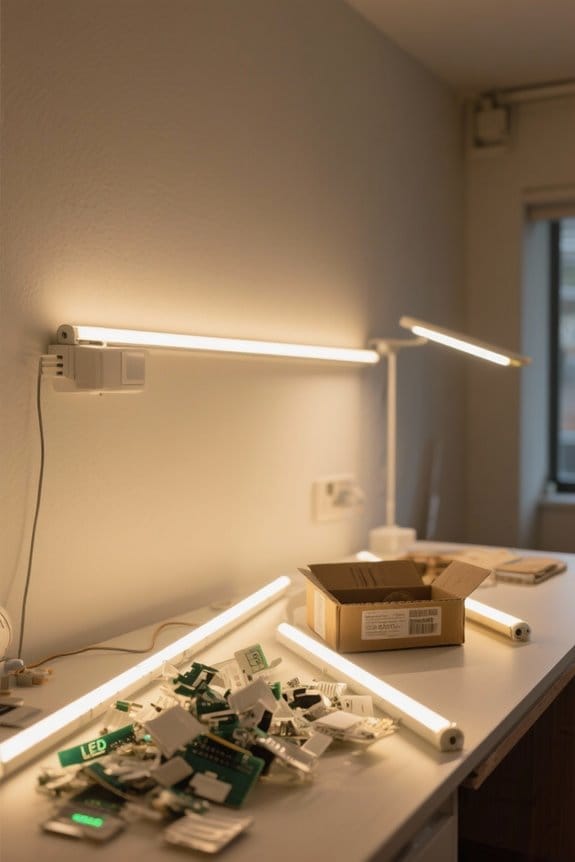
As LED technology continues to advance, understanding the recycling challenges associated with LED lighting components remains vital for effective waste management. The complex electronic designs of LED lamps often contain toxic elements like lead, complicating recycling processes and increasing costs. Although over 98% of LED housing consists of recyclable materials, the presence of rare materials requires careful handling to avoid losses. The average return rate for LED bulbs in Germany is a mere 1%, demonstrating the difficulties in collection and lamp recycling programs. Additionally, the intricate assembly of LEDs results in time-consuming dismantling, raising recycling facility operational costs. Addressing these challenges is essential to minimize LED waste while mitigating the associated health risks linked to toxic elements. Despite recycling hurdles, the extended bulb lifespan of 25,000 to 50,000 hours helps reduce overall waste compared to traditional lighting options.
Recommended Products
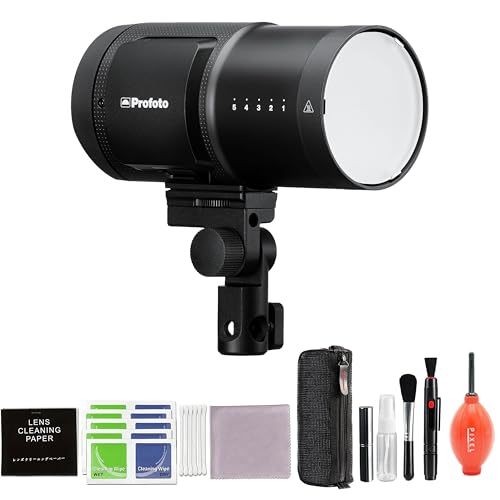
Bundle Accessories - Along with the accessories from Profoto the B20 bundle includes additional accessories such as Blower and Cleaning Kit.
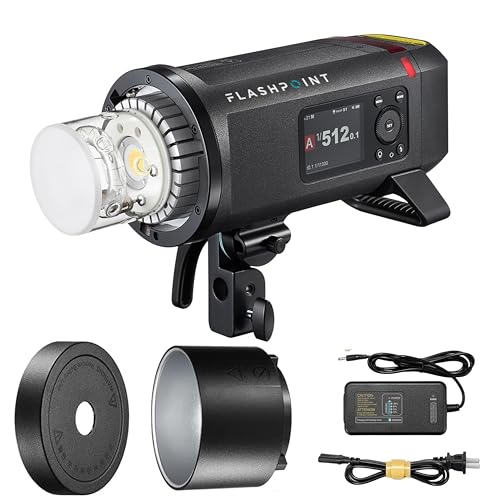
🔹PROFESSIONAL 800Ws OUTDOOR FLASH POWER: Powerful 800Ws battery monolight designed for demanding location and studio photographers. The Flashpoint XPLOR 800 Pro delivers studio-class output in a compact, portable body—perfect for portraits, fashion, sports, commercial, and outdoor daylight shooting.

Powerful Flash with Fast Recycling: The Godox SK400IIV utilizes high-quality large capacitors to store electricity, enabling fast recycling times of 0.1-1.5s and continuous shooting without waiting.
Materials Recovery Techniques
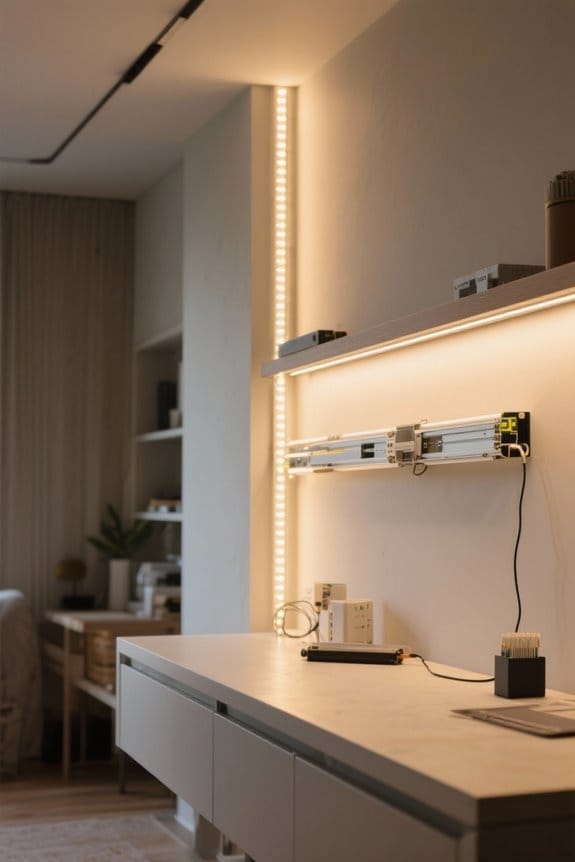
The recycling of LED lighting components involves sophisticated materials recovery techniques designed to maximize the extraction of valuable resources. Advanced methods, such as pyrolysis, successfully recover polymers and concentrated metals from spent bulbs. Significantly, hydrometallurgical processes extract valuable materials like gallium and rare earth elements, addressing typical losses in traditional recycling. Innovative technologies, including electrohydraulic fragmentation, achieve impressive recovery rates of up to 99.5%. Additionally, separation technologies like magnets and eddy current separators enhance recovery by effectively sorting ferrous and non-ferrous metals from plastics and glass. Careful dismantling and component segregation are essential, as they improve material distribution assessment and the economic viability of recovery efforts, ultimately promoting more efficient recycling practices for LED components. Durable aluminum alloy construction in modern LED fixtures helps ensure components maintain their integrity through the recycling process.
Recommended Products

Low cost single phase motor protection
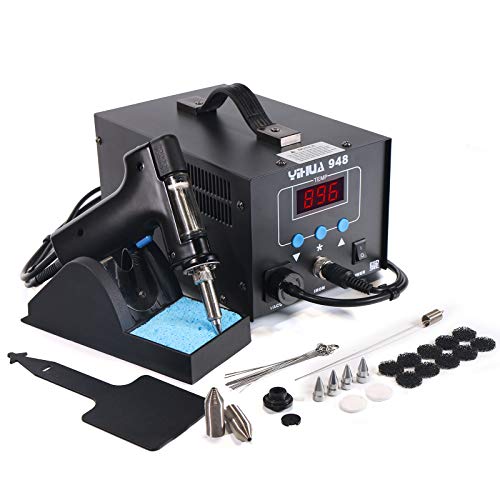
A new way to desolder – If you get a 948 desoldering station, you'll enjoy the full benefit of efficient desoldering. The use of solder wick and desoldering pumps can satisfy occasional desoldering applications. But when compared with the 948 desoldering station in removing a large number of joints, these methods will be significantly less efficient.

Non-Dimmable Panel Lights: working voltage of ac 85-265V, no fliker and no dazzling, ce & rosh Approved.
Characterization of LED Components
Characterization of LED components is critical for effective recycling and material recovery. Understanding the composition of LED units, including LED chips and their supporting structures, is essential. These components contain valuable materials such as metals—aluminum, copper, gold, and silver—alongside glass and plastics. Characterization reveals that up to 46% of an LED’s mass can be recovered, emphasizing the importance of dismantling processes in recycling facilities. Specific attention must be paid to hazardous constituents like lead and arsenic, as mandated by regulations governing electronic waste. By meticulously identifying and segregating materials, the recycling industry can enhance recovery efficiency. Effective characterization facilitates targeted recycling strategies, ensuring that valuable materials are efficiently reclaimed from the ever-growing e-waste stream. Modern LED energy savings of 80-85% compared to traditional bulbs make their proper recycling increasingly important for environmental sustainability.
Economic Benefits of Recycling LEDs
Recycling LED lighting components presents a significant economic opportunity, particularly through the reclamation of valuable materials. The recovery value from tubular LED lamps is approximately USD 2405.99 per ton, while bulb lamps yield around USD 2595.02 per ton. Such figures emphasize significant economic benefits for recycling efforts. Key components, especially precious metals like gold and gallium, can be reclaimed in higher concentrations than found in natural ores, addressing material scarcity. The growing volume of e-waste, including LED components, creates profitable opportunities linked to the circular economy. Additionally, innovative recycling technologies achieving over 99% recovery rates can enhance environmental impact while maximizing financial returns, making LED recycling increasingly attractive as market prices for metals rise. The transition to energy-efficient LED lighting has created substantial recycling opportunities as more households upgrade their cabinet and under-counter illumination systems.
Innovative Recycling Methods
As advancements in technology continue to evolve, innovative recycling methods for LED lighting components are becoming essential for maximizing material recovery. Effective LED recycling systems employ advanced sorting technologies, such as metal separators and flotation methods, to enhance the classification of materials in LED lamps. The electrohydraulic fragmentation (EHF) method achieves remarkable recovery rates of up to 99.5%, utilizing shock waves for selective component separation. Pyrolysis techniques, including vacuum and microwave pyrolysis, successfully recover valuable metals and polymers from e-waste. The CreaSolv® process specializes in separating LED phosphors from binders, optimizing critical element recovery. Additionally, innovative recycling systems like BCA Industries’ setups incorporate dual-shaft shredders and eddy current separators, improving processing efficiency across various LED products. Modern ENERGY STAR certified LED components are specifically designed with recyclable materials like aluminum and recycled plastics to further support sustainable disposal practices.
Role of Eco-Design in LED Manufacturing
While manufacturers endeavor for innovative lighting solutions, the role of eco-design in LED manufacturing emerges as critical for sustainability. Eco-design emphasizes the selection of materials that minimize hazardous components, enhancing recyclability and resource efficiency. Implement strategies focusing on modularity and the reduction of mixed materials to simplify recycling processes. By doing so, valuable components like gallium and rare earth elements can achieve higher recovery rates. Regulatory frameworks, particularly the European Union’s WEEE directives, incentivize these eco-design practices, promoting better end-of-life management. Employ life cycle assessments and material flow analyses to identify improvements, aligning with the principles of a circular economy. Ultimately, integrating eco-design into LED manufacturing is essential for reducing environmental impacts and improving overall sustainability. Modern energy-efficient LED designs consume as little as 3 watts while producing 300 lumens of light output.
Regulations and Policies on LED Recycling
Effective management of LED waste aligns with evolving regulations and policies designed to govern the recycling of electronic products. LED lamps are classified under the Waste Electrical and Electronic Equipment (WEEE) directive in Europe, which mandates their proper recycling. The European Commission has enacted regulations, specifically Numbers 244/2009 and 245/2009, to phase out inefficient bulbs and promote sustainable practices. In the U.S., while many states encourage recycling of LED bulbs, it is not legally mandated like the regulations for hazardous materials in fluorescent lamps. Modern LED lighting components typically output 300 to 800 lumens for optimal artwork illumination, making their proper disposal increasingly important for environmental sustainability. Adherence to local and federal laws is vital, as non-compliance regarding electronic waste disposal can lead to penalties. Ultimately, robust regulatory frameworks are essential for effective management of growing LED waste streams.
Future Perspectives on LED Waste Management
The growing reliance on LED lighting necessitates a proactive approach to future waste management practices. As the global market for energy-efficient LED lamps expands at a compound annual rate of 11%, effective recycling methods must evolve. Currently, only about 1% of waste LED bulbs are recycled, especially in regions like Germany. This highlights an urgent need for improved collection and processing strategies. The complexity of LED components, including precious metals like gallium, complicates recycling. Regulatory frameworks, such as the WEEE directive, push for enhanced recovery of valuable materials. Emerging technologies, like electrohydraulic fragmentation, promise to increase recycling efficiency. Future strategies must focus on eco-design, improved recovery techniques, and consumer engagement to guarantee sustainable waste management in LED lighting.
Collaborative Efforts in E-Waste Recycling
Recognizing the critical need for sustainable e-waste recycling, stakeholders across the LED lighting industry must come together to forge effective collaborative efforts. Lighting manufacturers, recyclers, and policymakers should form partnerships that enhance LED recycling processes, optimizing material recovery. For instance, collaboration can streamline collection programs that effectively process defective LED products, reclaiming valuable resources like gallium and indium. Regulatory frameworks, such as the WEEE directive, support these collaborative efforts by promoting efficient recycling practices and minimizing environmental impacts. As market demand for sustainable solutions grows, stakeholders should focus on improving recovery rates of precious and rare earth metals found in LED lamps. Engaging in these collaborative initiatives is vital for advancing a circular economy in the LED lighting sector.
Frequently Asked Questions
What Are the 5 Components of an LED Light Source?
An LED light source, a luminary marvel, comprises five essential components: a semiconductor chip, heat sink for ideal management, printed circuit boards, protective lens, and driver circuits, collectively enhancing LED lifespan, efficiency ratings, and environmental impact.
Are LED Lights Reusable?
LED lights can be reusable within sustainable lighting solutions, promoting LED sustainability efforts. Their energy efficiency benefits contribute positively to the LED life cycle, while innovative recycling techniques address environmental impact concerns effectively, ensuring ecological preservation.
Does Lowe’s Accept LED Light Bulbs for Recycling?
Under the fluorescent glow of sustainability, Lowe’s recycling policies embrace LED bulb disposal through store participation programs. Their environmental impact assessments enhance customer awareness initiatives, paving the way for sustainable lighting solutions and responsible waste management.
How Are LEDS Recycled?
LEDs are recycled through specialized methods that involve component separation processes, enhancing e-waste management strategies. Consumer awareness programs guide safe disposal options, while environmental impact assessments guarantee compliance during recycling to mitigate hazardous material exposure.