As an Amazon Associate, we earn from qualifying purchases. Some links on this site are affiliate links at no extra cost to you. Our recommendations are based on thorough research and editorial judgment.

Comparing Standby Power Draw in LED Systems

When comparing standby power draw in LED systems, it’s critical to note that most smart LED bulbs consume between 0.2 to 0.5 watts in standby mode. In a study of 30 models, 21 consumed less than 0.5 watts, showcasing their energy efficiency. This is markedly lower than traditional incandescent bulbs, which can draw 40 to 100 watts. Prioritize smart LEDs with lower standby usage for enhanced savings. This analysis reveals important trends that can influence your lighting choices.
Key Takeaways
- Smart LED bulbs typically consume between 0.2 to 0.5 W in standby mode, showcasing energy efficiency compared to traditional bulbs.
- Among 30 tested smart LED models, 21 consumed less than 0.5 W in standby, indicating favorable energy consumption patterns.
- Traditional incandescent bulbs consume 40 to 100 W while smart LEDs only use 7 to 10 W during operation, highlighting significant energy savings.
- Standby power consumption of smart LEDs is crucial in determining overall energy efficiency and the total cost of ownership (TCO).
- Future research should focus on larger sample sizes to better understand variations in standby power draw among different smart LED models.
Overview of Smart LED Bulbs
You may be interested
Smart LED bulbs represent an innovative advancement in lighting technology, considerably enhancing the energy efficiency and functionality of modern homes. These energy-efficient lighting options consume only 7 to 10 watts during use, compared to about 60 watts for traditional incandescent bulbs. This substantial reduction leads to significant energy savings. When in standby mode, smart LED bulbs maintain connections for remote control using just 0.2 to 0.5 watts, ensuring negligible impact on electricity bills. The average lifespan of these bulbs extends up to 25 times longer than standard options, thereby further contributing to overall energy efficiency. Emphasizing their eco-friendly nature, smart LED bulbs can save up to 75% more energy, making them an excellent choice for both residential and commercial applications. Modern LED lighting solutions can achieve up to 70% energy savings compared to traditional fluorescent lighting systems.
Recommended Products

All-in-One Emergency Radio: Features AM/FM/LW/SW bands, plus NOAA weather channels for real-time alerts on severe weather condition such as hurricane, power outage, and earthquack.

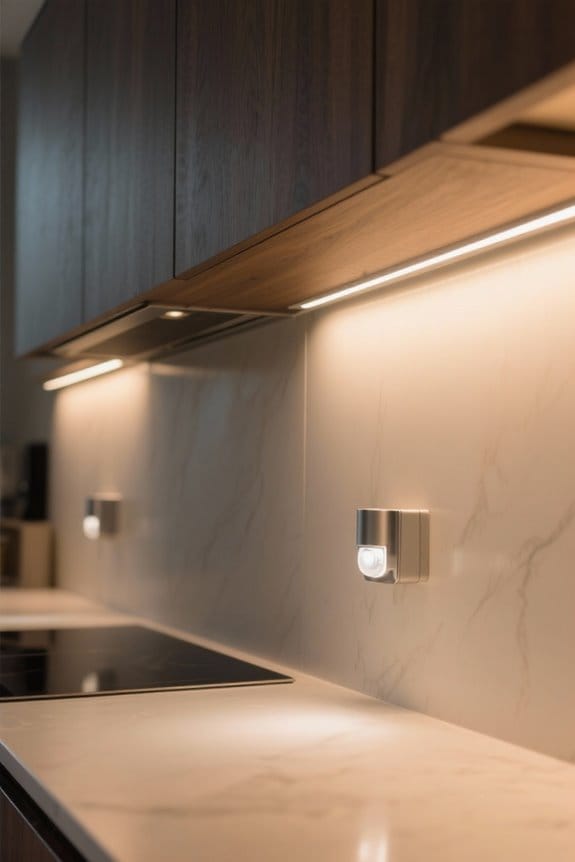
【By Function】① Auto-sensing:Wall lights auto-turn on to 30% brightness at dusk,and turn to 100% brightness when motion detected then revert to 30% brightness about 120s after no motion detected,and turn off at dawn; ② Power saving motion sensing: will only auto turn on 100% brightness when it senses movement at night,without day and night sensing; ③ Always light on for 8 hours: could stay on 100% brightness for 8 hours。

Importance of Power Consumption
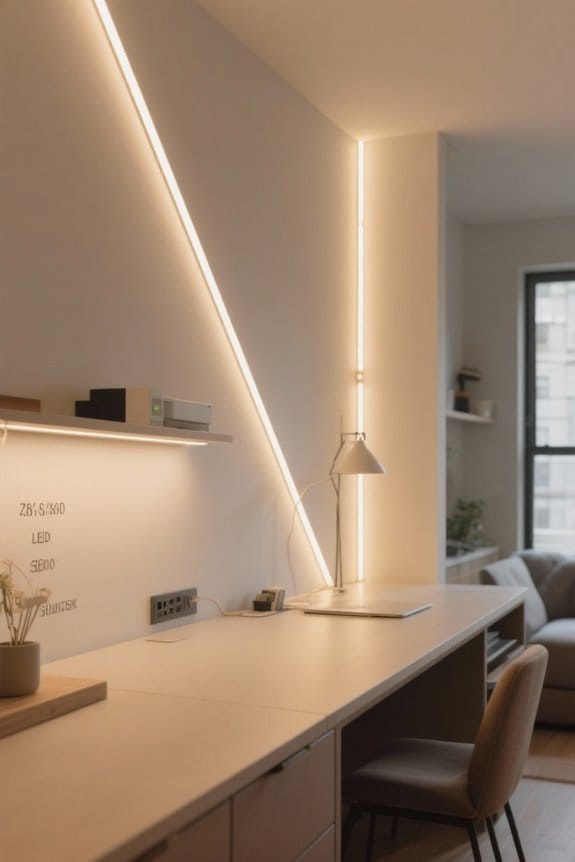
Understanding power consumption is essential for maximizing energy efficiency in lighting systems. Power consumption directly influences the total cost of ownership (TCO) for lighting. Reduced energy usage lowers electricity expenses for both homeowners and businesses. LED lighting, known for its superior energy efficiency, exemplifies this principle effectively. By examining standby mode power consumption, even minor savings accumulate over time. Lower power consumption also contributes to a diminished eco-footprint, aligning with sustainability goals vital in today’s climate-conscious society. Transparent specifications regarding power consumption empower consumers to make informed decisions. When selecting products, prioritize those that emphasize energy efficiency to maximize both economic and environmental benefits, ensuring a responsible approach to energy use in residential and commercial applications. Modern LED retrofit solutions can achieve 90% energy savings compared to traditional incandescent bulbs while maintaining comparable brightness levels.
Methodology of Standby Power Measurement
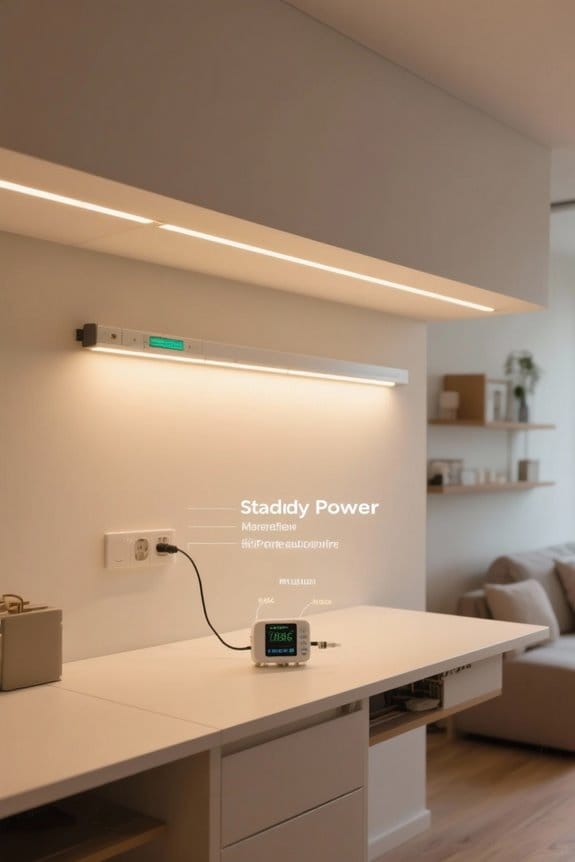
A thorough methodology was employed to measure standby power consumption in LED bulbs, focusing specifically on recent models available in the Canadian market. This study evaluated 30 selected smart LED bulb models, all conforming to IEC 62301 standards, which provide a framework for accurate measurement of standby mode power consumption. Only A19 form bulbs with E26 sockets and a minimum lumen output of 500 lm were included, ensuring uniformity. The measurement process revealed that 21 out of the 30 tested bulbs consumed less than 0.5 W in standby mode, indicating efficient energy usage. Additionally, data from 12 Swedish households were considered to explore variations in household composition, optimizing smart lighting solutions for better energy savings. The energy efficient design of these LED systems aligns with Energy Star standards, using 75% less energy than traditional lighting options.
Analysis of Sample Selection
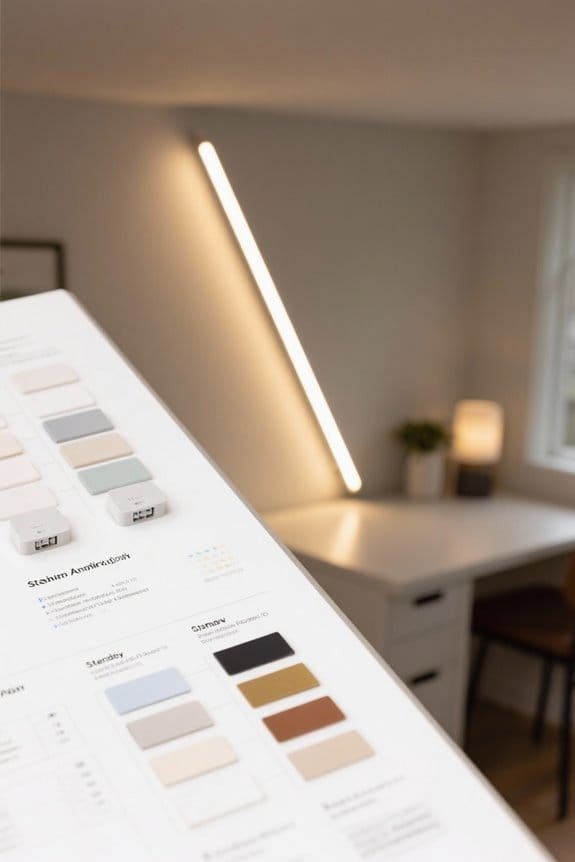
While analyzing sample selection, it is essential to take into account how the choices made impact the overall findings and conclusions of the study. This study focused on three specific smart LED bulb models from a pool of 30, adhering to the IEC 62301 standards for measuring standby power consumption. Each selected bulb, characterized as A19 form with E26 sockets, met a minimum lumen output requirement of 500 lumens. Particularly, 21 out of the 30 bulbs consumed less than 0.5 watts in standby mode. This targeted sample reveals critical insights into energy management issues within smart lighting systems. However, the limited sample size highlights the need for further research to strengthen findings and validate patterns in standby power consumption across a broader range of models. Modern LED lighting solutions demonstrate remarkable efficiency with 50,000 hours lifespan, significantly reducing the frequency of replacements compared to traditional lighting options.
Standby Power Measurement Results
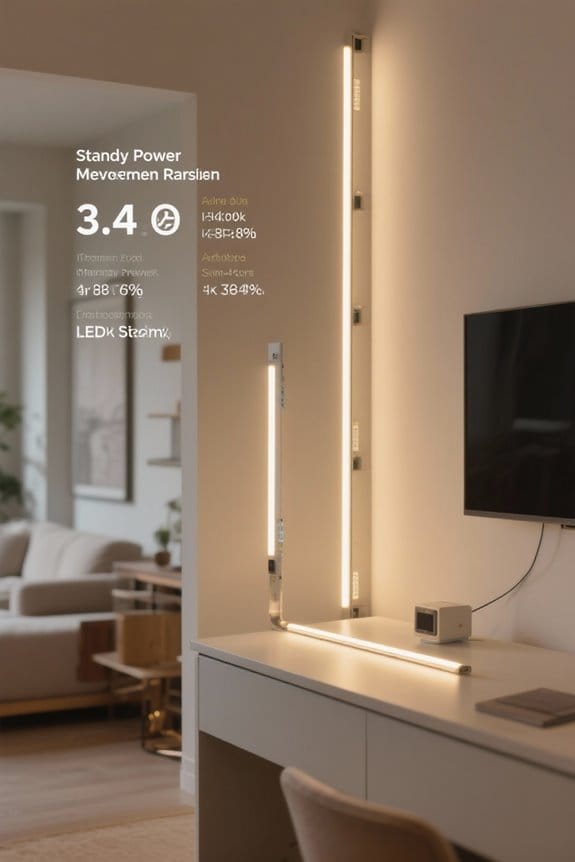
Evaluating standby power measurement results reveals critical insights into energy efficiency among smart LED bulbs. A study of 30 models demonstrated that 21 consumed less than 0.5 W while in standby mode, indicating low energy consumption. This finding is essential for consumers seeking eco-friendly smart devices. Remarkably, the highest variation in standby power consumption reached 0.43 W among the tested bulbs. It’s important to note that while standard deviation indicated consistency, three models differed greatly from the others. This analysis, though limited in sample size, underscores trends in energy consumption and highlights the necessity for larger studies to fully understand how different models perform. The implications of these results can drive informed purchasing decisions and enhance energy efficiency awareness. Modern LED lighting solutions can achieve lifespans between 20,000 to 50,000 hours while maintaining minimal standby power draw.
Variations in Power Consumption Across Models
When evaluating variations in power consumption across different smart LED bulb models, considerable differences emerge that warrant close examination. Research revealed that 21 of 30 models consume less than 0.5 W in standby mode, marking them as energy efficient. However, maximum variations reached 0.43 W among certain models. This underscores the importance of quality control and design integrity. Additionally, the typical standby power consumption for smart LED bulbs ranges from 0.2 to 0.5 W, markedly lower than traditional incandescent bulbs, which consume 40 to 100 W. Such disparities highlight the necessity for larger sample sizes in future studies to ascertain thorough consumption patterns and better understand factors influencing standby power efficiency in smart LED bulbs. Modern COB LED strips offer superior energy efficiency with lifespans reaching up to 60,000 hours while maintaining consistently low power draw.
Implications of Standby Power Consumption on Energy Savings
Standby power consumption in smart LED bulbs plays a significant role in the overall energy savings for residential households, often overlooked by consumers. In stand-by mode, these bulbs can draw between 0.2 and 0.5 watts, contributing to overall power consumption even when not in use. Although many models operate efficiently, with 21 out of 30 tested consuming less than 0.5 watts, awareness is vital. Homeowners must recognize that excess standby power draw can undermine anticipated energy savings from smart lighting systems. Best usage can lead to improvements exceeding 50% in electric lighting costs, highlighting the importance of selecting quality bulbs. Understanding standby power is essential for thorough energy management practices in the home. Aluminum channels in LED systems can help dissipate heat effectively, potentially reducing power consumption and extending bulb lifespan.
Recommended Products

【3 Lighting Modes】 Combine dusk to dawn efficiency with motion sensor security. Mode 1 – 30% dim light after dusk, brightens to 100% upon motion, returns to 30% after 120s. Mode 2 – stays off after dusk, activates at 100% upon motion; Mode 3 – continuous lighting from dusk to dawn. One button easily switches modes to fit your needs..

Control With Alexa : Smart bulbs that work with alexa & google assistant, turn the light bulbs on/off, set up schedules. 16 Million brilliant and soft colors plus tunable whites to create the good mood; Great for parties and everyday use(only 2.4GHz)
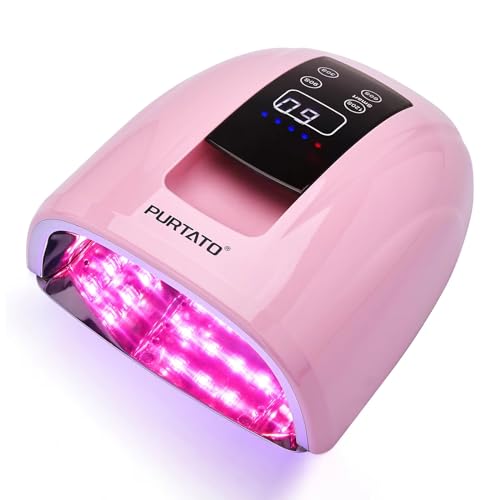
【Wireless Portable Rechargeable】 Built-in 15600mAh lithium battery, fully charged in 2 hours,work for 12 hours. The hidden handle design is convenient for carrying. This wireless nail dryer is the best choice for home or salon DIY.
User Behavior and Smart Lighting Applications
User behavior greatly influences the energy efficiency of smart lighting applications, making it essential for homeowners to understand how their actions impact energy consumption. Smart lighting can save over 50% in electric lighting consumption when utilized correctly. For instance, a light simulation study in Sweden highlighted that recognizing occupancy patterns enhances smart lighting systems’ effectiveness. Importantly, smart LEDs consume about 0.4 watts per lamp in standby mode, which can accumulate considerably if users are unaware. Since standby power consumption ranges from 0.2 to 0.5 watts, user behavior directly affects overall energy efficiency. Popular options like the ESHine LED Kit demonstrate how modern smart lighting can balance brightness and energy efficiency while offering convenient smartphone control. By adopting mindful habits, such as turning off lights when not needed and using programmable settings, homeowners can optimize their smart lighting while minimizing unnecessary power consumption.
Comparative Analysis With Traditional Lighting
Comparing smart LED lighting with traditional incandescent systems reveals considerable differences in energy consumption and operational efficiency. Incandescent bulbs consume between 40 to 100 watts when lit, while smart LED bulbs only use 7 to 10 watts for similar brightness. Although traditional lighting has no standby power consumption when off, smart LEDs require 0.4 to 0.5 watts in standby mode to stay connected. This minimal power draw adds to the overall grid load, unlike conventional systems. However, the combined savings from smart LED technology can lead to a reduction of over 50% in electric lighting consumption. In addition, smart lighting allows users to control usage patterns, optimizing energy savings markedly compared to fixed traditional options. Modern lumens per watt ratings demonstrate significant improvements in LED efficiency compared to older lighting technologies. Embrace this smart change for future efficiency.
Recommendations for Energy-Efficient Lighting Solutions
When seeking energy-efficient lighting solutions, it is essential to prioritize smart LED bulbs, which not only provide significant energy savings but also contribute to a more sustainable environment. Opt for smart bulbs with a standby power consumption of less than 0.5 W, ensuring compliance with Energy Star standards. Utilize features such as scheduling and motion sensors to achieve potential energy reductions exceeding 50%. Implement automated controls like dimmers and timers to maximize energy efficiency during non-peak times. Integrating smart LED technology within a smart home setup further enhances overall energy savings. By choosing lighting solutions that meet or exceed IEC 62301 standards, consumers can lower electricity costs while minimizing their environmental footprint effectively. Modern LED lighting systems can reduce energy usage by up to 85% compared to traditional lighting options while providing an impressive 50,000-hour lifespan.
Recommended Products

Commercial-Grade Airflow: Six 72" aluminum blades with a 27° pitch deliver a massive 12,705 CFM, cooling patios, outdoor kitchens, and covered decks with powerful circulation

【Modern Large Villa Crystal Chandelier】Specification:Ceiling plate diamater is 59".Total length of wire is 120".The height cannot be adjusted.

【Luxury Gold Chandeliers Size 】Ceiling plate size:Dia 12inch X H 2inch.5 ring size:Dia 16+24+32+40+48inch.Adjustable max height:118inch,Approximate weight: 88 lb
Future Research Directions and Considerations
What strategies can be employed to deepen the understanding of standby power draw in smart LED systems? Future research should prioritize increasing the sample size of smart LED bulbs tested. This will reveal variances in standby power consumption across diverse models. Investigating user behavior, especially occupancy patterns, may enhance energy management strategies in residential settings. Additionally, examining the impact of technological advancements, such as innovative energy-efficient designs, could greatly reduce standby power draw. Emphasizing long-term performance and reliability is essential, particularly for outlier bulbs exhibiting high standby consumption. Finally, collaborative studies comparing smart LED bulbs across various geographical markets can enhance global energy management efforts. By doing so, effective strategies can be developed to maximize energy savings in lighting solutions.
Frequently Asked Questions
How Much Power Does a Standby LED Use?
A standby LED typically consumes between 0.2 to 0.5 watts. In the context of LED efficiency comparison, adequate standby power measurement highlights energy-saving tips and advancements in LED technology, minimizing overall energy costs over time.
What Is the LED Equivalent of 400W HPS?
The luminous dance of horticultural efficiency reveals that a 400W HPS bulb finds its radiant counterpart in an LED solution, ranging from 150 to 200 watts, boasting unmatched lifespan benefits and illuminating HPS bulb alternatives.
How to Calculate Standby Power Consumption?
To calculate standby power consumption, one measures the power usage in watts during a low-power state, multiplying this by annual hours in standby to assess power efficiency, energy savings, and overall system performance.
Does Standby Mode Use a Lot of Electricity?
Standby mode hardly guzzles electricity, showcasing remarkable energy efficiency. With minor power savings, it demonstrates minimal environmental impact. However, device compatibility remains essential, as even small cumulative usage can slightly influence energy costs over time.