As an Amazon Associate, we earn from qualifying purchases. Some links on this site are affiliate links at no extra cost to you. Our recommendations are based on thorough research and editorial judgment.

How Motion Sensors Enhance Kitchen Functionality

Motion sensors enhance kitchen functionality by automating lighting based on movement detection, typically within 6 to 12 feet. This hands-free operation improves safety, reducing accidents near cooktops. Additionally, they promote energy efficiency, cutting energy use by up to 30% and lowering utility costs. Incorporating LED lights can further enhance visibility while conserving energy. Regular maintenance, such as lens cleaning and battery checks, guarantees peak performance. Explore additional technologies that can streamline kitchen tasks.
Key Takeaways
- Motion sensors provide hands-free lighting, enhancing convenience when multitasking in the kitchen and keeping surfaces hygienic during food preparation.
- Automatic lighting activation improves safety by illuminating pathways, reducing the risk of slips, falls, and accidents near cooktops.
- Energy efficiency is significantly improved, with potential savings of up to 30% on utility bills by preventing unnecessary energy waste from unused lighting.
- Motion sensors can be integrated with smart technology to automate cooking tasks and monitor inventory, streamlining kitchen workflows and ensuring timely meal preparation.
- Properly maintained motion sensor lights enhance visibility and efficiency, contributing to a safer and more functional cooking environment.
Understanding Motion Sensor Technology
You may be interested
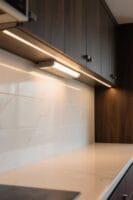
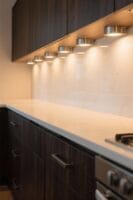
Understanding motion sensor technology is essential for enhancing kitchen functionality. These sensors utilize infrared or ultrasonic detection to identify movement, initiating lighting activation without manual switches. This automation greatly improves convenience, allowing for hands-free operation, particularly when multitasking in the kitchen. Implementing motion sensors can lead to remarkable energy efficiency, as lights only illuminate when the area is occupied, potentially reducing energy consumption by up to 30%. For ideal operation, most sensors are effective within a detection range of 6 to 12 feet. In a smart home environment, this technology not only saves energy but also guarantees safety by illuminating critical pathways, thereby preventing accidents in areas requiring ample lighting. Employing motion sensors is a practical enhancement for modern kitchens. Most modern motion sensor lights offer three color temperatures to create the perfect ambiance while maintaining functionality in various kitchen environments.
Benefits of Motion Sensor Under Cabinet Lighting
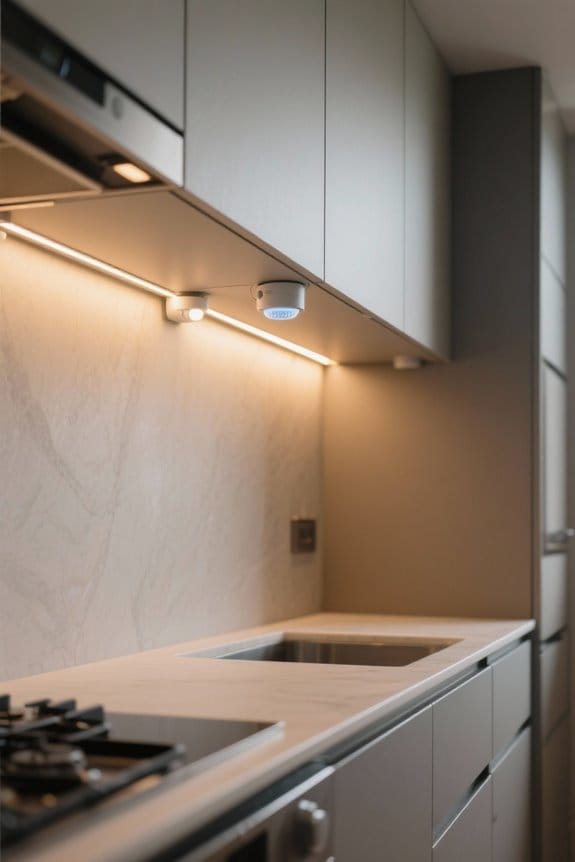
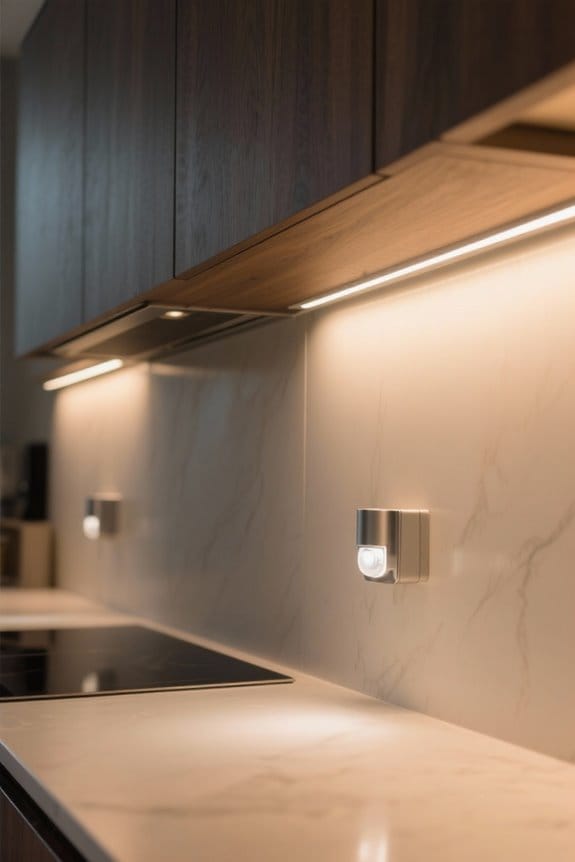
Motion sensor under cabinet lighting serves as a notable enhancement for kitchen functionality, offering numerous benefits that improve both safety and efficiency. These innovative lights automatically activate when motion is detected, guaranteeing illumination whenever users need it, particularly when their hands are full. According to the U.S. Department of Energy, this energy efficiency can reduce consumption by up to 30%, resulting in lower utility bills. Moreover, well-lit pathways greatly minimize risks of accidents, such as cuts or falls. By promoting hands-free operation, this lighting also helps reduce contamination during food prep. Selecting adjustable sensitivity models, ideally between 6 to 12 feet, guarantees the lighting offers peak performance, making it a smart investment for any kitchen environment. Most motion sensor cabinet lights feature 120-degree detection range, enabling comprehensive coverage of the intended area while maintaining optimal energy efficiency.
Recommended Products

Voice Control with Alexa: Use voice commands or the Alexa app to control power, dimming, night mode and adjustable white light for the under cabinet lighting bars (no third party app required).

These LED lights come on with any motion. Even in Daylight. Lock Connection is based in Lancaster PA. If you want LED lights that come on only at night, please order our LED-310D lights

【Smart Motion Sensor - Lights Your Path Automatically】: Equipped with an advanced motion and light sensor, ModoLight automatically turns on when you approach within 3 meters. Enjoy hands-free, reliable illumination for hallways, stairs, closets, and nighttime navigation.
Enhanced Convenience in the Kitchen
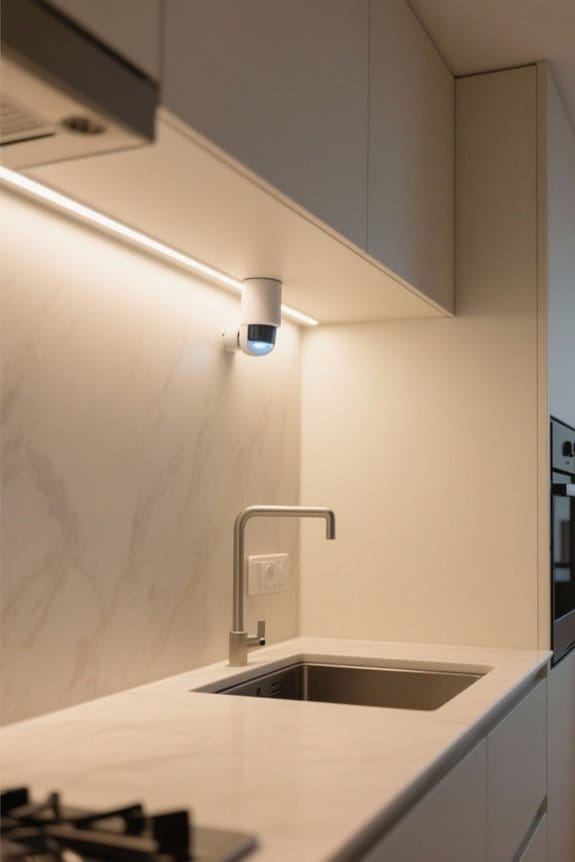
Incorporating motion sensor technology into the kitchen greatly enhances convenience for users, particularly when hands are occupied with cooking or cleaning tasks. Motion sensor lighting activates automatically upon detecting movement, negating the need to locate light switches. This hands-free capability allows for efficient multitasking. Moreover, minimizing surface contact promotes hygiene, an essential consideration in food preparation areas. Families with children or elderly members particularly benefit from this enhanced convenience, as immediate illumination during nighttime visits minimizes accidents and improves safety. Overall, motion sensors streamline kitchen operations, ensuring proper lighting when needed, which contributes to a more functional and user-friendly environment. Ultimately, these advancements redefine how families navigate their culinary spaces. Modern motion sensors can detect movement within a 10-foot range, providing reliable coverage for most standard kitchen spaces.
Recommended Products

Perimeter Vent Series - The FOTILE Perimeter Vent Series introduces the new EMG9050 range hood that stands out as a premier choice for larger, modern kitchens. This wall-mounted model showcases a powerful design, perfectly complementing spacious cooking areas with its black tempered glass and stainless steel.

Slant Vent Series – Our FOTILE range hood uses a 90° automatic open baffle plate that helps reduce the spread of cooking fumes or odors and quickly exhaust up to 6 sq. ft. of space for improved airflow.

SMART FEATURES: Works with Alexa for hands-free operation using 35+ voice commands through the Amazon Alexa app or Echo devices, plus Sharp Kitchen mobile app connectivity
Energy Efficiency and Cost Savings
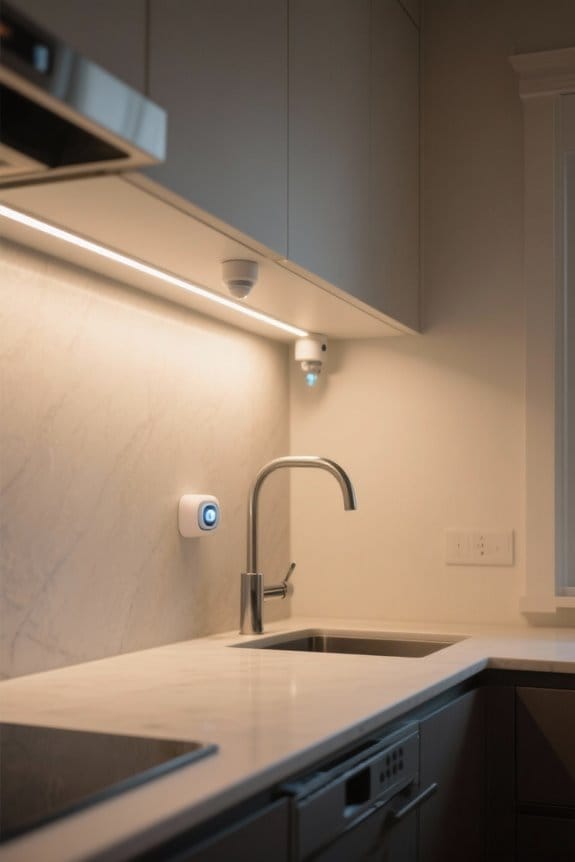
The integration of motion sensor technology in kitchen lighting presents a significant opportunity for energy efficiency and cost savings. Motion sensors activate lights only when movement is detected, potentially reducing energy consumption by up to 30%. Consequently, this reduction directly leads to lower utility bills. A study by the Pacific Northwest National Laboratory indicates that homes equipped with such smart lighting systems achieve substantial decreases in total residential energy usage. By automatically turning off lights in high-traffic areas when no movement is sensed, motion sensors prevent unnecessary energy waste. The U.S. Department of Energy underscores motion sensor technology’s critical role in enhancing home energy efficiency and promoting cost savings, thereby encouraging families to embrace this effective solution for sustainable living. Modern motion-activated cabinet lights like the MCGOR can detect movement within 10 feet range for optimal convenience and energy management.
Recommended Products
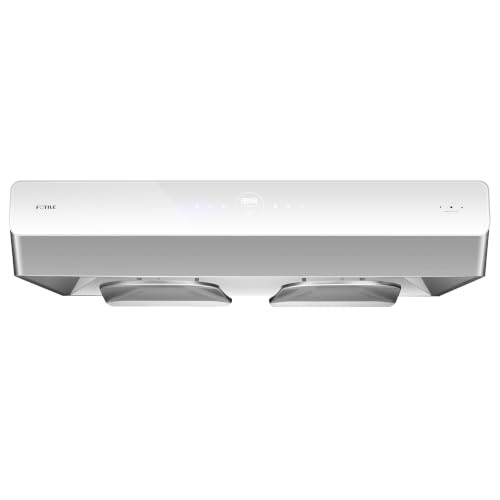
Powerful and Quiet - Listed 400 in maximum static pressure and as low as 38 dB in noise level with our signature WhisPower aerodynamic technologies which can boost the suction power up to 850 CFMs with less energy consumed, covering 7.2 square feet or a 4-6 burner cooktop with ease.

WARM AND INVITING: Polished Nickel finish provides a mirror-like warm metallic look, adding a refined touch to your space

Touchless on/off with a wave of your hand or an object such as a pan
Improved Safety and Accident Prevention
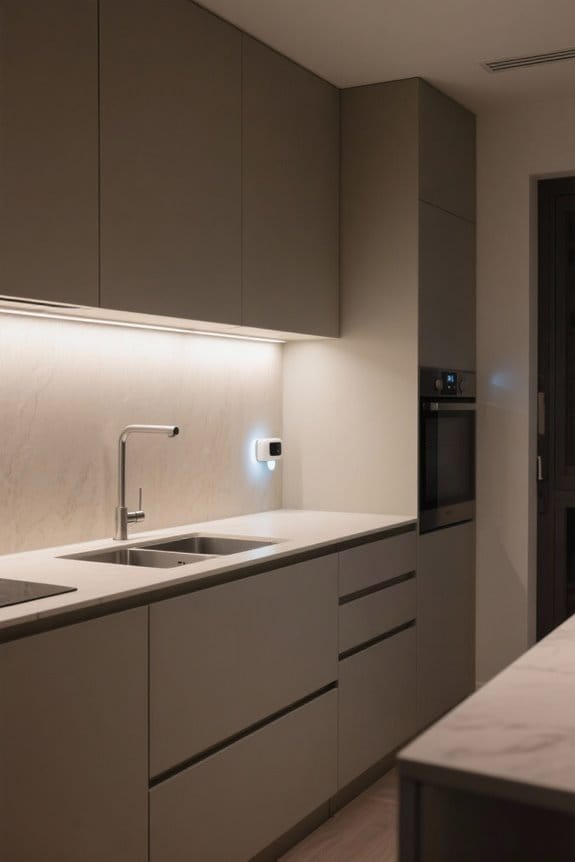
Enhancing safety in the kitchen is paramount, especially given the often chaotic environment of meal preparation. Motion sensor technology provides improved safety through smart features that illuminate pathways and vital areas automatically. These systems enhance accident prevention by activating adequate lighting when motion is detected, reducing slip and fall risks. According to the National Safety Council, well-lit areas near cooktops are essential in preventing burns and cuts. Consistent lighting, especially during nighttime visits, benefits families with children or elderly members. Additionally, by limiting contact with light switches, these sensors promote hygiene and energy efficiency, creating a safer cooking atmosphere. Installing motion sensor lighting is a proactive measure for any household to prioritize kitchen safety effectively. Modern motion sensor activation speeds of 0.1 seconds ensure immediate illumination when someone enters the kitchen space.
Choosing the Right Motion Sensor Lighting Products
Selecting the right motion sensor lighting products for a kitchen requires careful consideration to guarantee ideal functionality and safety. Opt for motion sensor lights that deliver at least 800 lumens for adequate brightness, focusing on a color temperature between 3500K and 5000K for efficient task lighting. Look for models that offer adjustable sensor sensitivity with a detection range of 6 to 12 feet for peak performance. Prioritize ENERGY STAR certified options to maximize energy efficiency and minimize utility costs, as these products consume less power while providing high output. Additionally, choose lights that automatically turn off after a set period of no movement, enhancing energy savings and extending the lifespan of your kitchen lighting. Models with rechargeable battery options can further reduce maintenance costs while promoting environmental sustainability through decreased battery waste. Proceed with confidence in your selections.
Recommended Products

INSTALLATION: Easy below-the-ceiling mounting design eliminates need for clips or plates, installs directly to most 3-1/2 in and 4 in square, octagon, or round junction and pancake boxes for quick garage lighting setup.
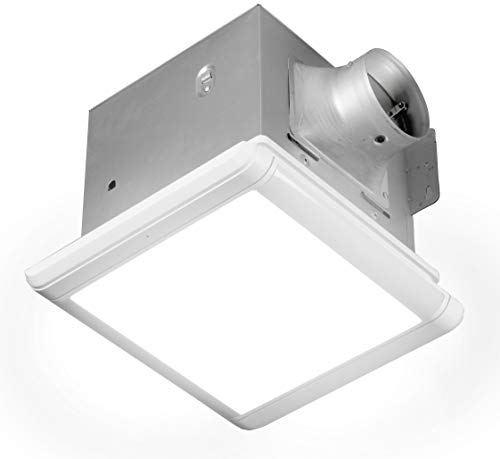
OUTSTANDING PERFORMANCE: This Homewerks Dual Speed bath fan with LED Light has a Humidity Sensor that Automatically turns on and adjusts Fan Speed based on humidity levels. This exhaust fan on low setting (60% Humidity) operates at a quiet 1 Sones at 80 CFM which means it is whisper quiet during operation. On High setting (80% Humidity) it is 1.5 sones (equivalent to rustling leaves) and 110 CFM.

MOTION SENSOR CEILING LIGHT: The 4" surface mount LED motion sensor closet ceiling disc light with motion sensor operates on 120V, not battery-powered. Automatically lights up for 30s upon motion detection (120° angle, 14ft/4.5m range), day or night
Installation Steps for Motion Sensor Under Cabinet Lights
Installing motion sensor under cabinet lights can greatly enhance kitchen functionality, following the thoughtful selection of appropriate products. First, measure the installation area to determine the needed length of lights. Verify they fit your kitchen layout effectively. Clean the surfaces for maximum adhesion, and mark locations for precise placement. For installation, use adhesive strips for convenience or drill holes for a secure option, utilizing screws. Have essential tools ready, including a power source. Next, connect the power according to manufacturer instructions; consult a professional for hardwired options if needed. Finally, select lights with adjustable sensor sensitivity and verify a detection range of 6 to 12 feet, promoting energy efficiency and ideal brightness for your kitchen tasks. Modern LED lighting options can save up to 80% on electricity bills while providing optimal visibility for your kitchen workspace.
Recommended Products

Sturdy Multi-Layer Plywood Construction: This floating vanity crafted from high-performance, water-resistant plywood in a dark walnut woodgrain finish, the cabinet ensures enhanced strength, stability. Its robust structure supports long-term use while maintaining a sophisticated appearance

【Advanced Slant Vent Design】Brano under cabinet range hood side vent with a 90° auto-open baffle design. This advanced design reduces the spread of cooking fumes and odors, captures smoke, and quickly sucks it away, keeping you from inhaling smoke and preventing grease from contacting your skin

【Stepless Dimming & Color Temperature Control】Enjoy perfect lighting every time. This lighted medicine cabinet offers stepless brightness adjustment from 10% to 100% and stepless color temperature adjustment from 3000K to 6000K. Whether you need a warm glow for relaxation, natural light for daily routines, or crisp cool light for precision tasks, the LED medicine cabinet adapts seamlessly to your lifestyle, creating the ideal atmosphere in your bathroom.
Maintenance and Care for Motion Sensor Lights
To maintain peak performance of motion sensor lights, routine care is essential. Regularly clean the sensor lenses to guarantee peak performance, as dirt or dust can obstruct detection capabilities. Additionally, check and replace batteries for battery-operated lights every 6 to 12 months, depending on usage, to sustain reliable operation. Inspect the installation area for obstructions that could interfere with the sensor’s range, which should ideally be between 6 to 12 feet. Furthermore, confirm the lights are correctly positioned and that sensor settings are properly calibrated. This can markedly reduce false activations or missed detections. Finally, adhere to the manufacturer’s instructions for maintenance to address issues promptly and extend the lifespan of the motion sensor system. For optimal functionality, consider motion sensors with a 120-degree detection angle to ensure comprehensive coverage of your space.
Exploring Additional Kitchen Technology Enhancements
As the role of technology in modern kitchens expands, exploring additional enhancements becomes essential for optimizing functionality. Integrating motion sensors with smart technology can automate tasks, such as preheating ovens or monitoring cooking progress, enhancing culinary efficiency. For instance, inventory tracking systems can alert users when pantry supplies are low, promoting better meal planning while minimizing waste. Consider advanced cooking technologies like sous vide systems paired with motion sensors to maintain precise temperature control. Furthermore, incorporating motion sensor lighting increases safety by illuminating pathways, particularly during late-night kitchen visits. These enhancements not only improve energy efficiency but also elevate overall home design, harmonizing modern aesthetics with practical functionality. Embrace these innovations to revolutionize your culinary experience. The latest daylight white illumination reaching up to 1200 lumens provides exceptional visibility for detailed food preparation and cooking tasks.
Frequently Asked Questions
What Are the Benefits of Motion Sensors?
In a world where flicking switches has become a sport, motion sensors champion energy efficiency and hands-free convenience. They also improve hygiene, enhance safety, and guarantee user accessibility, making everyday tasks feel almost like wizardry.
How Has Technology Improved the Equipment in the Kitchen?
Technology has transformed kitchen equipment through smart appliances and innovative cooking gadgets, enhancing energy efficiency and user experience. Modern design integrates functionality with aesthetics, allowing users to enjoy streamlined meal preparation and improved culinary outcomes seamlessly.
How Do Motion Sensor Sinks Work?
Motion sensor sinks utilize sensor technology to detect hand movement, activating water flow automatically. This enhances user convenience, promotes water conservation, requires a straightforward installation process, and boasts durability factors, ensuring long-lasting performance in kitchen environments.
What Are the Advantages and Disadvantages of Motion Sensors?
The advantages of motion sensors include enhanced automation impact and improved user experience, while disadvantages encompass privacy concerns, installation costs, and ongoing maintenance needs, which may deter some users from fully embracing this technology.