As an Amazon Associate, we earn from qualifying purchases. Some links on this site are affiliate links at no extra cost to you. Our recommendations are based on thorough research and editorial judgment.


Calculating Long-Term Savings With LED Lighting

Calculating long-term savings with LED lighting involves evaluating energy consumption and maintenance costs. LED bulbs can reduce energy use by up to 90% compared to incandescent options. For instance, a 150-watt LED can replace a 400-watt metal halide fixture, achieving 62.5% savings. With an average lifespan of 50,000 hours, LEDs require fewer replacements, minimizing maintenance. Consider utility rebates that may reduce upfront costs considerably. Understanding these factors can reveal substantial savings over time. Explore additional benefits by continuing to analyze this essential change.
Key Takeaways
- Upgrading to LED bulbs can reduce energy consumption by 50-90%, significantly lowering electricity bills over time.
- LEDs have a lifespan of 50,000 hours, reducing replacement frequency and maintenance costs compared to traditional bulbs.
- The average annual savings per LED bulb can reach $39.36, providing a quick return on investment.
- Utility rebates can further decrease initial costs, making LED upgrades financially attractive and enhancing long-term savings.
- Implementing smart controls like occupancy sensors increases energy efficiency, maximizing savings by minimizing usage in unoccupied areas.
Understanding Energy Costs With LED Lighting
You may be interested


Understanding energy costs is essential when evaluating the benefits of LED lighting. LED bulbs can reduce energy consumption by up to 90% compared to incandescent bulbs, promoting substantial energy savings. For instance, replacing a 400-watt metal halide fixture with a 150-watt LED achieves a 62.5% energy savings while delivering equivalent lumens. Analyze your annual energy usage; a bulb operating 12 hours a day for 360 days can save about 328 kWh annually. Given an average electricity rate of $0.12 per kWh, this translates to nearly $39.36 in annual savings per LED bulb. Consider these figures when making lighting upgrades, as they not only lower electricity costs but also enhance overall efficiency and support sustainability objectives. Products like the CNSUNWAY LED lights can last up to 50,000 hours while delivering 3000 lumens of brightness, making them an excellent long-term investment.
Calculating Maintenance Savings With LED Solutions
A strategic approach to calculating maintenance savings with LED solutions can yield significant financial benefits for various facilities. The lifespan of LED lighting systems, averaging 50,000 hours, vastly outlasts traditional metal halide bulbs, which last only 6,000-15,000 hours. This difference drastically reduces replacement frequency; facilities may need to replace traditional lamps approximately five times during the LED bulb’s life. This reduction leads to notable savings in maintenance costs, potentially ranging from $50 to $100 per fixture annually for labor and materials. Consequently, leveraging LED lighting solutions not only enhances energy savings but also improves return on investment. By minimizing labor and replacement needs, facilities can realize thousands in savings over time, reinforcing the case for shifting to LED lighting systems. The integration of high color accuracy with CRI ratings above 90 ensures optimal visibility and performance throughout the extended lifespan of LED fixtures.
Recommended Products

【Superior Illumination & Energy Savings】 Long-life LEDs with high-efficiency drivers deliver superior illumination with a high efficacy of 150 lm/w, reaching 7500 lumens and lasting over 50,000 hours. No bulb replacement is required. Plus, it can save up to 85% of electricity.

Low Energy High Brightness: Outstanding 145 LM/W provides 34,800 lumen output. The LED module is a perfect replacement for 1000W traditional light, brighter and more than 90% energy saving.80+ CRI 5000K daylight for bright outdoor large area lighting
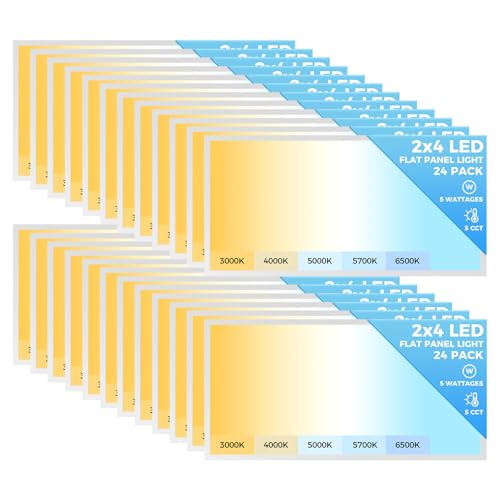
1,ENERGY SAVING. This 2' x 4' recessed drop ceiling light use high-quality LED beads with high luminous efficiency 130LM/W, this 70w led light panel can provide ultra bright 9100lm lighting for you, it can replace the traditional 280W fluorescent lamps, which will help you saving 80% of your electricity bill and carbon emissions.
Exploring Utility Rebates and Incentives
After recognizing the maintenance savings associated with LED lighting, facilities should also consider the financial benefits provided by utility rebates and incentives. Utility rebates can markedly offset initial installation costs, with some programs offering up to $100 per fixture. Investigate available incentives using platforms like ELEDLights to find instant rebates on eligible LED products. Bulk purchases further enhance savings, as quantity discounts often accompany utility rebates. Many programs also present financing options for energy-efficient upgrades, facilitating the shift to LED lighting. Research regional and local programs, as the available incentives vary widely by location. Understanding and utilizing these rebates can considerably improve the overall return on investment (ROI) for facilities making the move to LED lighting, driving long-term energy savings. Modern IP67 waterproof rated LED strips provide excellent durability and protection against dust and moisture, ensuring installations maintain peak performance for years to come.
Recommended Products
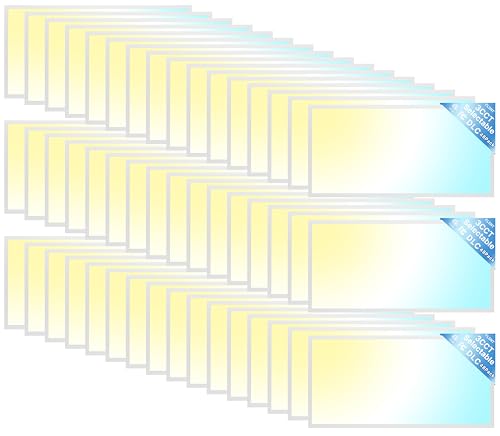
DLC Listed for Energy Rebates : Eligible for utility rebates from many U.S. utility companies, helping commercial and renovation projects reduce upfront costs while maintaining high efficiency lighting performance.

LED shoebox retrofit with selectable wattage: Choose 90W, 100W, or 110W to match pole height, lighting layout, or visibility needs. Up to 15,400 lumens for large commercial lots.

⭐ IP66 WATERPROOF & DUSTPROOF — COMMERCIAL GRADE DURABILITY Built for the harshest environments with IP66-rated waterproof and dustproof construction. Durable polycarbonate housing reinforced with stainless steel hardware stands up to moisture, dust, and debris in car washes, parking garages, barns, warehouses, food processing facilities, walk-in coolers, carports, gas stations, and wet outdoor applications.
The Importance of Total Cost of Ownership
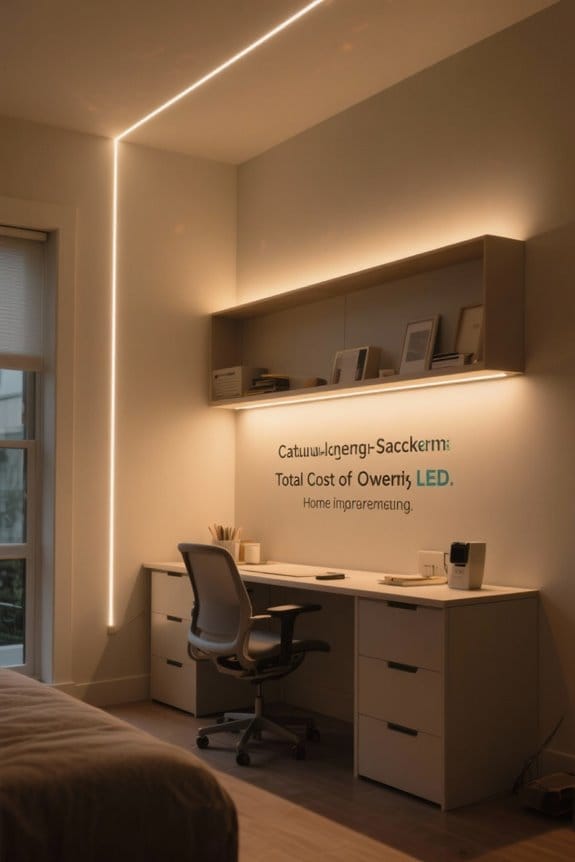
Considering the long-term financial implications, the Total Cost of Ownership (TCO) for LED lighting presents a critical framework for evaluating investments in lighting upgrades. TCO encompasses initial costs, total annual energy consumption, and ongoing maintenance costs. While LEDs may require a higher upfront investment, their lifespan of approximately 50,000 hours drastically reduces replacement frequency, directly impacting labor expenses. Additionally, LED lighting can result in energy savings of up to 90% compared to incandescent bulbs, notably lowering electricity bills. When calculating TCO, consider available utility rebates and incentives for energy-efficient upgrades, which can further enhance overall savings. Ultimately, a thorough TCO analysis reveals that LED savings outweigh initial costs, confirming their potential as a cost-effective lighting solution. Energy Star certified LEDs use at least 75% less energy than traditional bulbs, making them an excellent choice for sustainable home energy practices.
Examining Return on Investment (ROI) for LED Lighting
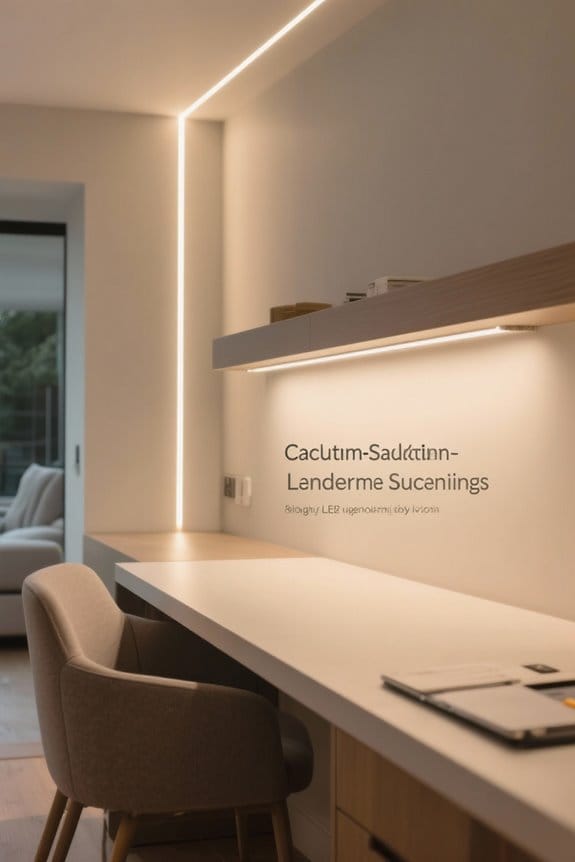
Understanding the return on investment (ROI) for LED lighting is essential for organizations seeking to maximize financial benefits from energy-efficient upgrades. Initial costs may be higher, but significant wattage reduction results in average energy savings of 50-90%. Conduct a savings calculation using the formula: ROI = (Total Annual Savings – Annual Finance Cost) ÷ Initial Investment × 100. Consider annual maintenance reductions due to extended lifespans of 50,000 hours compared to traditional bulbs. Payback periods can improve through utility rebates and escalating energy costs. Always evaluate potential savings beyond energy reduction, which may increase overall ROI by 20-40%. Invest strategically in LED technologies to enhance long-term financial performance and operational efficiency. Quality LED solutions deliver 80 lumens per watt or higher, providing exceptional brightness while maintaining optimal energy efficiency.
Recommended Products

TECHNOLOGY: The diffuse polycarbonate lens provides smooth, linear illumination which is designed to resemble the classic look of a 2-lamp fluorescent fixture

TECHNOLOGY: The diffuse polycarbonate lens provides smooth, linear illumination which is designed to resemble the classic look of a 1-lamp fluorescent fixture

J Series Outdoor Water Fountains: The Kasco J Series floating pond fountain kit is the perfect focal point for any pond or lake. These recently redesigned fountain kits feature increased performance and improved pattern definition for a stunning display. This decorative lake aerator comes in 120 volts, 1 HP with a 150 ft power cord and RGB LED Lighting.
Hidden Savings Beyond Energy Reduction
While many organizations focus primarily on energy savings when switching to LED lighting, substantial hidden savings beyond this aspect merit close examination. Shifting to LED products can greatly reduce HVAC loads, saving large facilities between $15,000 and $25,000 annually in cooling costs. LEDs also minimize maintenance expenses, offering savings of $50 to $100 per fixture each year due to their extended lifespan. In addition, improved power quality from LED installations reduces reactive power charges, enhancing financial savings. Integrating smart controls with efficient lighting can bolster energy efficiency by an additional 30-50%. These hidden savings collectively contribute to a compelling Return on Investment (ROI), aligning maintenance, energy costs, and operational efficiencies for long-term financial benefits. Modern daylight LED fixtures can reduce energy usage by up to 85% compared to traditional lighting systems, making them an increasingly attractive investment for businesses.
Calculating Payback Period for LED Upgrades
When evaluating the investment in LED lighting, calculating the payback period is essential for making informed financial decisions. This period can be determined by dividing the net cost of the LED lighting system, after accounting for available rebates and incentives, by the total annual energy savings and reduced maintenance costs. For instance, if the net cost of an LED upgrade is $3,000, and the total annual savings reach $3,877, the resulting payback period simplifies to approximately 0.77 years or about 9 months. Additionally, achieving substantial wattage reduction, such as replacing 400-watt fixtures with 150-watt LEDs, enhances energy savings, thereby shortening the payback period. Evaluating the entire lighting system’s operating costs, including HVAC efficiencies, is essential for maximizing returns. Modern 2835 LED modules can reduce energy consumption by up to 70% compared to traditional lighting solutions while providing superior illumination for commercial spaces.
Recommended Products

EASY ENTRY SECURITY: Low entry threshold and built-in Safe Reach grab bar reduce stepping height and offer stable support for secure transitions. Slip-resistant textured flooring enhances footing to help minimize falls during bathing routines.

【Superior Illumination & Energy Savings】Long-life LEDs, coupled with high-efficiency drivers,provide superior quantity and quality of illumination for extended service life.High efficacy of 150 lm/w reaches a lumen count of 7500,Flicker-free 0-10V dimmable external driver Up to 56% higher efficiency than fluorescent, service life is 50000+ hours,The design of "central basket" ensures more uniform light output and less shadows, making the interior feel larger and more open.

【Ultra-Efficient LED Technology】150 lm/W high-efficiency LEDs paired with advanced drivers deliver 5200 lumens output.50,000+ hour lifespan achieves 56% energy savings vs fluorescent lighting. Slim 1.97-inch profile fits standard 2x2 grids.
Real-World Case Studies of LED Success
Case studies illustrate the transformative impact of LED lighting across various sectors. For instance, a manufacturing facility achieved $67,000 in annual energy savings by retrofitting with LED fixtures. Additionally, hidden savings reached $84,000 due to reduced HVAC costs and maintenance needs. A retail store experienced a 60% reduction in lighting energy costs, realizing a swift ROI within two years—thanks to utility rebates and lower energy use. Moreover, a parking garage cut energy consumption by 70%, translating to approximately $5,000 in annual savings. Municipal buildings converted to LED, leading to a 58% drop in energy consumption and nearly $10,000 in yearly savings. These examples demonstrate the financial benefits of shifting from incandescent bulbs to advanced lighting technology. Modern LED systems can achieve up to 85% energy reduction compared to traditional lighting solutions, making them an increasingly attractive option for businesses and homeowners alike.
Leveraging Smart Controls for Greater Efficiency
Leveraging smart controls in lighting systems can greatly enhance energy efficiency and reduce costs. By integrating occupancy sensors, lights can automatically turn off in unoccupied spaces, achieving energy savings exceeding 90%. Daylight harvesting technology adjusts artificial light levels based on available natural light, optimizing energy use. Implementing dimmers allows for customized brightness, which can considerably decrease energy consumption in low-traffic areas. Additionally, task tuning modifies lighting according to specific tasks, ensuring that functionality is maintained while minimizing energy usage. Demand response integration further improves efficiency by automatically lowering energy loads during peak pricing periods. Together, these smart controls create a more energy-efficient lighting environment, showcasing the proactive approach necessary for modern energy management. Modern RGBIC technology enables multiple color displays simultaneously while maintaining energy efficiency through smart app-controlled automation.
Recommended Products

Convenient push-button provides manual on/off light switching at any time
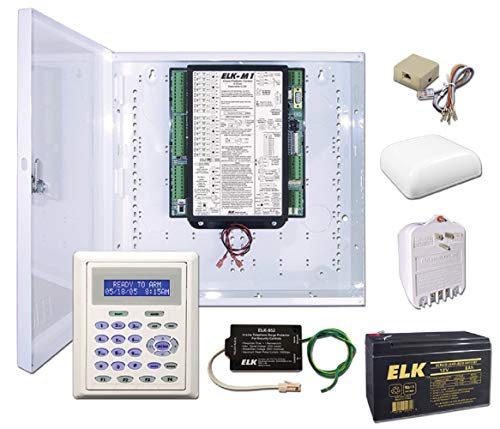
Comprehensive security, energy management, and control solution for residential and light commercial applications.

PIR occupancy sensor automatically turns the unit off when not in use, and back on when the user returns
Frequently Asked Questions
How Much Savings With LED Lights?
Making the switch resembles upgrading to a more reliable vehicle. Savings from LEDs can reach $225 annually, with energy efficiency, lifespan benefits, and low maintenance savings, greatly outweighing initial installation expenses and positively impacting the environment.
How to Calculate ROI for LED Lighting?
To calculate ROI for LED lighting, analyze ROI factors, detail the initial investment breakdown, project energy costs, assess maintenance expense reduction, consider lifespan comparison, and evaluate the quality of lighting for thorough financial assessment.
How Much Do LED Lights Increase the Electric Bill?
LED lights decrease electric bills rather than increase them due to their low power consumption and high energy efficiency. Their longer lifespan enhances home lighting, enables commercial savings, and minimizes environmental impact compared to traditional options.
Do You Actually Save Money by Turning off Lights?
“Every little bit helps,” especially in light efficiency. By adjusting switching habits and turning off lights during unoccupied periods, households can considerably lower energy consumption, resulting in a favorable cost comparison and lasting behavioral impact over time.