As an Amazon Associate, we earn from qualifying purchases. Some links on this site are affiliate links at no extra cost to you. Our recommendations are based on thorough research and editorial judgment.


The Environmental Impact of LED Vs Traditional Lighting

The environmental impact of LED lighting vastly surpasses that of traditional incandescent bulbs. LEDs consume 75% less electricity and last up to 50,000 hours, greatly reducing carbon emissions. This energy efficiency translates to potential savings exceeding 569 TWh annually by 2035. Unlike incandescent bulbs, LEDs are 100% recyclable and free from hazardous substances. However, the blue light emitted can disrupt circadian rhythms, necessitating a balance in use. Understanding these facets will reveal more about sustainable choices in urban lighting.
Key Takeaways
- LED lights use 75% less electricity and emit lower carbon emissions compared to traditional incandescent bulbs.
- LEDs have a lifespan of up to 50,000 hours, significantly reducing electronic waste and maintenance costs.
- Unlike fluorescent bulbs, LEDs are 100% recyclable and free from hazardous substances like mercury.
- LEDs can operate with motion-activated designs, reducing energy consumption and minimizing light pollution.
- Customizable brightness settings in LEDs enhance urban lighting while supporting health and wildlife by aligning with natural light cycles.
Energy Efficiency Analysis
You may be interested


Energy efficiency plays a critical role in modern lighting choices, particularly when comparing LED lights to traditional incandescent bulbs. LED lighting utilizes approximately 75% less electricity than incandescent bulbs, translating to significant energy savings. They convert about 80-90% of electrical energy into light, making them vastly more efficient than incandescent bulbs, which only convert about 20%. This inefficiency results in considerable wasted energy—about 80% lost as heat. Additionally, adopting LED technology across lighting systems could lead to annual energy savings exceeding 569 TWh by 2035, equivalent to the output of over 92 large power plants. By reducing electricity consumption, these lights considerably lower carbon emissions and associated greenhouse gas emissions, supporting efforts to combat climate change effectively. With high CRI ratings above 80, LED lights also provide superior color accuracy and visual comfort compared to traditional lighting options.
Recommended Products
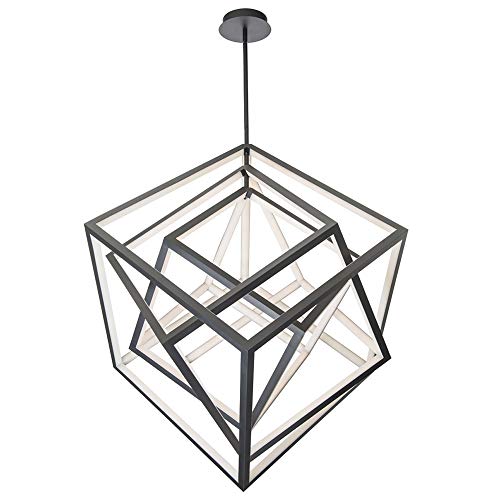
Cubes rotate independently for creative display options. Stack all three cubes in the same direction for a stunning 3D cubed effect, or adjust independently for your own creative design.

3000K/3500K/4000K/5000K/6500K Adjustable Before Installation - No worry about ordering incorrect color temperature, each of our 2x4 LED light drop ceilings has a color switch on the driver box that you can adjust 5 CCT before installing.

Durable Construction: UV-coated polycarbonate lens, PPS plastic housing, and aluminum heat-sinks for longevity.
Lifespan Comparison
When evaluating the long-term benefits of lighting options, the lifespan of each type plays a notable role. LED bulbs offer an impressive lifespan of up to 50,000 hours, dramatically outpacing traditional incandescent bulbs, which last only 750 to 1,000 hours. This remarkable longevity means fewer replacements are needed over time, thereby reducing maintenance costs. Fluorescent lights, while longer-lasting than incandescent bulbs at 7,000 to 15,000 hours, still cannot compete with the durability of LEDs. Additionally, unlike traditional lighting that burns out abruptly, LEDs gradually lose brightness, providing a reliable illumination source. Overall, the extended lifespan of LED bulbs considerably decreases electronic waste, contributing to a more sustainable lighting solution. Choose wisely for environmental impact and efficiency. Modern LED solutions like under cabinet lights can achieve up to 1200 lumens while maintaining impressive energy efficiency and longevity.
Recommended Products

Connect Two F3800 Stations: Link two Anker SOLIX F3800 Portable Power Stations with Anker SOLIX Double Power Hub. Connect via the Home Power Panel ports.

Upgrade Yarn-dyed Curtain: Made with advanced techniques, our upgraded fabric offers strong fade resistance for at least 2 years and stays intact even after a month in extreme conditions.

3000K/3500K/4000K/5000K/6500K Adjustable Before Installation - No worry about ordering incorrect color temperature, each of our 2x4 LED light drop ceilings has a color switch on the driver box that you can adjust 5 CCT before installing.
Environmental Impact
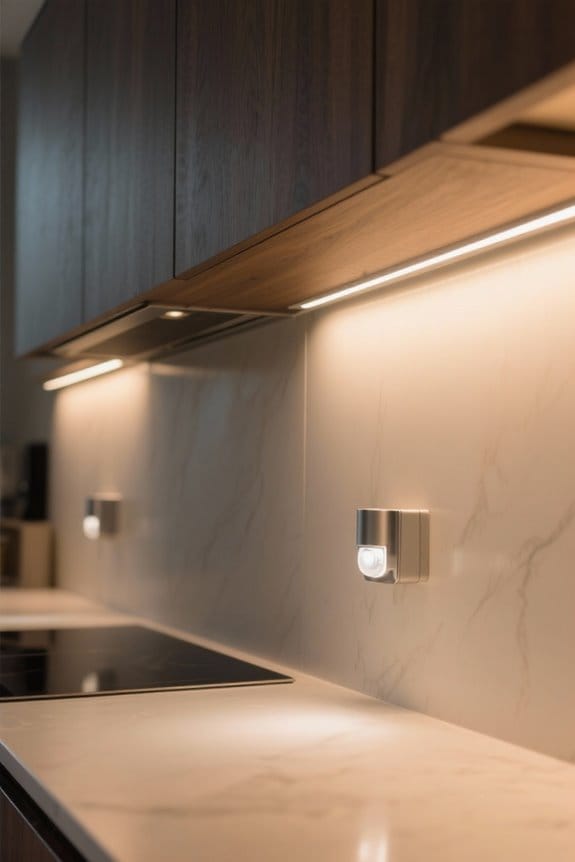
As the shift towards sustainable technologies gains momentum, understanding the environmental impact of lighting choices becomes essential. LEDs are highly energy efficient, consuming approximately 75% less electricity than incandescent bulbs. This significant reduction in energy consumption leads to lower carbon emissions. Unlike traditional fluorescent bulbs, which contain toxic materials like mercury, LEDs are free from hazardous substances and are 100% recyclable. With a lifespan of about 50,000 hours, one LED can replace up to 25 incandescent bulbs, drastically decreasing electronic waste. The widespread adoption of LED technology has the potential to yield annual energy savings exceeding 569 TWh by 2035, equating to the output of over 92 1,000 MW power plants, illustrating its tremendous environmental impact. Advanced features like motion-activated designs further reduce energy consumption by ensuring lights operate only when needed.
Recommended Products

TECHNOLOGY: The diffuse polycarbonate lens provides smooth, linear illumination which is designed to resemble the classic look of a 1-lamp fluorescent fixture

TECHNOLOGY: The diffuse polycarbonate lens provides smooth, linear illumination which is designed to resemble the classic look of a 2-lamp fluorescent fixture

TECHNOLOGY: The diffuse polycarbonate lens provides smooth, linear illumination which is designed to resemble the classic look of a 2-lamp fluorescent fixture
Cost Comparison
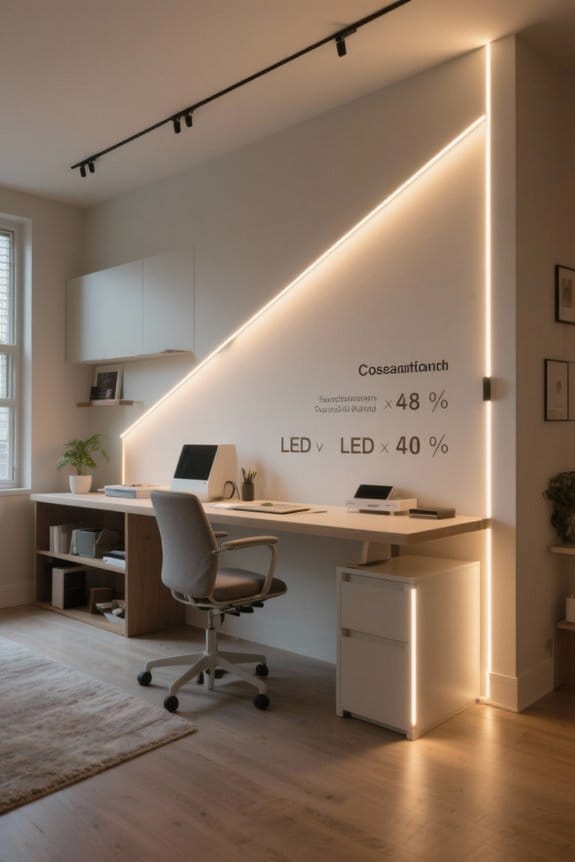
While upfront costs often govern consumer decisions regarding lighting, a thorough analysis reveals significant long-term financial advantages associated with LED technology. Although the initial cost of quality LED bulbs is higher, they consume far less electricity than incandescent bulbs, using approximately 75% less energy. Incandescent bulbs may appear cheaper, but they convert only about 10% of their energy into light, resulting in higher overall expenses due to frequent replacements. In contrast, energy-efficient LEDs last much longer—up to 25 times longer than incandescent and 3 to 5 times longer than CFLs. Ultimately, the total cost compared to incandescent lighting becomes lower for LEDs, highlighting their energy efficiency and long lifespan, yielding significant savings over time. Modern LED options like wireless picture lights deliver 600 lumens output while maintaining impressive energy efficiency, making them an increasingly popular choice for both general and accent lighting.
Recommended Products

SAFETY And CERTIFIED: UL Listed for safety. Available for100-277V. Made of flame-retardant ASA materials and high quality aluminum. 5000K cool white, high CRI (Ra>80) ensures fabulous luminous efficiency with low power consumption

Replacement For LED F120T12/D/HO

Health Considerations
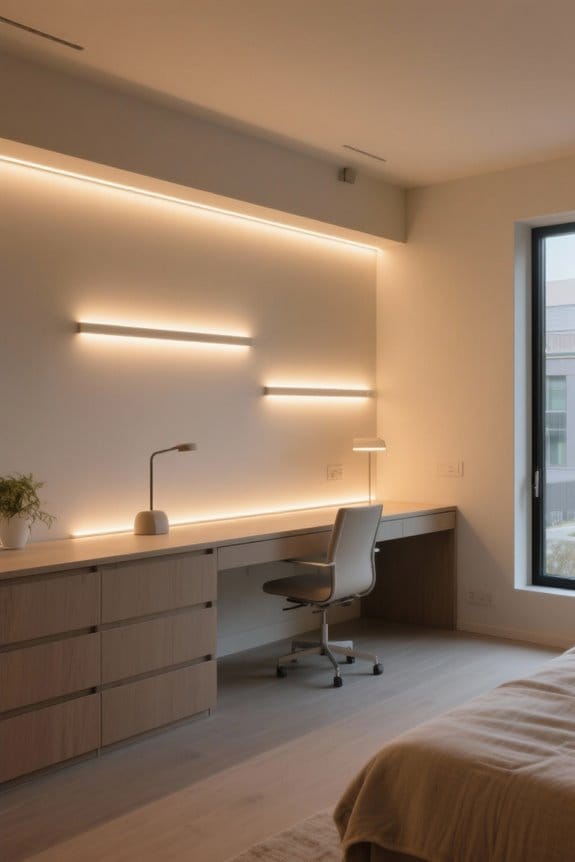
The impact of lighting on health is an increasingly significant consideration as consumers opt for different lighting technologies. LED lights emit significant blue light, which can disrupt circadian rhythms, often leading to sleep disorders. These disruptions may contribute to serious health issues, including obesity and diabetes. Additionally, the harsher tones of LED lighting exacerbate light pollution, interfering with both human well-being and the natural environment. Excessive nighttime illumination can hinder sleep quality and overall health. Public health guidelines now recommend using warmer-toned LEDs to mitigate these effects. Reducing nighttime illumination is also crucial for maintaining healthy sleep patterns. Readers should assess their lighting choices carefully to promote ideal health while considering the broader environmental implications. Modern brightness level options in LED lighting systems help users customize illumination to reduce potential health impacts while maintaining functionality.
Effects on Wildlife
Natural darkness plays an essential role in maintaining the behavioral patterns of wildlife, yet increased artificial lighting, particularly from LEDs, severely disrupts this crucial aspect of ecosystems. The bright blue light emitted from LED technology scatters in the atmosphere, elevating nighttime brightness that disturbs nocturnal species. Animals relying on moonlight for navigation face heightened risks due to this artificial light, impacting their foraging and reproduction. Daytime species are extending activities into the night, deviating from natural behaviors. This altered wildlife behavior contributes to habitat loss, as species dependent on specific light cycles struggle to survive. Additionally, the frequency of bird and insect collisions with artificial structures has increased, threatening these populations amid changing environmental conditions. Modern color temperature ranges of 4000K to 6500K in LED lighting can be particularly disruptive to wildlife’s natural circadian rhythms.
Solutions for Reducing Light Pollution
To effectively combat light pollution, adopting effective strategies is vital. Utilizing LEDs that emit warmer light tones can greatly reduce disruptive blue light emissions, improving energy efficiency. Municipal lighting practices must be reassessed, leading to the implementation of efficient designs that minimize light trespass and over-illumination. Cities should consider investing in adaptive lighting systems, which adjust brightness based on activity levels, thereby addressing safety while reducing waste. Additionally, public awareness campaigns are essential, educating communities about light pollution’s detrimental effects on health and wildlife. Encourage individuals and businesses to turn off unnecessary outdoor lighting at night, collectively diminishing light pollution. Modern waterproof LED strips provide durable and efficient outdoor lighting solutions while maintaining environmental consciousness through their customizable brightness settings. By integrating these solutions, cities can create a more balanced relationship between urban lighting and the natural environment.
Recommended Products

LED Pergola: This 14' × 24' louvered pergola features built-in LED with a warm 3000K glow and a remote control for easy operation

Create an Inviting Ambiance: Integrated LED strips emit a warm 3000K glow, transforming your pergola into a cozy and inviting space for evening entertainment and relaxation.

Lightweight, Tough, Ready: Made from ABS anti-aging polymer, this shell is just 11.22 in high, reducing wind drag for smoother travels. It features 420D double ripstop Oxford fabric, double-stitched seams, and 280G poly-cotton for a 5,000mm waterproof rating and UV 50+ protection, and a canopy for extra protection against heavy rain. Flip the latches, lift the lid, and use the 90.55 in ladder to lower the floor, and you’re ready!
Frequently Asked Questions
How Do LED Lights Affect Household Air Quality?
LED lights typically improve household air quality by reducing indoor air pollutants and allergen accumulation. Their energy efficiency and lower emissions minimize chemical exposure, promoting better respiratory health during prolonged lighting durations compared to traditional alternatives.
Can LED Lighting Improve Mood or Productivity?
LED lighting can enhance mood and productivity levels through ideal color temperature and lighting spectrum. Effective workspace design utilizing energy-efficient LEDs promotes psychological benefits, increasing employee satisfaction and creating a positive work environment for improved performance.
Are There Specific Recycling Programs for LED Bulbs?
Like phoenixes rising from ashes, LED bulbs can be recycled through various community programs and recycling initiatives. Environmental regulations help manage hazardous materials, addressing recycling challenges and supporting sustainability efforts in handling electronic waste responsibly.
What’s the Aesthetic Difference Between LED and Traditional Lighting?
The aesthetic difference between LED and traditional lighting includes variations in color temperature and light intensity, offering design versatility and fixture compatibility. LEDs enhance ambiance creation, shadow effects, and color rendering, contributing to overall visual comfort.
How Do LED Lights Perform in Extreme Weather Conditions?
LED lights exhibit remarkable durability under extreme weather conditions, performing well across temperature thresholds. They resist humidity, excel in freeze performance, withstand wind impacts, and manage UV exposure and heat dissipation, enhancing overall energy efficiency.