As an Amazon Associate, we earn from qualifying purchases. Some links on this site are affiliate links at no extra cost to you. Our recommendations are based on thorough research and editorial judgment.


How Motion Sensors Reduce LED Energy Consumption

Motion sensors reduce LED energy consumption by activating lights only when occupancy is detected. With Passive Infrared (PIR) technology, these sensors respond to heat changes from human bodies, turning on lights immediately in areas like hallways and entryways. By limiting illumination to periods of actual use, energy waste is minimized. Households can achieve energy savings of approximately 50%. This innovative technology not only enhances efficiency but also supports sustainability goals. Discover further insights into effective motion sensor applications.
Key Takeaways
- Motion sensors automatically turn off LED lights in unoccupied areas, preventing unnecessary electricity usage and enhancing energy efficiency.
- When combined with LEDs, motion sensors can lead to energy savings of up to 50% in both residential and commercial settings.
- Regular adjustments of motion sensor sensitivity help minimize false activations, further conserving energy consumption.
- The integration of motion sensors with LEDs reduces replacement costs due to the long lifespans of LED lighting, enhancing overall sustainability.
- Smart technology in motion sensors allows for real-time data monitoring, optimizing energy use based on actual occupancy trends.
Understanding Motion Sensor Technology
You may be interested



Motion sensor technology serves as an essential component in modern lighting systems, greatly enhancing energy efficiency. Primarily, it relies on Passive Infrared (PIR) sensors, detecting heat changes from human bodies. Additionally, dual-technology sensors, which combine PIR and ultrasonic methods, increase detection accuracy while minimizing false activations. By automatically turning lights on and off based on occupancy, these sensors considerably reduce energy consumption. Smart technology enhances this further, allowing users to control and schedule lights remotely, optimizing their energy usage. When incorporated with LED lighting solutions, motion sensors can cut energy waste by as much as 50%. This reduction leads to lower electricity bills and a notable positive environmental impact, reinforcing the importance of integrating motion sensor technology into lighting systems. For optimal performance in outdoor applications, these sensors should be paired with powder-coated brackets that provide superior weather resistance and durability.
How Motion Sensors Activate LED Lights
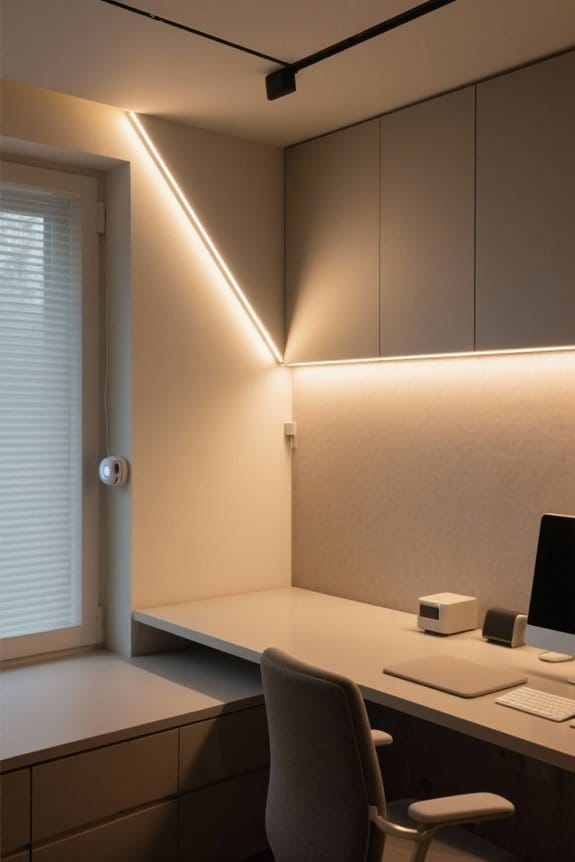
Illuminating spaces efficiently requires a thorough understanding of how sensors activate LED lights. Motion sensors, utilizing technologies like passive infrared and ultrasonic sensors, detect movement and guarantee that LED lights turn on only when necessary. Upon detecting occupancy, these sensors trigger immediate illumination, enhancing both security and convenience. After a set duration of inactivity, motion sensors automatically deactivate the LED lights, considerably reducing energy consumption during unoccupied times. Modern motion sensors also feature adaptive sensitivity settings, allowing users to fine-tune activation thresholds, further enhancing efficiency and minimizing false triggers. By guaranteeing lights operate solely during occupancy, these motion sensors can reduce energy usage by up to 50%, leading to substantial cost savings and promoting sustainability in energy consumption practices. Advanced motion detection systems like the MCGOR lights can detect movement within a 10-foot detection range, providing optimal coverage for various room sizes.
Energy Savings From Motion Sensor Usage

To effectively harness energy savings, incorporating motion sensors into lighting systems is essential. These devices reduce energy consumption by activating LED technology only when movement is detected, promoting energy usage reductions of up to 50%. By automatically turning off lights after a predetermined period of inactivity, motion sensors prevent wasted electricity, particularly in low-traffic areas like hallways and bathrooms. The synergy of LED technology and motion sensors creates enhanced energy efficiency, as LED lights consume considerably less power and can last up to 25,000 hours. Smart motion sensor technology in modern LED cabinet lights can detect movement within 10 feet, maximizing energy conservation in various indoor spaces. Overall, the integration of motion sensors not only diminishes residential lighting electricity usage but also supports sustainability initiatives by contributing to a lower carbon footprint and reducing reliance on fossil fuel energy sources.
Recommended Products

Dusk to Dawn Technology – Keep your home as efficient as possible, with dusk to dawn technology the animated flame bulb will immediately ignite when the sun starts to set

【Built-in 2 Outlet】The outdoor lights for house is equipped with two GFCI outlets (ground fault circuit interrupter), accommodating both two-pronged and three-pronged plugs. This setup provides convenient outdoor power access while also offering enhanced safeguards against power surges, short circuits, and other electrical issues.This outlet is suitable for various scenarios, including string lights, lawnmowers, BBQ grills, CCTV cameras, and other outdoor equipment.

OPENLUX Only Make High-Quality: Our LED post top light is ETL listed made of SMD3030 LED chips; High-end driver; heavy-duty aluminum Anti-shock, anti-moisture, no glare, no strobe light, protecting your eyes
The Impact of Motion Sensors on Electricity Bills
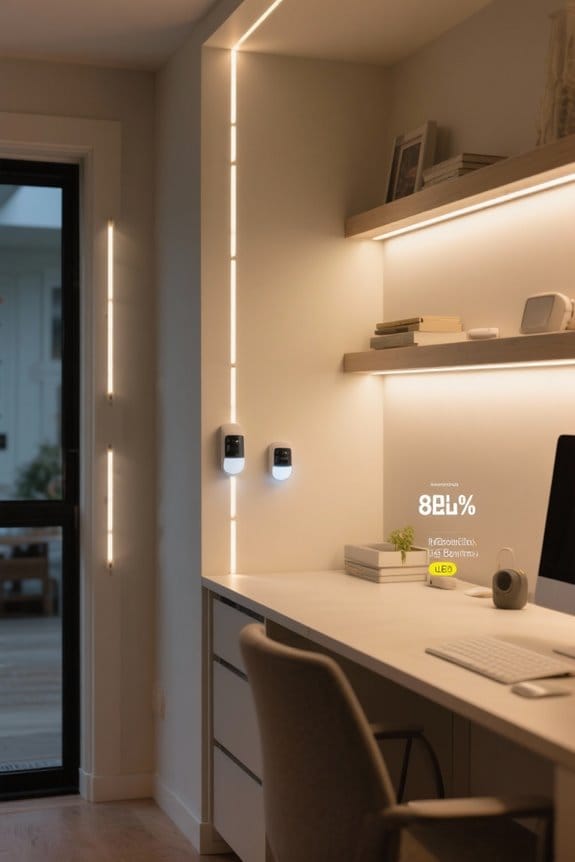
While lights often remain on unnecessarily in many homes, the introduction of motion sensors elevates energy conservation efforts, greatly impacting electricity bills. In residential settings, these devices can reduce energy consumption by up to 50%, activating lights only when needed. Households typically save $7 to $15 annually on electricity bills by installing motion sensor lighting. Furthermore, when combined with LED lighting, less frequent light activation extends bulb lifespan, leading to fewer replacements and additional savings. In commercial spaces, the energy savings can exceed 30%, particularly in large offices and warehouses. By curbing the wastage prevalent with traditional lighting, motion sensors contribute remarkably to reduced energy costs, enhancing overall efficiency in both residential and commercial environments. Modern surface mount LED lights can achieve up to 90% energy savings compared to traditional bulbs, making them ideal companions for motion sensor systems.
Recommended Products

4-TIER WATT 35% ENERGY SAVINGS - This LED linear high bay light four selectable wattages (400W/320W/240W/100W) cover full-scenario heights from 10-60FT with a single product line, eliminating the need for mixed-model purchases. This achieves a 'one product replaces multiple solutions' advantage—precisely matching wattage to installation height reduces energy consumption by over 35% and cuts maintenance time by 40%

SAMSUNG USA AUTHORIZED - Includes 26 Month Extended Protection Plan in ADDITION to the Included FULL Manufacturer Protection

【Unbeatable Performance】The 2×4 led flat panel lights with edge-lit LEDs are integrated so there are no bulbs to replace; 50/60/70/90W Wattage options, 10000LM high performance surface mount ceiling light fixtures; 110LM/W energy saving, significantly reducing electricity costs compared to traditional fluorescent fixtures. Ideal for eco-conscious lighting solutions in Commercial Areas, Educational and Healthcare Facilities
Comparison of Motion Sensors and Traditional Lighting

Motion sensors represent a considerable advancement in lighting technology compared to traditional lighting systems, especially regarding energy conservation. Unlike traditional lighting, which remains on regardless of occupancy, motion sensors rely on occupancy detection to activate lights only when needed. This automatic lighting feature can decrease energy consumption by up to 50%. Integrating motion sensors with LED technology further enhances energy efficiency. LEDs can last up to 25,000 hours, considerably reducing replacement frequency. In low-occupancy areas, energy savings may reach approximately 10.3% of total household electricity use. By maximizing light activation when spaces are in use, motion sensors not only promote sustainability but also optimize illumination efficiency, making them superior to conventional systems. Modern motion sensor lights feature smart detection ranges of up to 10 feet, ensuring reliable activation while maintaining energy efficiency in various indoor spaces.
Recommended Products

Commercial-Grade Performance: Experience brighter, more efficient lighting with advanced backlight technology. This 2x4 led flat panel light up to 7500 lumens. led panel lights anti-glare lens guarantees long-term visual comfort and resists yellowing. Built with a reinforced aluminum frame and premium drivers for a 50,000+ hour lifespan.

POWERFUL OUTPUT: Bring ultra bright performance to indoor commercial areas with a 150W UFO LED high bay light that produces 21,000 lumens at high efficiency (140 lm/W). These UFO high bay lights are built for LED high bay lights upgrades in a warehouse, workshop, or garage, delivering clear visibility for work areas, storage aisles, and equipment zones.

LSF5 SERIES. ASD LED STAIRWELL FIXTURE WITH MOTION SENSOR has a narrow, low-profile design. Durable commercial grade housing resistant to rust and impact along with an anti-glare PMMA lens provide many years of use. Design of the fixture allows to connect multiple fixtures together with connection bracket. It is designed to operate on 120-277V circuits with a 0-10V dimmable driver.
Placement Strategies for Maximum Efficiency
Ensuring ideal placement of motion sensors is essential for maximizing their efficiency and effectiveness in energy conservation. Employ strategic placement strategies by positioning sensors 6 to 8 feet high to enhance detection range and minimize false triggers. Focus on high-traffic zones, including hallways and entryways, for coverage where movement is frequent. Avoid placing sensors near heat sources like vents, as they can disrupt passive infrared detection. Regularly assess sensor angles to adapt to changes in environment, ensuring optimal performance. This will also enhance energy efficiency, reducing energy consumption by preventing unnecessary activation in low-traffic areas. Following these guidelines will considerably support efforts to maximize detection while minimizing wasted energy resources in various settings. Modern motion sensors can detect movement within 120 degree range and up to 16 feet away, providing comprehensive coverage for most residential spaces.
Recommended Products

MULTI-ZONE SYSTEM: Includes multiple indoor air handlers for individual rooms connected to a single outdoor condenser. Each indoor unit features independent temperature control settings.

Anti-Fog Technology: Never worry about foggy mirrors again! Our 96x40 bathroom mirror cabinet features anti-fog tech that keeps the mirror clear even after hot showers, delivering reliable clarity for your daily routine

Pure Black: With a high luminance panel and temperature sensor, this TV with XR Contrast Booster precisely controls light for brighter pure black pictures | Real World Color: With XR Triluminos Max, experience billions of vivid, lifelike colors powered by millions of self-illuminating pixels
Environmental Benefits of Motion Sensor LED Lighting
In various settings, the benefits of incorporating motion sensor LED lighting are significant and multifaceted. These motion sensor lights can reduce energy consumption by up to 50%, providing immediate energy savings. By integrating LED technology, which consumes about 75% less energy than traditional incandescent bulbs, overall electricity use diminishes greatly, contributing to environmental sustainability. This reduced usage leads to a lower carbon footprint, vital for mitigating climate change. Additionally, motion sensors enhance usage efficiency in outdoor areas, activating lights only when needed for security purposes. With the lifespan of LED bulbs reaching up to 25,000 hours when paired with motion sensors, the need for replacements decreases, effectively minimizing waste. Such measures are essential for fostering a sustainable future. Modern motion sensor detection ranges of up to 10-12 feet ensure optimal coverage while maintaining energy efficiency in various spaces.
Enhancing Home Security With Motion Sensors
Enhancing home security involves understanding and utilizing the advanced technology of motion sensors in conjunction with LED lighting. Motion sensors detect movement and activate LED lights, optimizing outdoor lighting while appreciably reducing energy consumption. Properties with such systems are reported to be 50% less likely to experience break-ins. By automating lighting in response to motion, homeowners create an illusion of occupancy that can deter intruders effectively. Additionally, strategically placed LED lights improve visibility along pathways and entryways, promoting safety and reducing accident risks. Integrating smart technology with motion sensors allows for remote monitoring, delivering alerts to homeowners and enhancing security when they are away. Embracing this technology can provide peace of mind while ensuring efficient energy use. The addition of LED diffuser strips helps soften harsh lighting while maintaining optimal illumination for security purposes.
Recommended Products
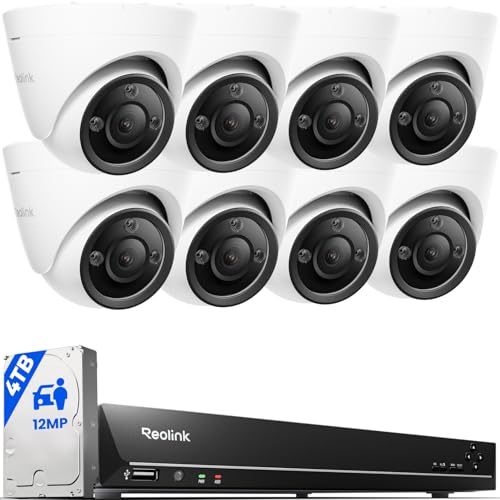
INCREDIBLE 12MP UHD IMAGE -- Mind-blowing 12MP PoE home security camera system becomes affordable for your home and business security. Subtle details are recorded to ensure your peace of mind.

Max 8.0 Megapixel Full HD Realtime Recording 16 Channel H.265 4K NVR with (16) 8MP 4K Weatherproof POE H.265 IP Bullet Cameras (Built-in microphone and 2.8mm wide angle lens)

【Energy Saving& Large Area Illuminating 】400W LED street light used highest brightens SMD3030 LED chip, with output 100000lm in 5000K daylight, Ideal subsitution for 1600 HPS/MH tranditional lights, reduce your electronic bill by up to 85%.T3 lens technology boosts light efficiency, illuminating 11300ft²large area at 30FT-55FT height.
Maintenance Tips for Optimal Performance
To achieve ideal performance from motion sensors and LED lighting, regular maintenance practices are vital. Conduct routine inspections every six months to identify accumulated dust or debris that could hinder performance. Additionally, check and tighten loose wiring connections to enhance safety and guarantee consistent operation. Adjust the sensitivity and range settings of motion sensors based on specific usage patterns to minimize false activations and improve energy efficiency. Regularly testing the functionality of motion sensors, including their response to movement and duration of illumination, can greatly reduce energy consumption, potentially by up to 50%. Finally, keep outdoor sensors unobstructed by overgrown bushes or furniture to improve detection range and accuracy while maximizing energy savings effectively. Installing magnetic strip lights provides flexible maintenance options since they can be easily removed for cleaning or battery replacement without damaging cabinet surfaces.
Innovations in Motion Sensor Technology
As advancements in technology continue to shape the modern world, motion sensor systems have become increasingly sophisticated, offering substantial improvements in energy efficiency. Innovations such as adaptive sensitivity allow motion sensors to activate based solely on actual movement, minimizing unnecessary illumination. Dual-technology sensors combine passive infrared and ultrasonic methods to enhance detection accuracy, greatly reducing false activations. Moreover, smart home integration provides real-time data analysis, allowing for illumination adjustments based on occupancy patterns—leading to considerable reductions in energy consumption. Solar-powered motion sensors offer outdoor lighting solutions that operate independently from the electricity grid, thereby reducing overall energy usage. These advancements greatly enhance LED energy efficiency, reflecting a commitment to sustainability in modern lighting solutions. Modern motion sensors can detect movement within a 120-degree detection angle and up to 10 feet away, ensuring comprehensive coverage for optimal energy savings.
Future Trends in Energy-Efficient Lighting Solutions
While exploring future trends in energy-efficient lighting solutions, it becomes evident that integrating advanced technologies can yield remarkable benefits. The synergy of motion sensors and LED technology is projected to cut energy consumption by as much as 50% in homes and businesses. Emphasizing smart home integration, future systems will utilize real-time occupancy patterns for optimized lighting management. Anticipate the rise of solar-powered motion sensor lights as sustainable lighting solutions that operate independently from electrical grids. These innovations include dual-technology sensors, which enhance movement detection and minimize false triggers, thereby promoting energy conservation. As energy awareness grows, employing motion sensor lighting could markedly advance broader sustainability goals, making it a vital element in modern energy-efficient lighting strategies.
Frequently Asked Questions
How Do Motion Sensor Lights Save Energy?
Motion sensor lights can cut energy costs by 10-30%, leveraging automated lighting systems to enhance energy efficiency solutions. Their smart home technology promotes user behavior influence, optimizing sensor placement strategies for significant environmental impact reduction and residential convenience.
How to Reduce LED Power Consumption?
To reduce LED power consumption, utilize smart lighting with automated controls, implement light dimming features, and install sensors. This approach enhances energy efficiency, delivers cost savings, offers user convenience, and minimizes environmental impact for long-term benefits.
Why Does Using Movement Sensors Cut Down on Electricity Usage?
Using movement sensors markedly cuts down energy usage by employing smart technology for automatic controls, enhancing light management in residential and commercial applications. This promotes energy efficiency, leads to cost savings, and supports sustainability efforts through improved user behavior.
Do Occupancy Sensors Save Energy by Turning off the Lights When the Space Is?
Occupancy sensors effectively save energy by utilizing occupancy detection for light automation, enhancing space utilization. This smart lighting solution promotes cost efficiency, user convenience, and environmental impact reduction, often incorporating dimming features for optimized energy savings.